Get the latest news and updates from Dawn
OFFICIALS often describe Pakistan as an underperforming country plagued by low tax obedience and high informality. A country where citizens supposedly evade regulation, conceal incomes and avoid the formal economy out of habit or delinquency. This narrative, echoed endlessly by donor agencies and technocrats, misses the mark entirely. Far from being a reflection of mass dishonesty, informality is the population’s response to egregious governance and erratic policymaking, not a cause of it.
Markets have existed long before states-imposed rules on them. For most of human history, economic exchange was informal and self-regulated. Post the Great Depression states attempted to institutionalise comprehensive market regulation. But in countries where the state apparatus is extractive, regulatory structures are punitive, and public services lacking, the informal economy does not shrink; it thrives. People do not disengage from the formal system because they reject order or rules; they do so because the system punishes participation and rewards avoidance.
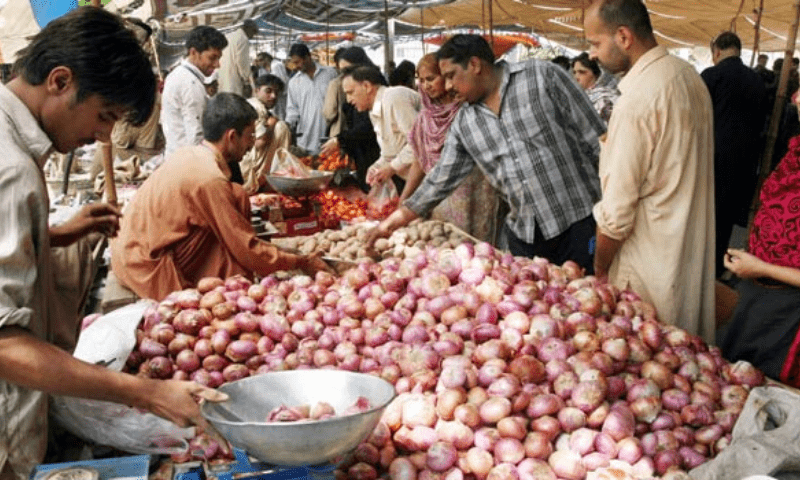
In Pakistan, the informal sector is not an aberration. It is the economy’s lifeboat. With estimates ranging from 30-70 per cent of GDP and over 70pc of non-agricultural employment, informality underpins the real economy. It is found in bazaars, construction sites, workshops and transport hubs. It keeps the economy afloat, cushions the poor and supplies goods and services to the formal sector itself. Where the formal economy is hamstrung by high entry barriers and stifling compliance costs, the informal economy is nimble, responsive and inclusive.