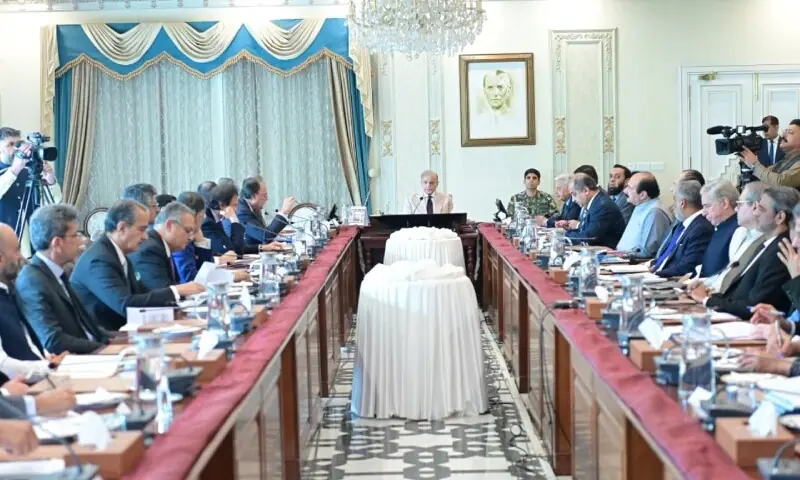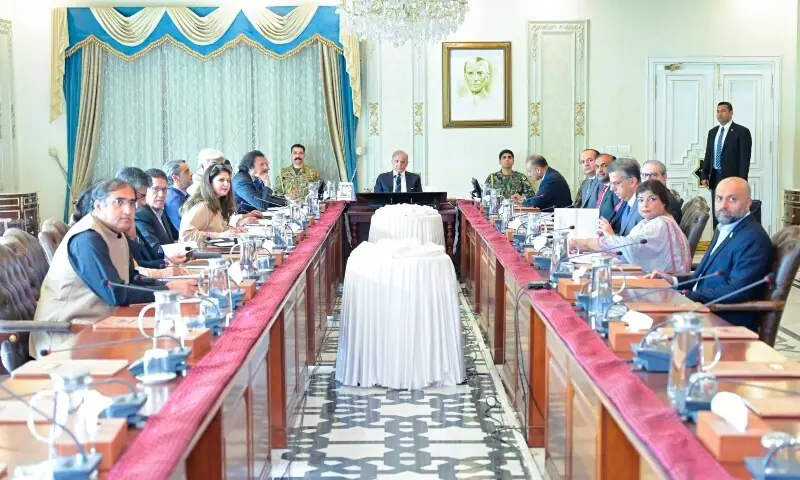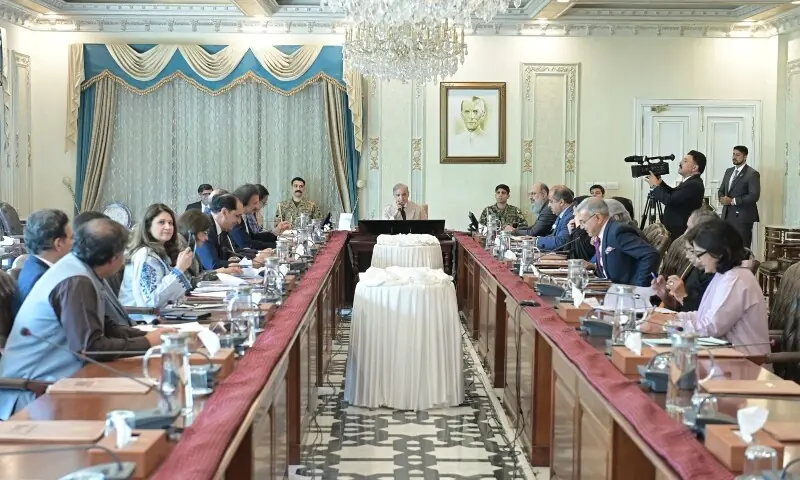
PRIME Minister Shehbaz Sharif’s latest call to banks to expand lending to SMEs is nothing new. Every government over the last three decades has made a similar appeal. Ambitious targets are announced, committees are formed and banks are urged to finance sectors that generate employment and exports. However, little changes.
No doubt, raising SME lending’s share of private sector credit from 7pc to 10pc within two years and increasing the number of SME borrowers from 310,000 to 750,000 under the new Access to Finance Plan initiative are worthwhile aims. But are the banks incentivised enough to make these goals a reality?
That question lies at the centre of the chronic financing gap for SMEs. Together, Pakistan’s estimated 5m SMEs contribute nearly 40pc of GDP, a quarter of exports and around 80pc of non-agricultural employment. But barely 300,000 businesses have access to formal bank credit.
Banks often explain this failure in terms of risk. Their arguments are not without merit. Most SMEs lack audited financial statements and reliable cash-flow records. Weak legal enforcement, lengthy recovery procedures and information asymmetry further increase the cost of lending. Cash-flow-based lending requires better data, specialised underwriting, digital monitoring and relationship banking. From a commercial perspective, these concerns are legitimate.