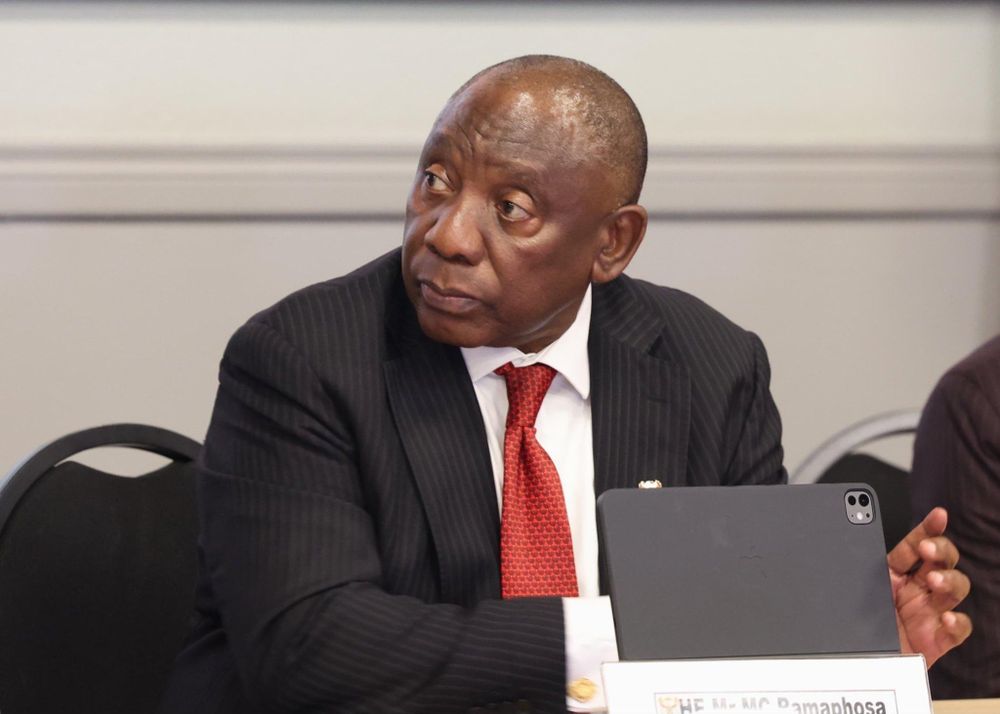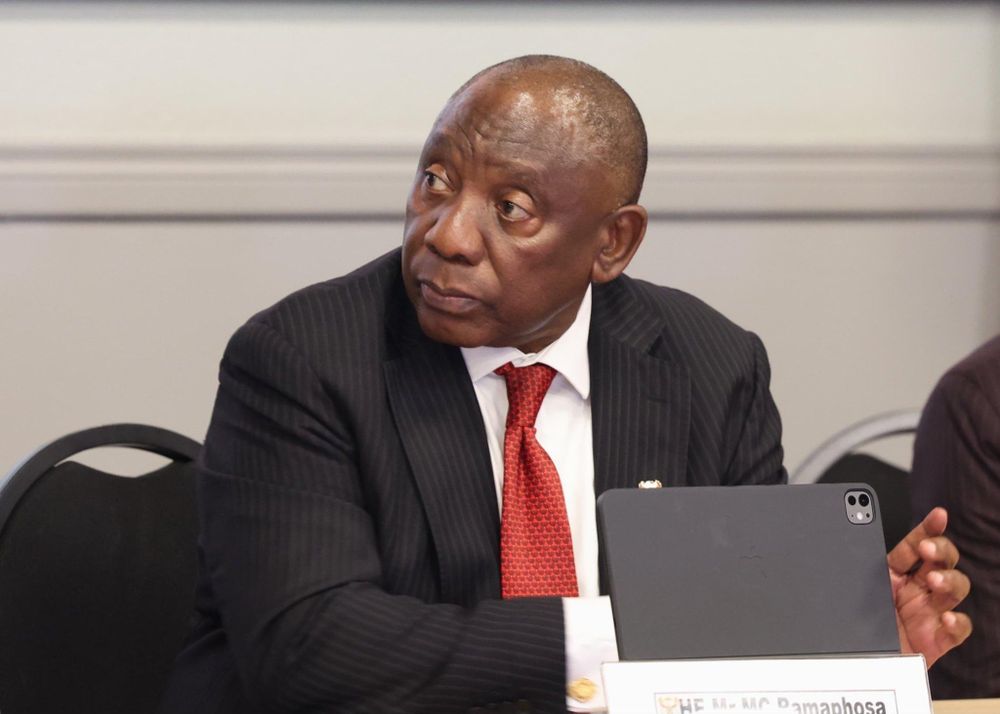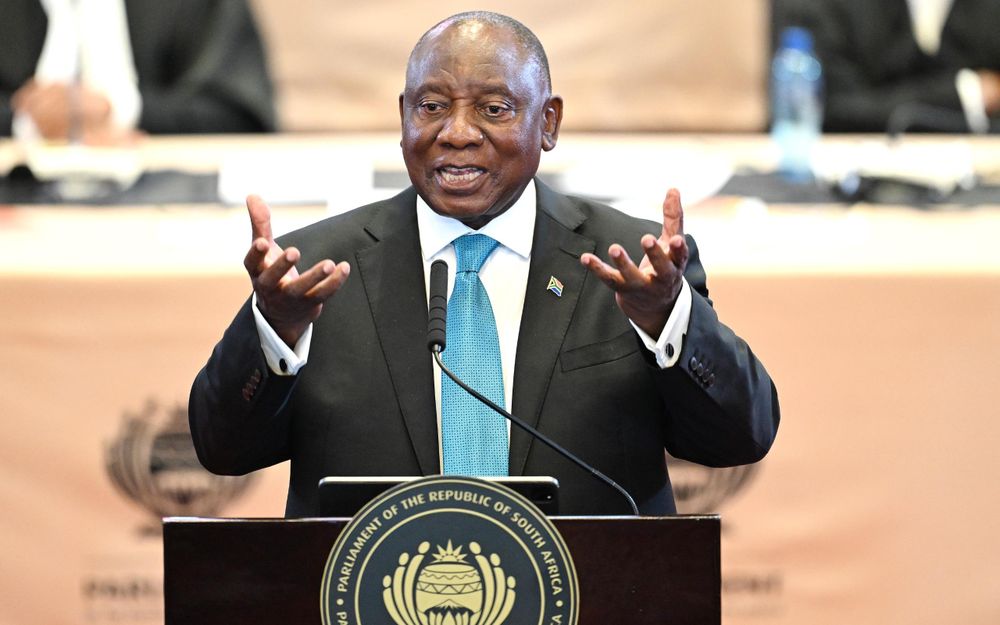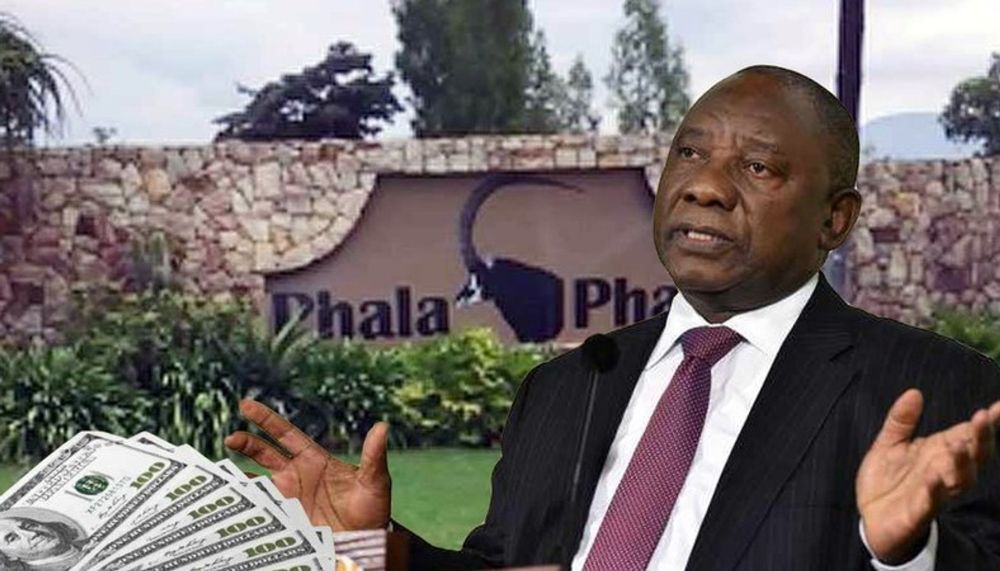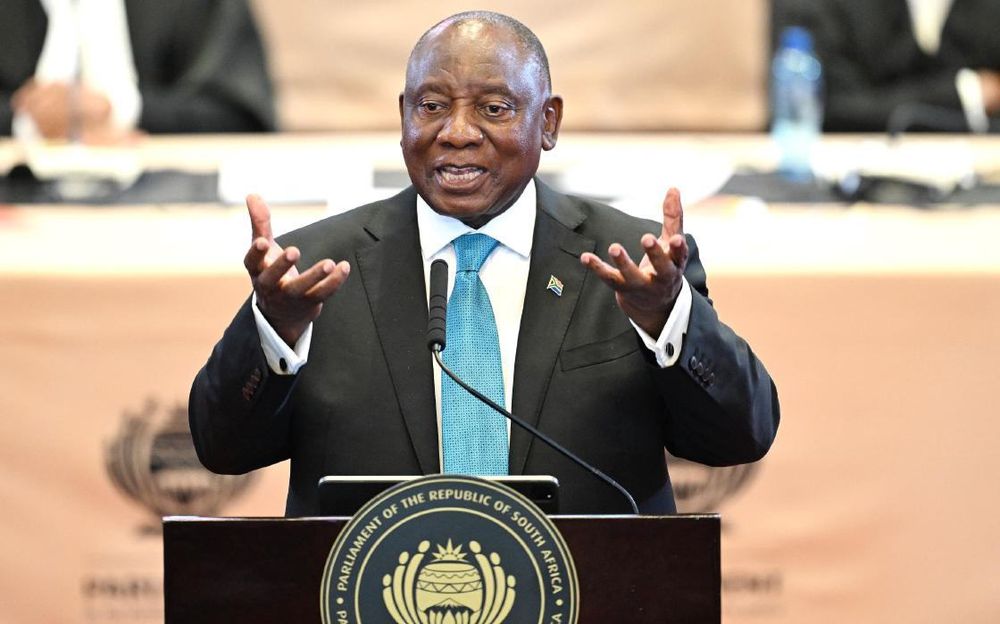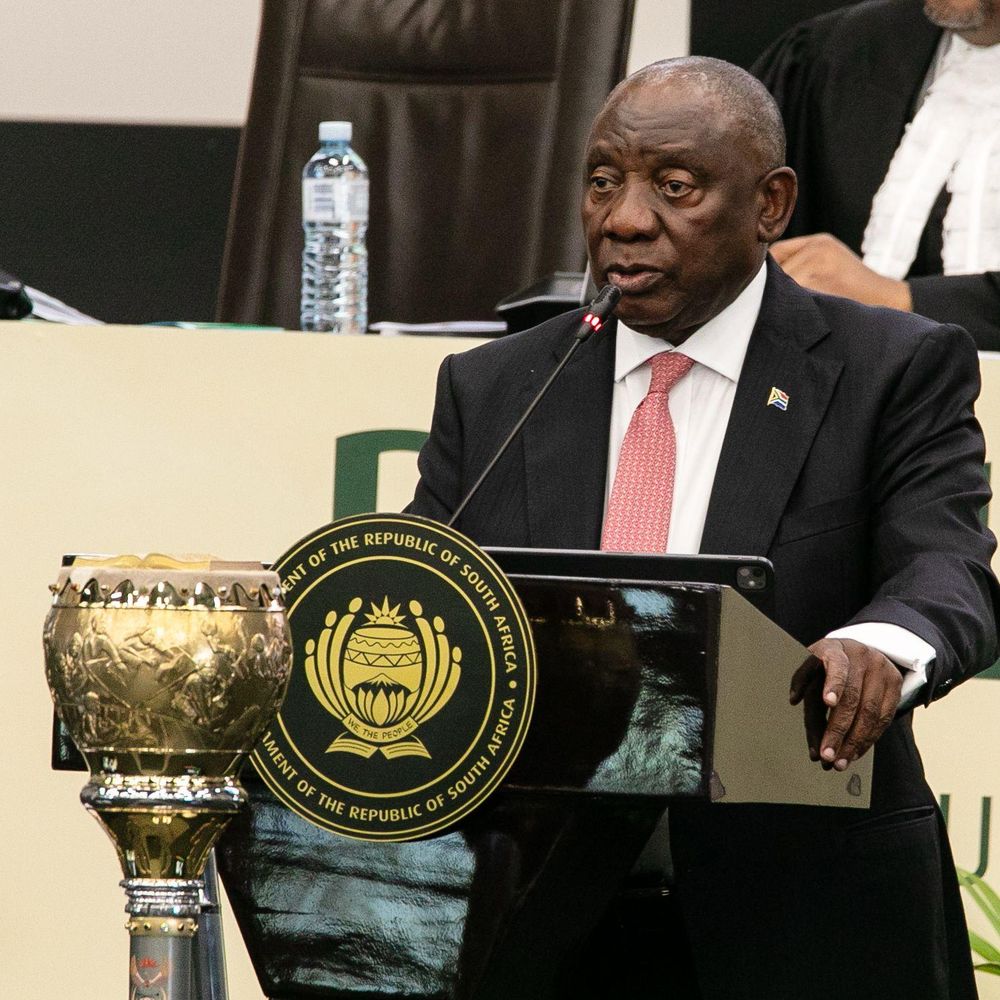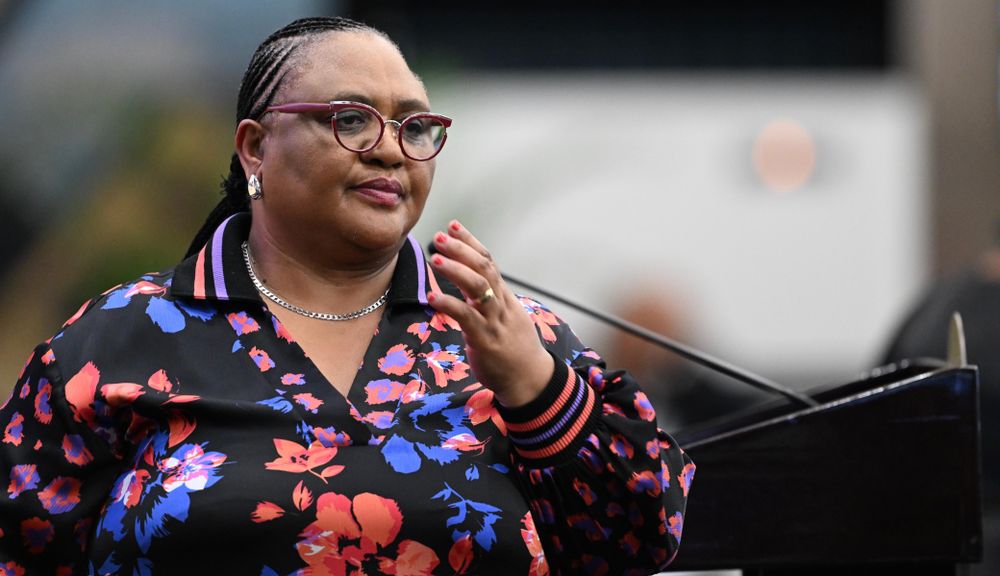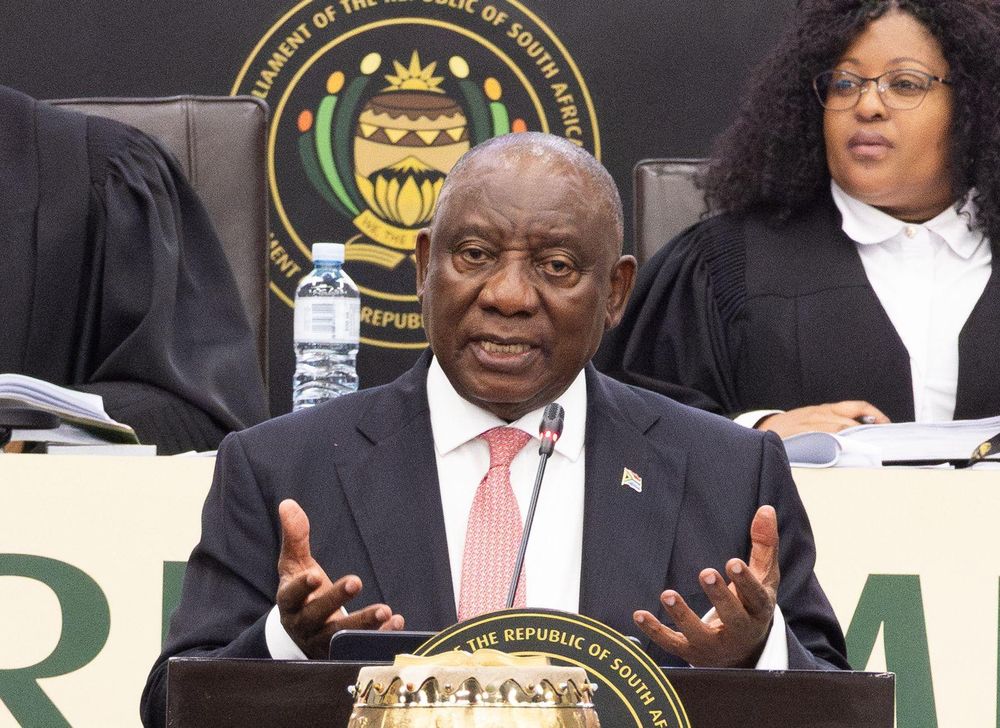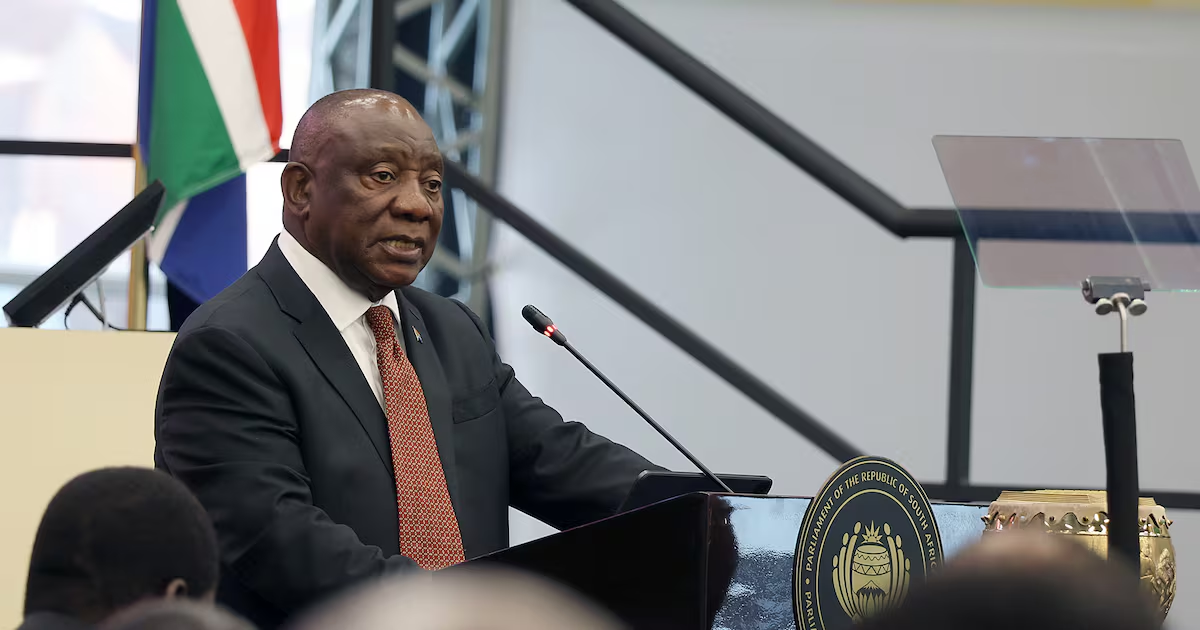
President Cyril Ramaphosa’s presidency budget vote descended into a fierce debate over accountability, crime, immigration and the Phala Phala scandal on Tuesday, with opposition parties using the occasion to question his leadership and the effectiveness of the government of national unity (GNU).Defending his office in parliament, Ramaphosa argued the presidency was not a service delivery department but the “strategic centre” of government responsible for co-ordinating implementation, resolving blockages and ensuring commitments made by government are translated into tangible results.Ramaphosa said the presidency’s three key priorities were driving inclusive growth and job creation, reducing poverty and the cost of living and building a capable, ethical and developmental state. He defended the institution’s budget by arguing its resources were directed towards long-term planning, policy co-ordination, performance monitoring and implementation oversight rather than frontline service delivery.He highlighted improvements in the economy, citing Moody’s decision to raise South Africa’s outlook from stable to positive and S&P’s upgrade six months earlier, more than R890bn in investment pledges secured at this year’s SA Investment Conference, the end of load-shedding for more than a year and plans for R1-trillion in infrastructure spending over the next three years.The president pointed to improvements at Eskom and Transnet, saying railway and port performance was improving and helping ease bottlenecks in mining, agriculture and manufacturing. He also mentioned an 11% increase in agricultural export earnings in the first quarter, record tourism arrivals of 10.5-million visitors last year and plans to transfer title deeds to beneficiaries farming on state-owned agricultural land.Ramaphosa warned, however, the escalating conflict involving Iran, Israel and the US could undermine South Africa’s economic recovery by driving up oil and fertiliser prices and slowing economic growth.He acknowledged concern over the latest employment figures, which showed a decline in jobs despite improvements in investment and business confidence.The president outlined government’s plans to tackle crime and corruption, saying law enforcement agencies had recovered more than R17bn linked to state capture investigations and 80% of the recommendations arising from the state capture commission implementation plan were complete, substantially complete or on track. He also stressed the work of the Madlanga commission, efforts to combat gender-based violence, plans to crack down on illegal immigration, the establishment of the National Water Crisis Committee and the expansion of the National Youth Service to create 100,000 opportunities for young people.However, parties used the debate to argue government was failing to convert plans and policies into meaningful improvements in the lives of South Africans.ANC chief whip Mdumiseni Ntuli backed the budget, describing the presidency as the centre of strategic leadership in the democratic state and defending constitutional democracy and government’s reform agenda.Ntuli said the Constitution was not an obstacle to transformation but rather the instrument through which social and economic justice could be achieved.“The Constitution is not a brake for transformation. It is the mandate for transformation,” he said.Justice The DA focused its criticism on crime and the criminal justice system.DA MP and parliamentary leader George Michalakis said the state was failing in its most fundamental responsibility of protecting citizens and argued the criminal justice system was breaking down at every stage.“On average, 58 South Africans lose their lives every day to violence,” said Michalakis.“The result is a criminal justice chain that is breaking at every link from investigation to prosecution, to incarceration and ultimately to rehabilitation.”Michalakis called for greater powers to be devolved to capable provinces and metropolitan governments to help combat crime.Several parties centred their contributions on the Phala Phala scandal and the newly established impeachment committee.Rise Mzansi MP Makashule Gana, who was recently elected chairperson of the impeachment committee, said parliament’s process would continue unless prevented by law.“While it is within your rights to take the Section 89 Independent Panel Report under judicial review, this house must be clear: the committee will proceed with its work unless the law says otherwise,” said Gana.He said Ramaphosa should be prepared to appear before the committee if called on to do so. Gana urged government to confront corruption at home affairs and South Africa’s borders and called for greater urgency in fixing local government and addressing the cost-of-living crisis.Build One South Africa leader Mmusi Maimane said the country needed “a president focused on South Africa’s problems, not one distracted by his own”.Maimane said Ramaphosa should allow the parliamentary impeachment process to proceed without delay and argued taxpayers should not fund litigation related to the president’s private affairs.ACDP leader Kenneth Meshoe also focused on Phala Phala, saying the matter continued to cast a shadow over the presidency.Meshoe questioned who had brought the money to Ramaphosa’s farm and why it had allegedly been hidden in a sofa.FF Plus leader Corné Mulder similarly urged Ramaphosa to deal with the matter decisively.“This issue does have the potential to taint your legacy and paralyse the remaining almost three years of your presidency,” Mulder said.Mulder called for a reset in relations with the US and proposed a major economic partnership centred on critical minerals, investment and trade.Immigration Immigration emerged as another major point of contention during the debate.Ramaphosa had earlier announced government was intensifying workplace inspections, prosecuting employers who break labour laws, strengthening border security and cracking down on illegal immigration.Patriotic Alliance MP Marlon Daniels welcomed the tougher approach, saying there was nothing wrong with enforcing immigration laws against undocumented foreigners. Daniels praised the recent improvement in SA’s ratings outlook and said the presidency required even greater resources given its responsibilities.UDM deputy president Nqabayomzi Kwankwa also supported stronger enforcement of immigration laws, arguing South Africa should not be expected to carry the burden of irregular migration without reciprocal support from other African states.He said support for African solidarity should not come at the expense of South Africans, and criticised what he described as one-sided expectations placed on South Africa by other countries on the continent.Kwankwa and ANC MPs warned against xenophobia and vigilantism.ActionSA MP Athol Trollip accused government of failing to translate plans into results and criticised what he described as weak oversight and poor implementation.“South Africans cannot eat co-ordination or drink oversight and cannot find jobs in strategy documents,” he said.Trollip criticised the presidency over lifestyle audits, unemployment, municipal failures and what he described as declining trust in Chapter 9 institutions.The EFF rejected the budget outright, with MP Nazier Paulsen accusing the presidency of poor planning and policy contradictions. Paulsen said inconsistencies between the presidency’s planning documents raised questions about governance and implementation, while criticising Ramaphosa for failing to implement parliament’s resolution regarding Israel.MK Party MP Khanyisile Litchfield-Tshabalala attacked government’s economic policies, arguing its commitment to market-led reforms and foreign investment would not solve unemployment or drive meaningful industrialisation. She blamed trade liberalisation and what she termed neoliberal economic policies for the decline of manufacturing industries and rising unemployment.ATM leader Vuyolwethu Zungula criticised government spending patterns, saying procurement continued to favour established companies while failing to support local manufacturing and job creation. He said Ramaphosa owed South Africans answers on Phala Phala given the significance of the office he occupies.
Phala Phala scandal overshadows presidency budget vote
Cyril Ramaphosa defends presidency as government’s strategic centre
1,158 words~5 min read