(Image credit: Shutterstock)
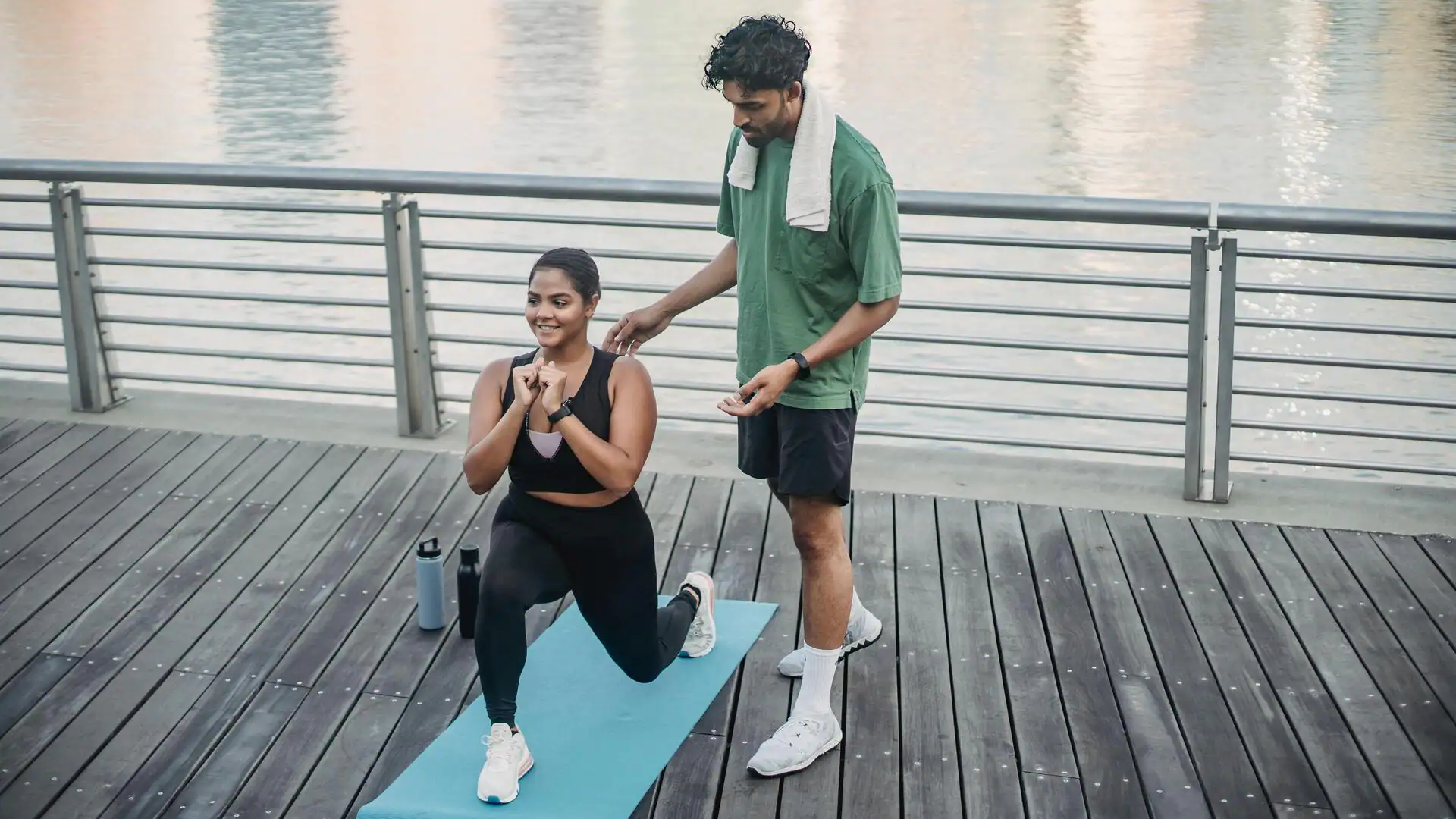
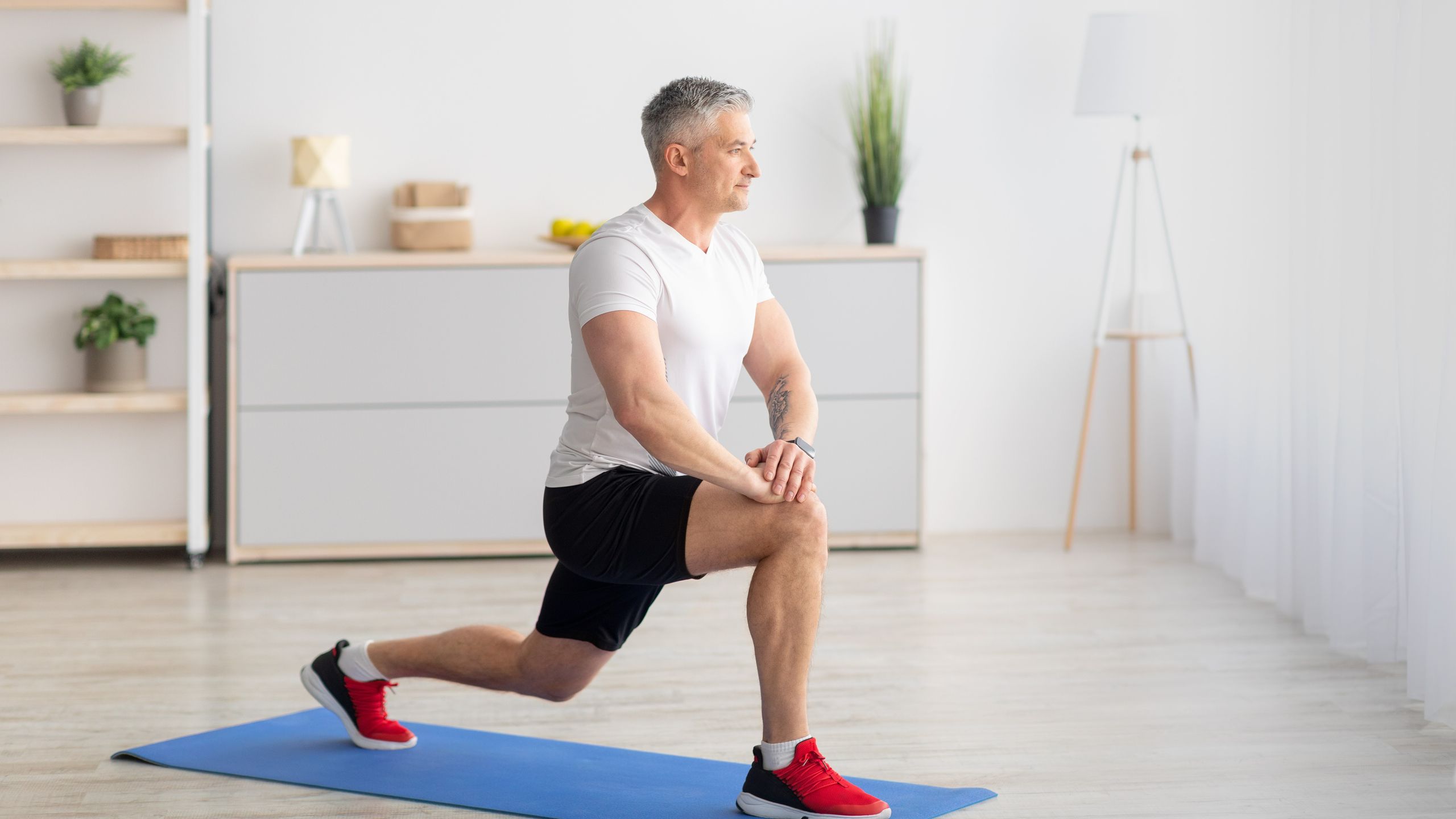
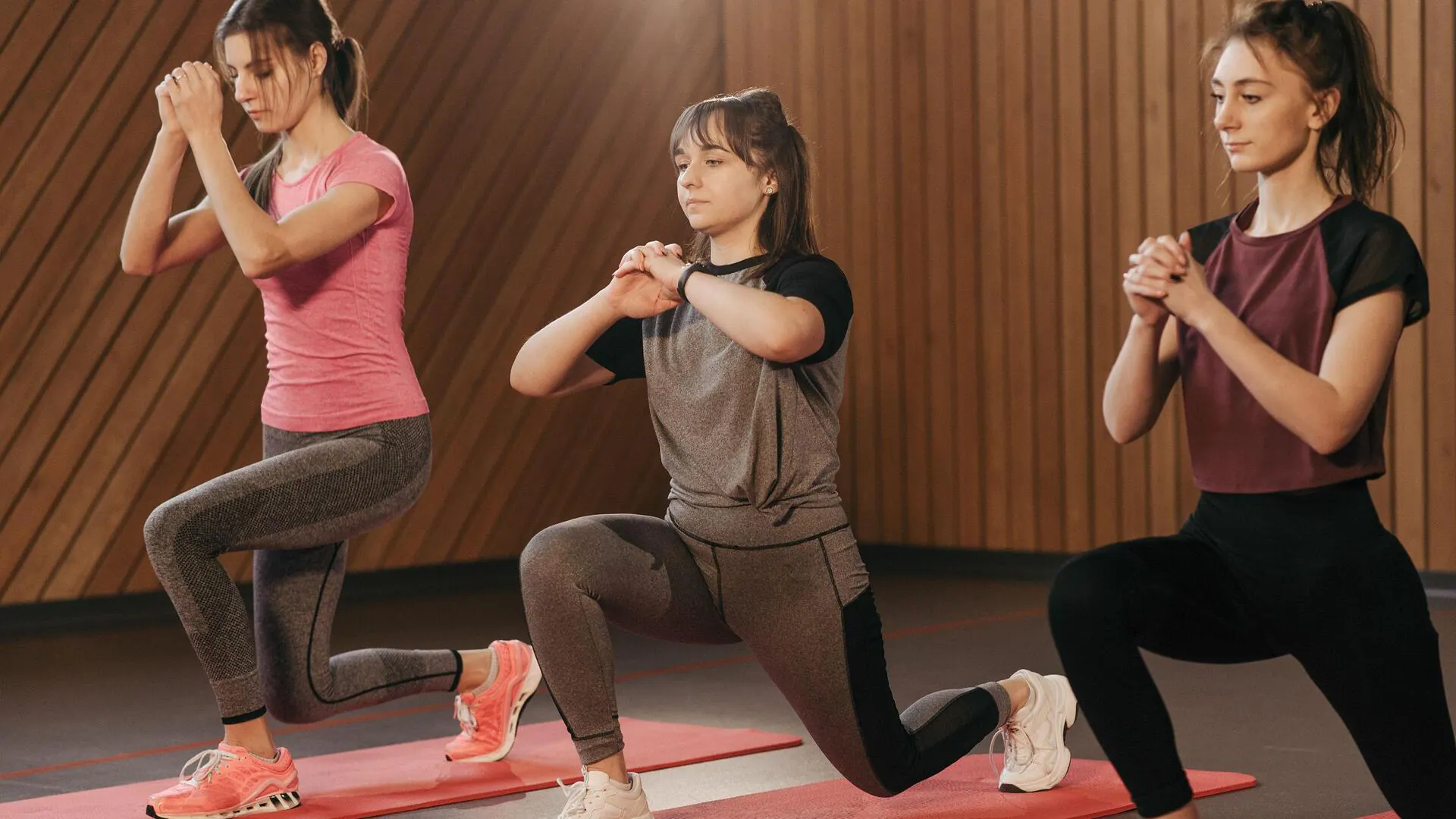
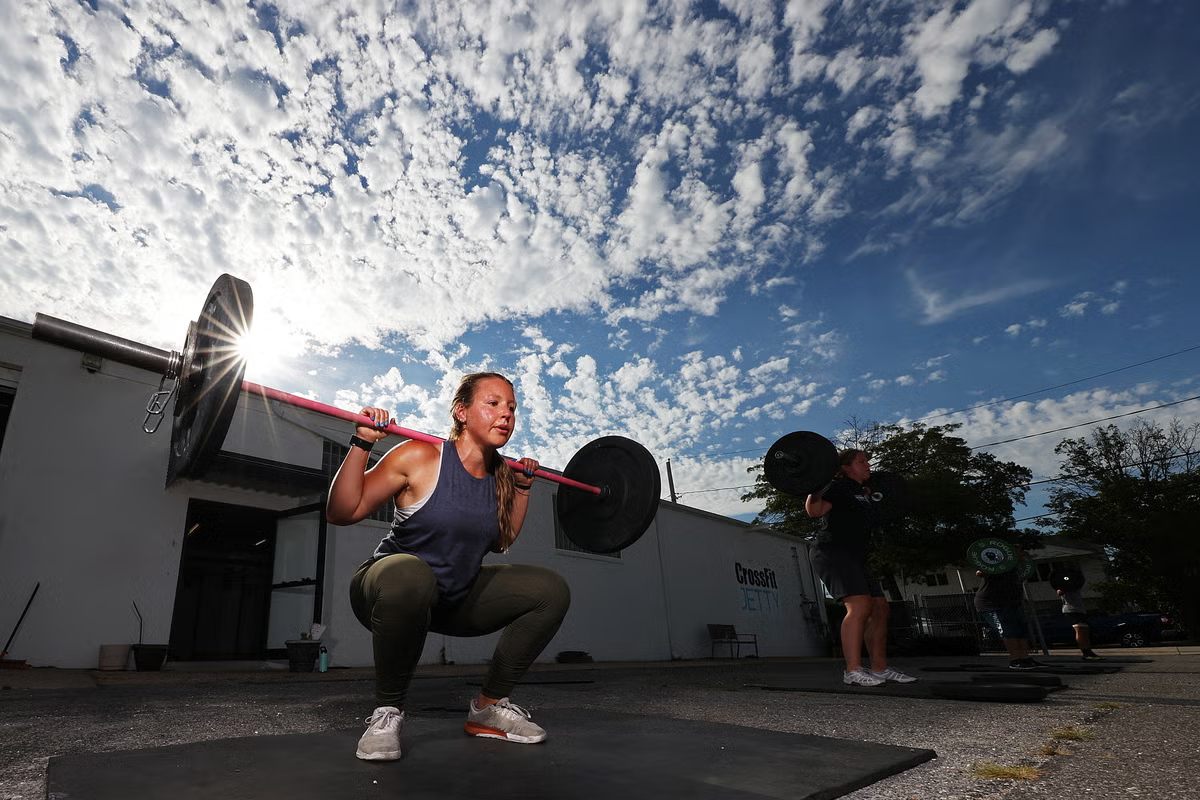
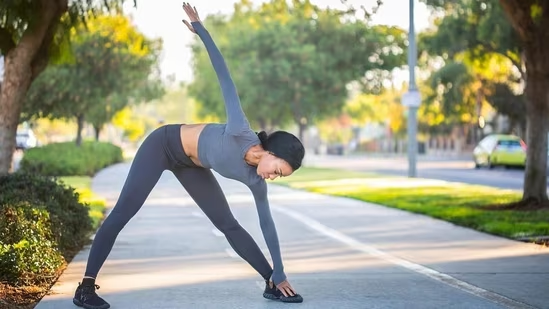
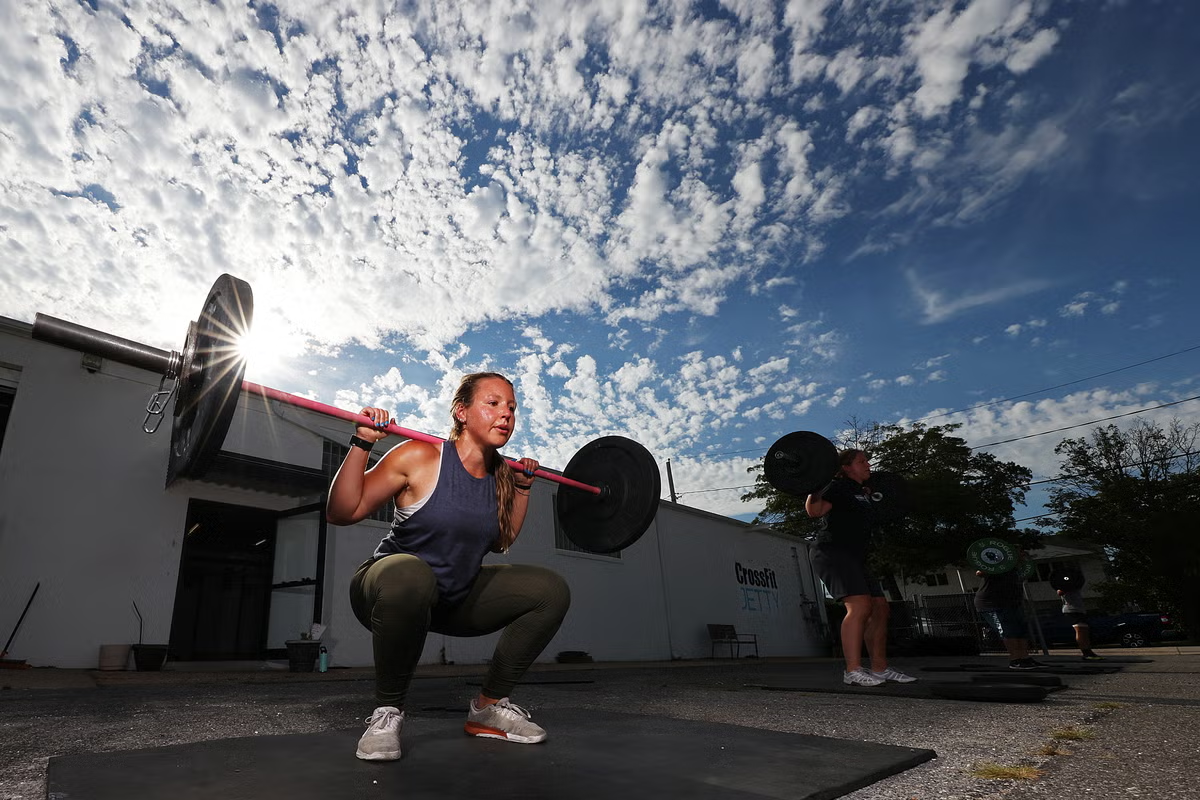
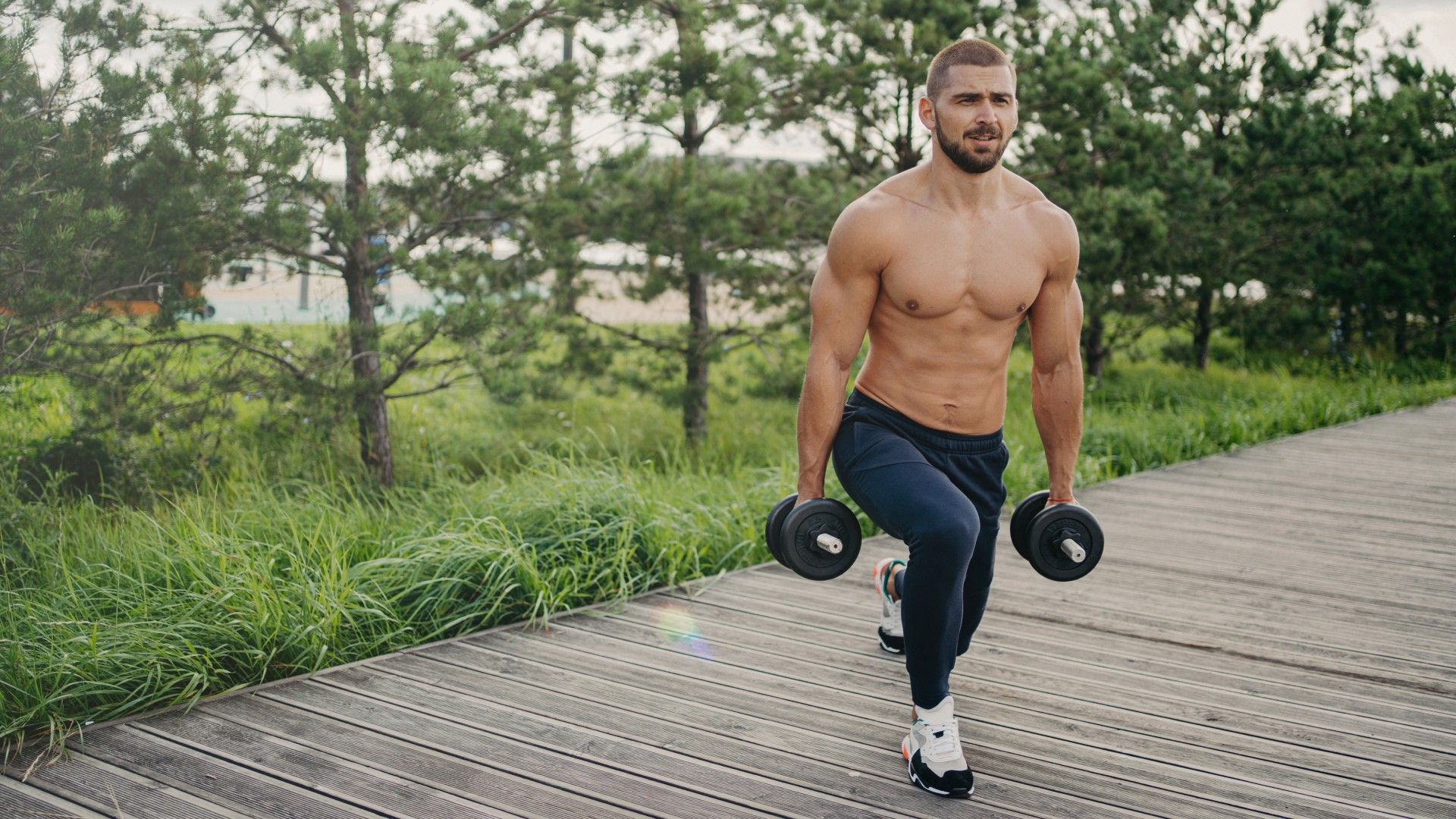
I’m so bored of seeing lunges forced on people who don't like them — yes, they build stronger lower-body muscles and joints, but are they hands down the best exercise for leg strength? Not for everyone.Reverse lunges are the standard variation most people will try if walking lunges or front lunges don't work for their knees, but what if lunges are just off the table altogether?Whenever I’m asked what exercises clients should be doing to strengthen their legs, I say three things, and only one of them accounts for the actual exercises: consistency, progression, and compound exercises.Here are three beginner-friendly, effective weightlifting exercises that will build a strong set of legs, improve joint stability, and even work on your core strength and balance.Are lunges bad for you?
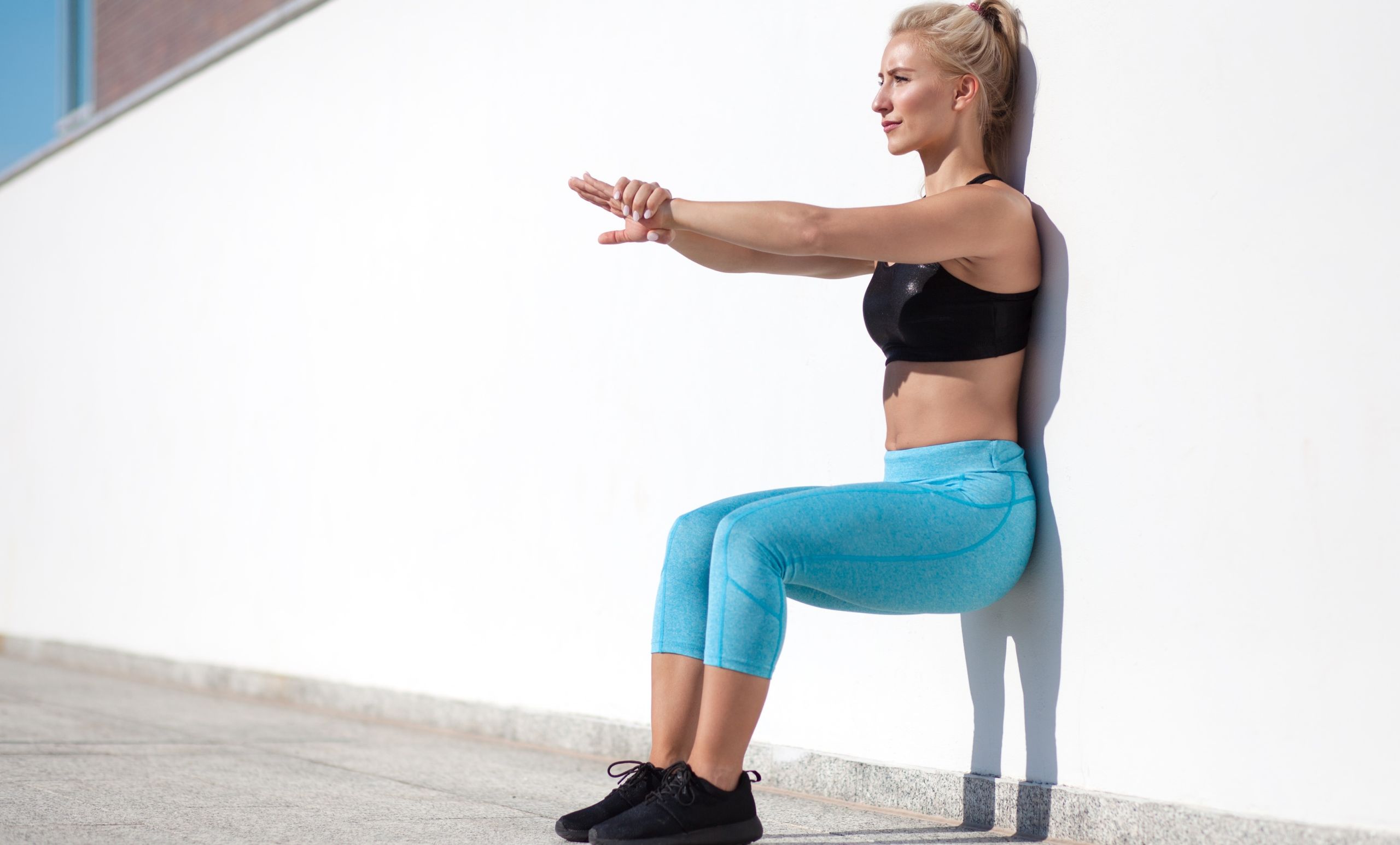
(Image credit: Shutterstock)Lunges aren't "bad"; they just don't suit everyone's bodies. If you're working with a health condition or injury, or your form isn't quite there, lunges can be painful, but there are plenty of lunge variations you can try or complete alternatives if those don't feel good for you.While lunges, especially loaded lunges, are great additions to any strength program, the first thing you should think about is building a sustainable program that includes big, powerful lifts performed consistently and with progressive overload. If lunges don't make the cut, I promise you, it won't stop you from getting results.The three lower-body exercises below help your body recruit and coordinate as one, balanced unit, and also target other muscle groups, like your hips and core. They are functional, effective, and efficient, so who needs lunges?Get instant access to breaking news, the hottest reviews, great deals and helpful tips.It's worth a reminder that just because these are standard lunge alternatives, it doesn't mean these will suit you. If you experience pain, are pregnant or post-natal, working with an injury or health condition, or are returning to workouts from time away, please consult a relevant qualified professional before proceeding.What are the exercises for a strong lower body?Below, I showcase three moves you can try that might feel less impactful on your knees, plus how to do them. Try 3-4 sets and 8-10 reps per side per move.Static split squats: Start with your left foot forward and right foot back, as if about to perform a lunge. Perform with your bodyweight or rack a weight to your chest or shoulder. Engage your core. Slightly hinge forward at your hips, bend your back knee, and lower it to lightly tap the ground. Pause, then drive up through your legs to stand. Remember to switch sides.Staggered RDL: Stand with your feet hip-width apart and hold a weight in your right hand, then step your right foot back so that your right toes roughly align with your left heel. Rest on the ball of your right foot, like a kickstand. Engage your core. Hinge forward at the hips, softly bend the knees, then lower the weight toward the ground, keeping your back straight and gaze slightly ahead. Pause, then drive up to stand. Remember to switch sides.Bulgarian split squat: Stand in front of a bench, stable chair, or similar with feet hip-width apart. Step your right foot onto it, resting on the top of the foot. Your left foot should be planted down in front. Engage your core. Perform bodyweight, with a weight to your chest, or a weight on your shoulder. Hinge at the hips, bend your back knee, and lower it toward the chair in a sweeping or arcing motion (not vertically down). Pause, then drive up to stand. Remember to switch sides.These moves target your quads, hips, core, glutes, hamstrings, and, to some degree, your calves, while strengthening your joints and bones under load. For many, the stepping motion of a lunge hurts the knees, so this takes away that motion. You still use a unilateral (single-sided) exercise (great for balance and equal strengthening), without sacrificing stability and overall control.I love using Bulgarian split squats for glute development. This exercise gets a lot of debate at the moment, as people argue over what the move targets and how the back leg should travel.I've always been taught you should aim for a sweeping or arcing motion with the back knee toward your bench rather than moving vertically; if you follow this, still keep much of the weight in your front standing leg and slightly hinge at the hips to work the gluteus muscles harder.These moves target your quads, hips, core, glutes, hamstrings, and, to some degree, your calves, while strengthening your joints and bones under load.Regular split squats are slightly more beginner-friendly if you find elevating your foot too challenging in terms of balance and stability. With both feet on the ground, you can focus on the exercise with a little more control.However, as you lower your back knee, try to enforce that hip hinge I mention above; this will help you target the glutes more.Single-leg RDLs are another popular choice to replace lunges, though they focus on strengthening the muscles along the back of the body known as the posterior chain, like the muscles in your back, glutes and hamstrings, as well as your hips. If you hold a weight, your arms and core will usually work harder, and this will test control and stability if you load on one side at a time.The Romanian deadlift is performed with a soft but locked knee bend, so it's more hamstring-dominant than other variations. But whichever you choose to use, this exercise builds functional strength in your lower body and core.Who needs lunges to build stronger legs?