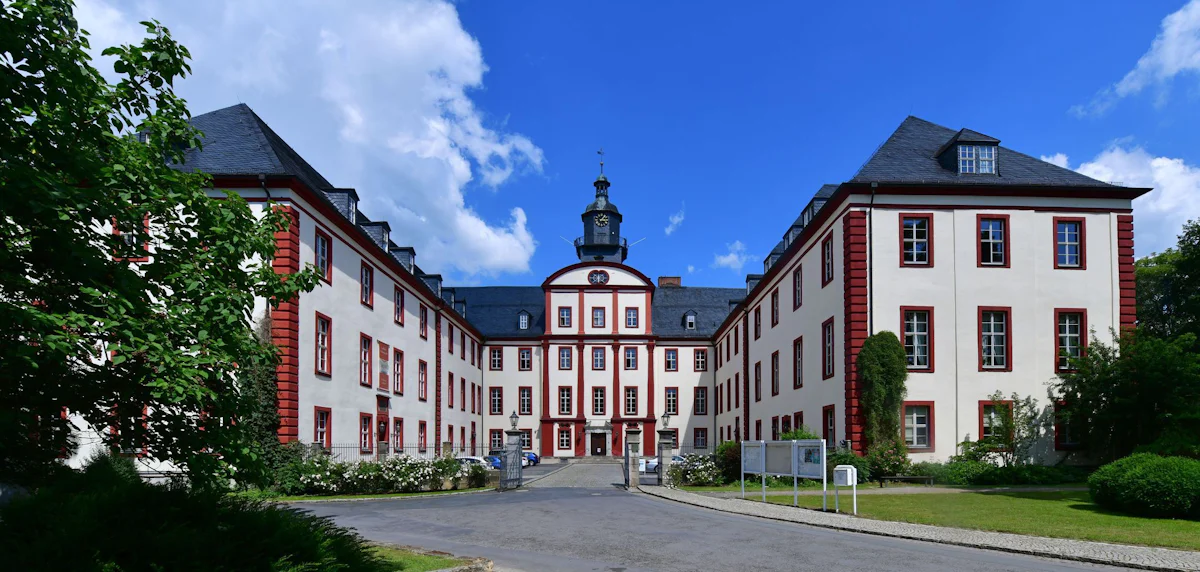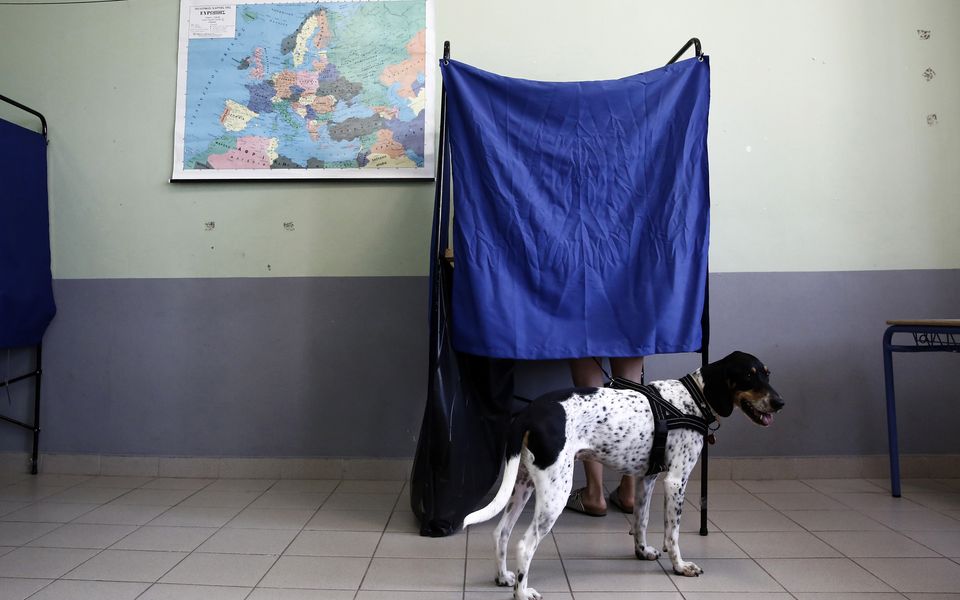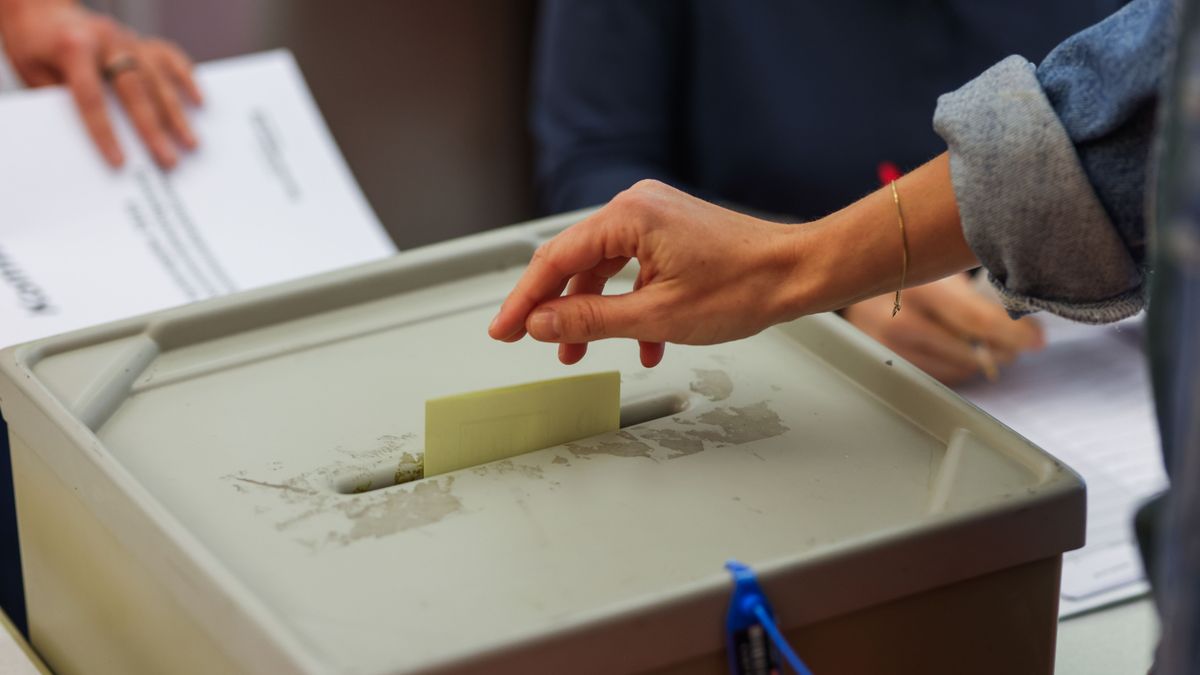
The National Assembly building in Seoul, South Korea. (The Korea Herald DB) South Korean voters headed to the polls Wednesday not only to choose local leaders, but also to fill 14 vacant seats in the National Assembly, with the contests carrying varying stakes for the rival parties.The by-elections were triggered by a combination of resignations and court rulings.One vacancy was created after President Lee Jae Myung took office. Three others resulted from court decisions that invalidated election results or stripped lawmakers of their eligibility to hold office.The remaining vacancies were created after lawmakers stepped down to run in local elections. Of the 14 constituencies up for grabs, 13 were previously held by Democratic Party of Korea lawmakers.The elections are unlikely to significantly alter the balance of power in the National Assembly, where the Democratic Party currently holds 152 seats and the main opposition People Power Party has 106.The Democratic Party has fielded a mix of former lawmakers, former presidential aides and local political figures.Observers say the party's decision to move incumbent lawmakers into local races reflects an effort to expand the Lee administration's influence at the local level, while strengthening coordination between the central and local governments.For the main opposition People Power Party, the elections were expected to provide an opportunity to demonstrate its continued electoral strength at a time when the party has struggled in the wake of the impeachment and removal of former President Yoon Suk Yeol over his failed declaration of martial law on Dec. 3, 2024.The party fielded candidates in all 14 races.Heavyweights from outsideSeveral races drew attention because of their high-profile candidates running from outside the two main parties.In Busan's Buk-A district, independent candidate Han Dong-hoon sought to enter the National Assembly for the first time.Han, formerly chief of the People Power Party, was expelled from the party amid allegations he and his family members posted internal messages critical of the party leadership and Yoon.The onetime close ally since emerged as a prominent conservative voice calling for a clear break from the former president. A victory would bolster conservatives seeking an alternative to the People Power Party's mainstream leadership, potentially creating friction between Han-aligned conservatives and the current party leadership under Jang Dong-hyeok, whose rise was backed largely by pro-Yoon supporters.Han's matchup was set with the Democratic Party's Ha Jung-woo, who stepped down as presidential secretary for artificial intelligence and was a Naver executive, and the People Power Party's Park Min-sik.According to the latest poll conducted May 25-27, Han led the race with 39 percent support, followed by Ha at 35 percent and Park at 14 percent.In the Pyeongtaek-B district, Cho Kuk, founder of the minor left-leaning Rebuilding Korea Party, vied for his political comeback.Cho, a former justice minister under former President Moon Jae-in, remains a prominent figure with progressives, but has been criticized over legal controversies involving his family.Given his ties to Moon, Cho's return to the Assembly would renew debate over the balance of influence between factions aligned with President Lee and former President Moon within the liberal bloc.It could also revive discussions about a merger between the Rebuilding Korea Party and Democratic Party.A separate poll showed Cho leading the race with 24 percent support, followed by the Democratic Party's Kim Yong-nam at 22 percent and People Power Party candidate Yoo Eui-dong at 20 percent.Candidates tied to YoonSeveral candidates associated with former President Yoon also attracted attention.Former Korea Communications Commission Chair Lee Jin-sook ran as a People Power Party candidate in Daegu, while former acting KCC Chair Kim Tae-gyu entered the race for Ulsan Nam-A as the party's candidate, both in constituencies considered conservative strongholds.Lee and Kim served in the Yoon administration and publicly defended the former president during impeachment proceedings.Their races have been deemed as indicators of how voters view the People Power Party as it seeks to distance itself from the disgraced president, moving to broaden its appeal to moderate voters.A recent poll showed Lee holding 48.5 percent support against Democratic Party candidate Park Hyung-ryong's 41.7 percent in Daegu.Kim faced a much tighter race in Ulsan.A separate poll showed Democratic Party candidate Jeon Tae-jin at 38 percent and Kim at 38.3 percent, well within the margin of error.
By-elections for 14 Assembly seats held alongside local elections
South Korean voters headed to the polls Wednesday not only to choose local leaders, but also to fill 14 vacant seats in the National Assembly, with the contests
698 words~3 min read