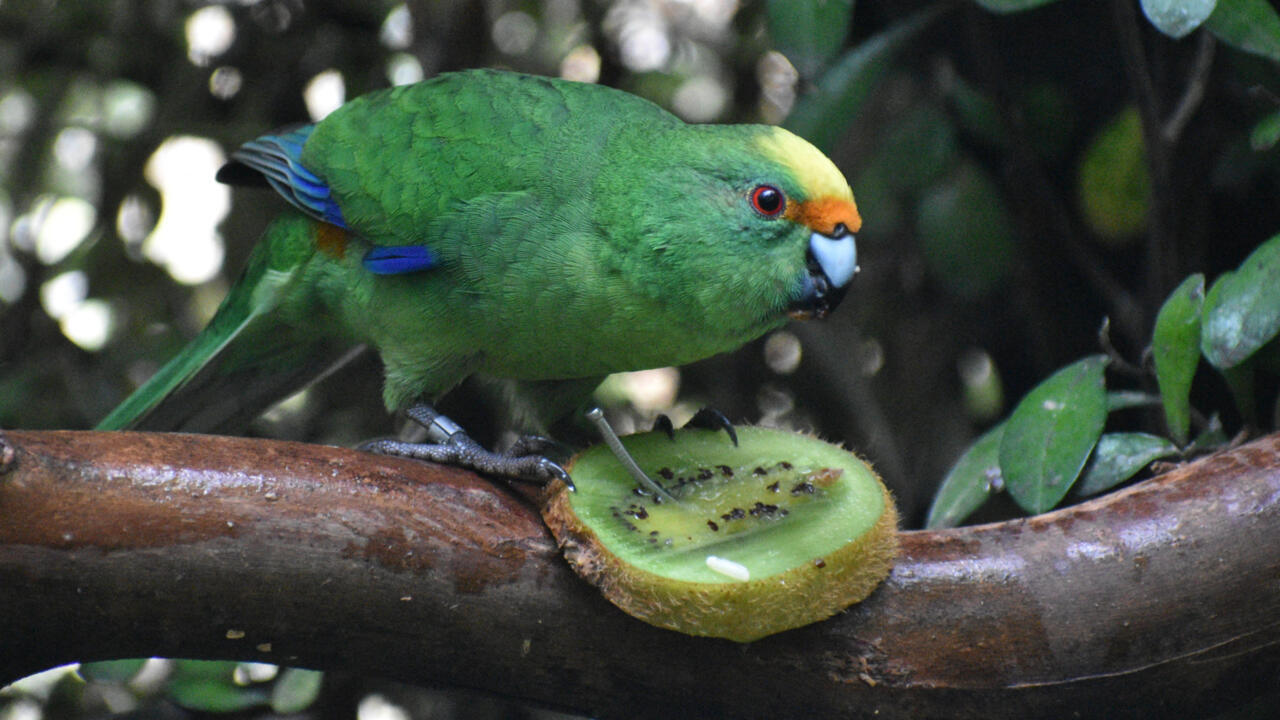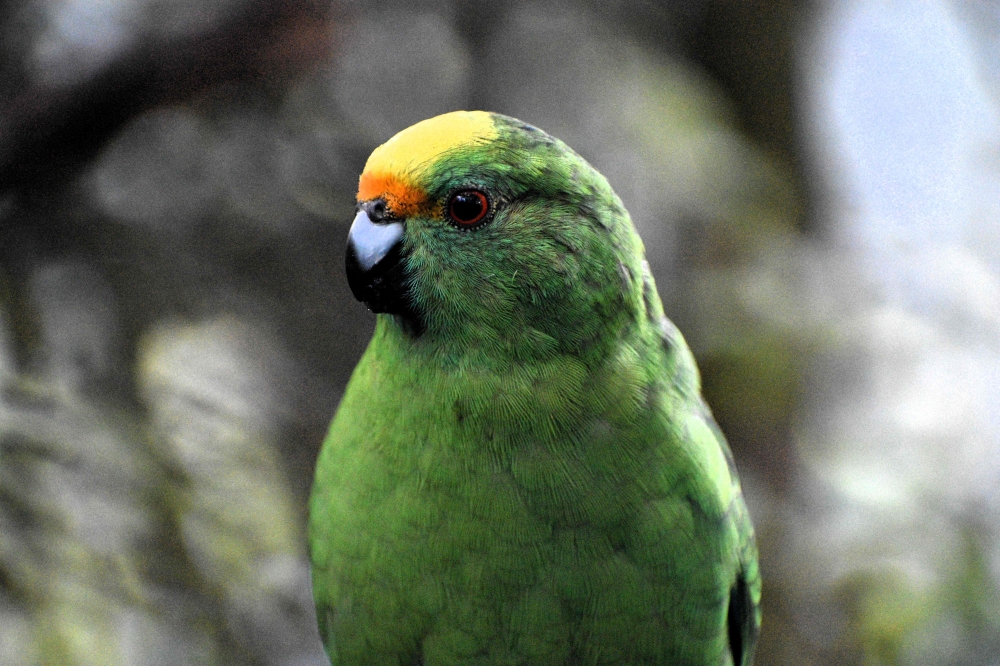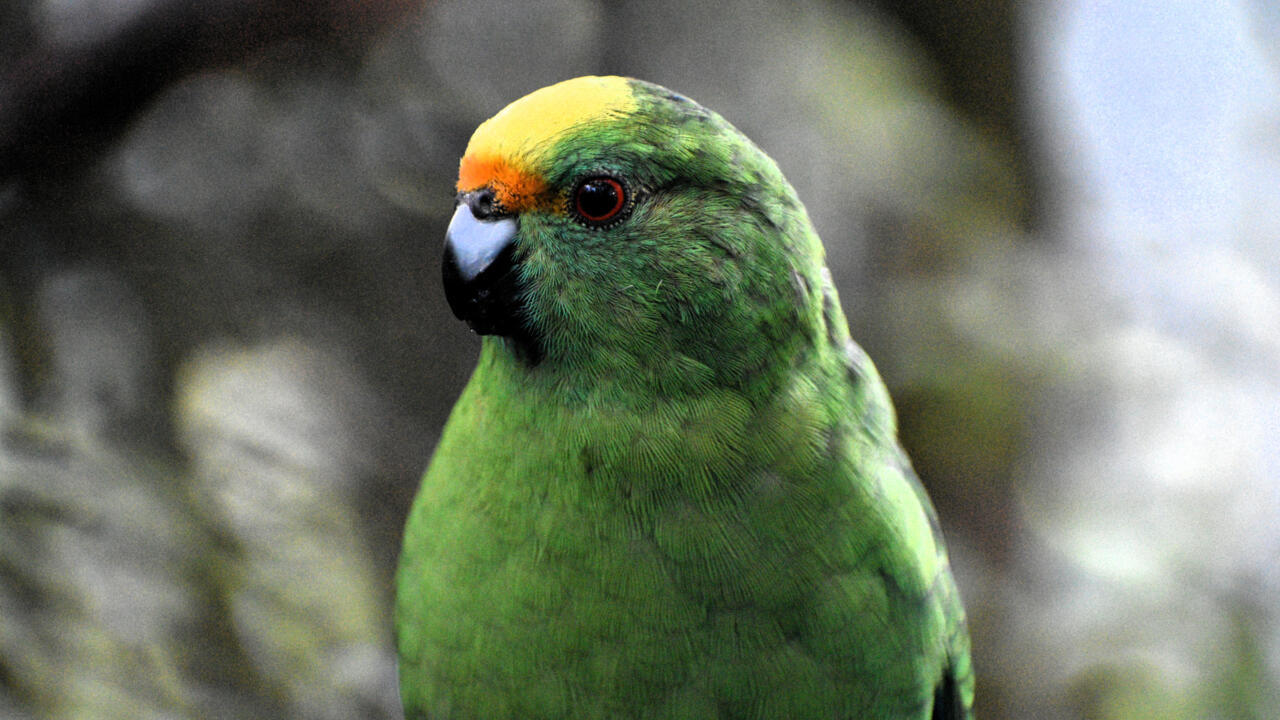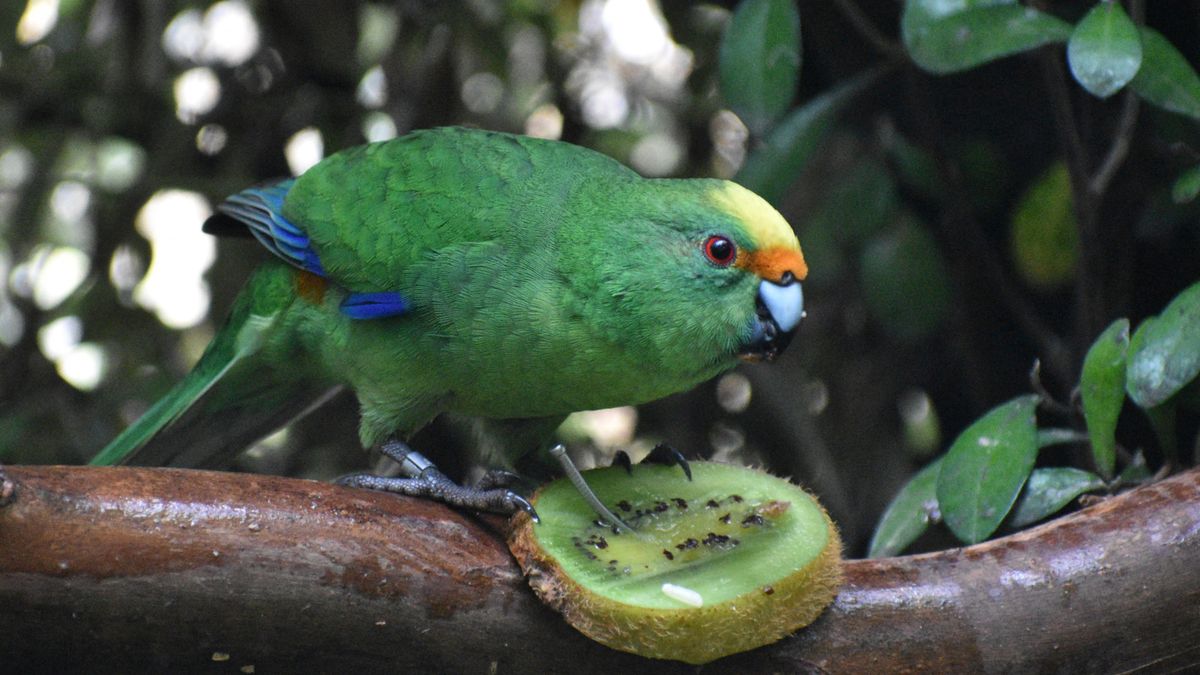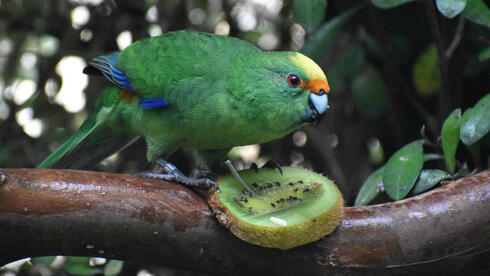
Too busy breeding to go extinct: Nacho and Trixie have produced 55 chicks in two years, helping bring New Zealand’s critically endangered kākāriki parrot back from the brinkA breeding pair of one of the world’s rarest parrots has helped boost the population of the critically endangered orange-fronted parakeet, conservationists in New Zealand say.The orange-fronted parakeet, known in the Māori language as kākāriki karaka, is one of the world’s rarest and most threatened parakeet species. Once declared extinct twice before being rediscovered, the species has seen a significant population increase thanks in part to a captive breeding program.2 View gallery Nacho, the New Zealand kākāriki parrot that, together with Trixie, helped produce 55 chicks over the past two years — more than 10% of the total population of the critically endangered species (Photo: Leigh Percasky/The Isaac Conservation and Wildlife Trust)At the center of that effort are Nacho and Trixie, a breeding pair that conservationists say are responsible for more than 10% of the species’ total population.Since 2024, the pair has produced 55 chicks, including 33 this year alone.About 450 orange-fronted parakeets currently exist in the wild, primarily in predator-free reserves and offshore islands.Nacho and Trixie were paired in 2024 at the Isaac Conservation and Wildlife Trust in Christchurch, the largest city on New Zealand’s South Island.Wildlife keeper Leigh Percasky praised Trixie, whom he described as a “super mom.”Although the breeding season has ended, Trixie continues to lay eggs and raise chicks. “Ideally, we'd prefer her to stop so she can have a rest, but she shows no signs of that with another seven chicks in her most recent clutch,” Percasky said.He said Nacho also deserves recognition for his role in raising the chicks. “He's responsible for finding food for both Trixie and the chicks, which is incredibly busy,” Percasky said.Trixie herself hatched from an egg laid by a wild breeding pair and is considered an exceptionally healthy and robust bird. Together, she and Nacho have produced chicks that conservationists say are larger than average.2 View gallery Two of Nacho and Trixie's chicks (Photo: Leigh Percasky/The Isaac Conservation and Wildlife Trust)Many of their offspring have been transferred to other locations to help establish and strengthen populations of New Zealand’s smallest and rarest parrot in protected coastal habitats and other sites in the wild.The recovery program focuses on monitoring and protecting populations of the birds, which are identified by the distinctive orange band above their beaks.Conservation efforts include captive breeding, releases into the wild, scientific research and the identification of new predator-free habitats suitable for reintroduction.In Māori, kākāriki means “small parrot,” while karaka refers to the bird’s orange coloration.Wayne Beggs, head of the species recovery program, said the bird would likely have gone extinct without intensive conservation efforts, and that breeding pairs such as Nacho and Trixie are helping ensure its survival.“We rely on the captive breeding programs as without them we couldn't establish new sites. The wild populations are very vulnerable to predators, so we always need backup populations,” Beggs said. “There is an enormous amount of hands-on work carried out by conservation staff raising these chicks,” he added.Percasky said Nacho and Trixie had made a "massive contribution" to the survival of their species, but he wants the love birds to "have a well-earned break" after their latest clutch. "I'm not sure where they get all their energy from."
Lovebirds on a mission: meet the power couple saving New Zealand’s rarest parakeet
Too busy breeding to go extinct: Nacho and Trixie have produced 55 chicks in two years, helping bring New Zealand’s critically endangered kākāriki parrot back from the brink
557 words~3 min read