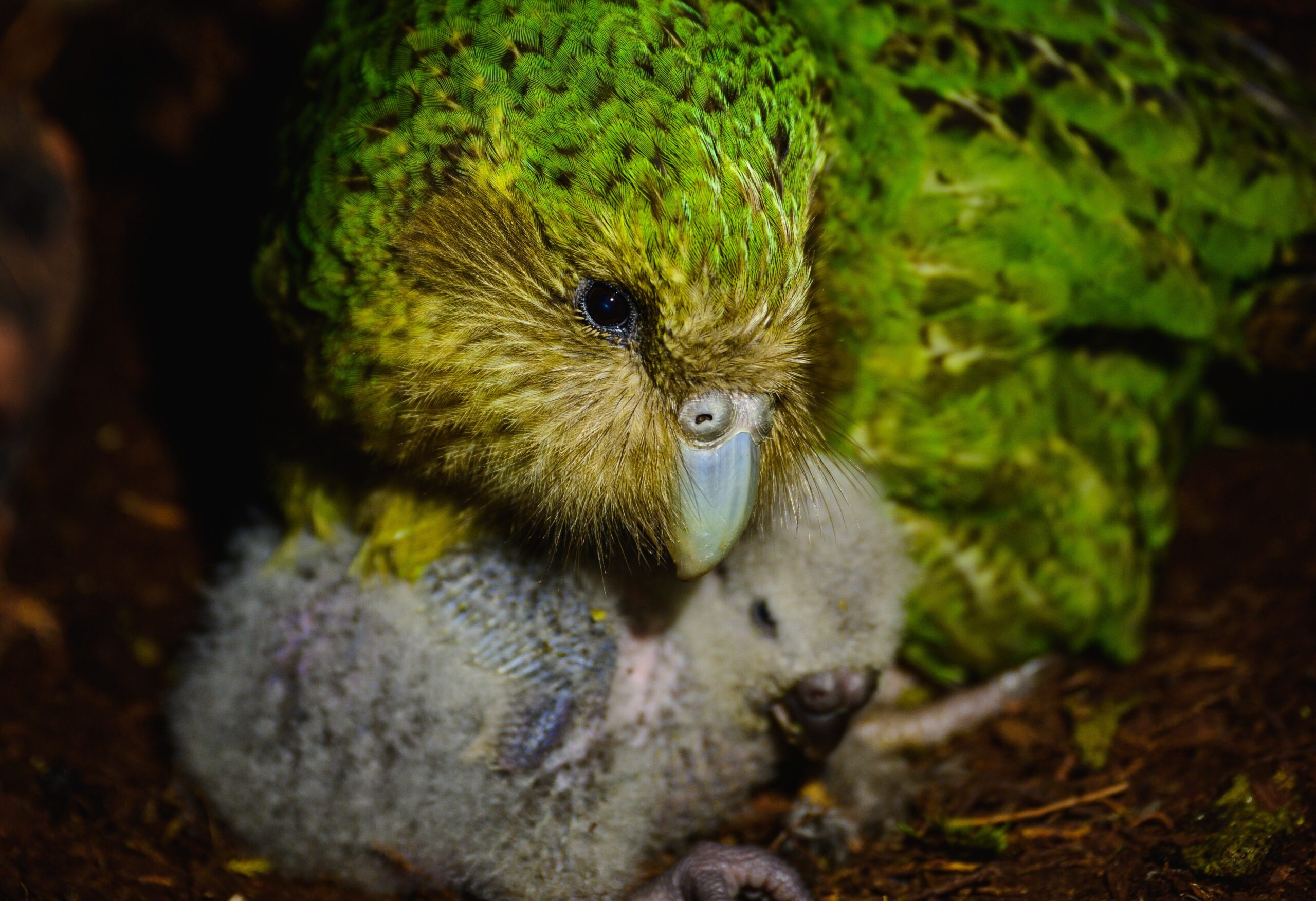
After a four-year wait, the abundant fruiting of the rimu tree could inspire the world’s heaviest parrots to boost their population
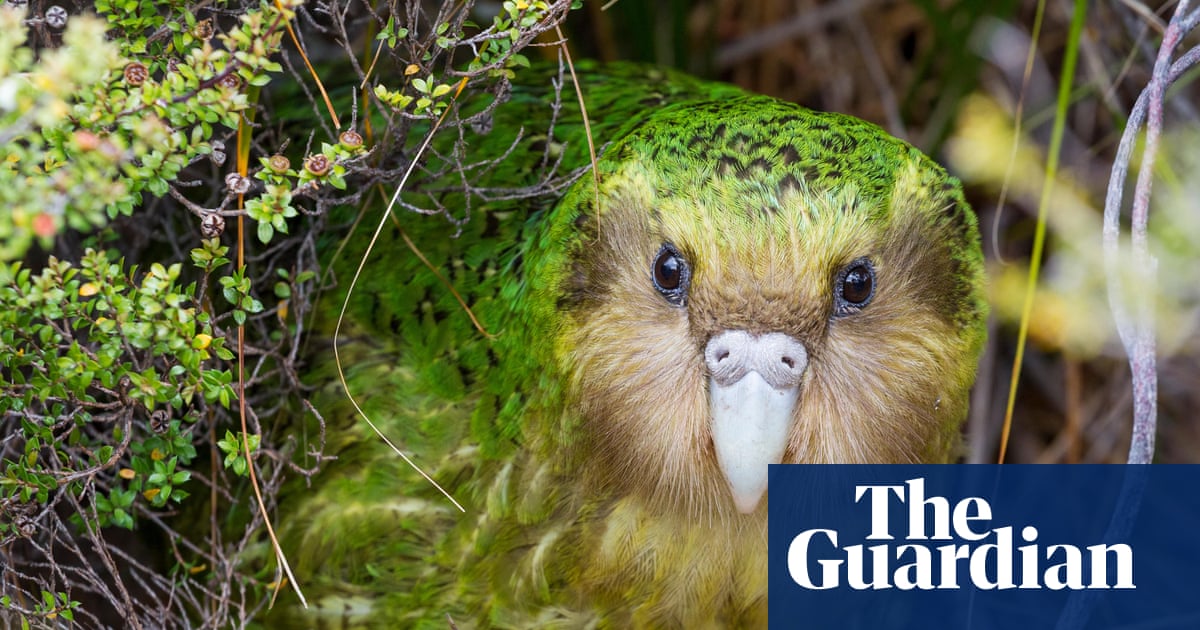
It has been four long years, but the world’s heaviest parrots, the kākāpō, are finally about to get it on again. The mass fruiting of a native New Zealand tree has triggered breeding season – a rare event conservationists hope will lead to a record number of chicks for the critically endangered bird.
Kākāpō, the world’s only nocturnal and flightless parrot, were once abundant across New Zealand. But their population plummeted after the introduction of predators such as cats and stoats, and by the 1900s they were nearly extinct.
A recovery programme established in 1995 rebuilt the population from 51 to 236 birds, including 83 breeding-age females.
Kākāpō breed only every two to four years when the native rimu trees “mast” and produce large numbers of berries, so repopulation is slow.