Unexpected arrival is a boon for birdlife in New Zealand, where there are only 500 takahē left
A pair of rare native New Zealand takahē birds who were believed infertile have stunned staff at the world’s largest urban eco-sanctuary, after hatching a “miracle” chick.
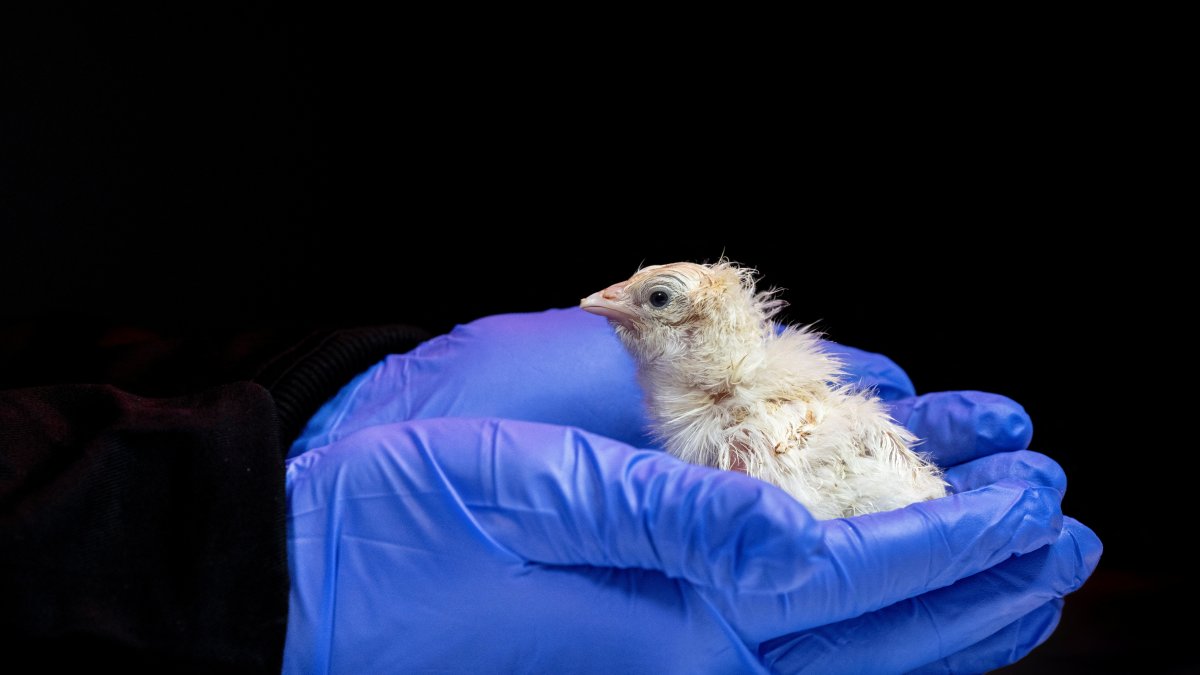
The roughly seven-week old chick was discovered inside Zealandia, a fully fenced eco-sanctuary 10 minutes from Wellington’s city centre, in November, but its arrival has been a closely guarded secret to ensure its safety.
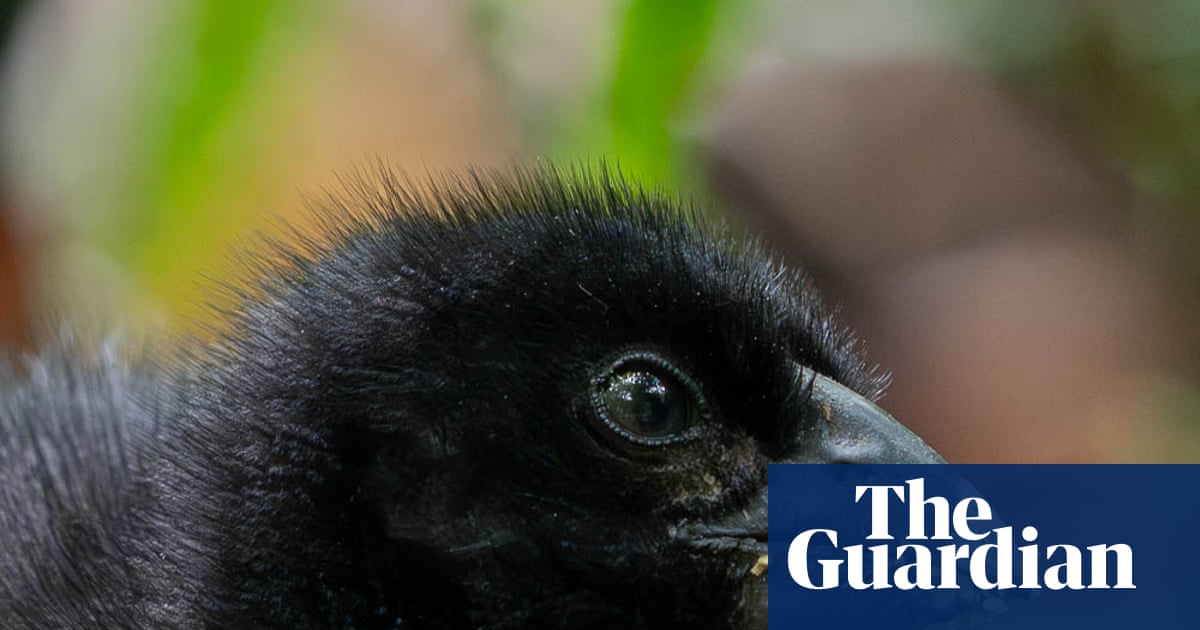
The Guardian has been given first access to the photographs and footage of the chick, which sports a shock of fuzzy black down, comically large white legs and claws, and a black beak with a tiny white tip.
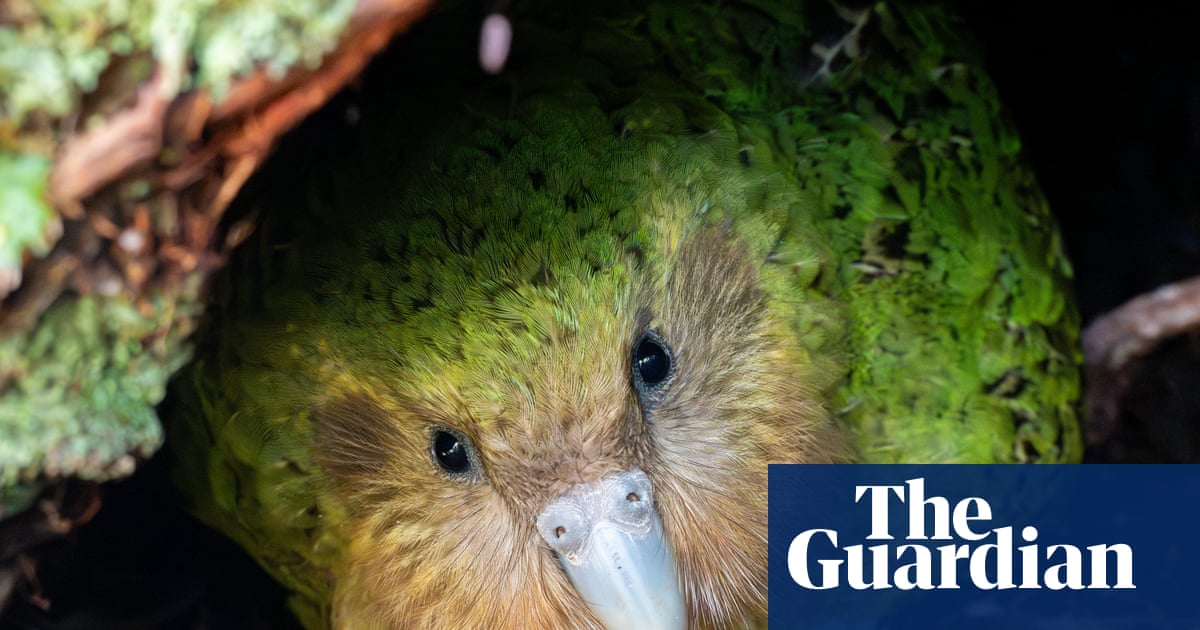
Takahē are a unique and unusual bird. They are the world’s largest living rail – a family of small to medium sized ground-dwelling birds with short wings, large feet and long toes. They breed just once a year. While they resemble Australasian swamp hens, or pūkeko in New Zealand, they are in fact their chunkier, flightless, mountain-dwelling cousin.