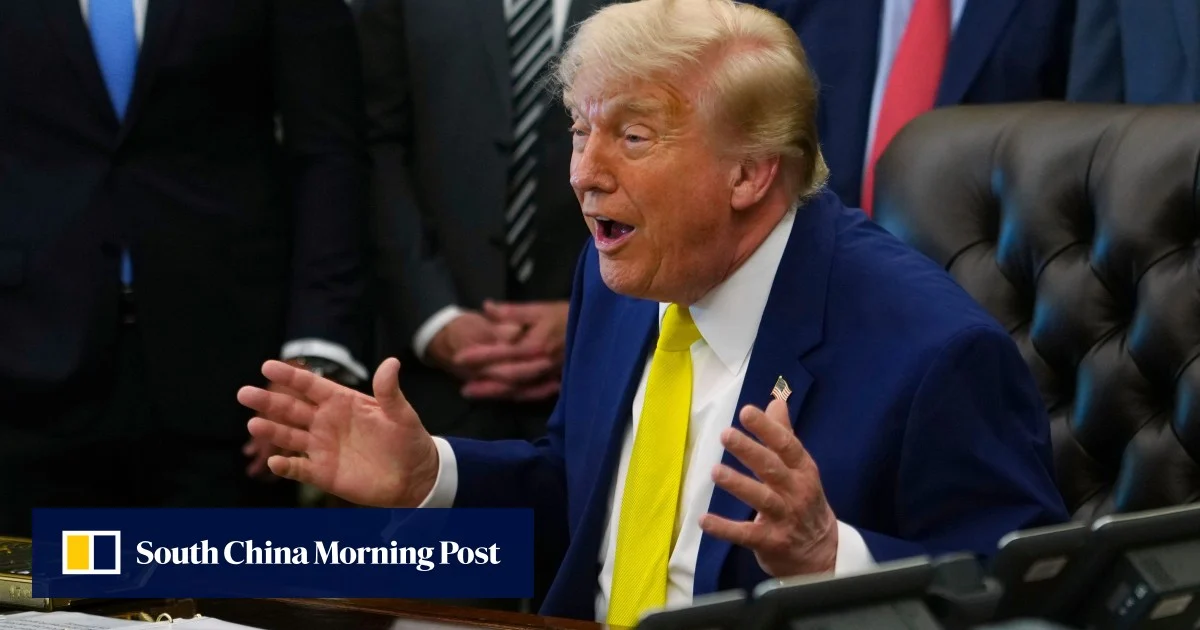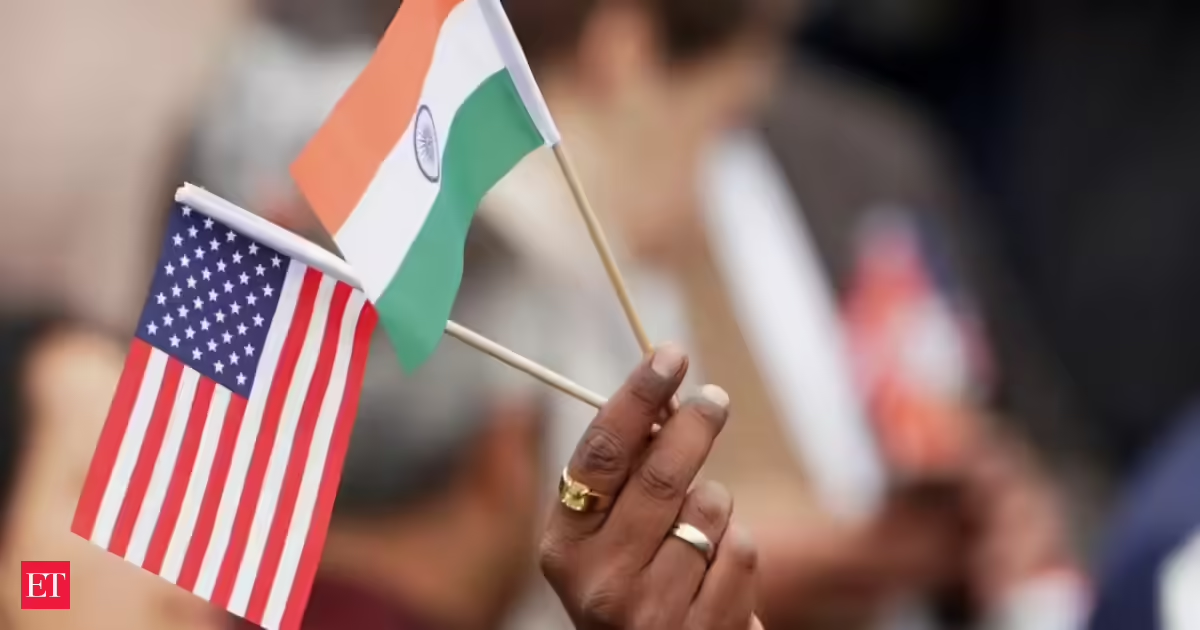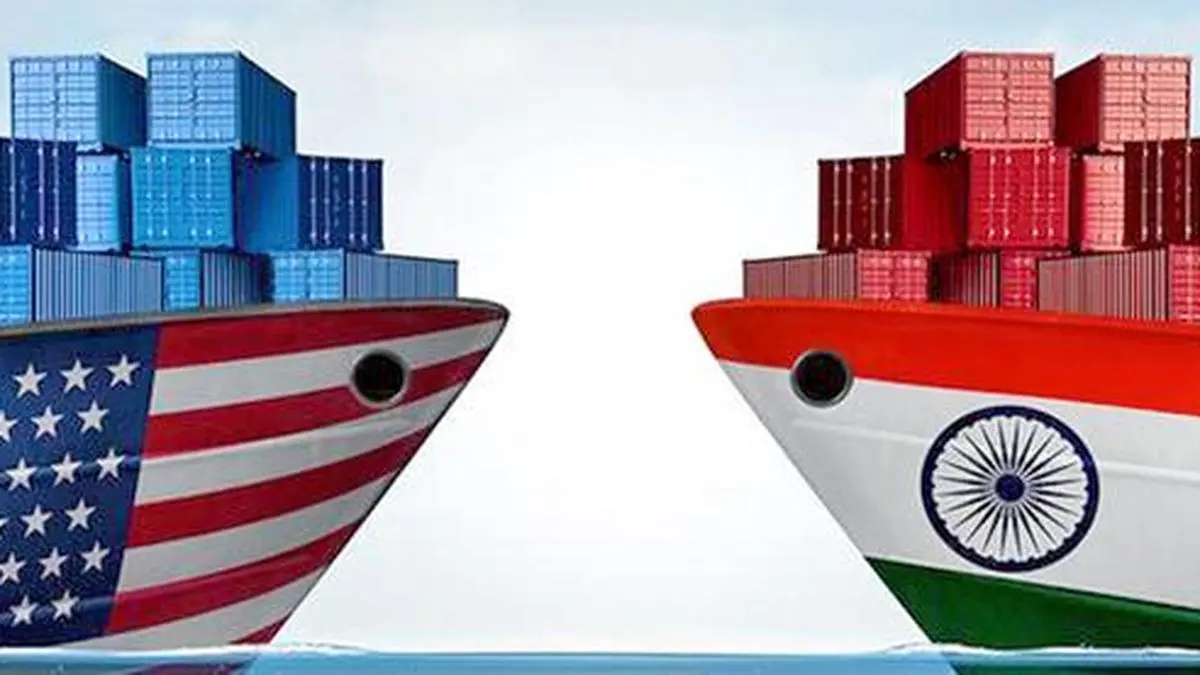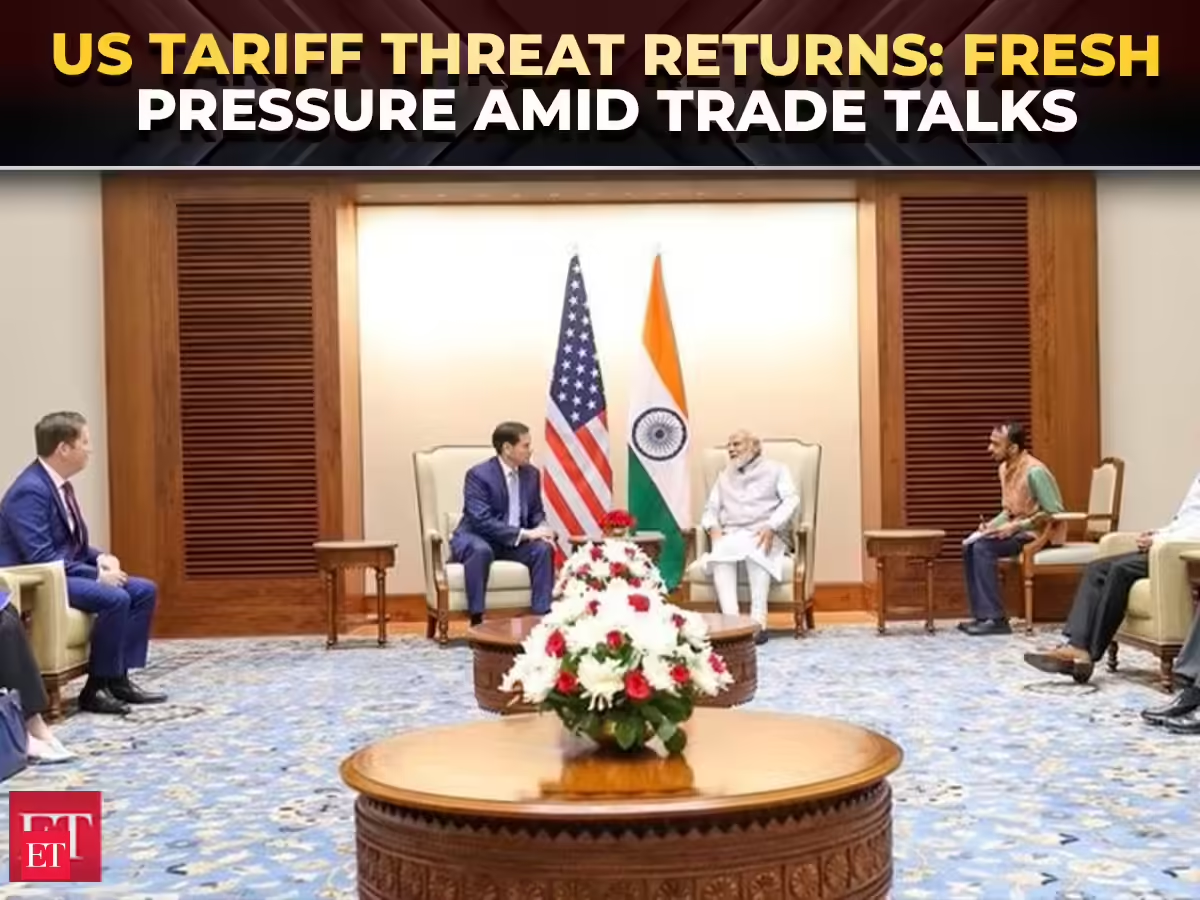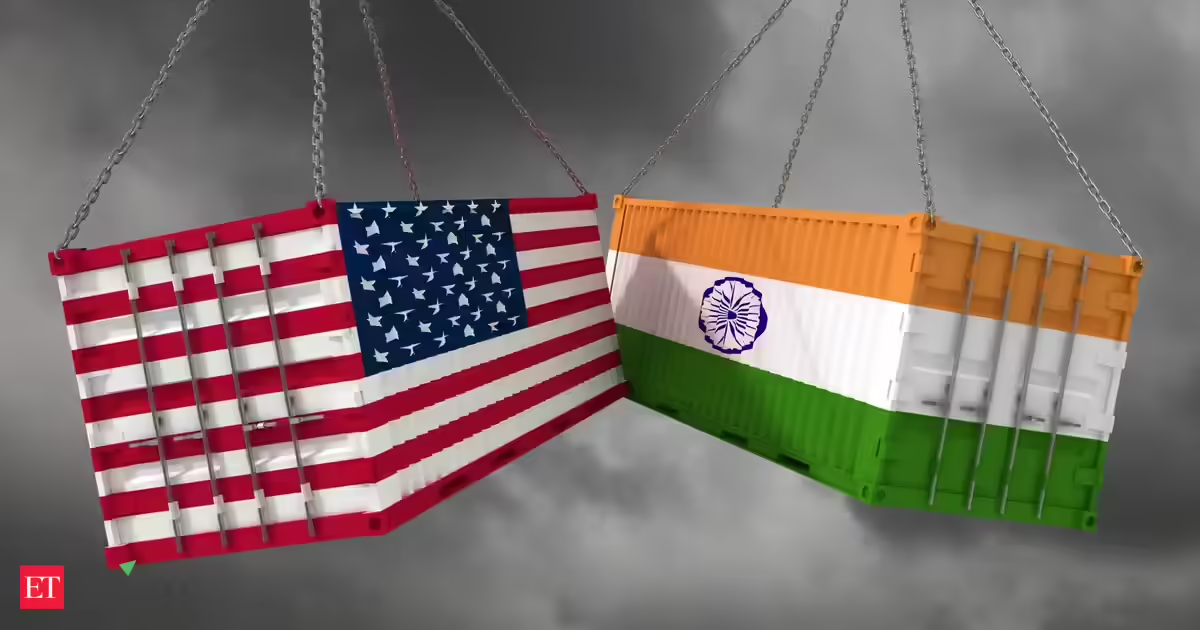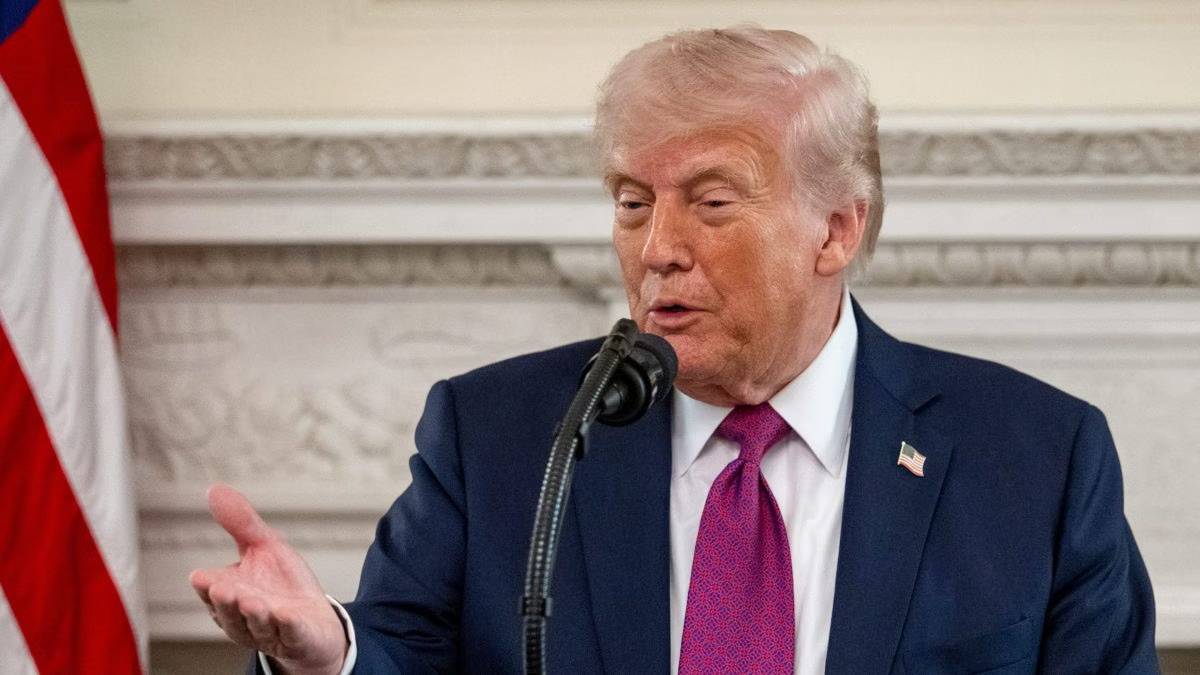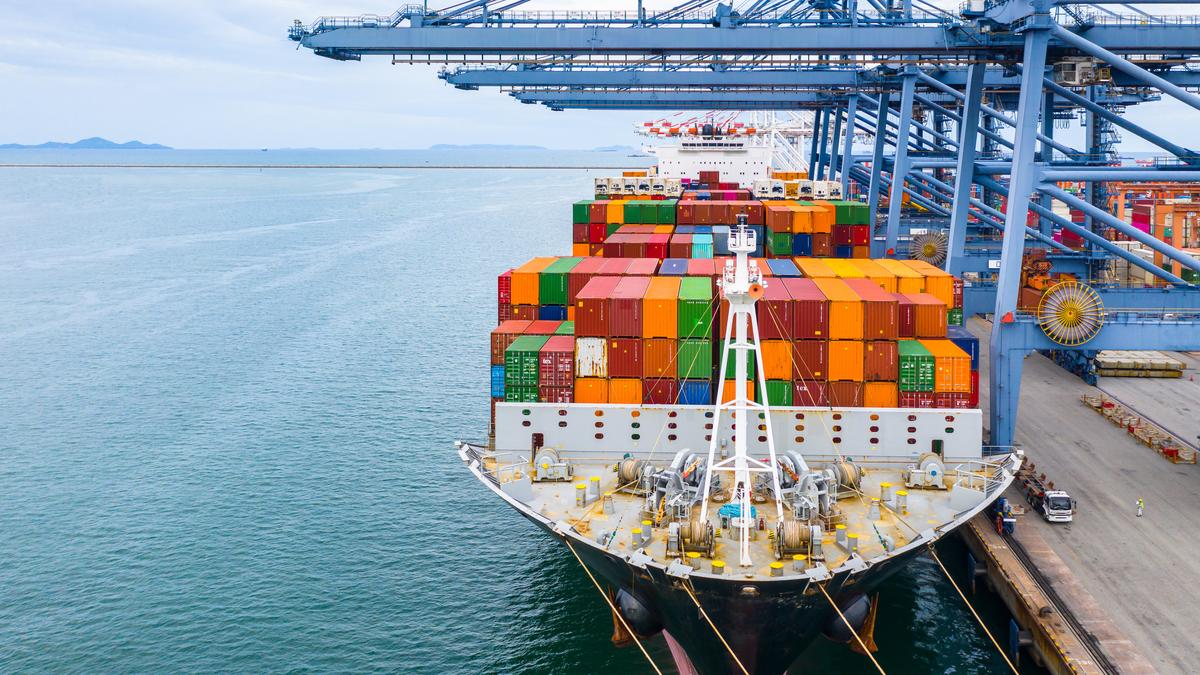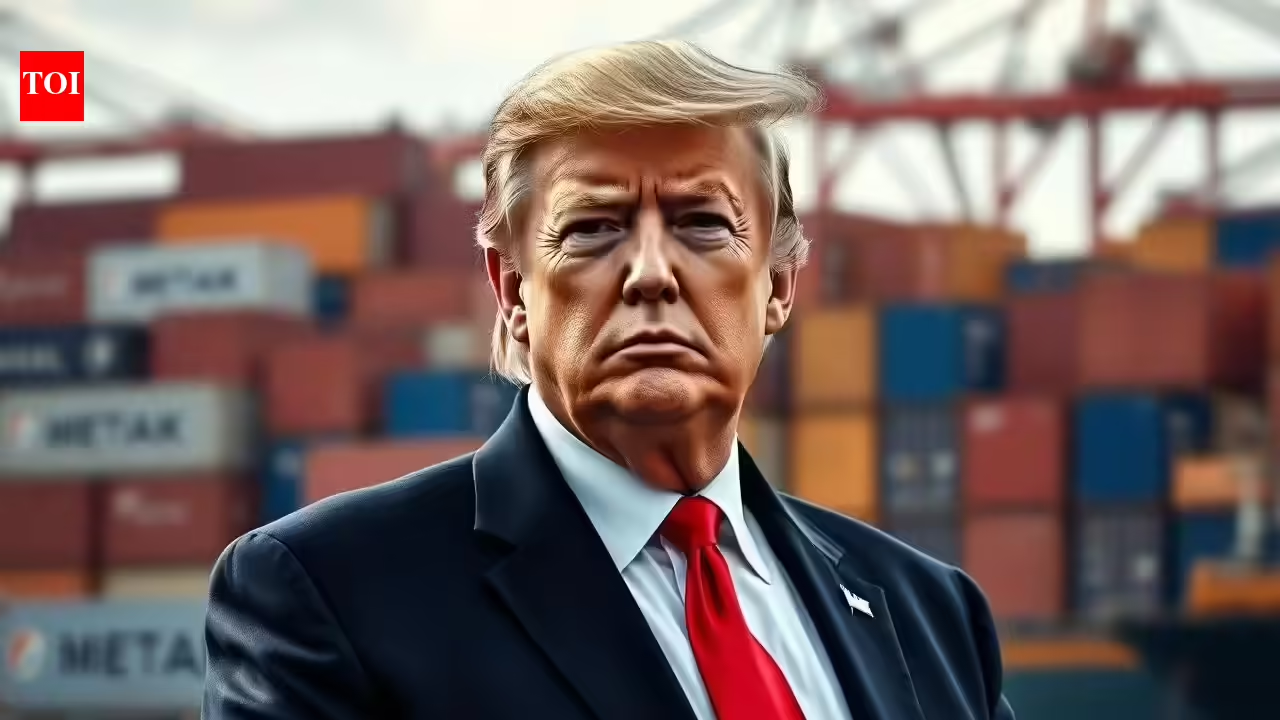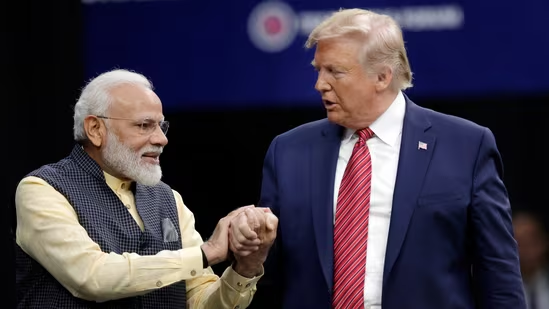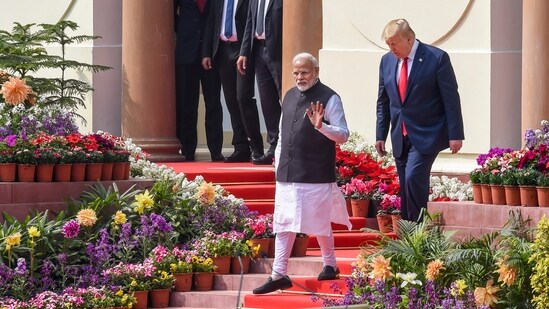
India could face fresh US tariffs just as New Delhi and Washington are trying to conclude a trade deal, after the United States Trade Representative (USTR) determined that India and dozens of other economies have failed to adequately block imports made using forced labour.File image: Prime Minister Narendra Modi and US President Donald Trump at Hyderabad House in Delhi (PTI)The proposed action has attracted attention because it is not based on allegations that Indian exports are produced using forced labour. Rather, the USTR's complaint is that India does not have an effective enough system to prohibit imports of goods made with forced labour elsewhere in the world.The move, announced on June 2, comes at a time when the two countries are negotiating the first tranche of a Bilateral Trade Agreement (BTA) while also attempting to navigate tariff disputes that emerged after US President Donald Trump unveiled his reciprocal tariff policy earlier this year.What exactly has the USTR said?The USTR has concluded that the acts, policies and practices of 60 economies related to the failure to impose and effectively enforce a prohibition on imports made with forced labour are "unreasonable" and burden or restrict US commerce.India figures among 54 economies that, according to the USTR, have failed to impose and effectively enforce such a prohibition. The list also includes countries such as China, Japan, Australia, Bangladesh, Saudi Arabia, Singapore, the United Kingdom and the United Arab Emirates.The USTR said the absence of effective restrictions allows products made with forced labour to enter international supply chains, creating unfair competition for businesses that do not use such practices.According to the agency, these failures undermine global efforts to eliminate forced labour, distort market conditions, reduce the profitability of companies that comply with labour standards and contribute to the circumvention of existing import restrictions."The failure of our most important trading partners to address the importation of goods made with forced labor is unacceptable. This creates a dynamic where American workers are forced to compete globally on an unlevel playing field," US Trade Representative Jamieson Greer said in a statement.The investigation was launched on March 12. The USTR said it reviewed testimony from nearly 60 witnesses and around 500 comments and rebuttal comments before issuing its findings.This is not about Indian exportsOne of the most important aspects of the USTR action is what it does not say.The investigation does not allege that Indian exports to the United States are produced using forced labour. Nor does it accuse Indian manufacturers of employing forced labour to gain a trade advantage.Instead, the USTR's concern relates to India's import-control framework. According to trade policy experts, the US action focuses on whether India effectively prevents the import of goods produced with forced labour in third countries from entering its market.The Global Trade Research Initiative (GTRI) has noted that the proposed tariffs are being considered even though the investigation is not based on allegations that Indian exports themselves are made using forced labour.What tariffs has the US proposed?Following its determination, the USTR has proposed additional duties on imports from the investigated economies.Countries that already maintain a forced-labour import prohibition, have committed to introducing one through a trade agreement, or have a partial enforcement regime could face an additional tariff of 10%.For all other economies, the proposed tariff rate is 12.5%.India is among the countries that the USTR says have failed to impose and effectively enforce such a prohibition, potentially exposing its exports to the higher tariff category if the proposal is implemented.The proposed duties would apply broadly across products. However, the USTR has also proposed a separate textile mechanism under which a specified volume of apparel and textile imports could enter the United States at a lower tariff rate.The proposal is currently in the consultation phase. Requests to participate in hearings must be submitted by June 22, written comments are due by July 6 and public hearings are scheduled for July 7. The final decision could come later this summer.Trade experts question legal basisThe proposal has already sparked debate among trade experts.The GTRI argues that the investigation stretches the traditional scope of Section 301, which has historically been used to address market-access barriers affecting US companies rather than a country's policies governing what it imports.According to the think tank, India could argue that the United States is attempting to impose its preferred import-control framework on other countries through unilateral trade measures. It has also suggested that concerns over forced labour are often product-specific and may not justify broad country-wide tariff actions.Comes after Trump's reciprocal tariff threatThe latest proposal comes only months after Trump triggered a broader trade dispute by announcing reciprocal tariffs on imports from dozens of countries, including India.The Trump administration argued that many trading partners imposed significantly higher tariffs on American goods than the United States imposed on theirs. As part of that initiative, India faced a proposed reciprocal tariff of 26% on many exports to the US.The announcement raised concerns among Indian exporters, particularly because the United States is India's largest export destination and one of its most important trading partners.However, the administration later paused the country-specific reciprocal tariffs for 90 days to give trading partners an opportunity to negotiate with Washington. India was among the countries that entered discussions with the US during this period.Since then, officials from both countries have held several rounds of negotiations aimed at finalising the first phase of a Bilateral Trade Agreement. Talks have focused on tariffs, agriculture, industrial goods, digital trade, market access and non-tariff barriers.The latest USTR action is separate from Trump's reciprocal tariff initiative. Nevertheless, it introduces a fresh tariff threat at a time when both sides are attempting to deepen economic ties and conclude a trade agreement.What happens next?The proposed duties are not automatic and will only take effect if approved after the consultation process.The USTR will review comments from governments, businesses and other stakeholders before taking a final decision.If implemented, the tariffs could create new challenges for Indian exporters and add another point of friction to the ongoing India-US trade negotiations. The episode also highlights Washington's increasing focus on labour standards and supply-chain rules as tools of trade policy, expanding the range of issues that can affect market access in the world's largest economy.
Why US trade body has threatened India with fresh tariffs amid trade deal talks
US has threatened fresh tariffs on India, alleging weak curbs on forced-labour imports, even as both countries negotiate a trade deal. | India News
TL;DRAI
USTR imposed 12.5% tariffs on India for inadequate forced-labour import controls, amid bilateral trade negotiations. Supply-chain compliance tightens for tech companies importing from India; tariff risk escalates if import-control framework doesn't align with US standards.
1,036 words~5 min read