The move is expected to intensify discussions between the two countries ahead of upcoming tariff decisions and hearings.
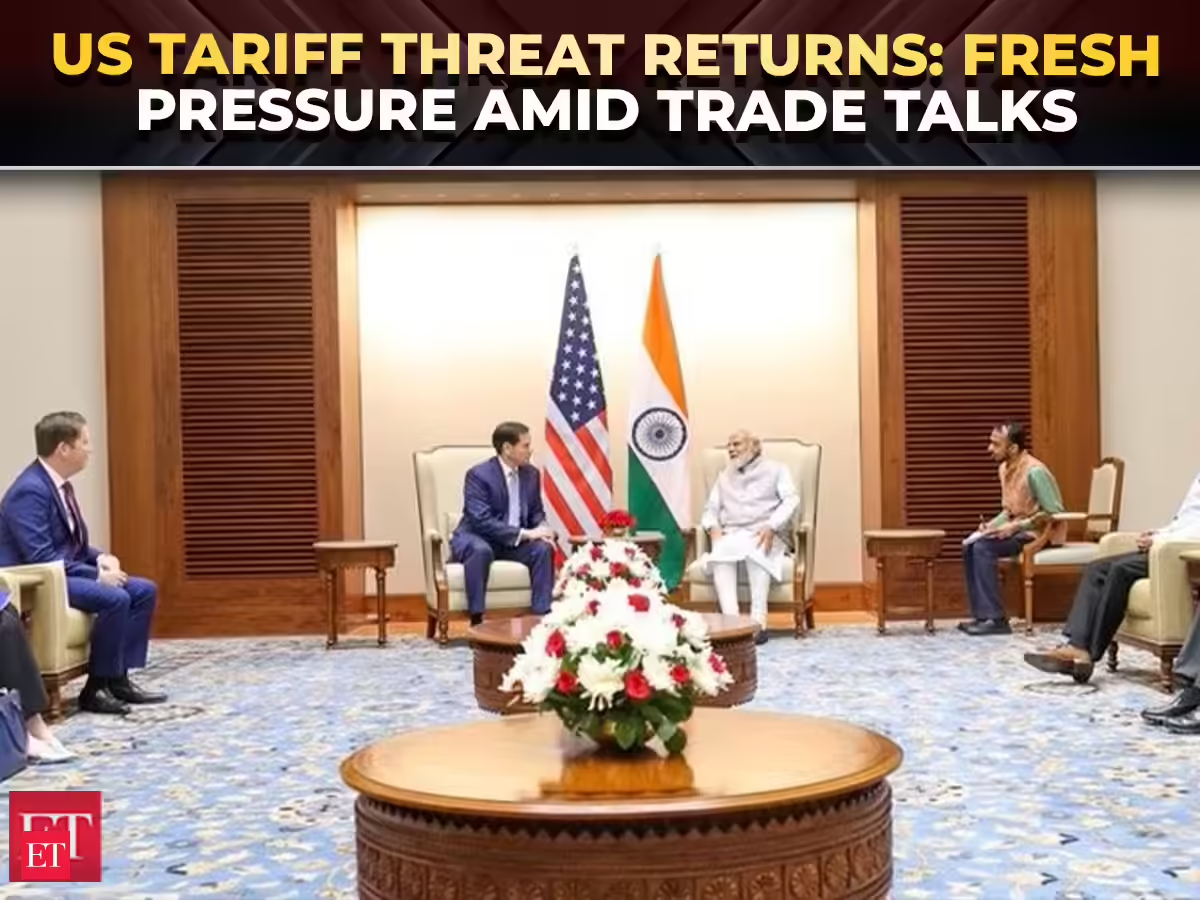
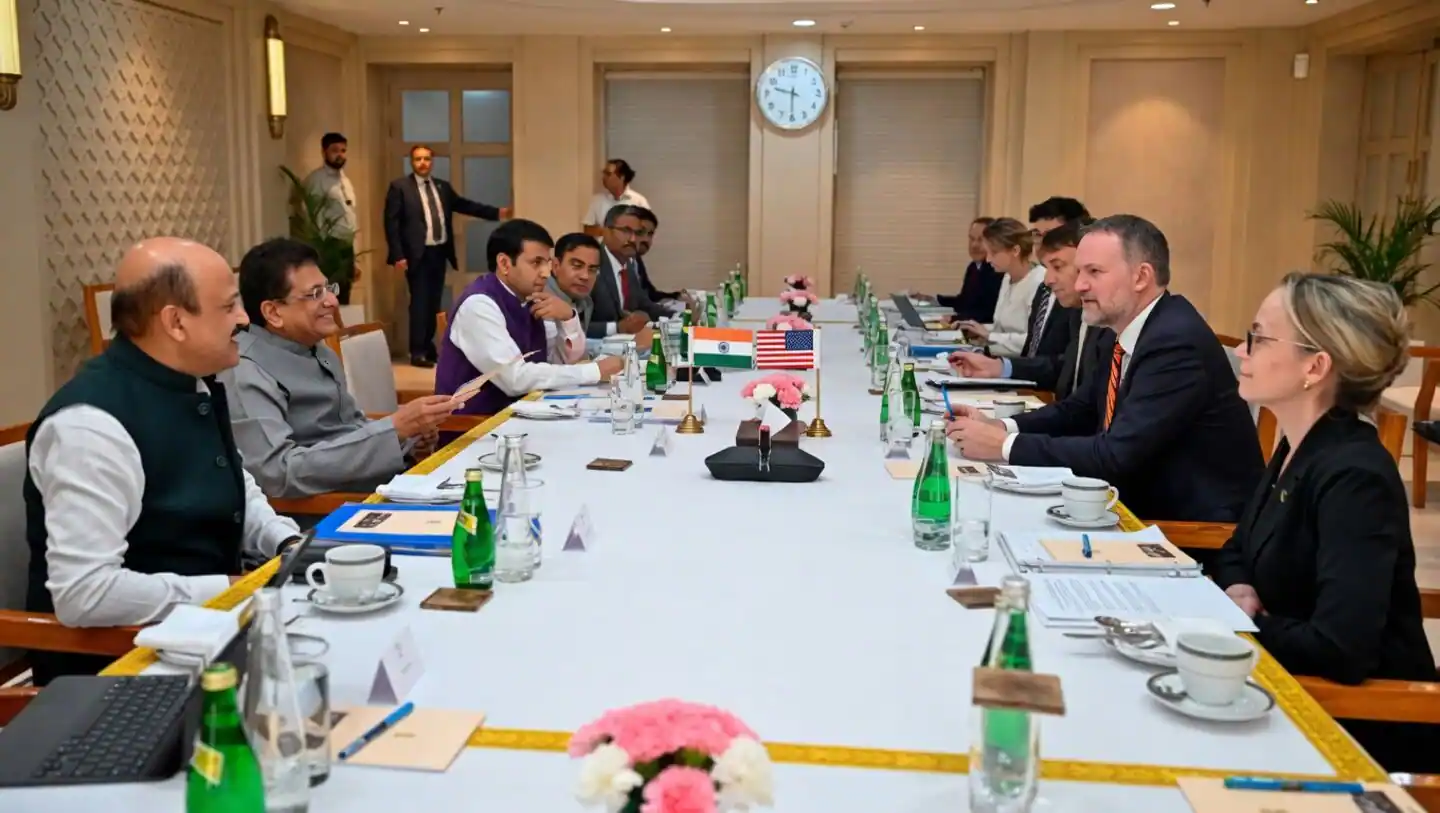
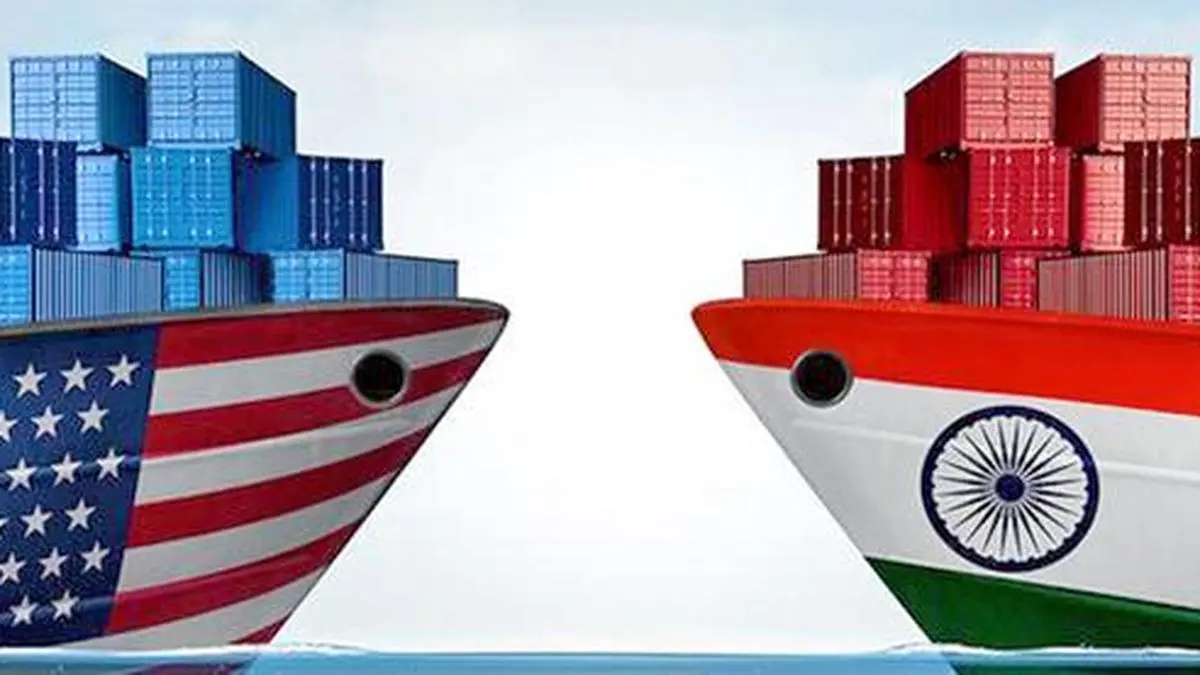
In what could add pressure on New Delhi to conclude a bilateral trade deal with the US early and “lock-in” tariff rates at about 18 per cent, the US Trade Representative (USTR) office, in its Section 301 findings on forced labour shared on Tuesday, observed that India has failed to effectively enforce forced labor import prohibition and proposed penalties of 12.5 per cent on most Indian goods.The proposed penalties on some of India’s Asian competitors, such as Bangladesh, Pakistan, Indonesia, Cambodia and Malaysia, are lower at 10 per cent. The report for the second Section 301 investigation involving India, focusing on excess capacities, is also expected soon, which may result in additional penalties.US pushes for early conclusion of India-US trade frameworkA US trade team is currently in India negotiating the first tranche of the India-US bilateral trade agreement (BTA) and is hoping to convince India to accept the broad components announced in the framework deal in February this year. As part of the framework, the US had proposed to impose additional tariffs of 18 per cent on India, which it is now suggesting would be a locked-in rate to insulate New Delhi from higher tariffs under Section 301, sources said.“Whatever the US tariffs that India agrees on, whether 18 per cent or lower, it wants an assurance that these would be lower than those on competing developing countries such as Vietnam, Bangladesh, Indonesia and Malaysia. Otherwise, it will be difficult to justify the deal politically and economically,” a source tracking the matter said.It is important for India to get such assurance of a competitive advantage to balance Washington’s demand that New Delhi should eliminate or reduce import tariffs on all industrial products and a large number of agricultural items, as well as address non-tariff barriers.USTR outlines proposed duty structure under forced labour rules“For economies that impose a forced labour import prohibition; have taken on commitments related to forced labour import prohibitions through an agreement on reciprocal trade; or have imposed a partial regime with the effect of preventing the importation of certain forced labour goods, the trade representative proposes 10 per cent as the rate of additional duties. For all other economies, the trade representative proposes 12.5 per cent as the rate of additional duties,” the USTR Section 301 findings report noted, explaining the proposed duties.Textile mechanism and country-wise tariff breakdown proposedThe USTR has also proposed a textile mechanism that would allow for a certain volume of apparel and textile imports from certain economies to enter the United States at a reduced Section 301 tariff rate. Of the 60 countries investigated, those that received the lowest 10 per cent tariffs include the EU, the UK, Mexico, Canada, El Salvador, Argentina, Ecuador, Guatemala, and Taiwan. The rest of the countries being investigated, including India and China, have been subject to a proposed 12.5 per cent penalty.The USTR has invited written comments from interested persons with respect to the proposed actions to be taken in the investigations by July 6 and requests for personal appearances by June 22. The hearings will be held on July 7. Comments have been sought on the specific products to be subject to increased duties, including whether products should be retained or removed from the scope of the action, or whether products currently listed in Annex A (list of essential items excluded from the penal tariffs) should be added to the scope of the action.Global tariff window nearing expiry as US prepares Section 301 rolloutUS global tariffs of 10 per cent imposed on all countries for 90 days by the Trump regime after the US Supreme Court invalidated the reciprocal tariffs (at 25 per cent on India) will lapse on July 24, 2026. Washington wants Section 301 determinations to occur before that, so the new tariffs could replace the global 10 per cent levies.Published on June 3, 2026