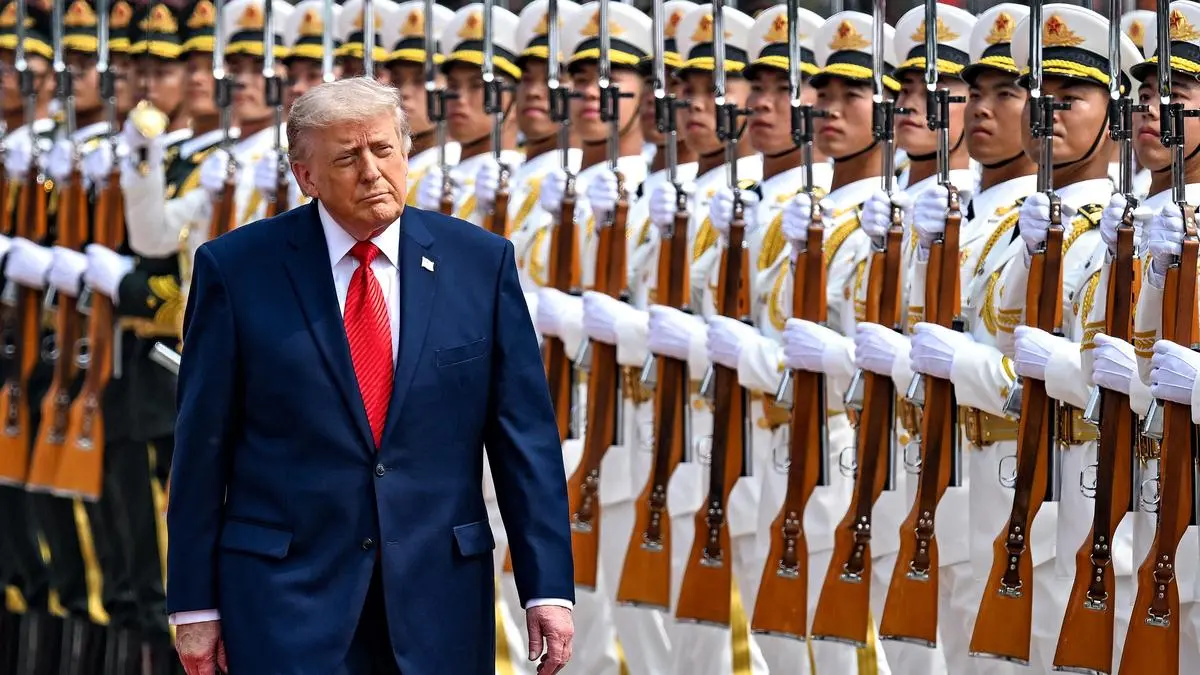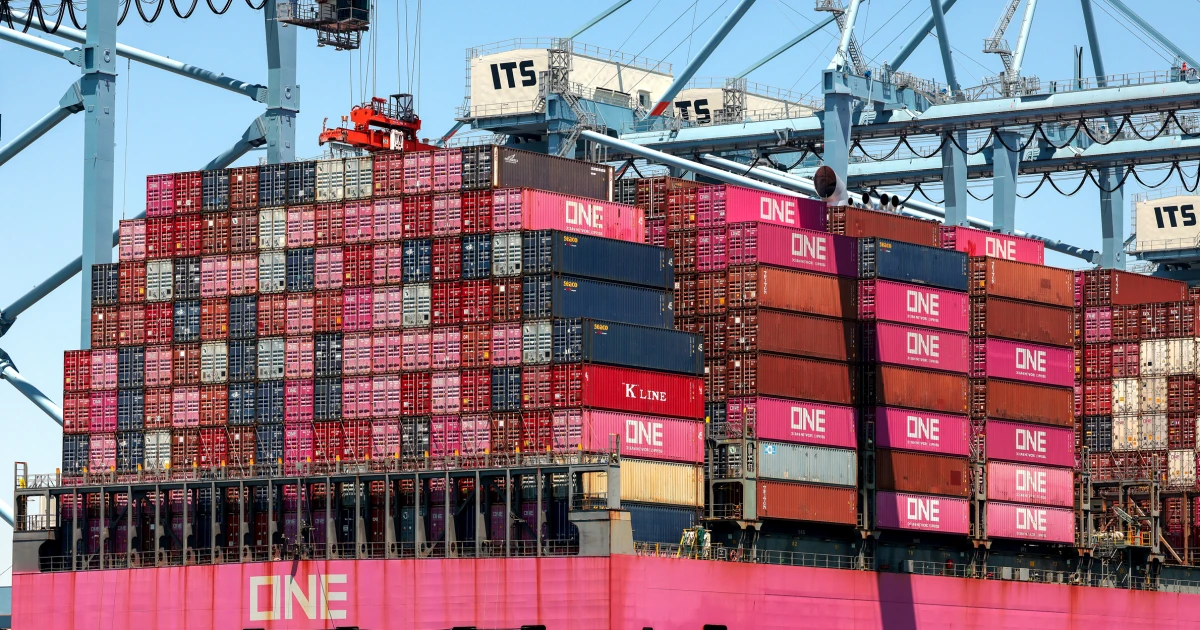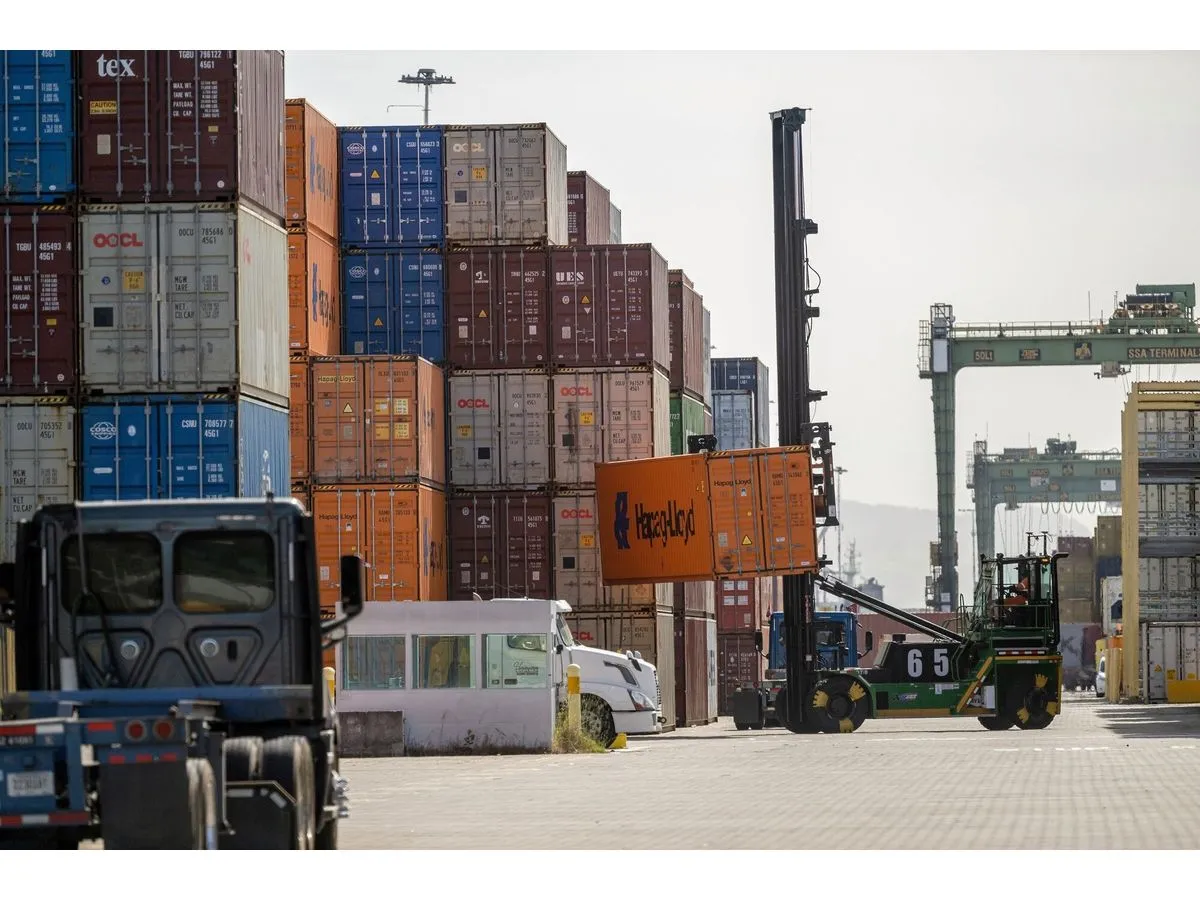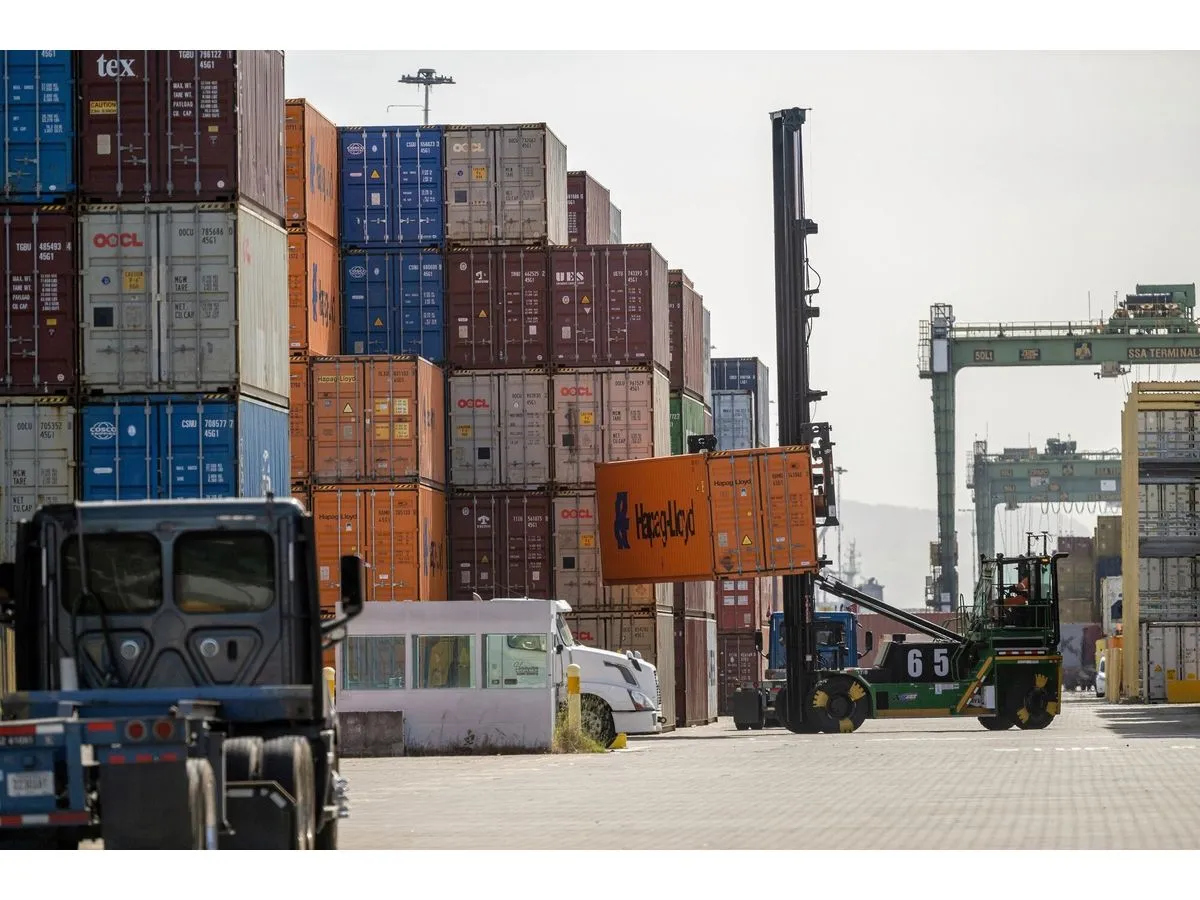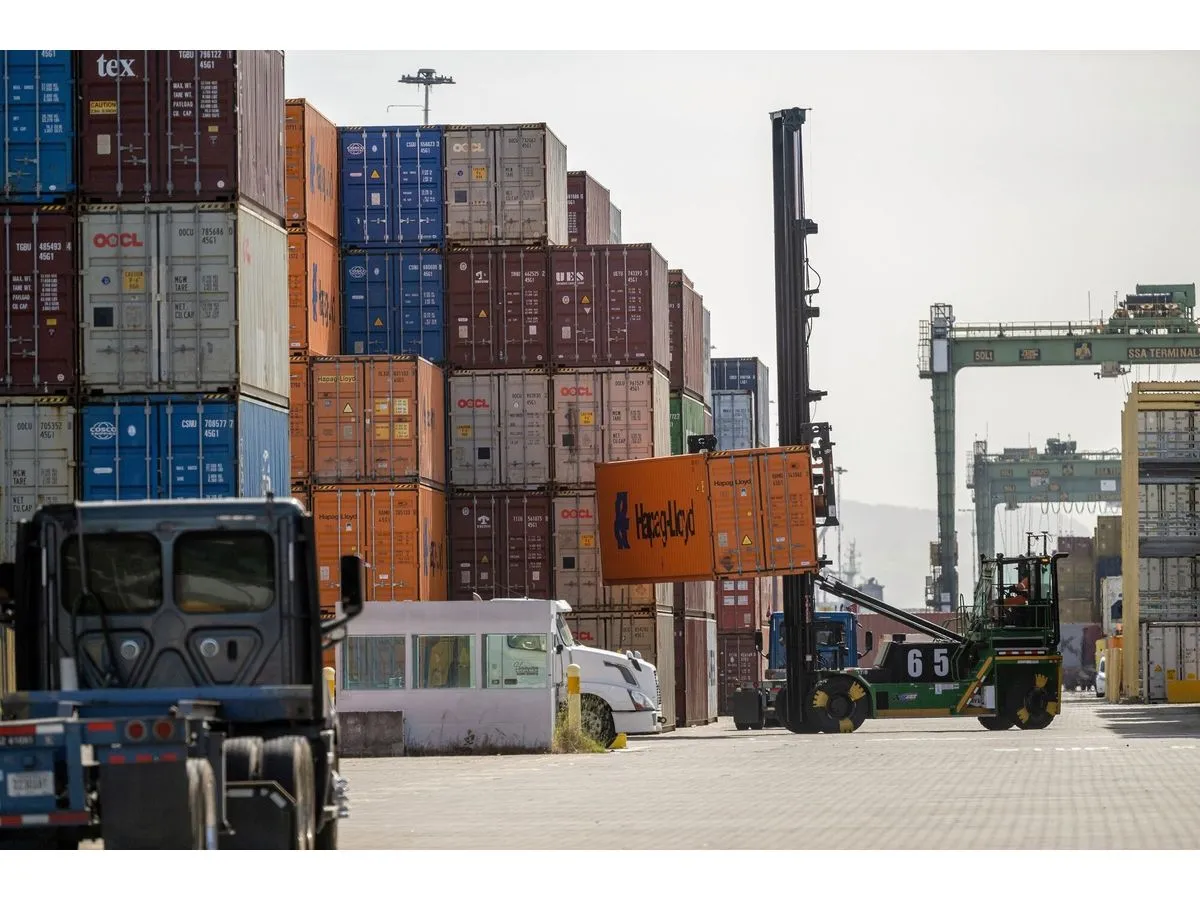
Skip to Content News Archives Economy Energy Oil & Gas Renewables Electric Vehicles Mining Commodities Agriculture Real Estate Mortgages Mortgage Rates Finance Banking Insurance Fintech Cryptocurrency Work Wealth Smart Money Wealth Management Investor Personal Finance Family Finance Retirement Taxes High Net Worth FP Comment Executive Women Puzzmo Newsletters Financial Times Business Essentials More Innovation Information Technology FP500 Podcasts Small Business Lives Told Tails Told Shopping Financial Post Store Obituaries Place a Notice Advertising Advertising With Us Advertising Solutions Postmedia Ad Manager Sponsorship Requests Classifieds Place a Classifieds ad Working Profile Settings My Subscriptions Saved Articles My Offers Newsletters Customer Service FAQ News Economy Energy Mining Real Estate Finance Work Wealth Investor FP Comment Executive Women Puzzmo Newsletters Financial Times Business Essentials HomePMN BusinessUS Proposes Levies of at Least 10% as Trump Rebuilds Tariff WallThe US is proposing tariffs of at least 10% on imports from most major trading partners following an investigation into goods allegedly produced by forced labor, as President Donald Trump seeks to rebuild the sweeping tariff wall struck down by the US Supreme Court.Author of the article: You can save this article by registering for free here. Or sign-in if you have an account.Containers at the Port of Oakland in Oakland, California, US, on Thursday, March 26, 2026. The US Census Bureau is scheduled to release US imports and exports figures on April 2. Photographer: David Paul Morris/Bloomberg Photo by David Paul Morris /Bloomberg(Bloomberg) — The US is proposing tariffs of at least 10% on imports from most major trading partners following an investigation into goods allegedly produced by forced labor, as President Donald Trump seeks to rebuild the sweeping tariff wall struck down by the US Supreme Court.Subscribe now to read the latest news in your city and across Canada.Exclusive articles from Barbara Shecter, Joe O'Connor, Gabriel Friedman, and others.Daily content from Financial Times, the world's leading global business publication.Unlimited online access to read articles from Financial Post, National Post and 15 news sites across Canada with one account.National Post ePaper, an electronic replica of the print edition to view on any device, share and comment on.Daily puzzles, including the New York Times Crossword.Subscribe now to read the latest news in your city and across Canada.Exclusive articles from Barbara Shecter, Joe O'Connor, Gabriel Friedman and others.Daily content from Financial Times, the world's leading global business publication.Unlimited online access to read articles from Financial Post, National Post and 15 news sites across Canada with one account.National Post ePaper, an electronic replica of the print edition to view on any device, share and comment on.Daily puzzles, including the New York Times Crossword.Create an account or sign in to continue with your reading experience.Access articles from across Canada with one account.Share your thoughts and join the conversation in the comments.Enjoy additional articles per month.Get email updates from your favourite authors.Create an account or sign in to continue with your reading experience.Access articles from across Canada with one accountShare your thoughts and join the conversation in the commentsEnjoy additional articles per monthGet email updates from your favourite authorsSign In or Create an AccountorThe 10% rate would apply to imports from Canada, Mexico, the European Union, Taiwan and the UK, among other places, according to a statement from the Office of the US Trade Representative. Products from other major economies, including China, India, Japan, South Korea, Brazil and Switzerland, would be subject to a 12.5% levy.The trade office said it was imposing the lower rate on goods from economies that impose prohibitions on forced labor import prohibitions or have committed to doing so, while those “that have failed to impose and effectively enforce” them received a higher rate. Get the latest headlines, breaking news and columns.By signing up you consent to receive the above newsletter from Postmedia Network Inc.A welcome email is on its way. If you don't see it, please check your junk folder.The next issue of Top Stories will soon be in your inbox.We encountered an issue signing you up. Please try againThe move is a major step in Trump’s push to reinstate the country-by-country tariffs he imposed during his first year in office before they were deemed unconstitutional. The recommended duties are a result of probes launched under a separate legal authority known as Section 301 of the Trade Act of 1974.The levies won’t go into effect immediately and are subject to a public comment and review period before implementation, which could result in changes before any duties are codified. Written comments are due to be submitted by July 6, and a Section 301 panel is expected to convene public hearings beginning on July 7, according to the notice.“The failure of our most important trading partners to address the importation of goods made with forced labor is unacceptable. This creates a dynamic where American workers are forced to compete globally on an unlevel playing field,” US Trade Representative Jamieson Greer said in a statement. “We will no longer tolerate this disparity.”The move will test the tolerance of the largest US economic partners, who have largely restrained from retaliating against Trump’s tariffs, opting instead to negotiate deals to lower import taxes and ensure market access.The forced-labor probes were just one prong of the administration’s effort to revive Trump’s tariffs. There are a separate raft of 301 investigations into US trading partners’ excess manufacturing capacity. There are several proposed exceptions to the tariff regime. Apparel and textile imports from some countries would be able to enter the US at a reduced tariff rate — with those quotas set according to the volume of US exports of textiles to those nations. Other products are exempt from the tariffs entirely, including beef, tomatoes, bananas, coffee, orange juice and other food items. Metals, which are already covered by other levies, are excluded, as are certain fuels and chemicals. Trump’s broad trade agenda suffered a sharp blow in February when the Supreme Court struck down levies he imposed using emergency powers. The 301 probe into forced-labor practices initially targeted around 60 economies. Section 301 tariffs are seen as more legally sound and flexible than other powers Trump has eyed, but also more time-consuming. As a stopgap measure, the president also implemented a 10% global levy under Section 122 of the trade law, though those import taxes expire in July. The Section 122 tariffs are themselves subject to an ongoing legal challenge.Greer has said the goal was to complete a series of trade investigations to allow Trump to quickly enact new tariffs after the outgoing measures expire.The moves pose questions about the stability of a truce with China following a summit between Trump and counterpart Xi Jinping in May that saw them agree to establish new boards on trade and investment to manage the relationship between the world’s two largest economies.More broadly, the levies arrive at a pivotal time for the global economy with financial markets already on edge over the Iran war and a resultant spike in oil and gas prices. Those higher energy prices have fueled new fears about inflation and in the US exacerbated affordability concerns among voters that threaten Trump’s Republican Party in November’s midterm elections.—With assistance from Catherine Lucey.(Updates with additional context throughout.) Join the Conversation This website uses cookies to personalize your content (including ads), and allows us to analyze our traffic. Read more about cookies here. By continuing to use our site, you agree to our Terms of Use and Privacy Policy.
US Proposes Levies of at Least 10% as Trump Rebuilds Tariff Wall
The US is proposing tariffs of at least 10% on imports from most major trading partners following an investigation into goods allegedly produced by forced labor, as…
TL;DRAI
US proposes 10-12.5% tariffs on major trading partners for forced-labor goods under Section 301, pending public comment through July. Impacts semiconductor supply chains and vendor compliance costs for tech enterprises sourcing hardware from Asia and EU.
1,234 words~6 min read