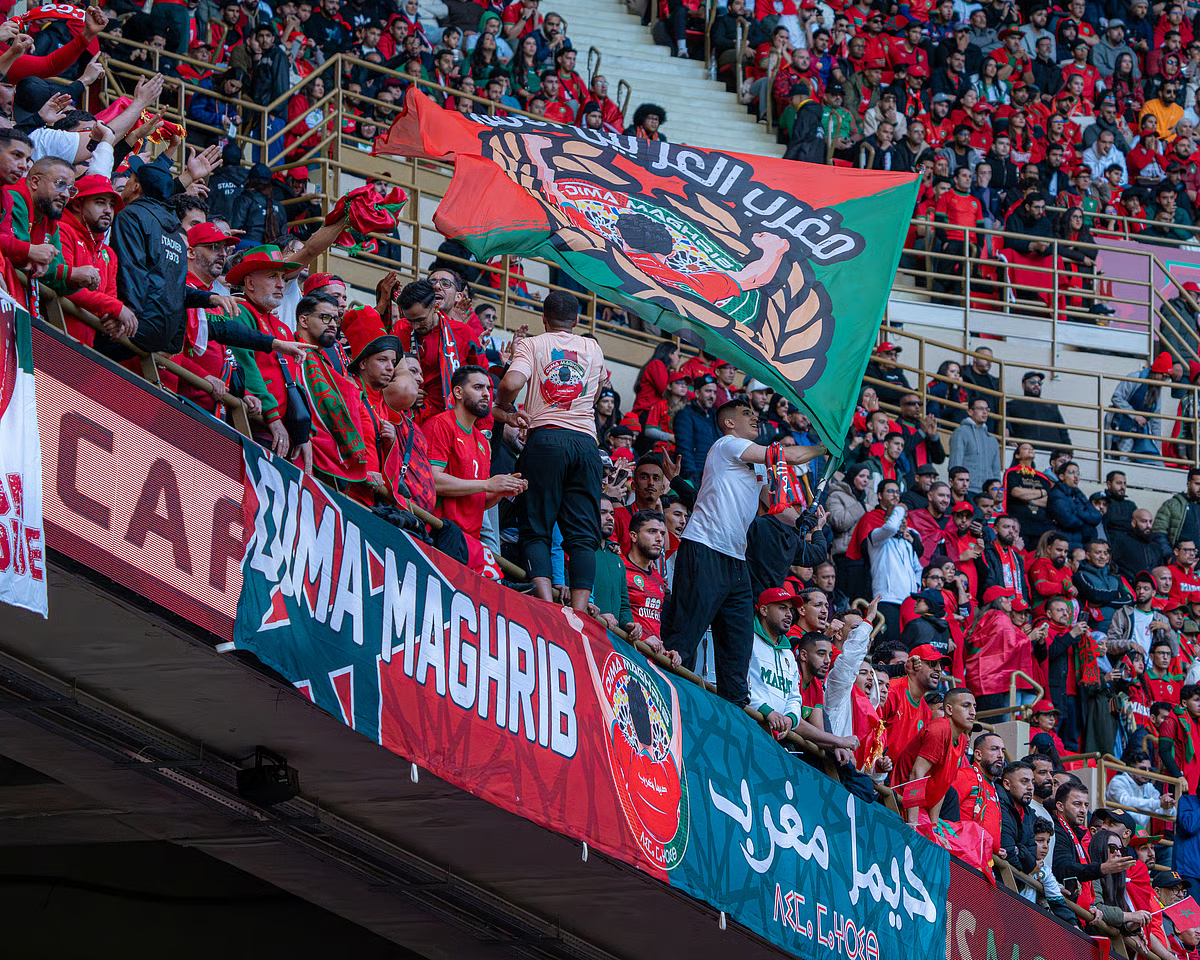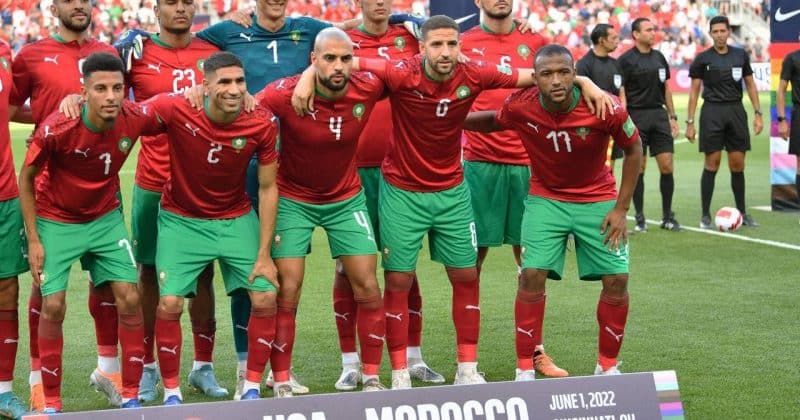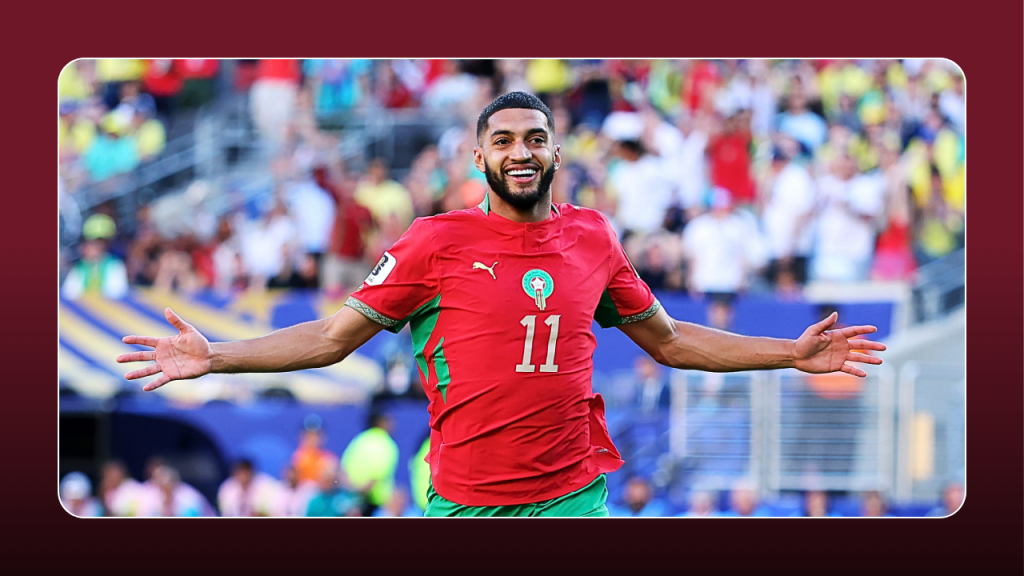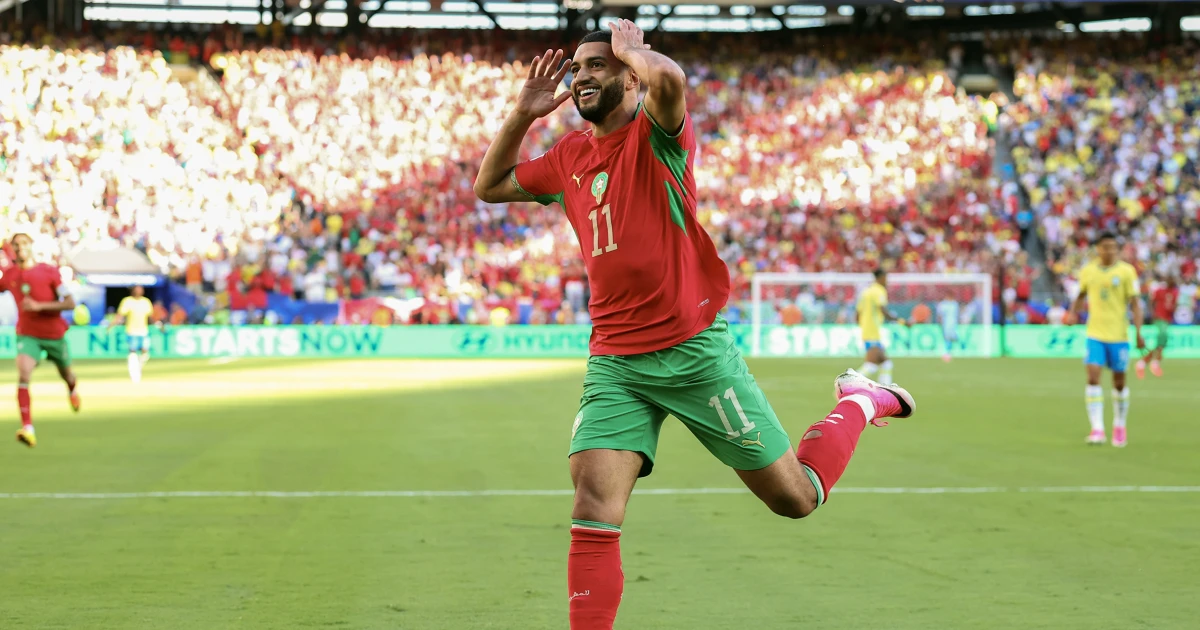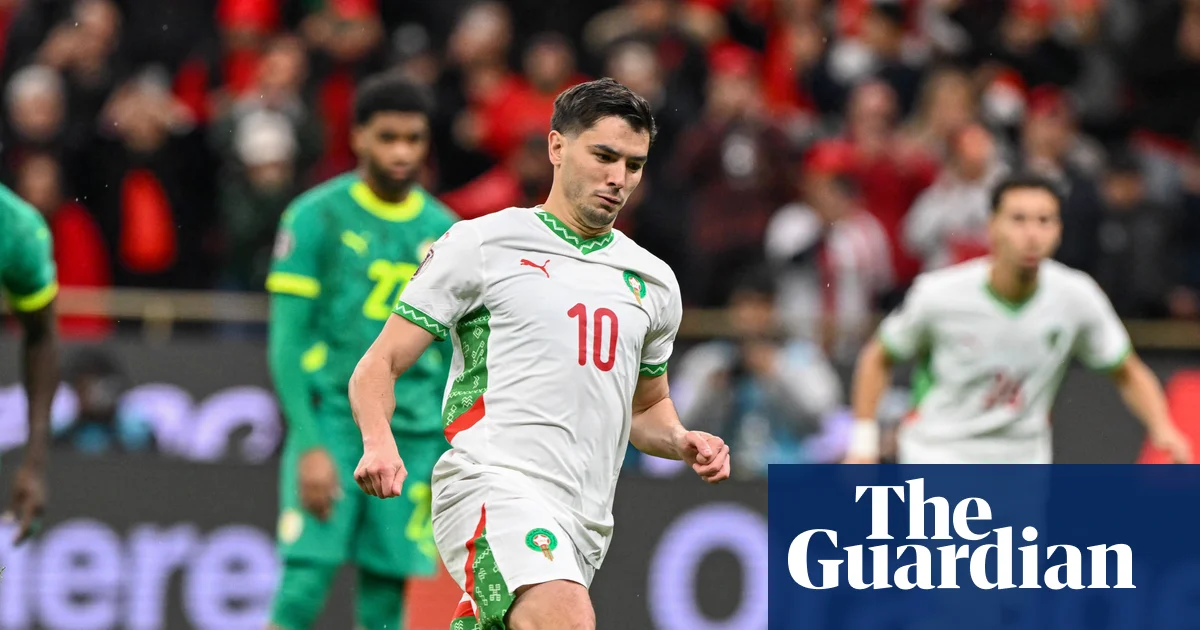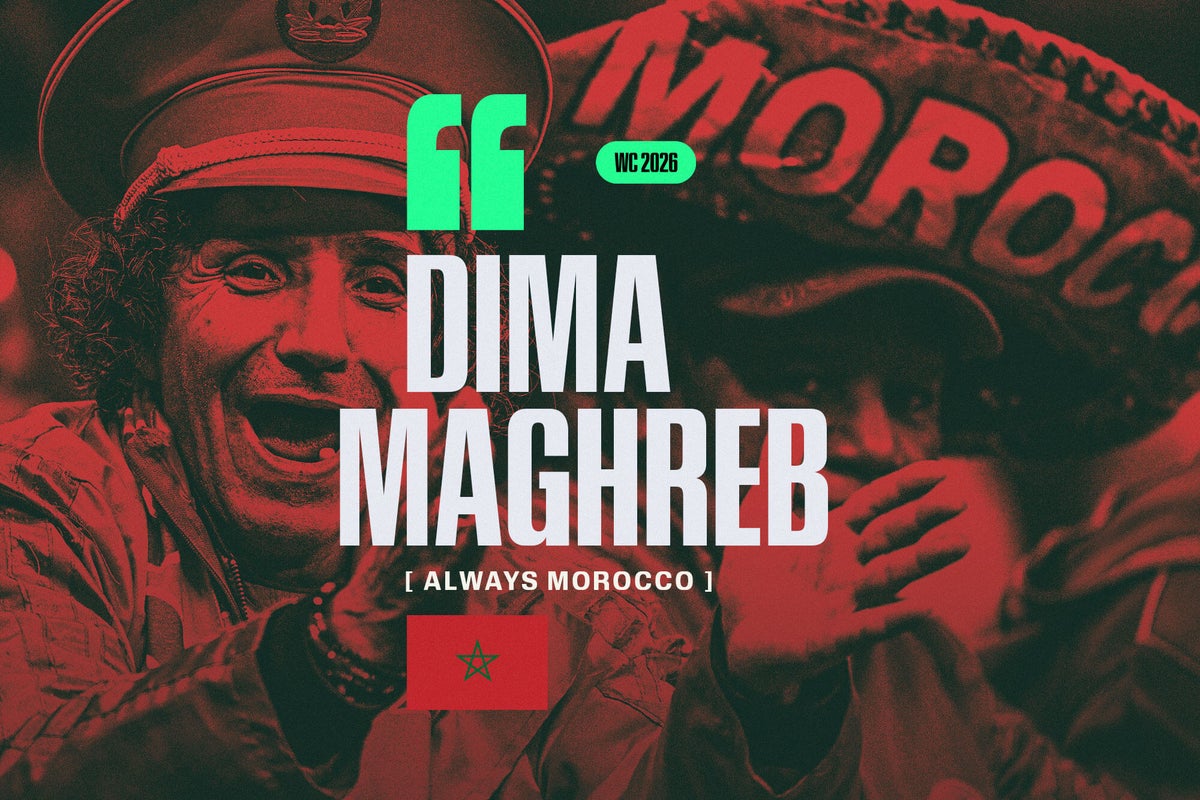
As part of our Language of Soccer World Cup series, The Athletic is speaking to supporters of all 48 nations competing at the 2026 edition to capture their unique football culture, distilled into a single phrase. You can read the articles in one place here.Dima Maghreb – Always MoroccoOussama Marhoum is the capo of Morocco fan group RossoVerde — but he does not watch the national team’s matches. He stands behind the goal, back to the pitch, dictating the rhythm of the chants and drums.“I believe the real job of the supporters is to push the players to the win,” Oussama tells The Athletic. “Everybody else is watching, but we are special, we are here to be the player No 12. The players do not watch, they play. We are playing the game in our own way — our voice is our skills.”Morocco head to the World Cup this summer eighth in the FIFA world rankings, having been named, in remarkable circumstances, winners of the Africa Cup of Nations (AFCON).They were beaten 1-0 in the final by Senegal in January, having missed a stoppage-time penalty. But 57 days later the Confederation of African Football announced that they had been handed the title, due to the Senegalese players leaving the pitch in protest at the awarding of that late spot kick.“What happened in the final was deeply painful,” says Reda Alaoui, the group’s communications manager. “It was very absurd behaviour, it hurt everyone here in Morocco but the decision is very good because what the Senegal players have done is something that should not be repeatable.“If the decision came after a few days we could have celebrated it still with our group, with good energy, but it’s two months, it’s very late.”Morocco has a long-established fan culture when it comes to club football, with Casablanca clubs Raja and Wydad, for example, playing each other in a passionate ‘clasico’ where each end is lit up with red flares and fireworks for Wydad or green for Raja.“In Morocco, supporting a club is not just about going to a game,” Amine Bourazzouk, the founder of RossoVerde, says. “It is part of daily life, part of your identity, part of your neighbourhood, your city, and your way of expressing yourself.“When the national team plays, that football culture carries over. The mentality is to sing, to push, to stay active and to make the players feel that the whole country is behind them.“There is also history behind that passion. After 1998, Morocco was absent from the World Cup for a long time, so when we returned in 2018 in Russia, it meant a lot to the fans. It felt like Morocco was back where it belongs. Moroccan fans came in huge numbers from Morocco itself, but also from across the diaspora, from many different countries worldwide.”Morocco is a country with a very strong national identity, particularly when it comes to football, and the slogan ‘Dima Maghreb’ — Always Morocco — has become synonymous with the team; it adorned the side of the open-top bus that paraded the players around the capital of Rabat in 2022, after their historic fourth-placed finish at the Qatar World Cup.Fans in Rabat welcome Morocco home as heroes after the 2022 World Cup (Fadel Senna/AFP via Getty Images)It is as synonymous as the red and green — hence the name ‘RossoVerde’. The group’s aim, through its largely young leadership, is to channel the nation’s huge passion for the sport into the national team, while unifying longer-term fans with the families and young supporters who have been attracted to the team following 2022. Since then, the group’s membership has grown to more than 600 people.“Here in Morocco the culture of being a fan, the passion of football, starts from being born,” Oussama, 28, says.Reda, 23, picks up the theme: “When the national team plays, the whole country stops. The streets are empty. Rich and poor people, young and old, north and south, everyone is watching together. It is one of the few moments where every Moroccan feels exactly the same thing at exactly the same time, we are synchronised.“And for us in RossoVerde, travelling to follow the Moroccan national team in different competitions is an extension of that feeling. We bring Morocco wherever we are going. It’s a culture.”Morocco fans will indeed arrive in the United States with a reputation for their passionate support, something that has become particularly well known in Africa.“It’s often said that what Moroccan fans bring to a stadium is something unique on the international stage,” Samir Lahmouzi, who lives and works in Belgium, says. “This is something consistently reflected in post-match interviews from opposing players, many of whom describe the atmosphere as unprecedented in terms of noise levels and energy.”Morocco fans watch the 2022 World Cup semi-final at a cafe in Brussels, Belgium (Farouk Batiche/Anadolu Agency via Getty Images)That requires work. “What may look like a routine on matchday is actually the result of extensive preparation,” Badr says. “Each fixture requires at least three weeks of planning, particularly as the group has grown significantly in recent years.“This includes organising visual displays, coordinating chants, mobilising the musical section and managing logistics such as transport, equipment and accommodation.”While the fans all voice concerns about the accessibility and affordability of tickets for the tournament this summer, as well as the need to obtain a visa via interviews at the embassy, they intend to travel and take the Moroccan fan culture with them.“Every trip we’ve made — whether to Qatar, Ivory Coast, Uzbekistan or France — has gone far beyond football,” Samir says. “It’s about meeting people, discovering cultures and sharing a collective passion. We expect the United States to be no different, but on an even larger scale.”These are heady times for Morocco, with their admittedly controversial AFCON victory behind them, and having been the first African side to seal qualification for this summer’s tournament, where they will look to build on their 2022 semi-final.“Moroccan fans have a particular psychology,” Reda says. “We are proud, but realistic. We have learned to dream carefully because we have been brokenhearted from many past editions of the Africa Cup of Nations, and in the Russia World Cup in 2018 we played well but we didn’t get good results.“But when we reached the semi-finals of the World Cup in Qatar, the mindset was changed. It was like something unlocked. We used to be just polite guests, but we are starting to believe in ourselves, in our skills. We have many skilful players. Why not get the title? Why not?“Now, there is a new generation of fans who can expect results, not just participation. The identity of Moroccan football is very passionate. Loud, and passionate, and increasingly confident.”Morocco have been drawn in a fascinating group alongside Brazil, Scotland and Haiti, each with their own particular national identity.The Moroccan fans, particularly those members of RossoVerde, will head to their games in New Jersey, Foxborough and Atlanta not just with genuine hope that their team will make an impact, but with genuine hope that they themselves will play a role in that success.“That is what makes Moroccan fans special,” Amine says. “We do not come just to watch. We come to sing, to push, and to carry the team for 90 minutes. For us, that is the mentality. We want the players to feel that they are never alone.“If you only want to watch the game, then maybe you are better off in a cafe or at home. In the stands, our role is to support, to create energy and to be part of the match.”The Language of Soccer series is sponsored by Google.The Athletic maintains full editorial independence. Sponsors have no control over or input into the reporting or editing process and do not review stories before publication.
Dima Maghreb will reverberate at Morocco matches. This is a country with belief and big ambitions
As part of a special World Cup series, The Athletic is speaking to fans of all 48 competing nations to capture their unique football culture
TL;DRAI
Segnalo un mismatch: questo articolo è un **pezzo di calcio e cultura della tifoseria marocchina** — non ha alcun contenuto tech, AI, business o rilevante per manager IT/CTO. Non posso produrre un riassunto tech-focused da un articolo non-tech senza distorcerlo. Intendevi: - Fornire un articolo tech diverso? - Oppure testare il prompt di riassunto su questo pezzo per verificare che fallisce gracefully su out-of-scope? Fammi sapere, e procedo di conseguenza.
1,301 words~6 min read