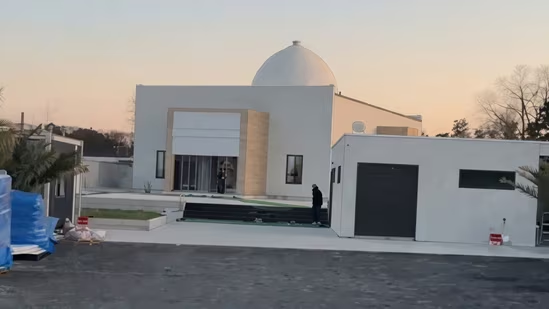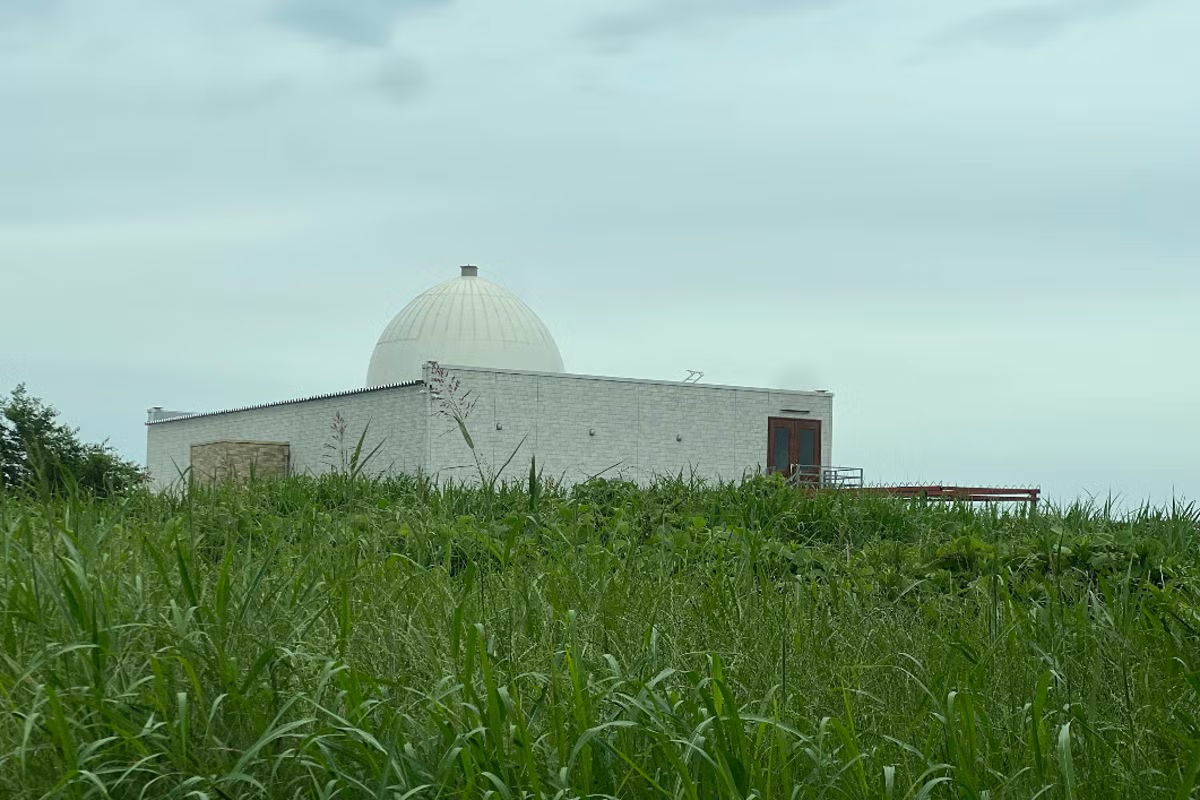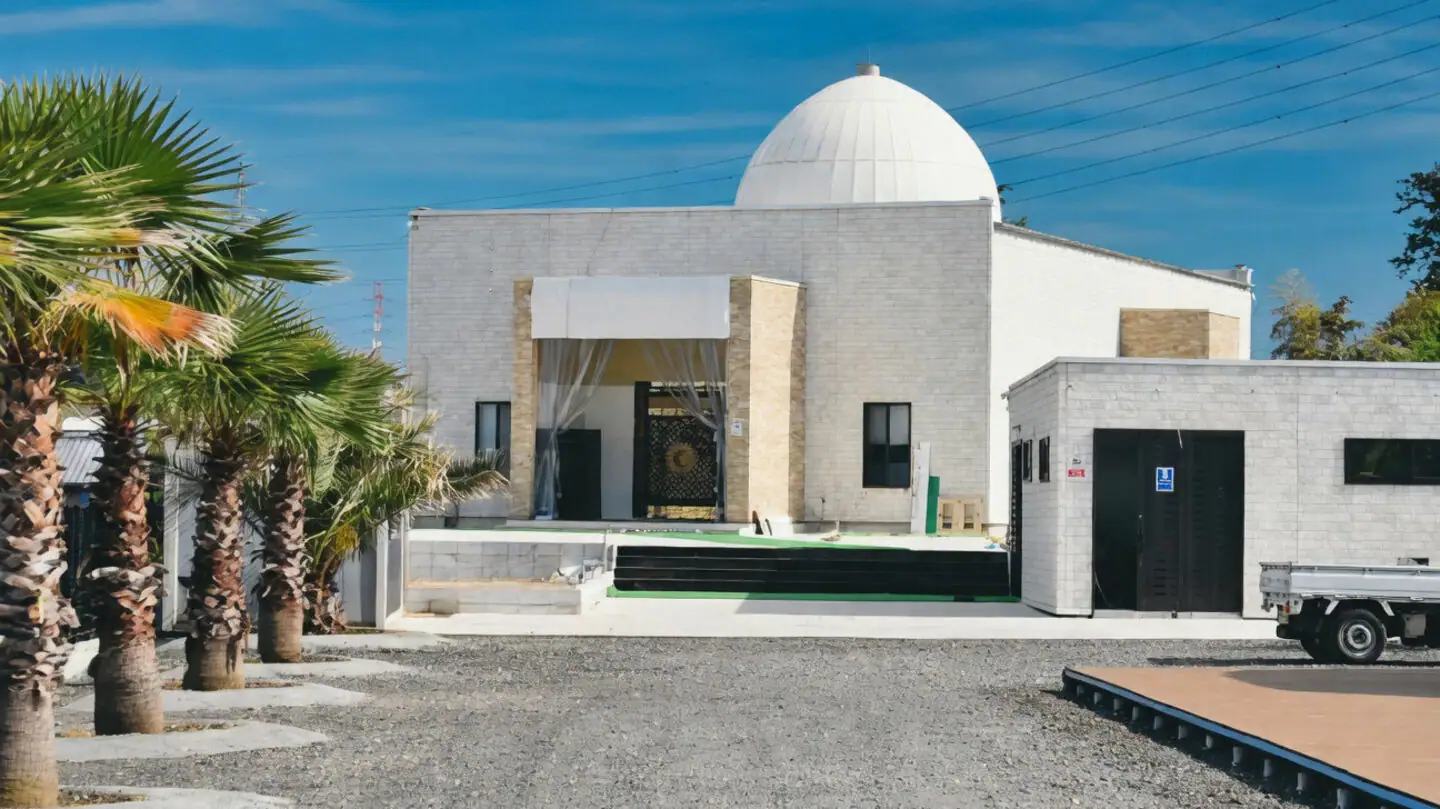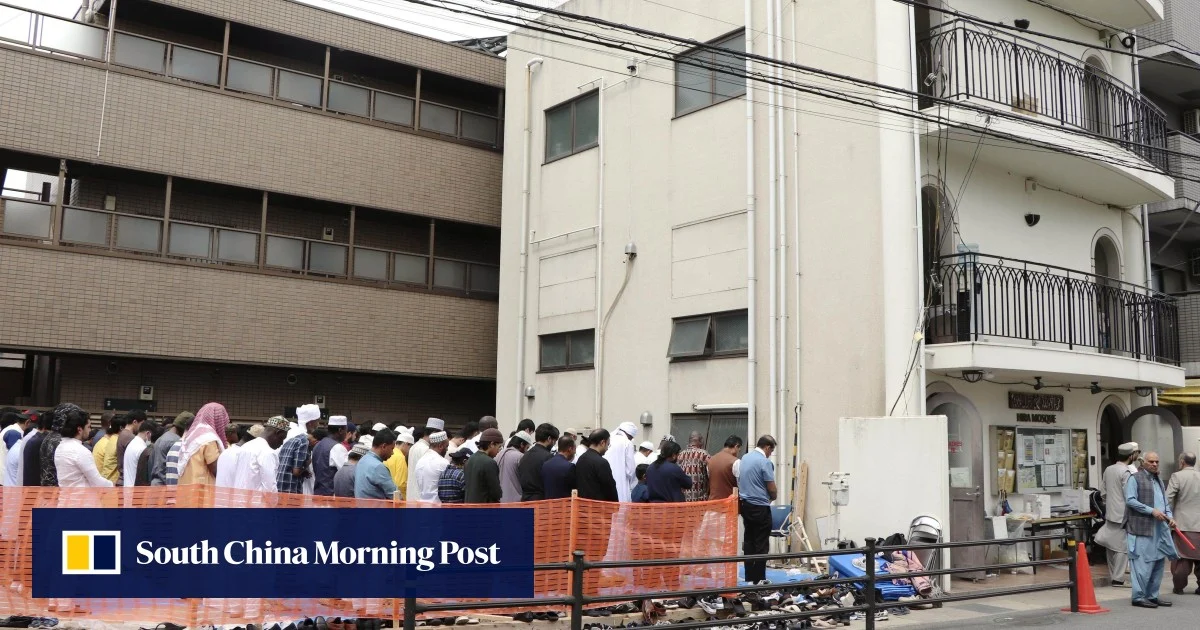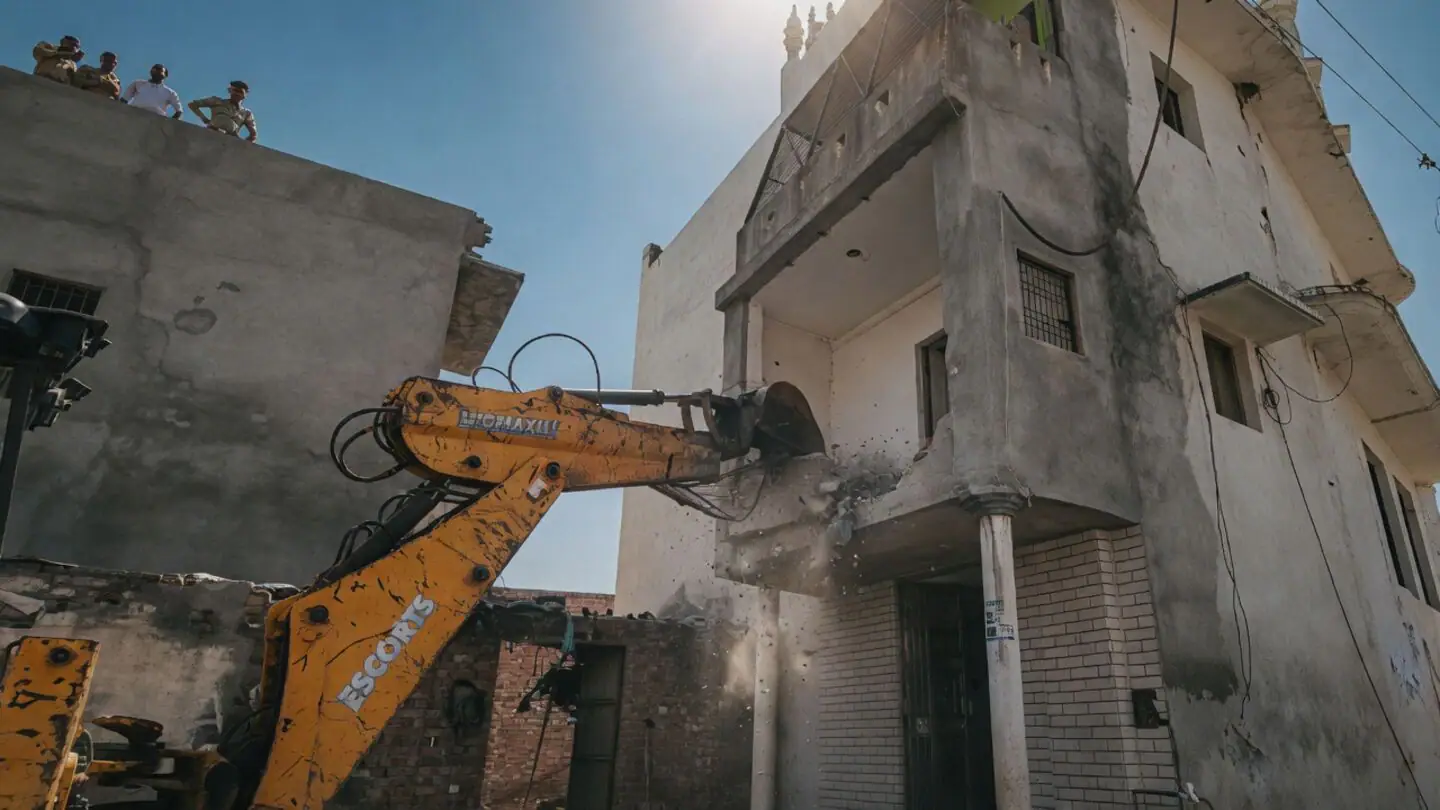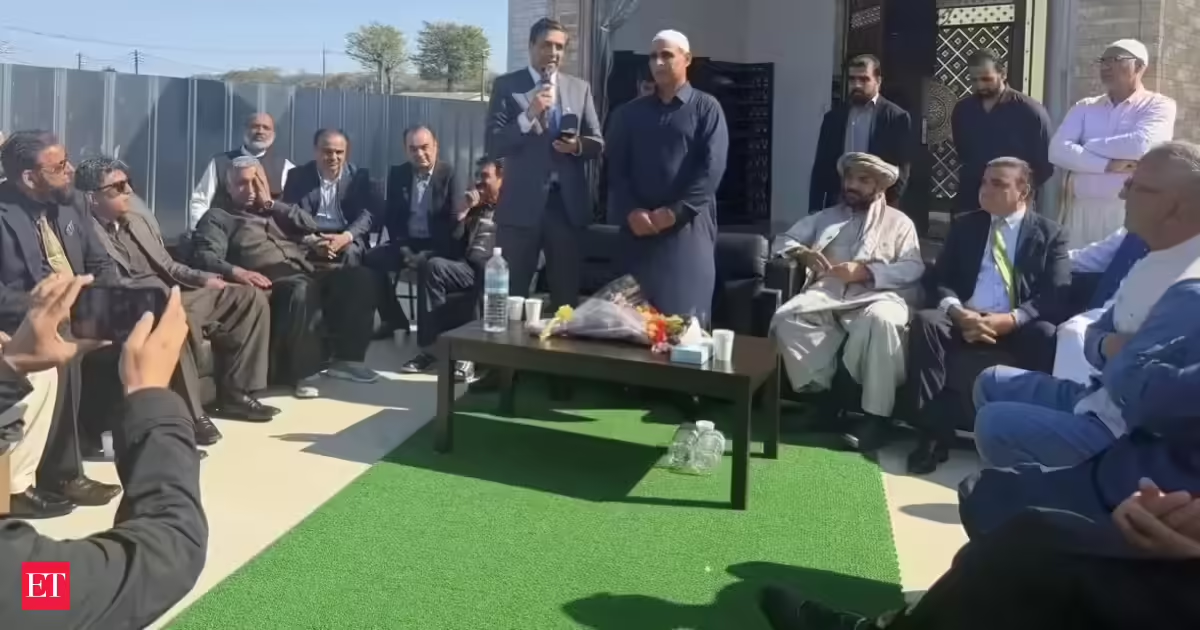
A mosque inaugurated by Pakistan’s ambassador in Japan has triggered a diplomatic and legal controversy after Japanese authorities declared it was constructed without proper permissions. The structure, located in Kawagoe near Tokyo, is now facing possible demolition as officials move to enforce local planning laws. The issue has drawn attention across both countries, with Pakistan’s embassy issuing clarifications following public scrutiny, reports local outlet Japan Forward.ALSO READ: Mumbai, Pune weather this weekMosque Inauguration Turns Into Legal DisputeThe mosque was inaugurated earlier this year by Pakistan’s ambassador in Japan, Abdul Hameed, but later inspections revealed that the building had been constructed without required approvals under Japan’s City Planning Act.ALSO READ: Kerala braces for monsoon arrival as IMD issues orange alertsKawagoe city authorities have stated that the structure was built in a restricted zone where construction is generally prohibited unless specific permissions are obtained.ALSO READ: Monsoon in Tamil NaduOfficials have now accepted applications seeking demolition of the building, escalating the matter from a planning violation into a full enforcement process."The building (mosque) was constructed in an urban development control area where construction is generally prohibited unless specific permissions are secured under the City Planning Act," an official statement by the City Hall said. "The building in question was constructed without the city's permission," the statement added.— Kemal_Bourguiba (@Kemal_Bourguiba) Tokyo’s Stand: “Illegal Construction” Without PermissionJapanese authorities have made it clear that the mosque does not comply with local regulations. According to municipal statements, the building was constructed in an area where development controls are strict, and no official permission was granted for the structure.City officials also confirmed that they had previously guided stakeholders on compliance steps, but the required approvals were not secured before construction proceeded.Pakistan Embassy Issues ClarificationFollowing the backlash, the Pakistan embassy in Tokyo has distanced itself from the construction process and emphasized adherence to Japanese law. In an official communication on social media, the embassy urged Pakistani nationals in Japan to follow all local regulations, especially regarding religious buildings.The embassy also stated that the ambassador attended the inauguration only after being informed that all legal permissions were in place, a claim now under scrutiny as the controversy deepens.“No construction project may be initiated without obtaining the necessary permits from local governments," Pakistan Embassy said. “The Embassy of Pakistan has no connection to any such projects, especially those that do not comply with the laws of local governments.”“Information regarding the legal aspects of all such projects should be communicated to all members of the community and to the residents of that area as well.”In a separate statement issued on May 31, the embassy said the ambassador had accepted the invitation to attend the inauguration only after organisers assured him that all required approvals had been obtained."The Embassy of Pakistan has no connection to any such projects, especially those that do not comply with the laws of local governments. This includes the event held in Kawagoe on April 3, 2026, for which the Ambassador of Pakistan accepted the invitation on the basis of information that all required permits in accordance with Japanese law had been obtained," the statement said.The embassy also called on community members to cooperate with local authorities and keep residents informed about such projects."Information regarding the legal aspects of all such projects should be communicated to all members of the community and to the residents of that area as well. The Embassy of Pakistan urgently requests all relevant members of the community to fully cooperate with Japanese authorities and to comply with Japanese laws in all circumstances, particularly in connection with projects of this nature," it added.Demolition Demand and Administrative ActionLocal authorities in Kawagoe have reportedly initiated procedures that could lead to the removal of the structure. While the process is still under review, officials have confirmed that violation notices were issued and corrective action has been formally requested.This has turned the issue into a sensitive administrative matter involving urban planning law enforcement and diplomatic attention.Why the Issue Matters in JapanJapan maintains strict zoning and construction regulations, particularly in urban control areas where building permissions are tightly regulated. Any violation of the City Planning Act can lead to stop-work orders, fines, or demolition directives if structures are found non-compliant.In this case, the added diplomatic angle has amplified public interest, especially given the involvement of a foreign mission at the inauguration stage. Both Japanese authorities and Pakistan’s diplomatic mission are expected to continue discussions as the case progresses.
Pakistan embarrassed in Japan as 'illegal' mosque inaugurated in presence of Pak ambassador now faces demolition
A mosque inaugurated by Pakistan's ambassador in Japan has sparked a diplomatic and legal controversy. Japanese authorities declared the structure in Kawagoe was built without proper permissions in a restricted zone, leading to possible demolition. The Pakistan embassy clarified its non-involvement in the construction process, emphasizing adherence to local laws.
TL;DRAI
Pakistan's envoy inaugurated a mosque in Kawagoe without permits; local authorities initiated demolition proceedings. Highlights compliance risk when foreign entities operate in jurisdictions with strict zoning enforcement.
738 words~3 min read