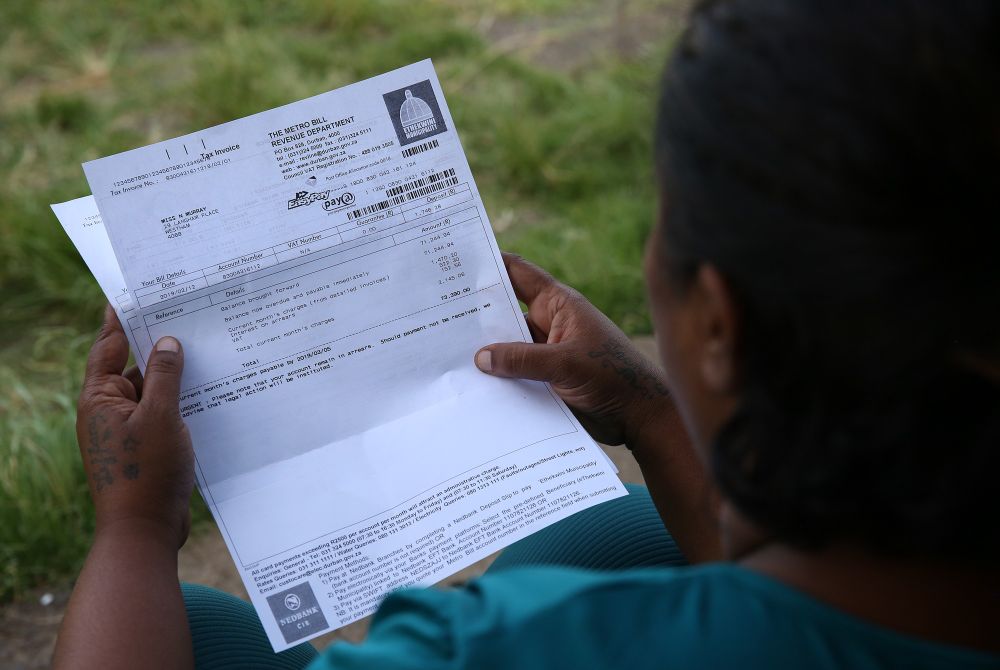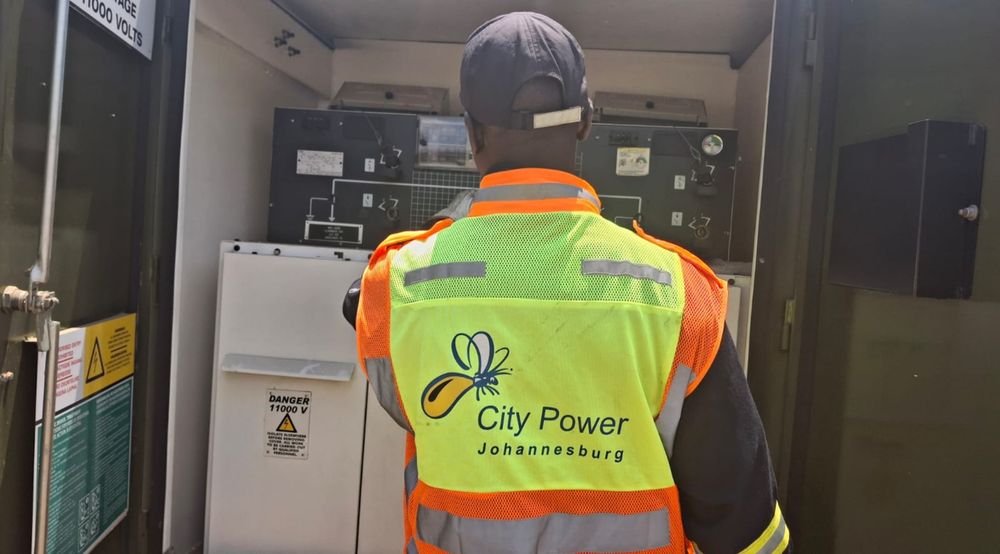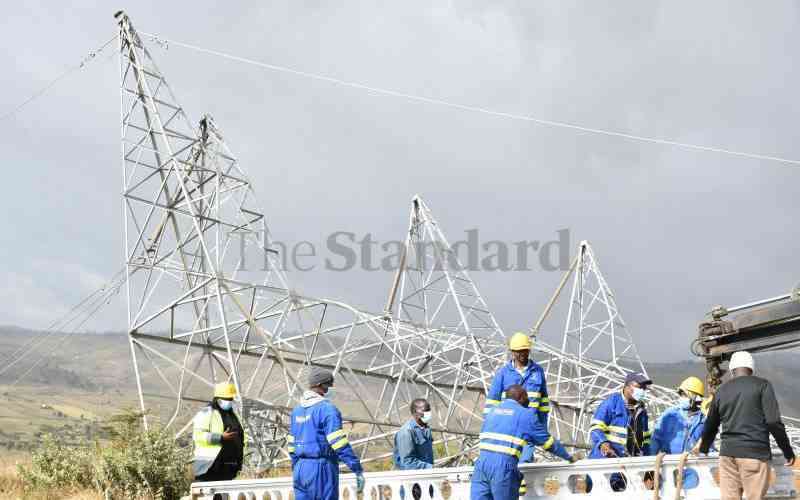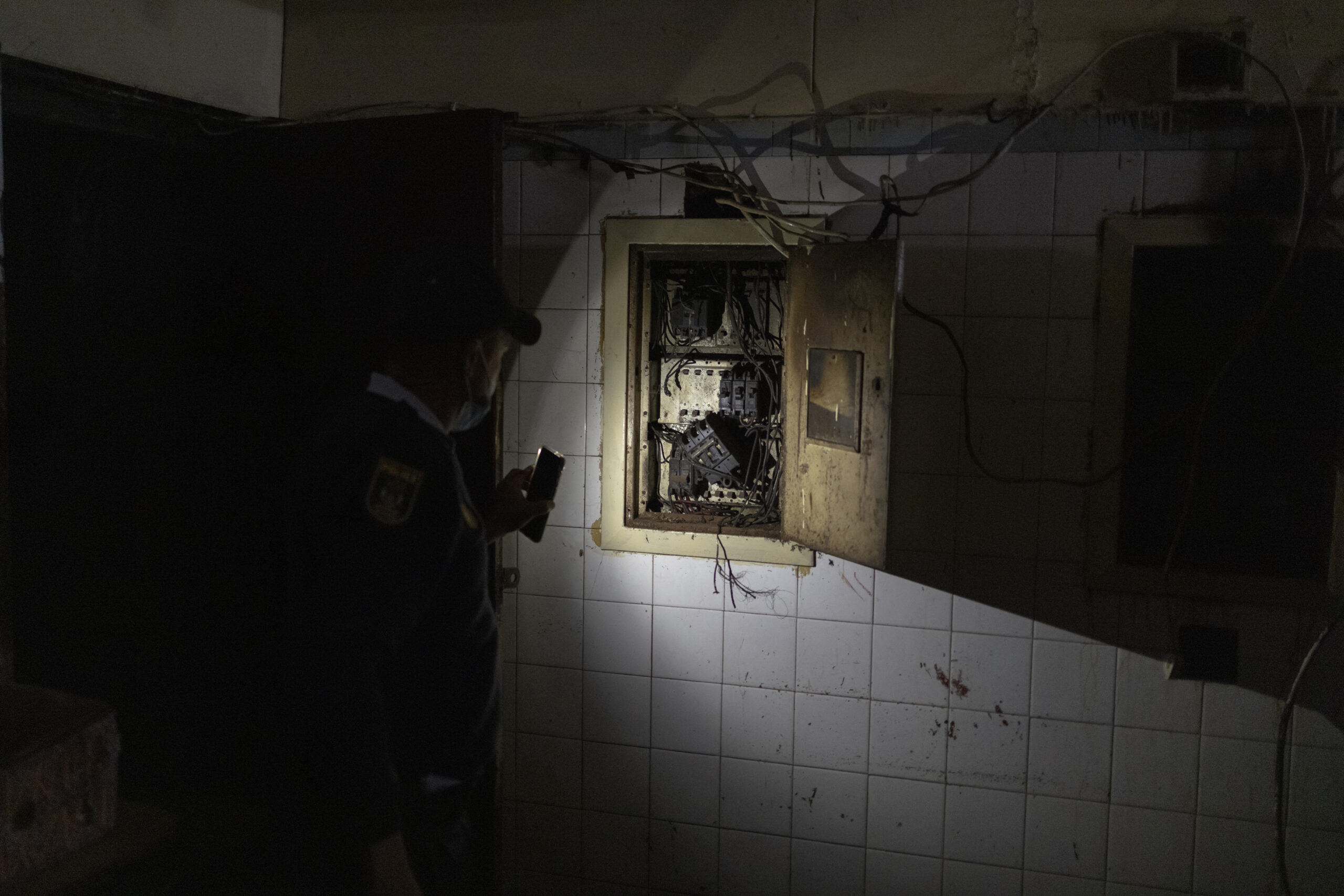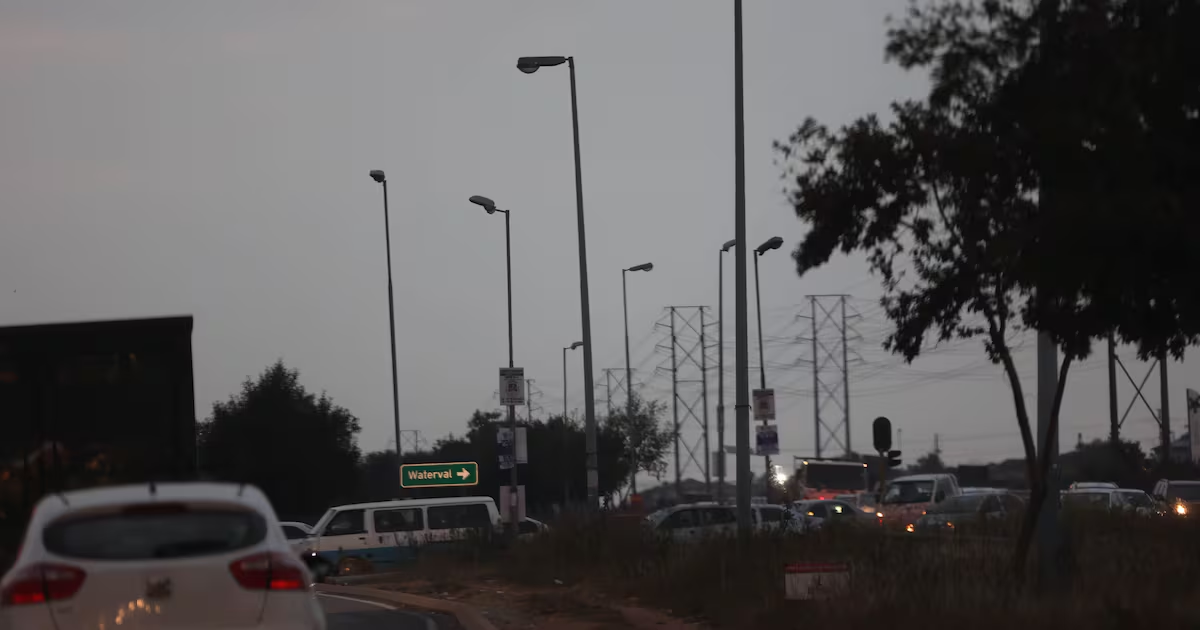
Power cuts brought about by the breakdowns of Eskom’s generation equipment and their socioeconomic impact got a lot of attention. Their economic effects were measured by economists, which was one reason political office-bearers were forced to intervene to bring an end to “load-shedding”. But breakdowns of electricity and municipal distribution equipment have not received the same level of attention. Their socioeconomic effect hasn’t been tallied. The main problem is that unlike Eskom’s outages, municipal breakdowns are not recorded centrally. Yet municipal breakdowns are equally devastating for households and businesses (especially small and medium-sized entities). Municipal power outages have a disproportionate effect on low-income households because poor people spend a disproportionately large share of their income on food and also buy bulk food items and freeze them. Lower-income households are also hit harder by the nature of municipal power outages which, unlike Eskom’s load-shedding, happen without warning. This means lower-income households don’t have the time to prepare their meals in advance. Nor do they have the money to buy alternative cooking equipment. Eskom’s power cuts began in 2007 and were most intense in 2020-23. Power cuts peaked at 21,715 gigawatt-hours in 2023, almost twice the 2022 level (11,724GWh). By this time their impact, especially on economic activity, was being tracked and featured in economic research, including by the Reserve Bank and National Treasury. There has been no such recording of municipal power failures. Take City Power, Johannesburg’s electricity utility. One gets a sense of the breakdowns of its electricity distribution equipment by following its X account, since the utility uses this social medium to publicise both the breakdowns it is attending to and the ones it has resolved. However, there is no easily accessible record of how many breakdowns City Power has per month or financial year, how long they lasted, either in gigawatt-hours or days, before they were fixed. So, unlike Eskom’s power cuts, City Power’s don’t make big media headlines. There should be similar recording and tracking of municipal power outages to enable citizens to keep track of their frequency and intensity and whether they are getting worse or not. In addition, municipal power outages should be recorded by area (ward) and cause ― cable theft or substation collapse, for instance. And these must be matched to each municipality’s performance targets. Municipalities buy electricity and resell it to about 60% of consumers (households and businesses), with Eskom distributing directly to the remaining 40%. Municipalities and Eskom are licensed by the National Energy Regulator of South Africa (Nersa) as distributors. To plug municipal failures, the government has introduced electricity distribution agency agreements. These enable municipalities to contract Eskom to manage their electricity distribution while leaving the municipality as the Nersa-licensed distributor. The distribution agency agreement is meant to help municipalities improve revenue collection and the reliability of their electricity distribution networks, according to electricity & energy minister Kgosientsho Ramokgopa’s response to a parliamentary question. Keeping a public record of municipal power outages in the same way as Eskom’s power cuts could result in increased focus on municipal electricity distribution failures and eventually raise enough public pressure to bring about change. But such records could also help the government make a case for the distribution agency agreement approach. • Sikhakhane, a former spokesman for the finance minister, National Treasury and South African Reserve Bank, is editor of The Conversation Africa. He writes in his personal capacity.
JABULANI SIKHAKHANE | Lack of records hides municipal electricity failures
Distribution agency agreements emerge as state’s fix for failing municipal networks
565 words~3 min read