Story audio is generated using AI
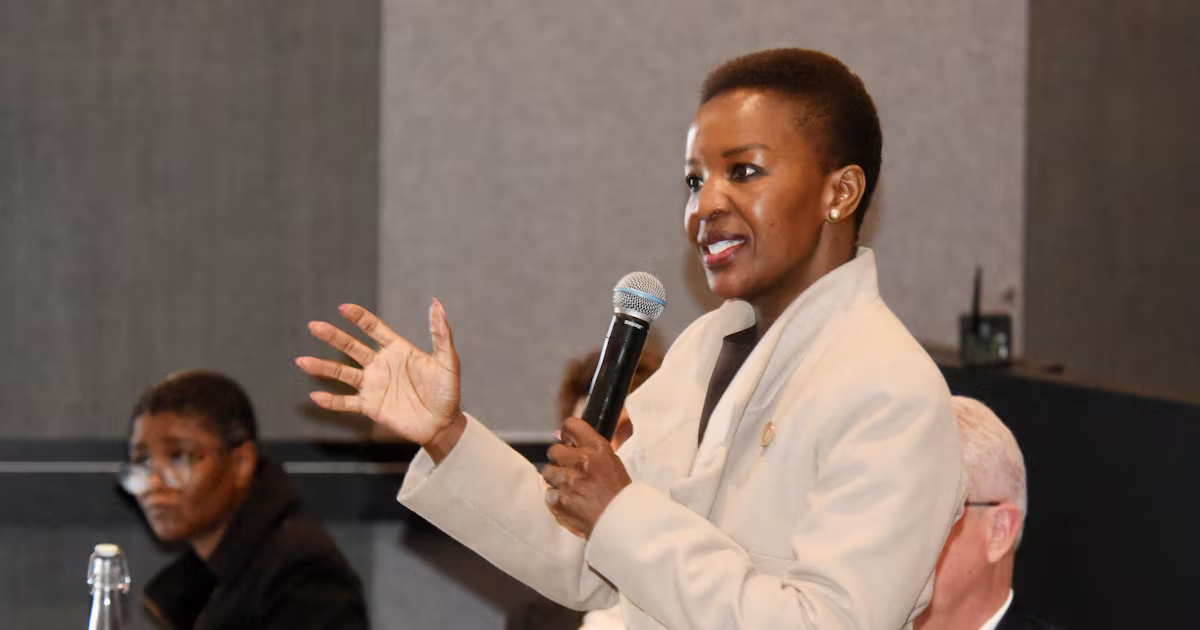
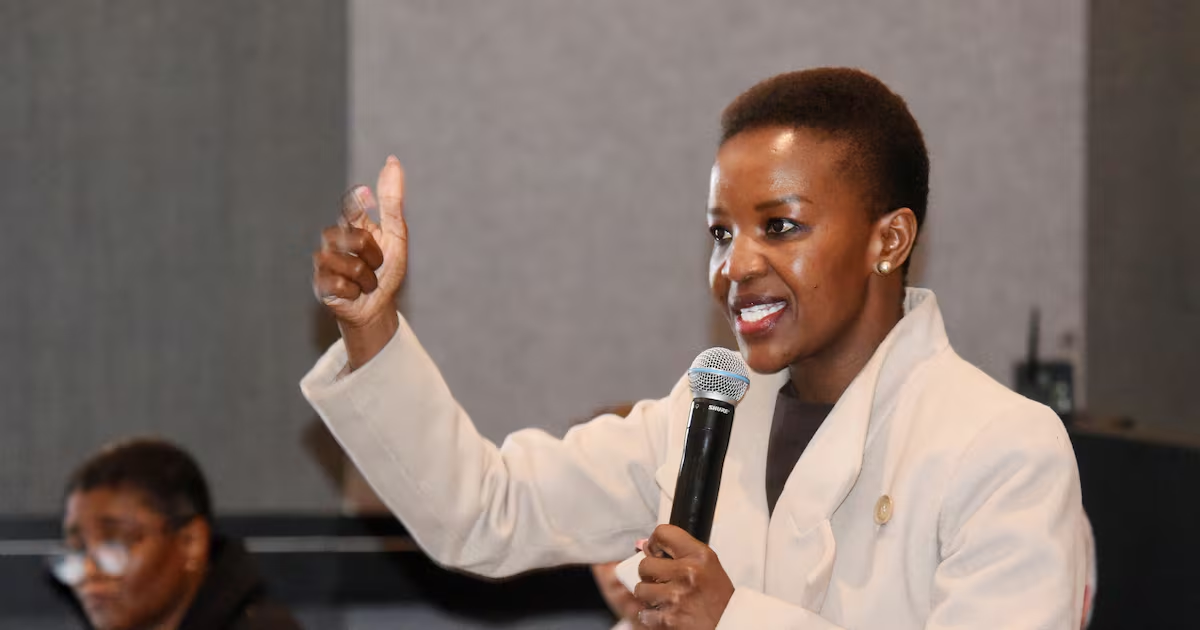
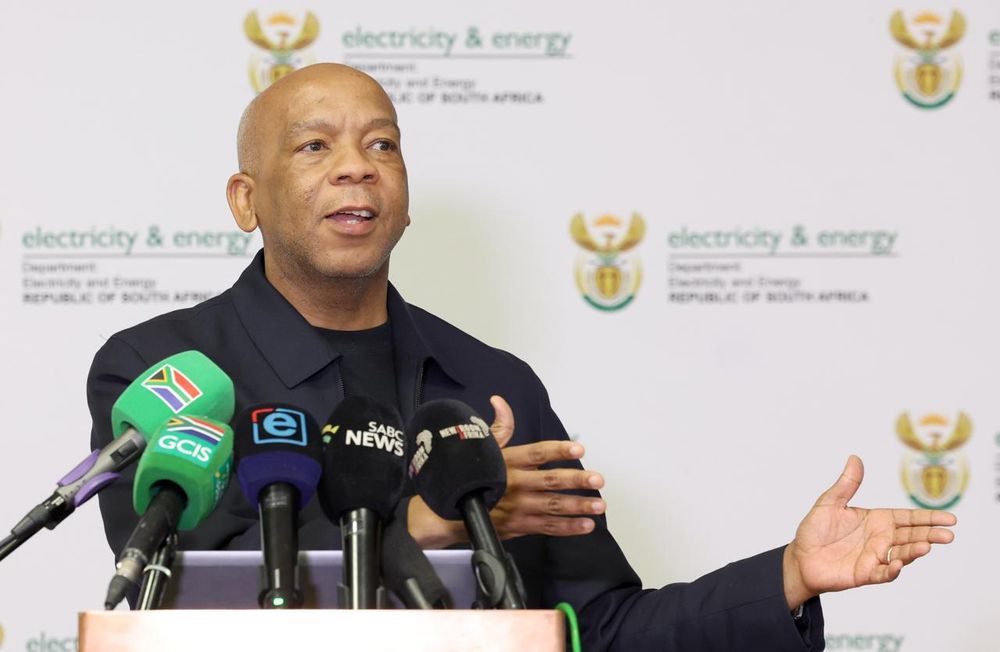
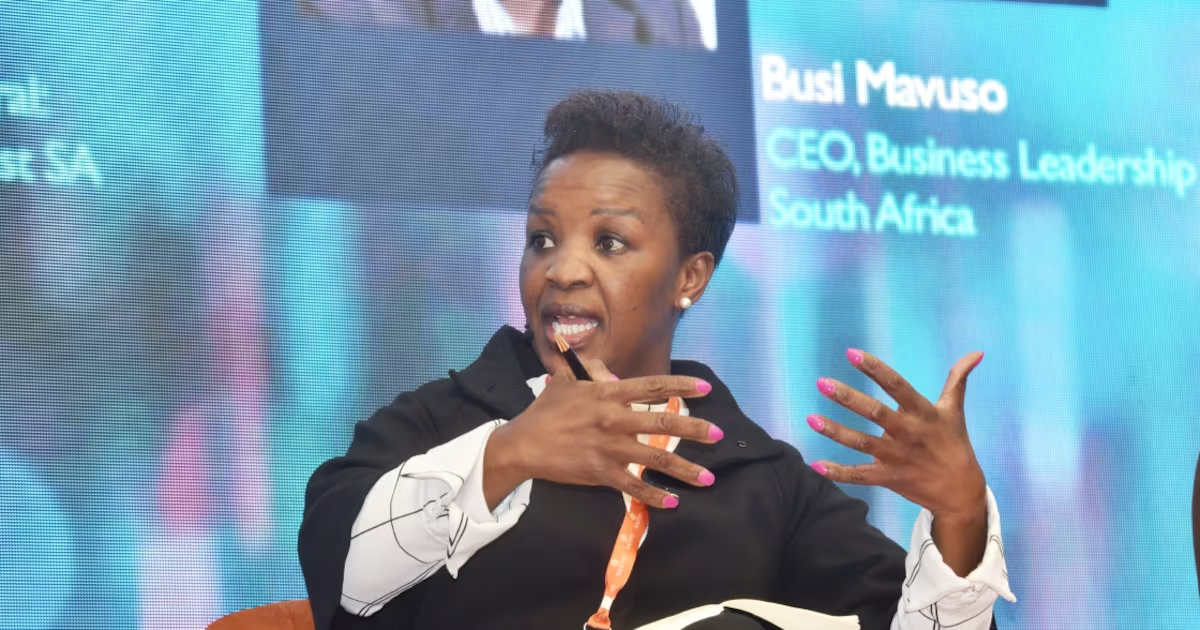
Business Leadership South Africa (BLSA) CEO Busi Mavuso says while Eskom had gone a year without load-shedding, municipal debt exceeding R130bn poses the biggest financial risk to the power utility’s recovery. That there has been no load-shedding in one of Africa’s largest economies for a year proves that reform is working, Mavuso said in her weekly newsletter on Monday. Eskom has been on the road to recovery after the parastatal was hollowed out during years of state capture. In March 2025 Eskom reported a profit after tax of R16bn for 2025, its first profit in eight years. Profit before tax was R24bn. The turnaround was supported by government debt relief, higher electricity tariffs and a significant decrease in load-shedding, which led to lower diesel costs. Eskom received a R254bn relief package from the National Treasury in 2023 in a programme that enjoined local government to pay their dues to Eskom. Municipalities owed Eskom more than R100bn, a figure that has since ballooned to more than R130bn. On Monday Mavuso said Eskom completing a year without load-shedding was a remarkable turnaround from “only three years ago when we experienced 300 days of load-shedding with a devastating impact on the economy”. The energy availability factor is up and unplanned maintenance is down. We are seeing the benefits of the aggressive pre-emptive maintenance done over the past three years— Busi Mavuso, BLSA CEO “While there are many contributors to this achievement, I congratulate in particular CEO Dan Marokane and his leadership team at Eskom. Through his leadership, the utility has implemented its generation recovery plan, which has successfully improved plant performance,” the BLSA CEO said. “The energy availability factor is up and unplanned maintenance is down. We are seeing the benefits of the aggressive pre-emptive maintenance done over the past three years.” She said credit must also go to energy and electricity minister Kgosientsho Ramokgopa, who has fostered a conducive policy environment. Mavuso said Eskom’s recovery has come at the same time as important reforms to the electricity sector overall, “on our path to a fundamentally transformed electricity market”.“While there are still critical reforms ahead of us to realise that vision, we are far down the path. “The end of load-shedding was also facilitated by the growth in private sector energy generation. Nersa [National Energy Regulator of SA] has now registered more than 2,300 private sector generating facilities, which collectively have more than 18GW of capacity, representing more than R360bn in investment. Rooftop solar installations have also surged and now account for an estimated 10% of total electricity production.” Eskom said the milestone marked a decisive turning point and a structural shift from a recovering grid to a stable, high-performing power system, and the utility saved R26.9bn in diesel costs over the past three years and ensured it met 100% of the nation’s electricity demand. “This moment has been three years in the making since the inception of the generation recovery plan. Eskom’s employees have again delivered using their deep technical and institutional capability built over decades of public investment that remains a critical part of our national capacity, which will now increasingly focus on delivering cleaner sources of energy,” said Eskom board chair Mteto Nyati. “The Eskom board and I are proud of the leadership demonstrated by the Eskom executive team led by Dan Marokane and the perseverance and focus of Eskom employees after the state capture years.”Eskom has the scale and human capital experience to partner with investors to help deliver South Africa’s R2.23-trillion integrated resource plan for investment in the energy sector— Dan Marokane, Eskom CEOMarokane said: “South Africa now has a stable electricity platform to enable an orderly transformation of the industry, as no energy market liberalisation in the world has been successful without a stable incumbent. “The delivery of this milestone again demonstrates that Eskom’s true progress is rooted in the expertise of its 40,000 people, our original equipment manufacturers (OEMs) and other partners. Government intervention through the energy action plan has also been an important factor towards the progress we have made. Eskom has the scale and human capital experience to partner with investors to help deliver South Africa’s R2.23-trillion integrated resource plan for investment in the energy sector,” Marokane said. Mavuso said Eskom’s improvement would contribute to its financial health. “For one thing, improved plant performance has meant a R9bn saving from not using diesel in the open cycle gas turbines. Revenue will improve too as Eskom has more electricity to sell.” One major unresolved challenge for Eskom, however, was the huge amount owed to it by local government, she said. “Johannesburg was in the headlines last week after Eskom threatened to cut off the metro over the R5.2bn it owes the utility. It is among the biggest defaulters, but the total debt owed by municipalities exceeds R130bn. This is the biggest financial risk facing the utility and the biggest barrier to Eskom’s full financial recovery,” Mavuso said. In his state of the city address last week, Johannesburg mayor Dada Morero said the metro won’t fight Eskom over the matter but will work with Ramokgopa and the South African Local Government Association to resolve it. Mavuso said Johannesburg’s debt to Eskom was a symptom of the wider crisis facing the metro. “Yet it was deeply disappointing last week to hear mayor Morero, in his state of the city address, proclaim Johannesburg was a city on the rise. This is out of touch with the reality facing citizens who must cope with regular water interruptions, electricity failures, robots and street lights that don’t work, and a financial crisis that National Treasury has sounded alarm bells about,” she said. “The mismanagement of South Africa’s economic heartland is a considerable constraint on the economy of the whole country. Yet the mayor could not level with the people that city management is failing or be honest about the root causes.”Business Day