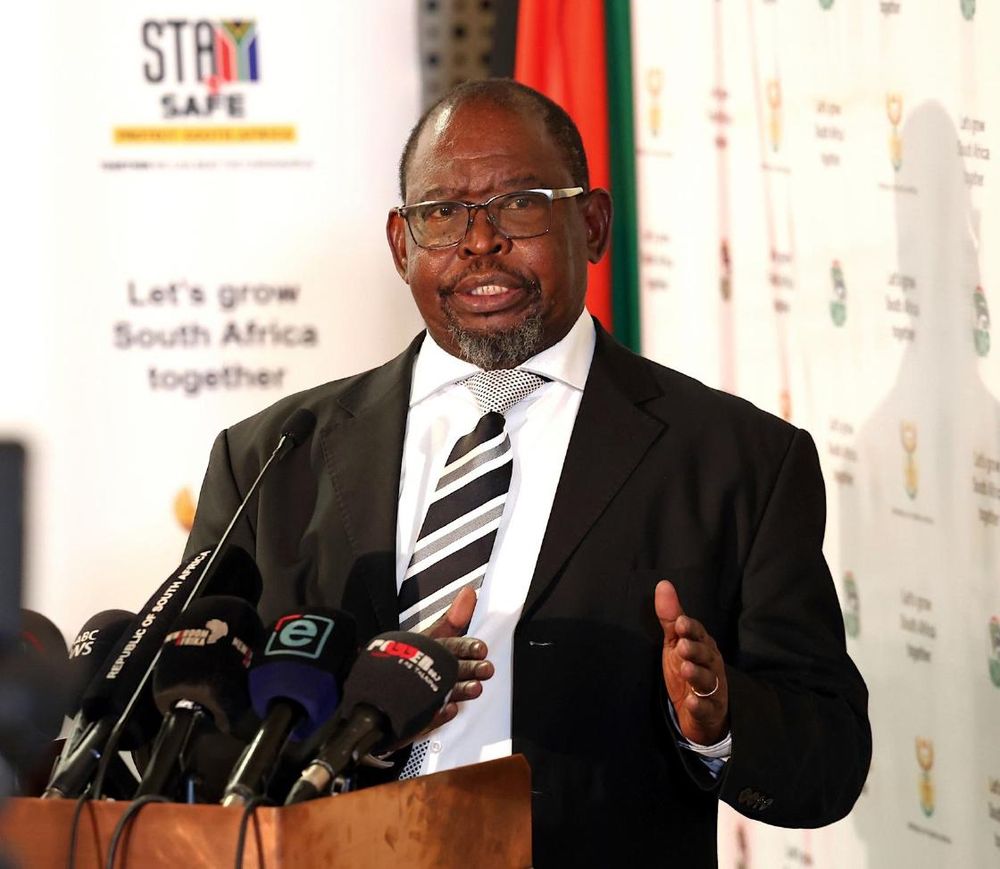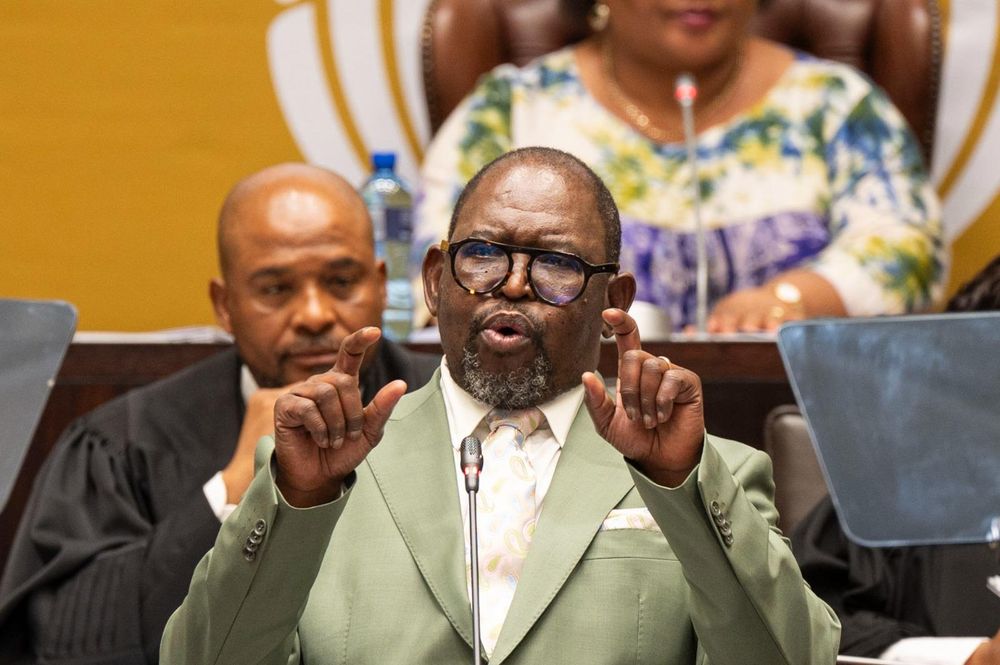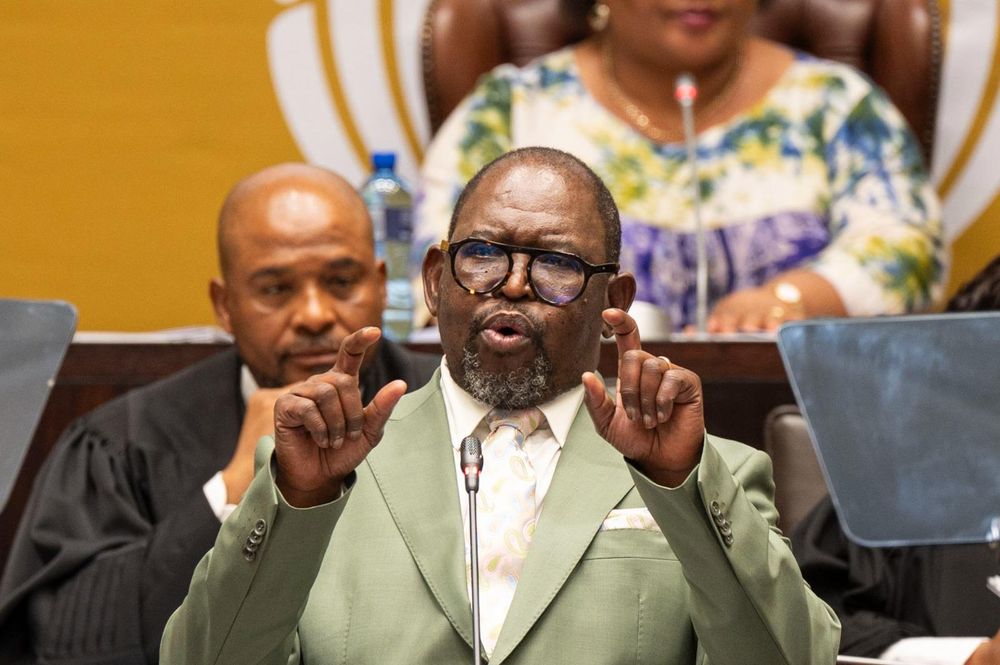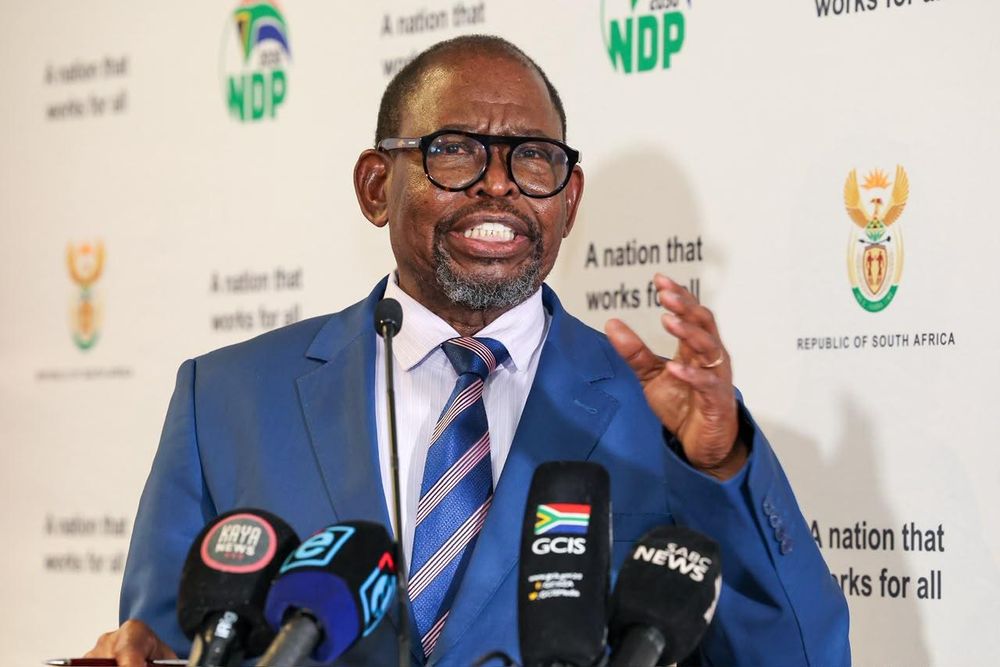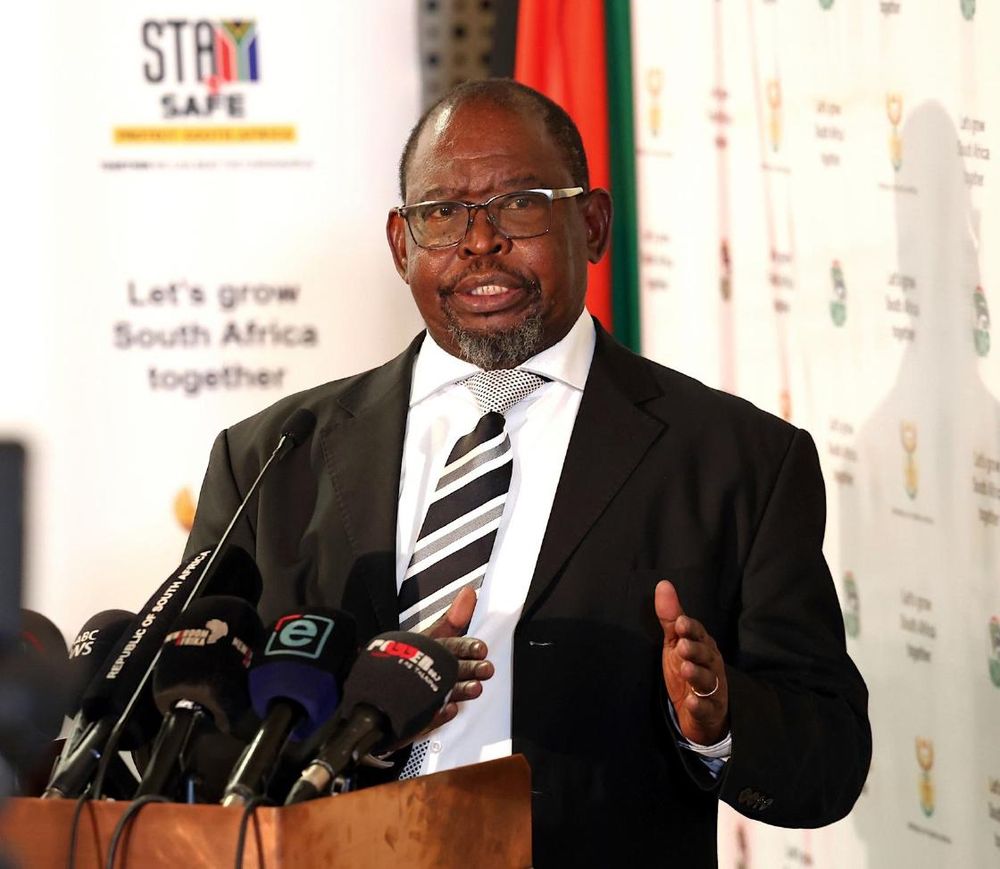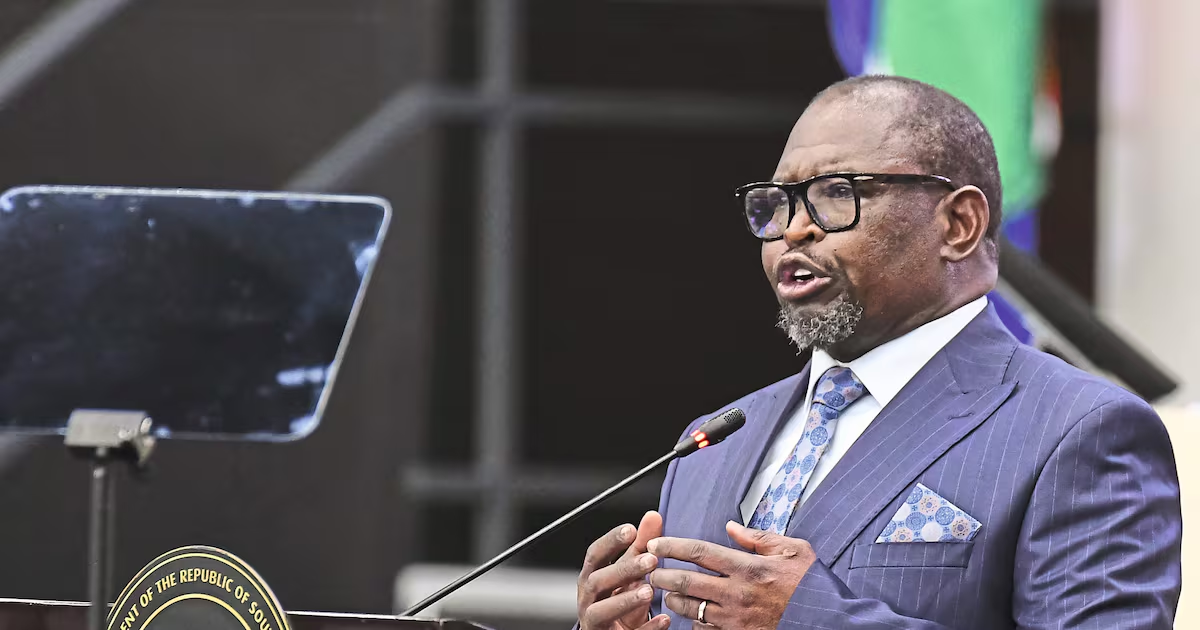
Story audio is generated using AIGovernment has no intention of establishing a new state-owned commercial bank, which opposition political parties have lobbied for. Finance minister Enoch Godongwana enunciated this refusal in a written reply to a parliamentary question by MK party MP Zwelakhe Mthethwa, who wanted to know whether a state commercial bank is on the cards “given the stringent requirements set by the South African banking industry to qualify for funding”. Such a bank, Mthethwa suggested, would be able to invest in communal land and assist in the acquisition of assets such as land. Opposition parties, including the EFF, argue that a state-owned bank would facilitate financial inclusion and address the difficulties black businesses have in accessing bank finance.In 2018 the EFF proposed the Banks Amendment Bill to amend the Banks Act to enable state-owned companies to set up and operate commercial banks. The MK party also supports the creation of state-owned banks. Godongwana rejected the idea, saying South Africa has a number of state banks, including Land Bank, Postbank (which is in the process of finalising its application for a banking licence), the Development Bank of Southern Africa, the Small Enterprise Development and Finance Agency, and other national and provincial development finance institutions. It would be important, the minister said, to determine the market failure that the government would be attempting to address with the creation of a new state-owned bank, and whether these market failures could not be adequately addressed within the framework of existing public and private sector financial institutions. “Given the constrained fiscal environment, as I outlined in the 2026 national budget speech, it is also vital to note government does not have the financial resources to inject into a new state bank, especially since the country already faces challenges with the financial position of existing state banks. “Ultimately, it is imperative no state bank be a burden on the fiscus and that all state banks must be able to generate sufficient own revenue to fund their operations. “It is paramount that all banks are managed prudently at all stages, with the highest regard for sound corporate governance practices and ethical conduct. If any bank lends recklessly or is managed poorly and/or fraudulently by its board of directors or management, such bank will fail and face the prospect of closure. “There needs to be a clear balance between providing access to finance to underserviced markets (market failure), and pricing of risk to ensure sustainability,” the minister said. “Even for a bank that is mandated to support land and agricultural development, such as Land Bank, the government as the shareholder is not able to dictate its day-to-day operations as that is left to the board of directors and executive management of the bank. They are ultimately accountable for its performance, including ensuring it is financially sustainable and does not require financial support from the shareholder (government) on a continuous basis.”
Godongwana rules out new state bank
Finance minister rules out a project that EFF and MK party have been pushing for
484 words~2 min read