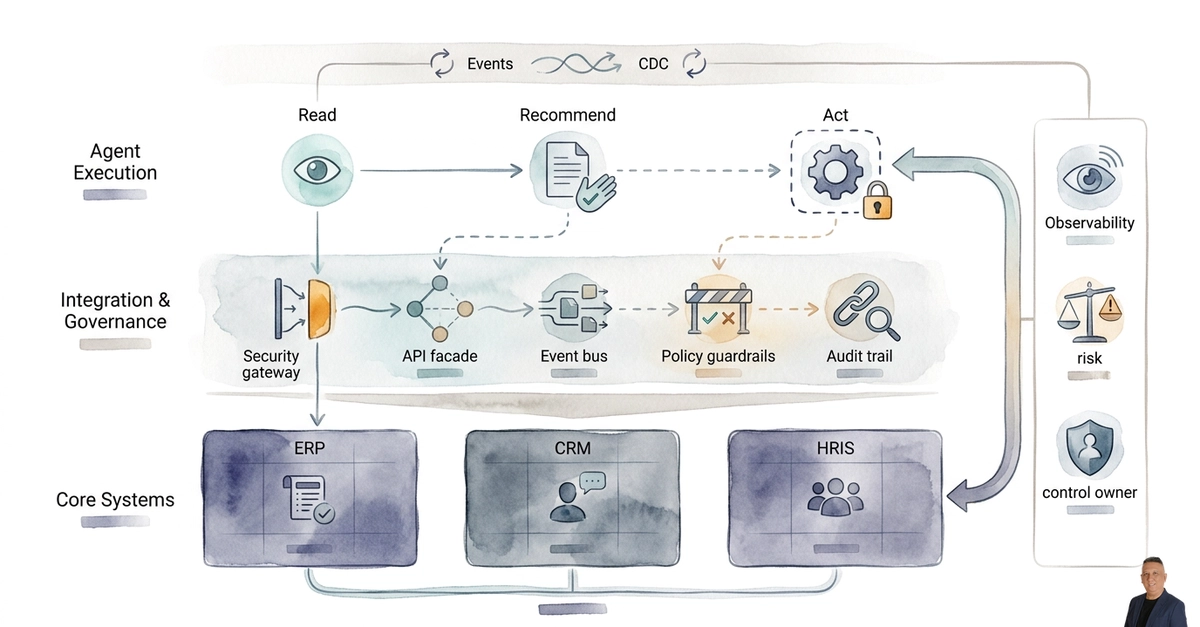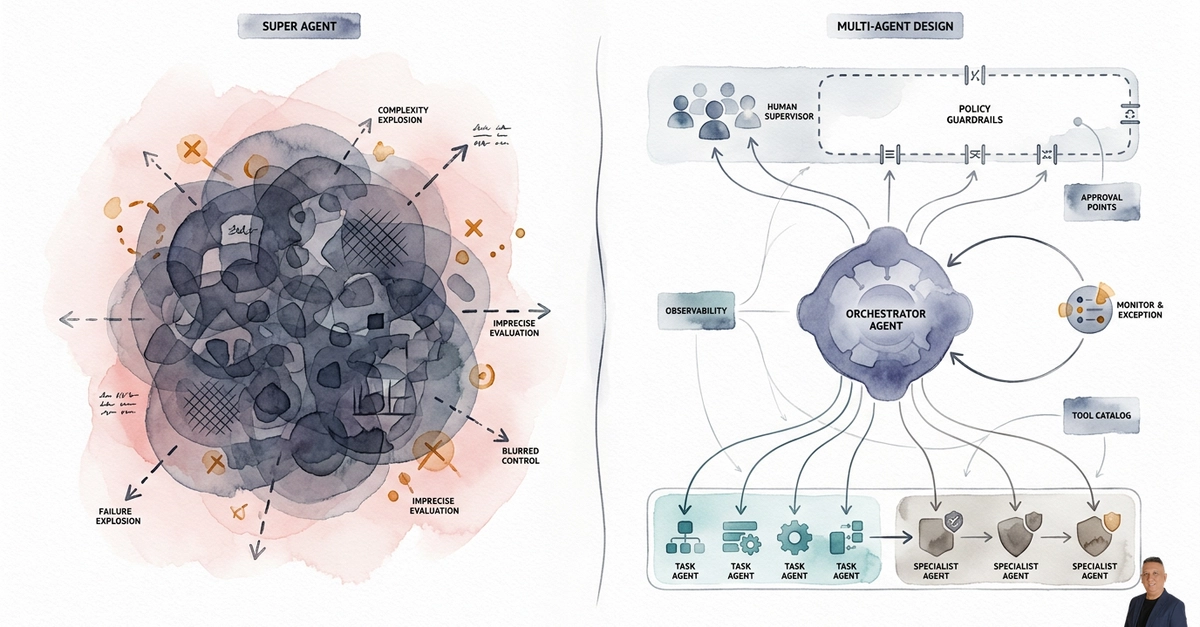
Your finance team built an agent that helps close the books. It connects to the ERP, reads journal entries, and drafts reconciliations. In the demo, everything worked beautifully.
Then came the real month-end close. The agent misread invoice statuses. It recommended wrong accounts. It escalated exceptions that had already been resolved. Your team spent the weekend rechecking everything from scratch.
What went wrong? Not the model. Not the agent framework. The problem was the data.
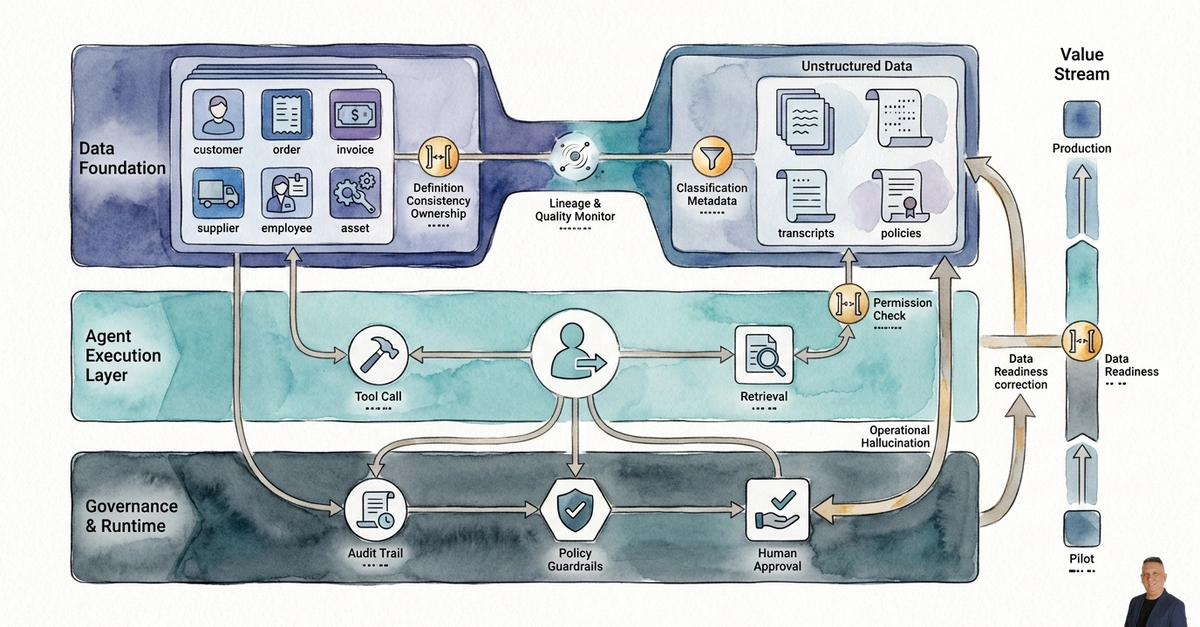
Most companies obsess over which model to use, which agent platform to adopt, or how to orchestrate workflows. But in an enterprise context, models are increasingly interchangeable. What cannot be bought or copied is your company's context: how you define a "customer," how your approval chains work, what counts as a policy exception, and how your business entities relate to each other.
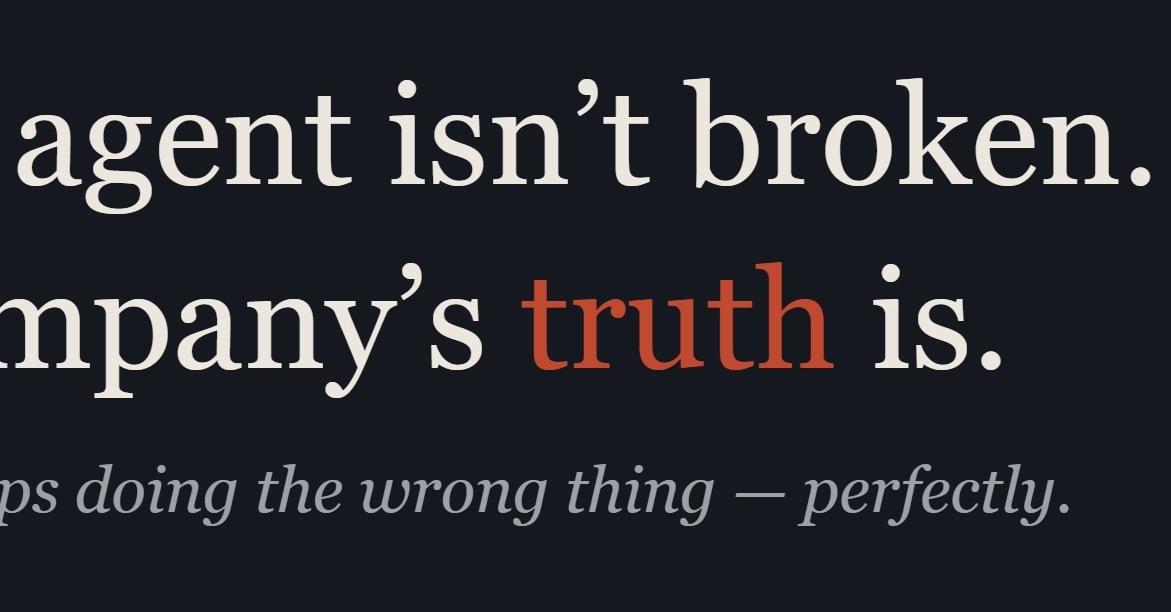
Without a strong data foundation, your agent will sound confident and be wrong. It will make recommendations that look reasonable but violate your actual business rules. This isn't model hallucination — it's something far more dangerous for operations.