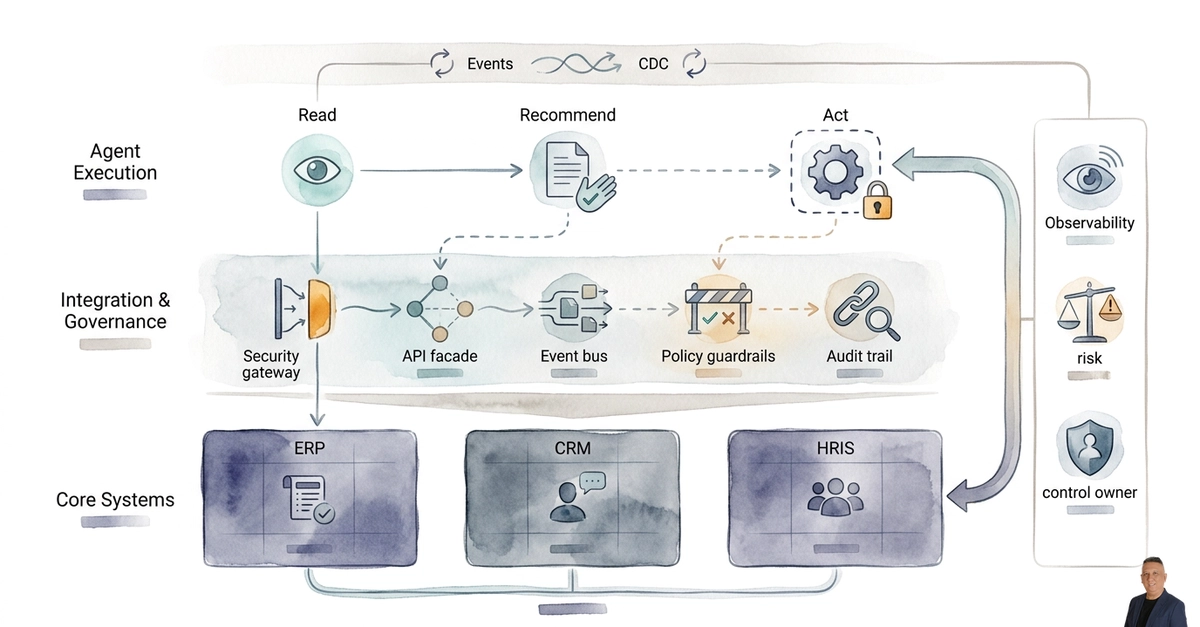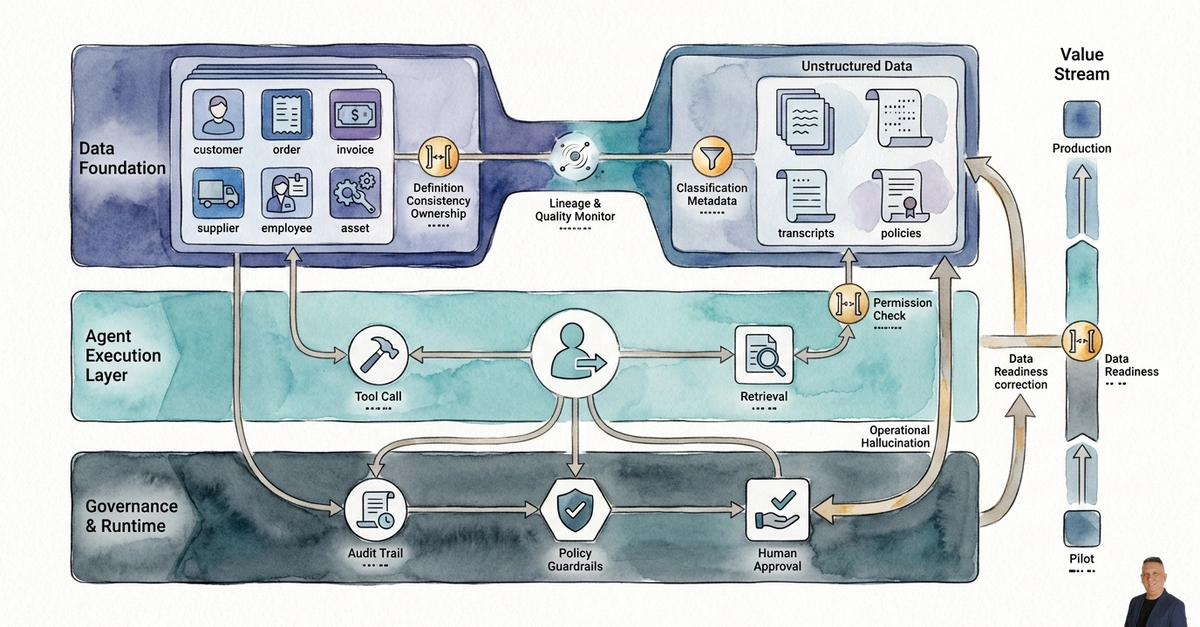
Your finance team is trying to close the books. Data is scattered across ERP, spreadsheets, and email threads. There are journal anomalies to analyze, reconciliations half-finished, and tax policies to verify. Someone suggests letting AI handle it. And then the question hits: Do we build one agent that does everything, or several agents with different jobs?
This isn't a technical detail. It's the most consequential design decision you'll make.
Most teams start with the wrong question. They ask, "Which model should we use?" or "Which agent framework should we pick?" But the more fundamental question is: What kind of agent do we actually need?
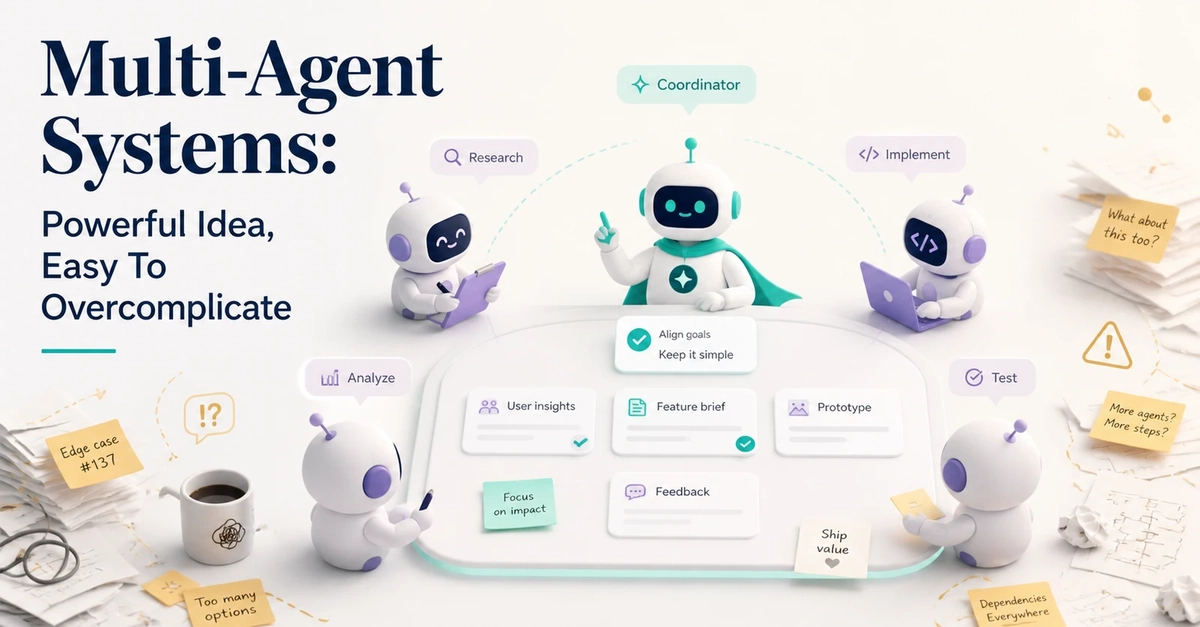
The answer is almost never "one super agent."
The monolithic approach (left) creates complexity, blurred control, and imprecise evaluation. The multi-agent design (right) brings clarity, control, and auditability.