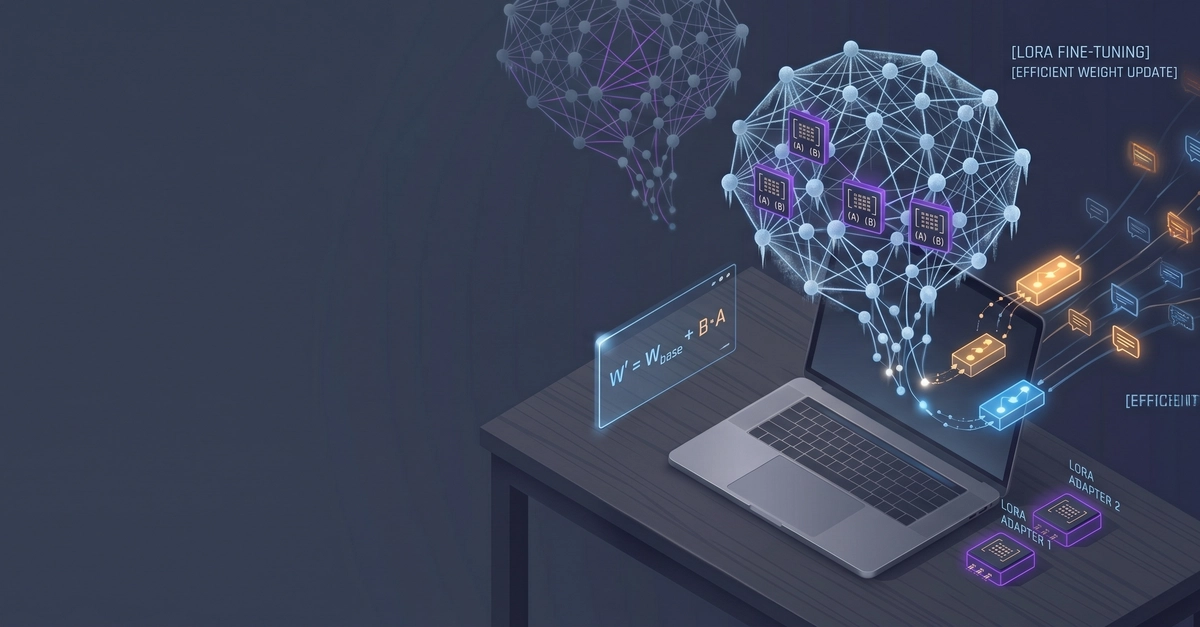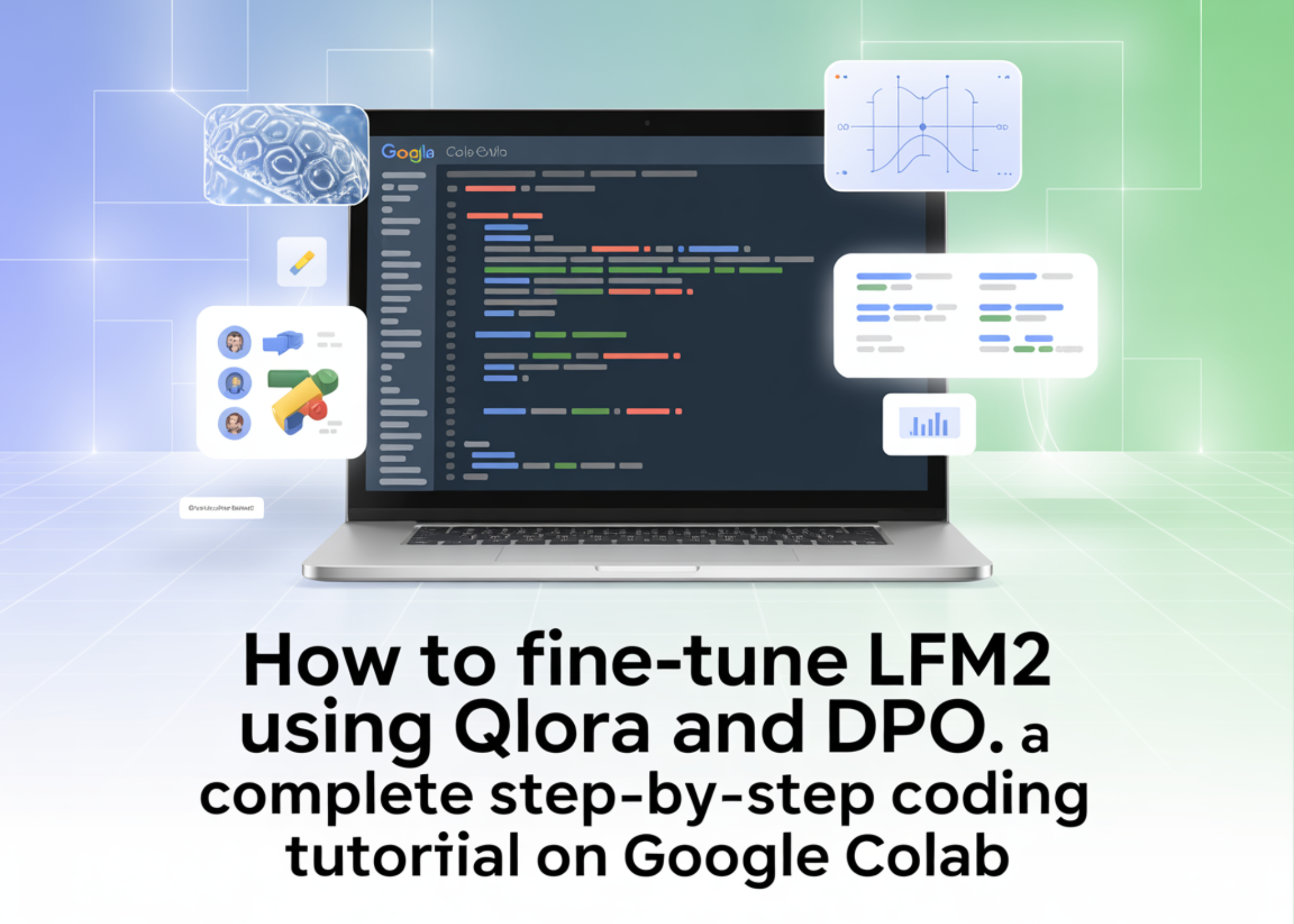
In this tutorial, we fine-tune Liquid AI’s LFM2 model through a complete open-source workflow. We start by loading the base LFM2 checkpoint with QLoRA, preparing a chat-style supervised fine-tuning dataset, training a lightweight LoRA adapter using TRL and PEFT, and then merging the adapter back into the model. We also extend the workflow with DPO to show how we can improve response preference using chosen and rejected answers. At the end, we have a practical pipeline that moves from a base LFM2 model to an SFT-tuned, preference-aligned checkpoint, ready for further testing or deployment.
!pip install -q -U "transformers>=4.55" "trl>=0.12" "peft>=0.13" "datasets>=2.20" "accelerate>=0.34" bitsandbytes
import torch, gc
from datasets import load_dataset, Dataset
from transformers import AutoModelForCausalLM, AutoTokenizer, BitsAndBytesConfig