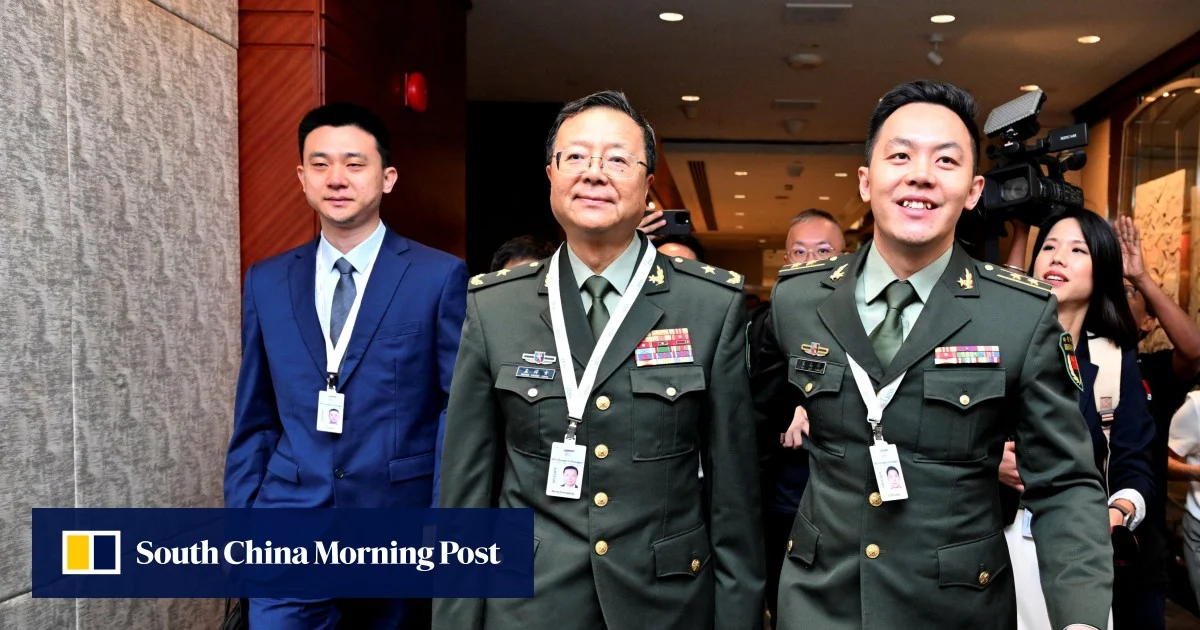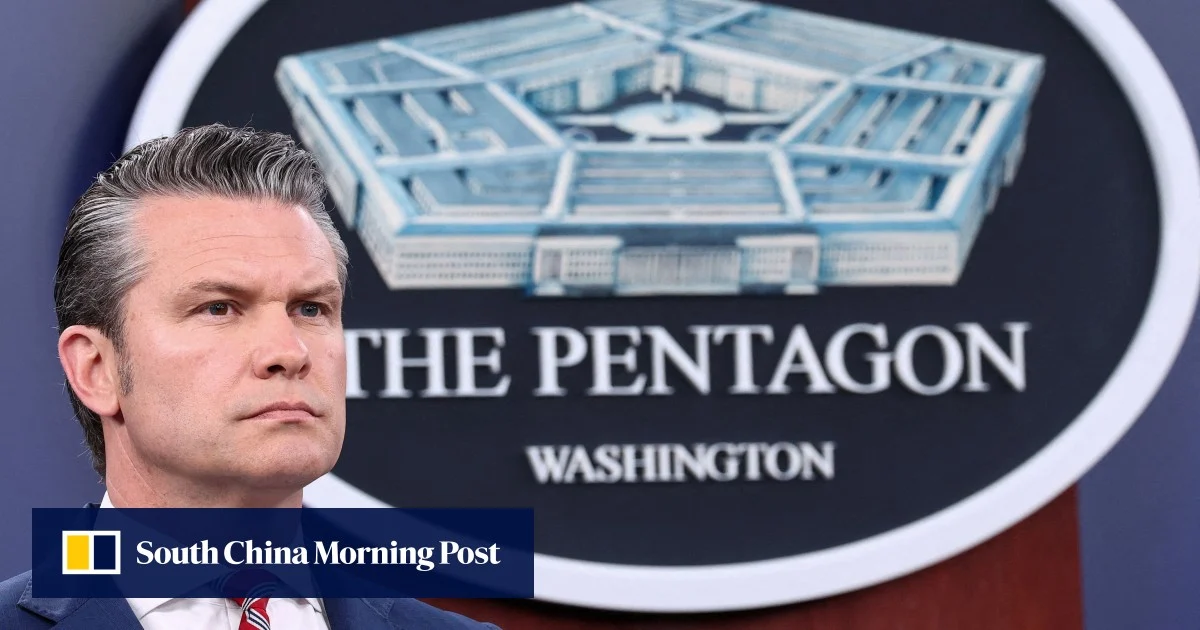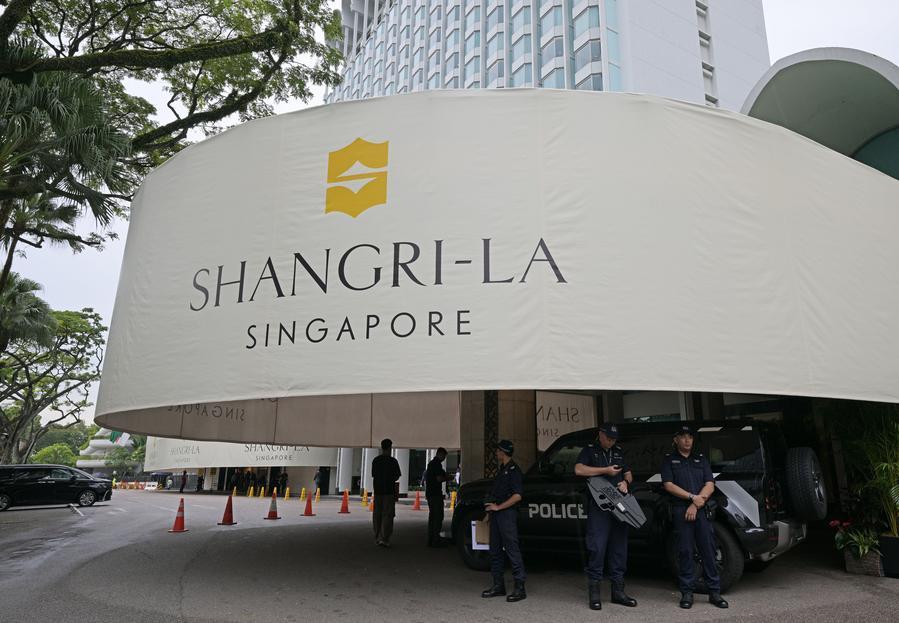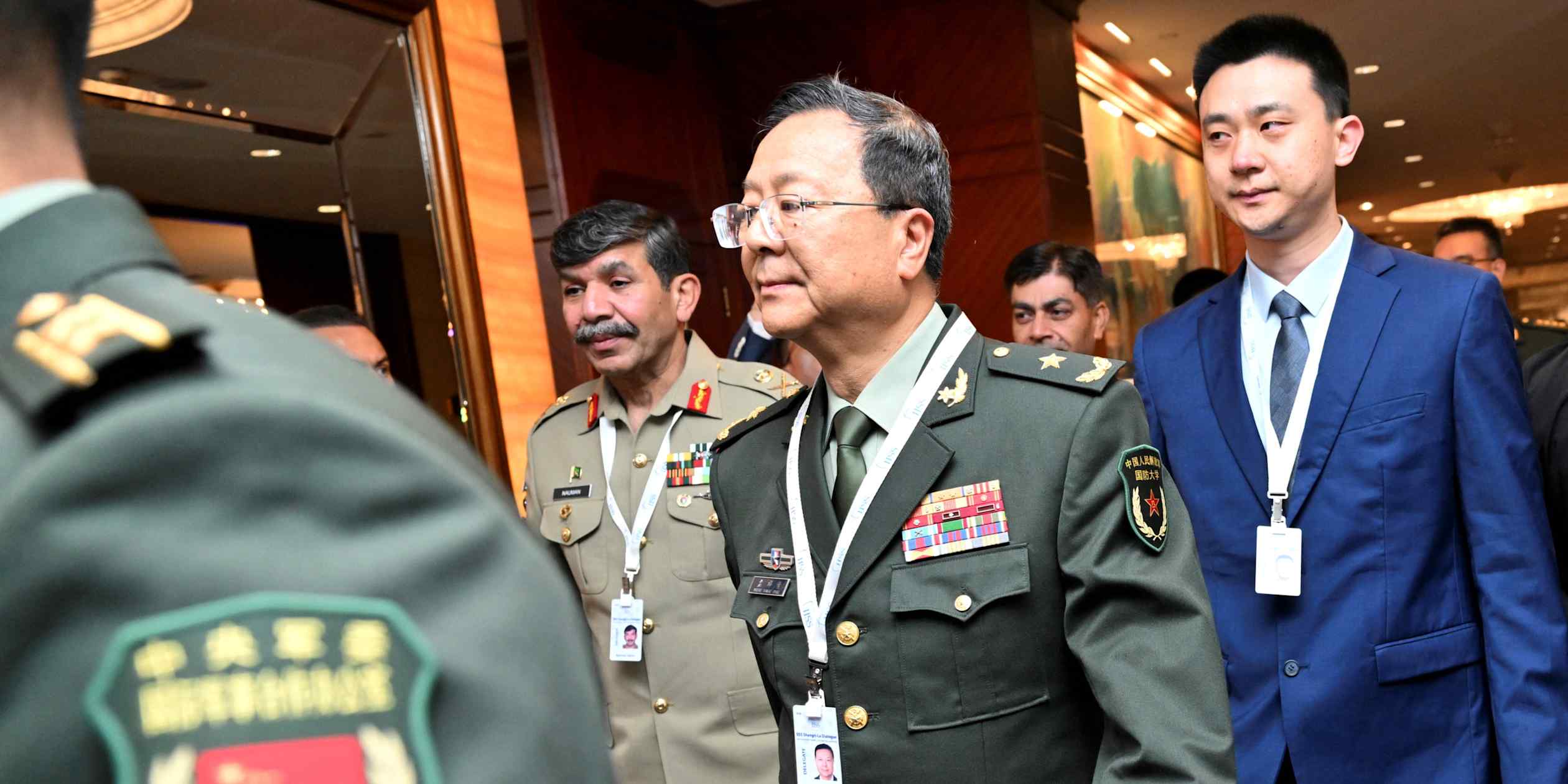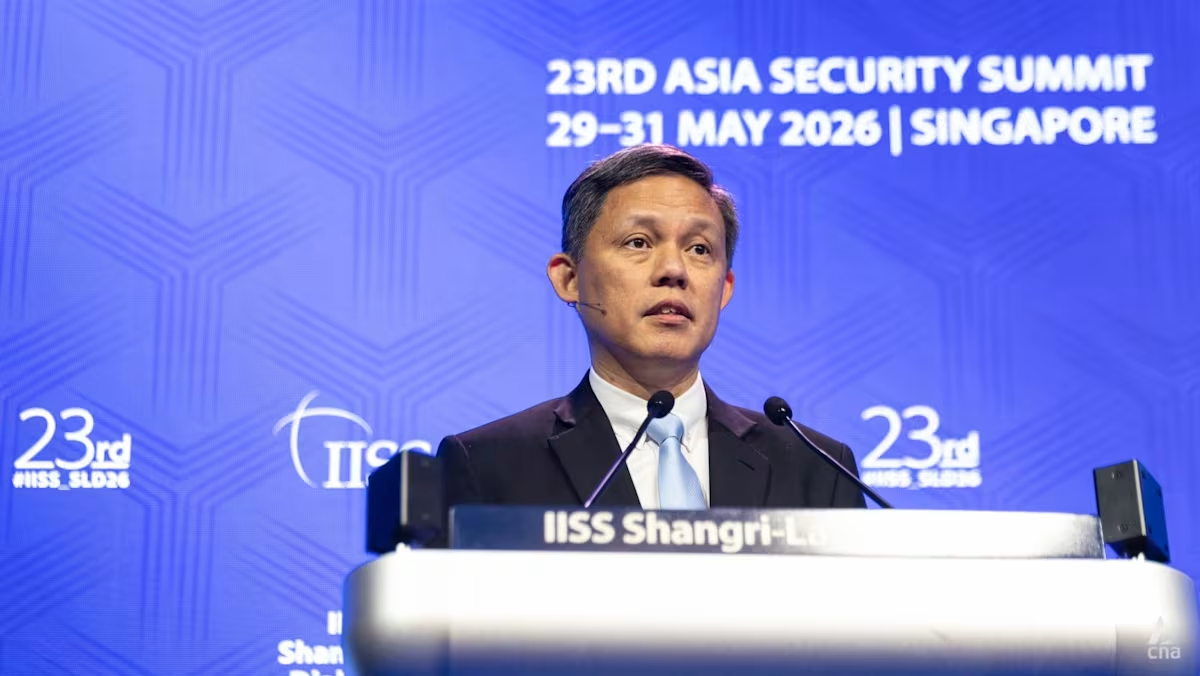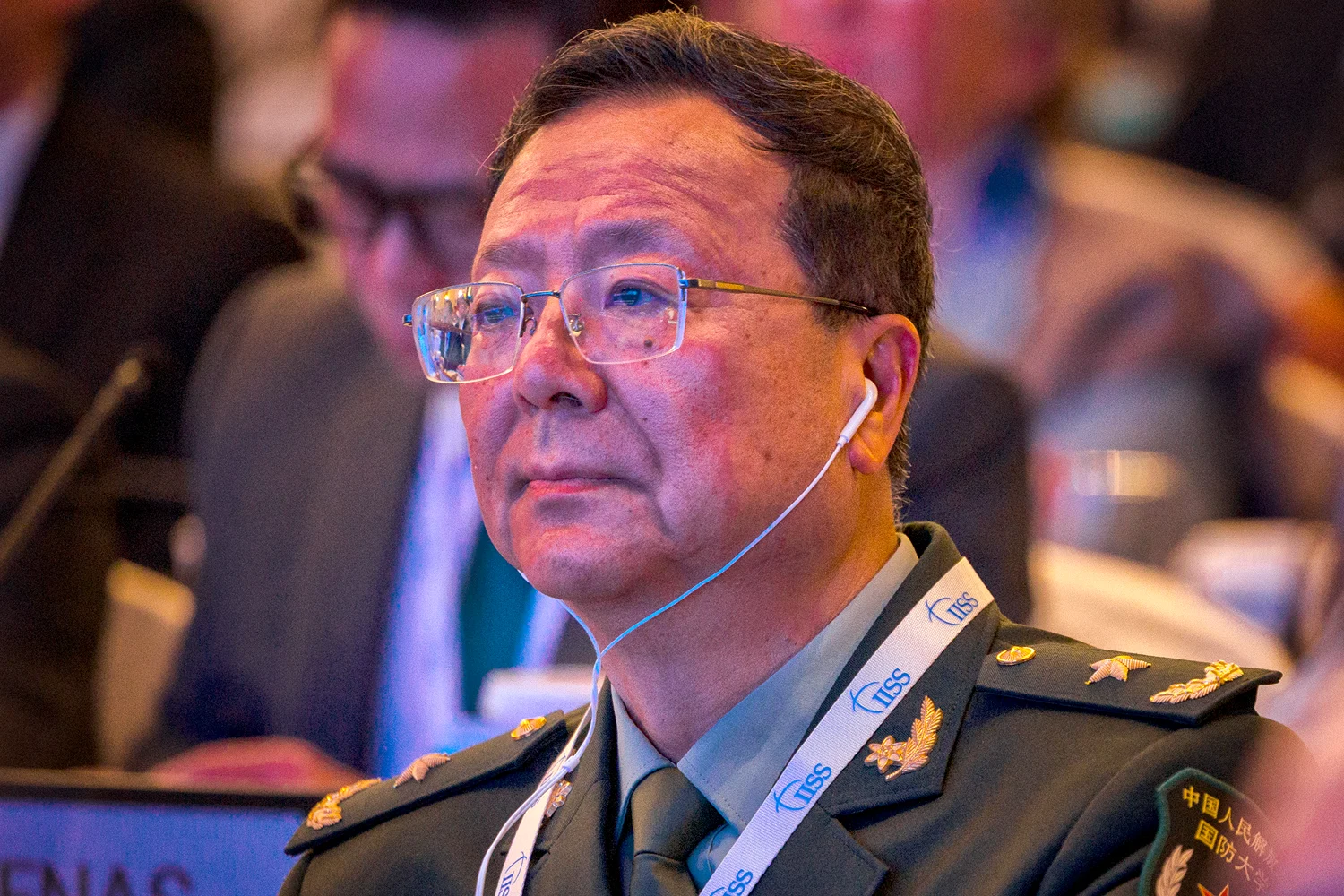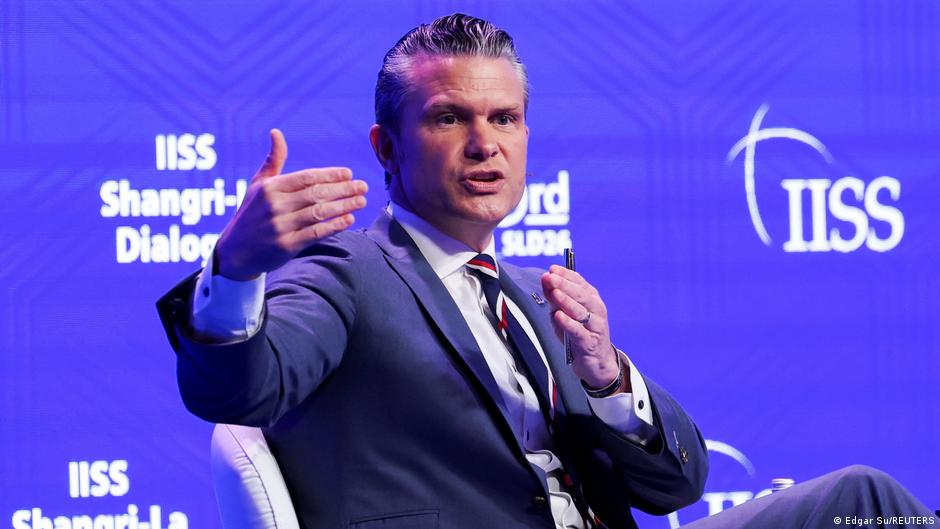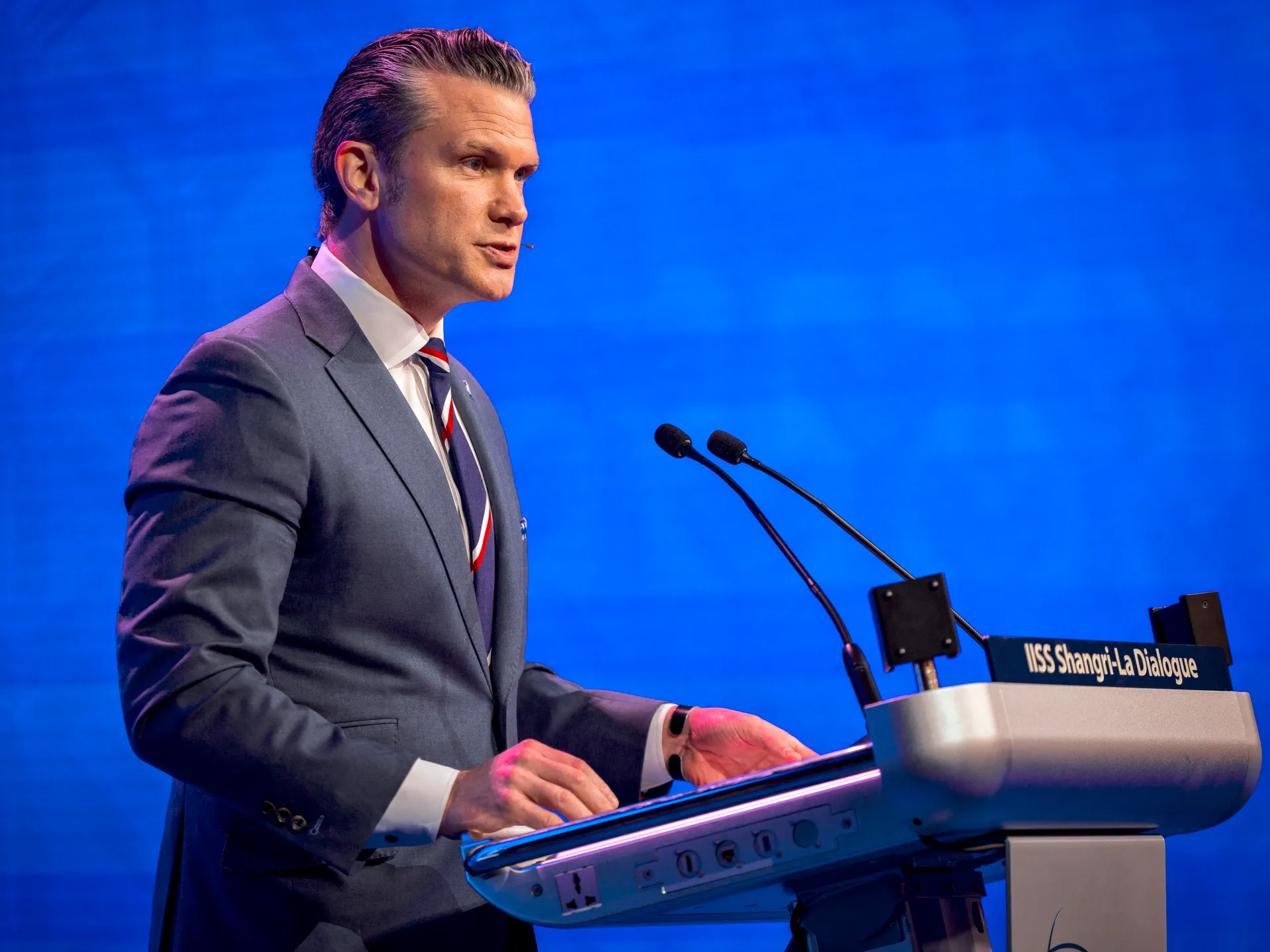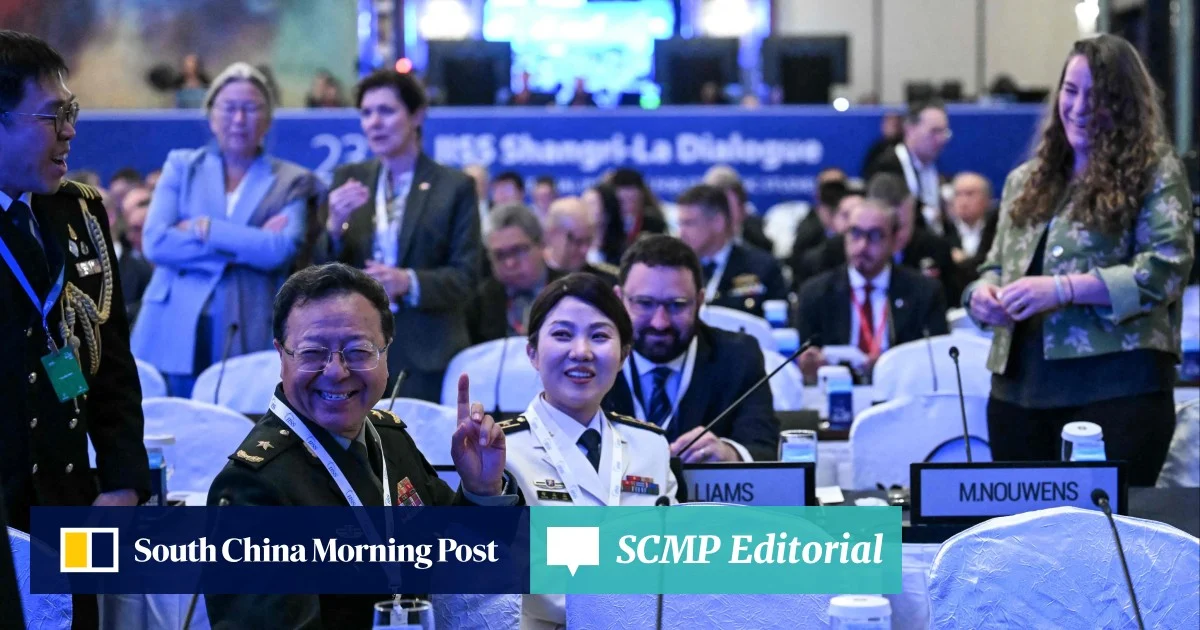
The Shangri-La Dialogue became known over the years as a platform for China and the United States to vent their sharp differences. That both sides dialled down the rhetoric at Asia’s top security conference in Singapore last weekend was not entirely unexpected. It reflected a warmer tone at the recent Beijing summit between presidents Xi Jinping and Donald Trump, characterised by consensus on a new strategic framework of “constructive strategic stability”, signalling more diplomacy and less confrontation.That did not stop the respective heads of the US and Chinese delegations spelling out their differences. While describing bilateral relations as better than in many years, US defence secretary Pete Hegseth still expressed concerns about China’s “historic” military build-up and the expansion of its military activities in the region and beyond. Major General Meng Xiangqing, a professor at the PLA National Defence University, warned that the world faced challenges from “hegemonism” and “bloc confrontation” driven by “certain countries”, without naming the US.Both sides took a markedly softer line than at last year’s Shangri-La Dialogue. However, the fact remains that Chinese Defence Minister Dong Jun has skipped the event for two consecutive years, sending lower-level delegations of military scholars and experts from the PLA National Defence University instead.This shows that Beijing has increasingly seen it as a framework dominated by the US and its allies. China sees little value in sending a high-level delegation to a forum it feels is being used to pressure Beijing. The dialogue, even though held in Singapore, is structured in a way that gives the biggest voice to the US, which China sees as a non-Asian power.Beijing does not see the US as an “honest broker” in many of the key regional issues such as the South China Sea or East China Sea, whereas Taiwan is a domestic issue that China has no interest in discussing with any other power.Beijing increasingly sees itself as a peer power to the US.
Editorial | Shangri-La Dialogue has outlived its usefulness for China
While Washington and Beijing softened their rhetoric this year, the US-dominated forum is exhausting its function as a space for engagement.
TL;DRAI
China skipped Shangri-La for the second year, delegating PLA experts instead of defence minister—rejecting it as US-dominated. Beijing's peer-power status bifurcates tech supply chains, governance for semiconductors, cloud, data standards outside US control.
321 words~1 min read