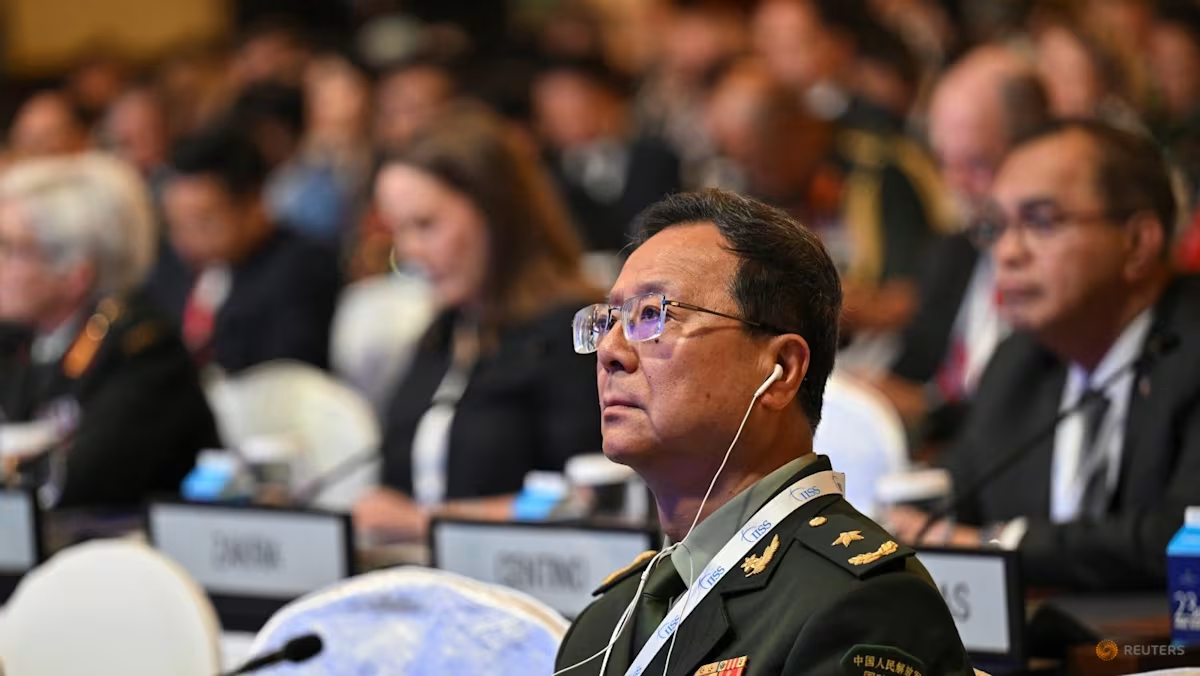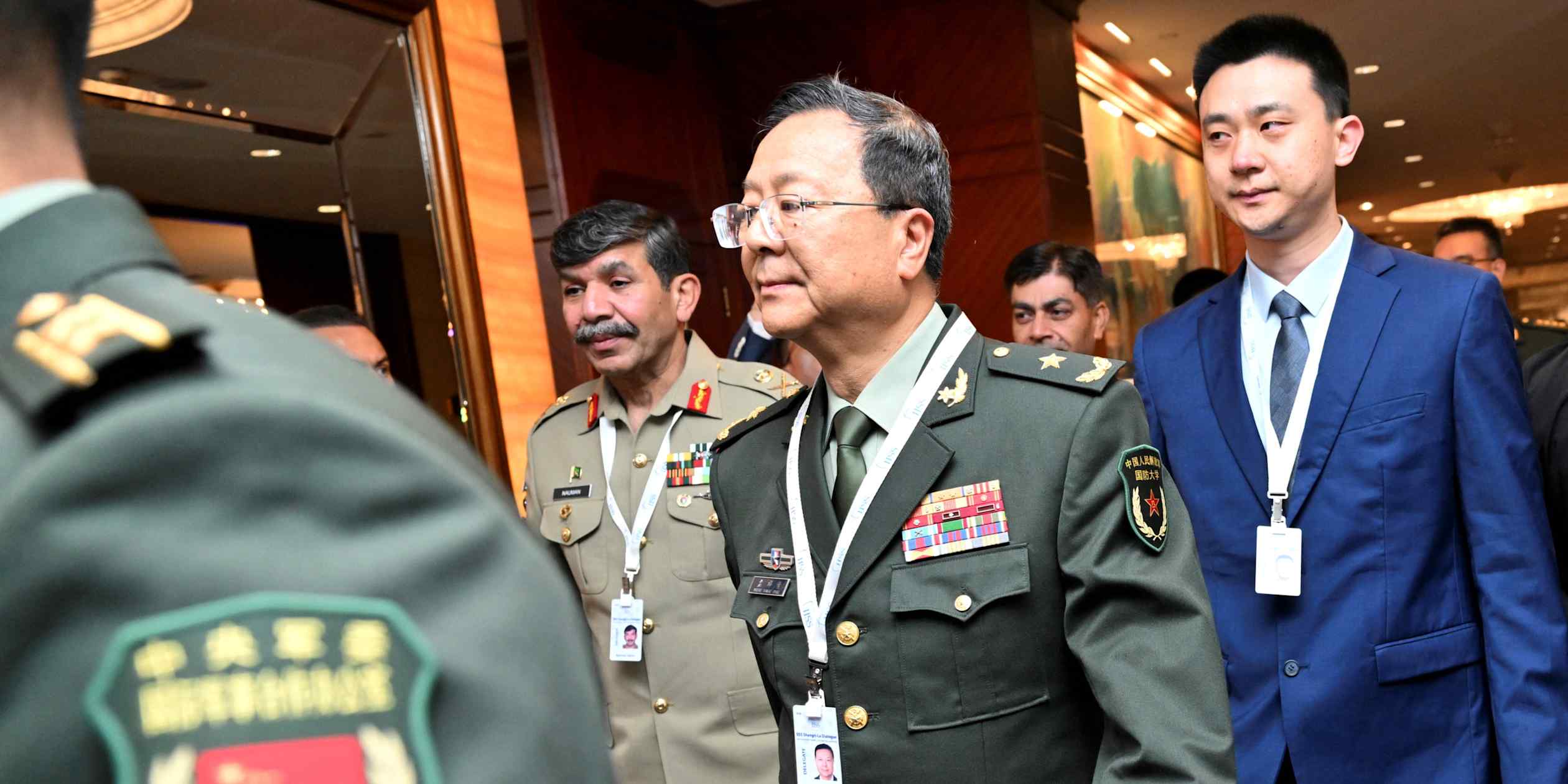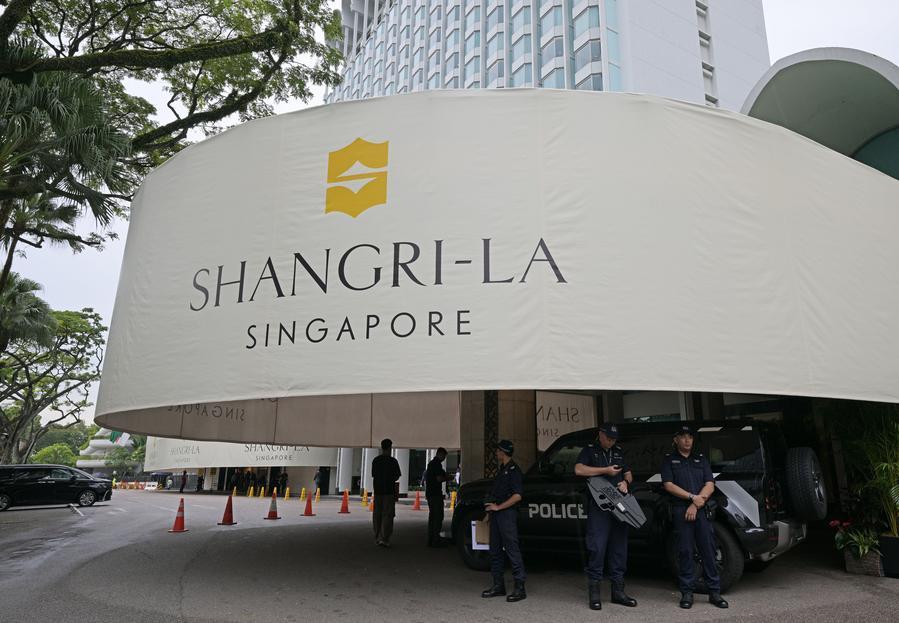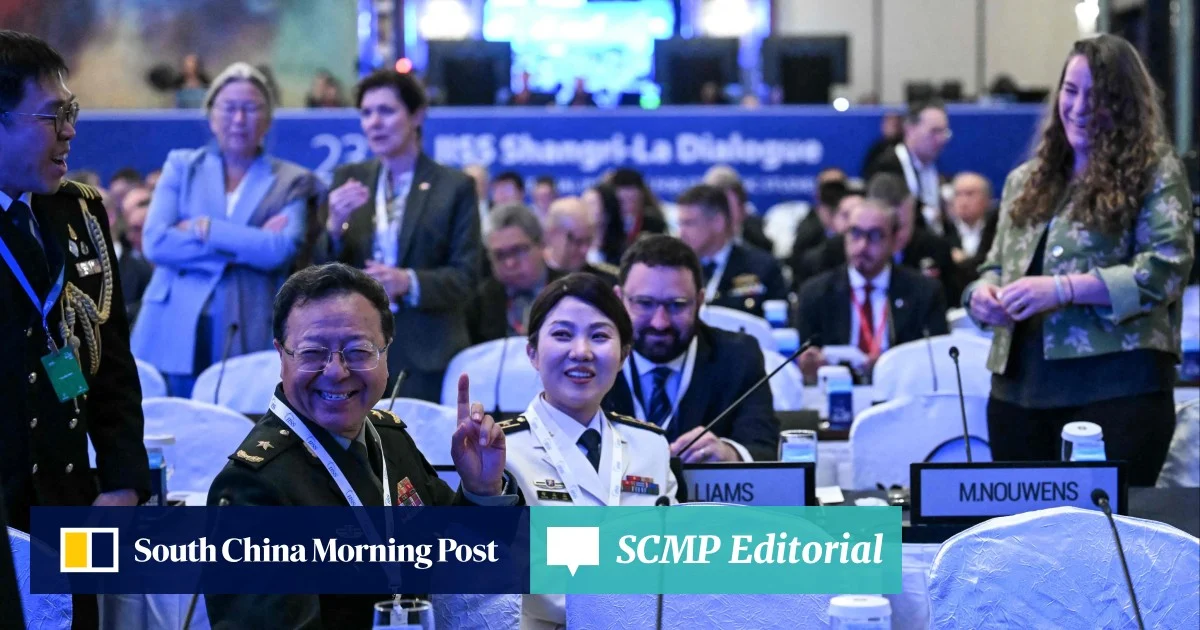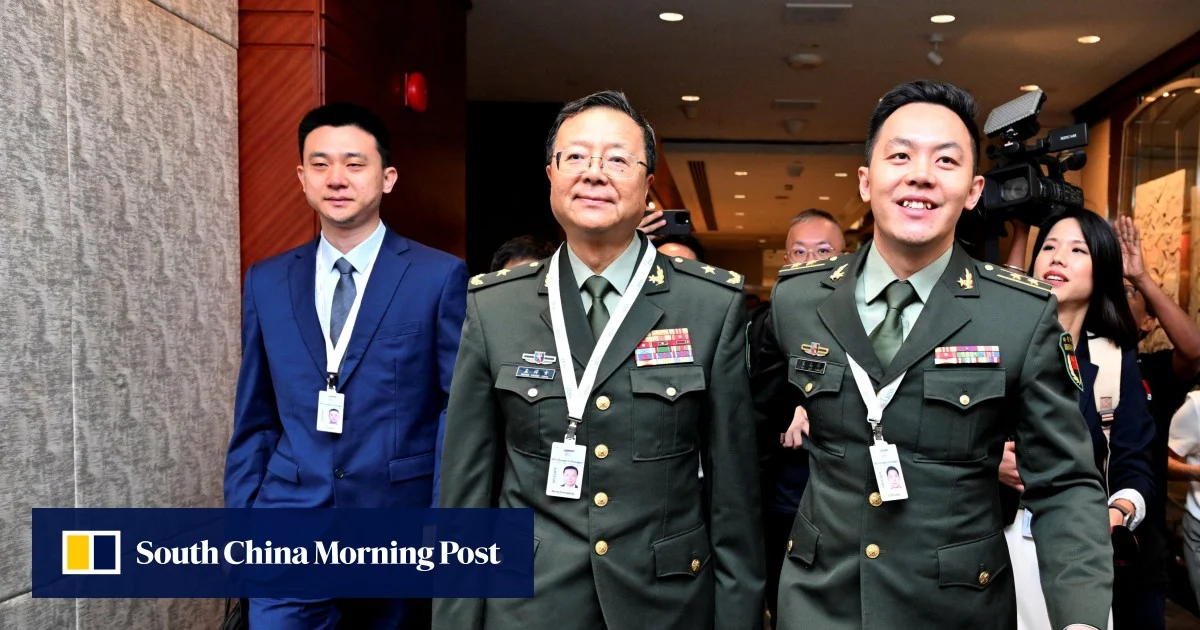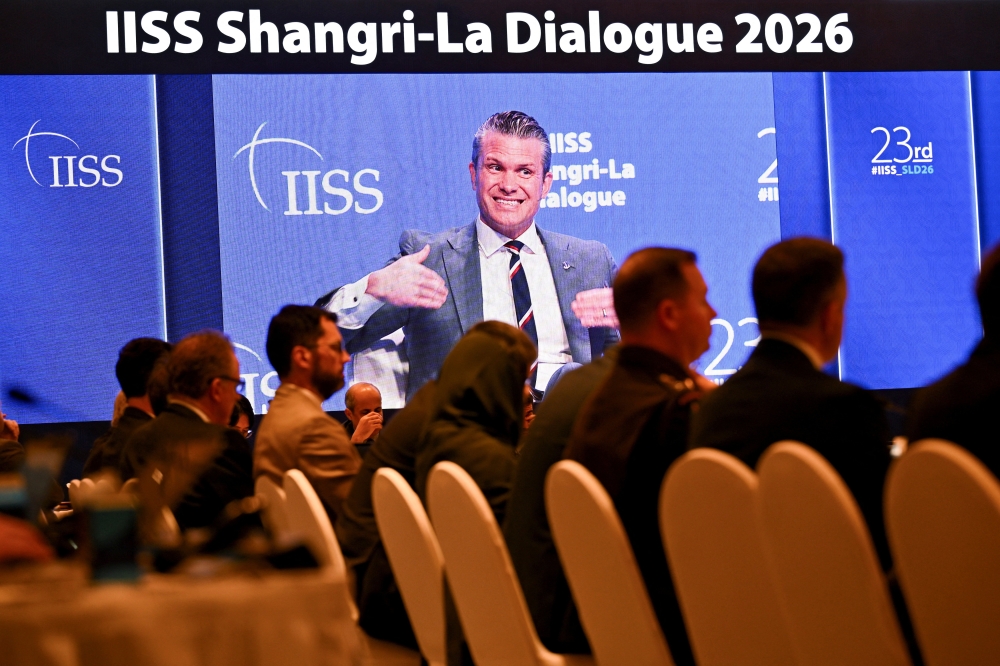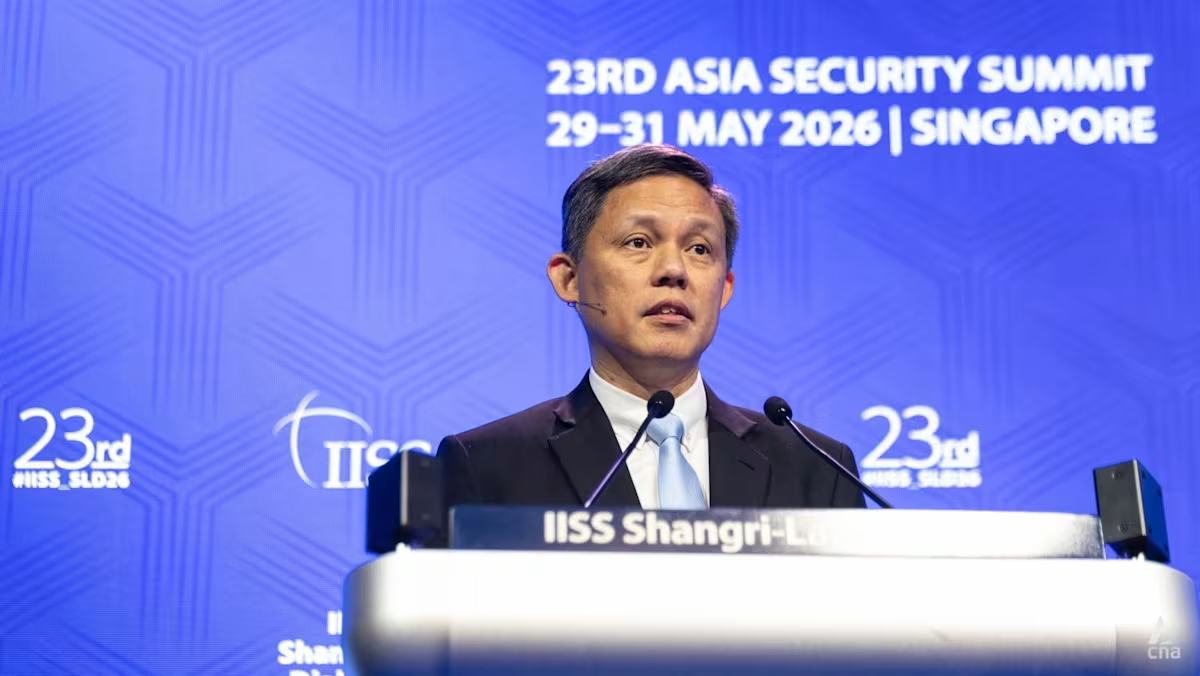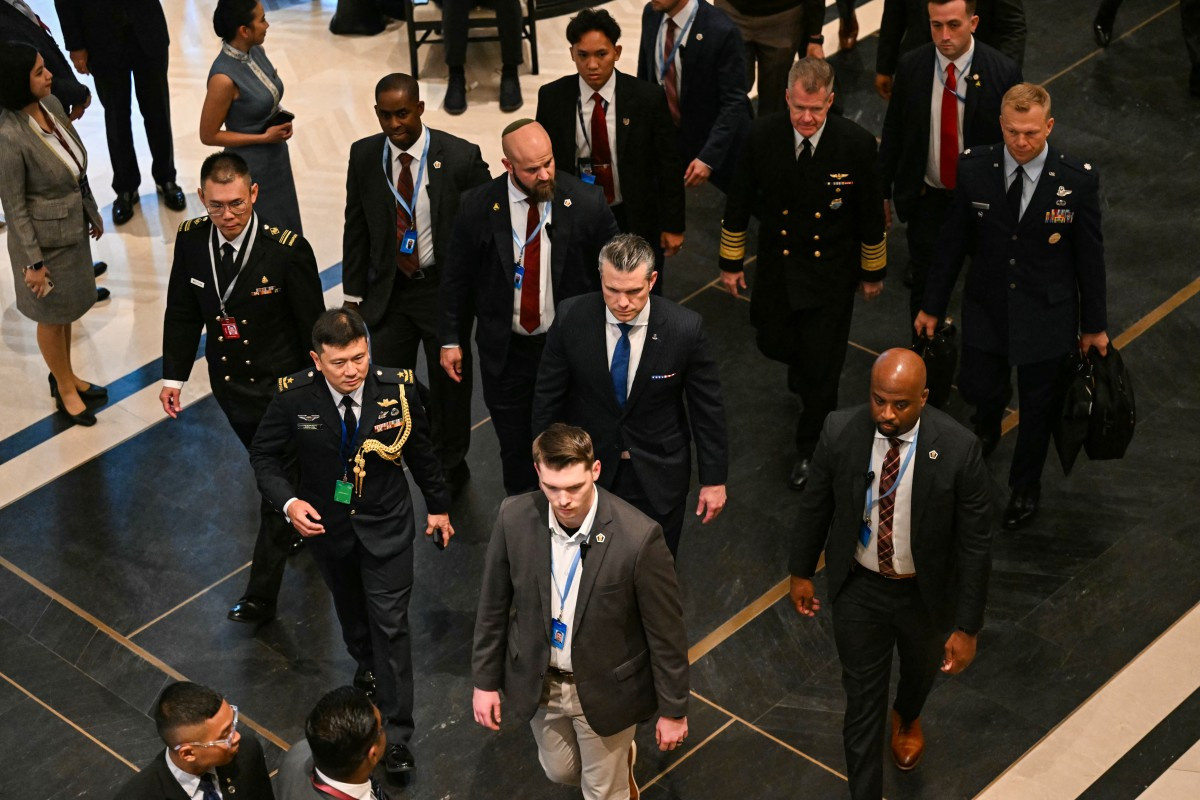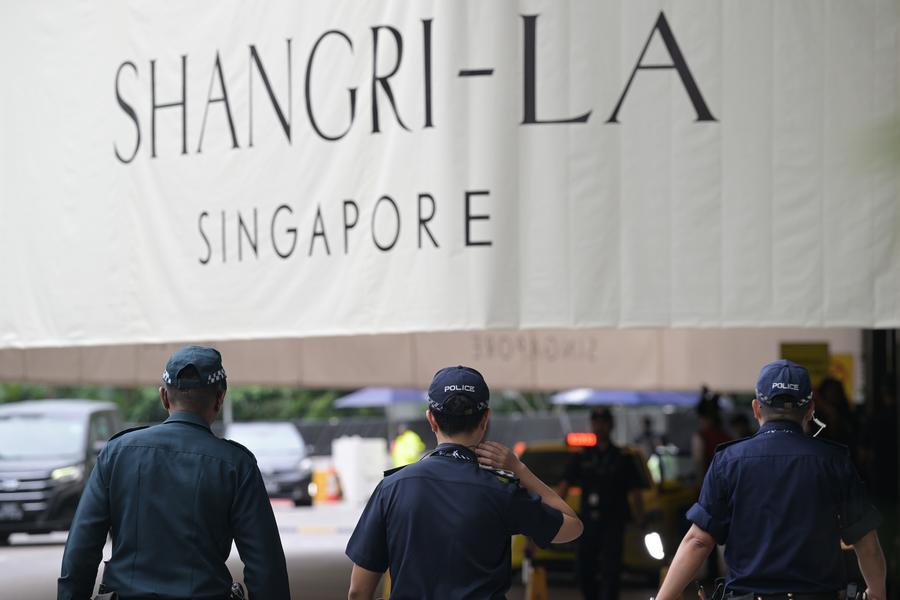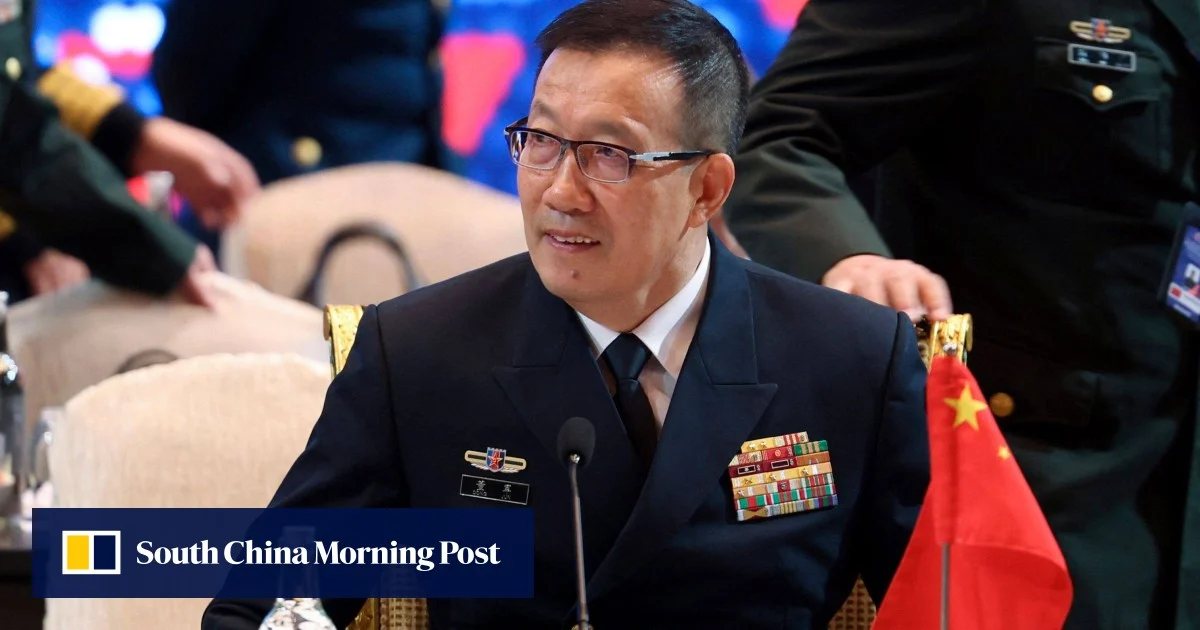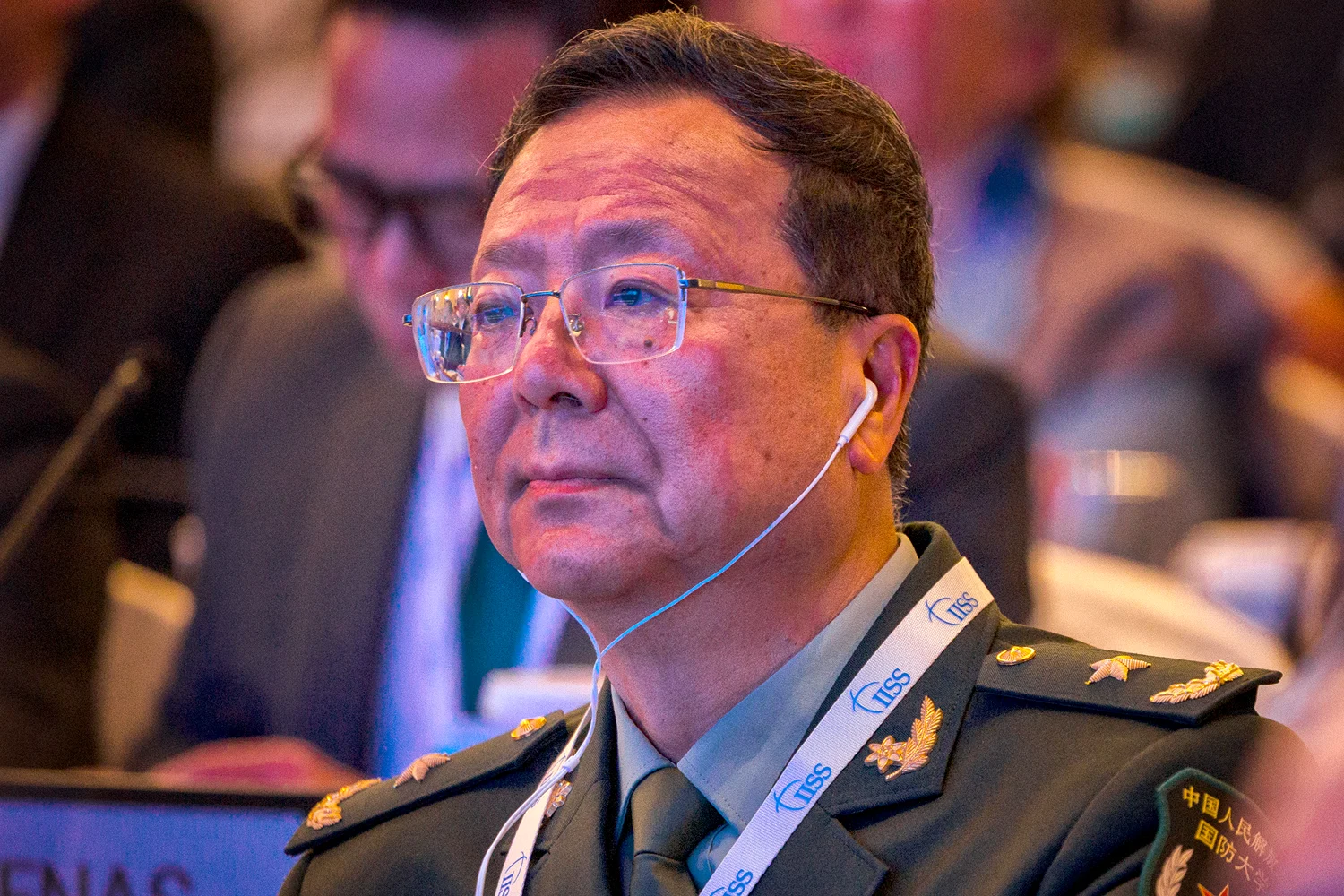
With the three-day Shangri-La Dialogue over, China’s decision not to send Defense Minister Dong Jun became a news story in its own right, shifting much of the outside world’s attention from the regional security conference itself to why China snubbed the event, as it did last year. The decision is a sign of China’s confidence in its own power—and its desire to avoid direct public confrontation with the United States.
China first began participating in the in 2007. Until 2018, China was mostly represented by a deputy chief of the general staff or a vice president of the Academy of Military Sciences, with the only exception being 2011, when the then-defense minister attended. Beginning in 2019, however, and excluding 2020 and 2021 when the forum was suspended because of the pandemic, China sent its defense minister.
With the three-day Shangri-La Dialogue over, China’s decision not to send Defense Minister Dong Jun became a news story in its own right, shifting much of the outside world’s attention from the regional security conference itself to why China snubbed the event, as it did last year. The decision is a sign of China’s confidence in its own power—and its desire to avoid direct public confrontation with the United States.