Story audio is generated using AI
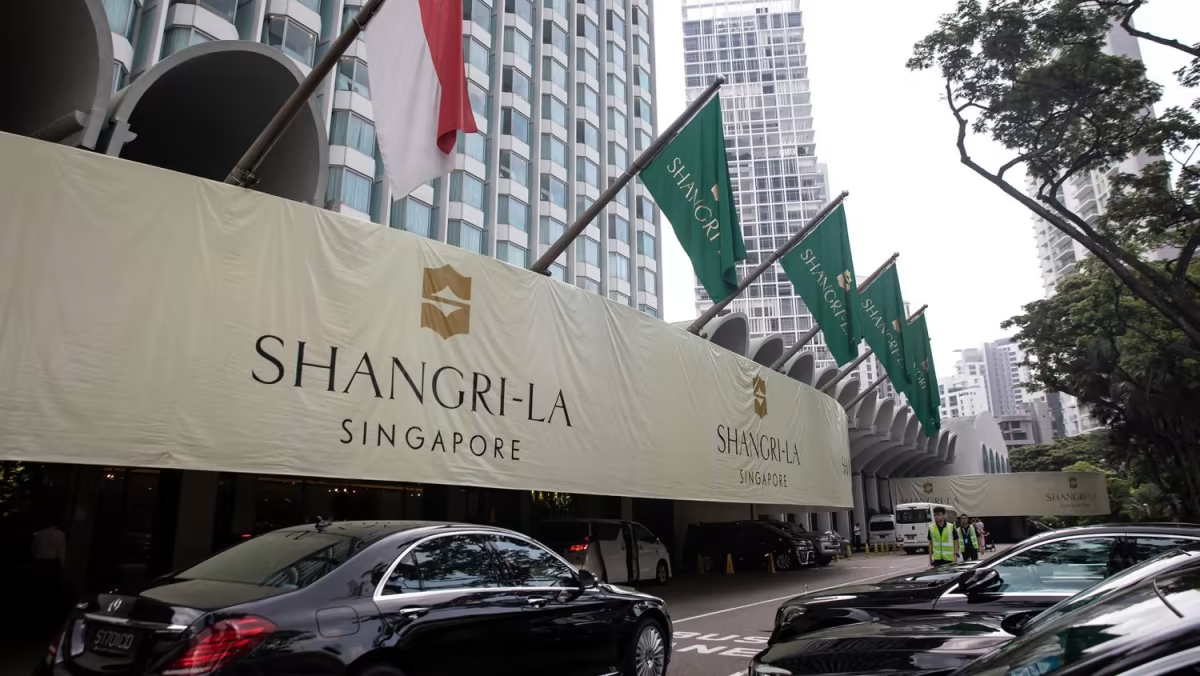
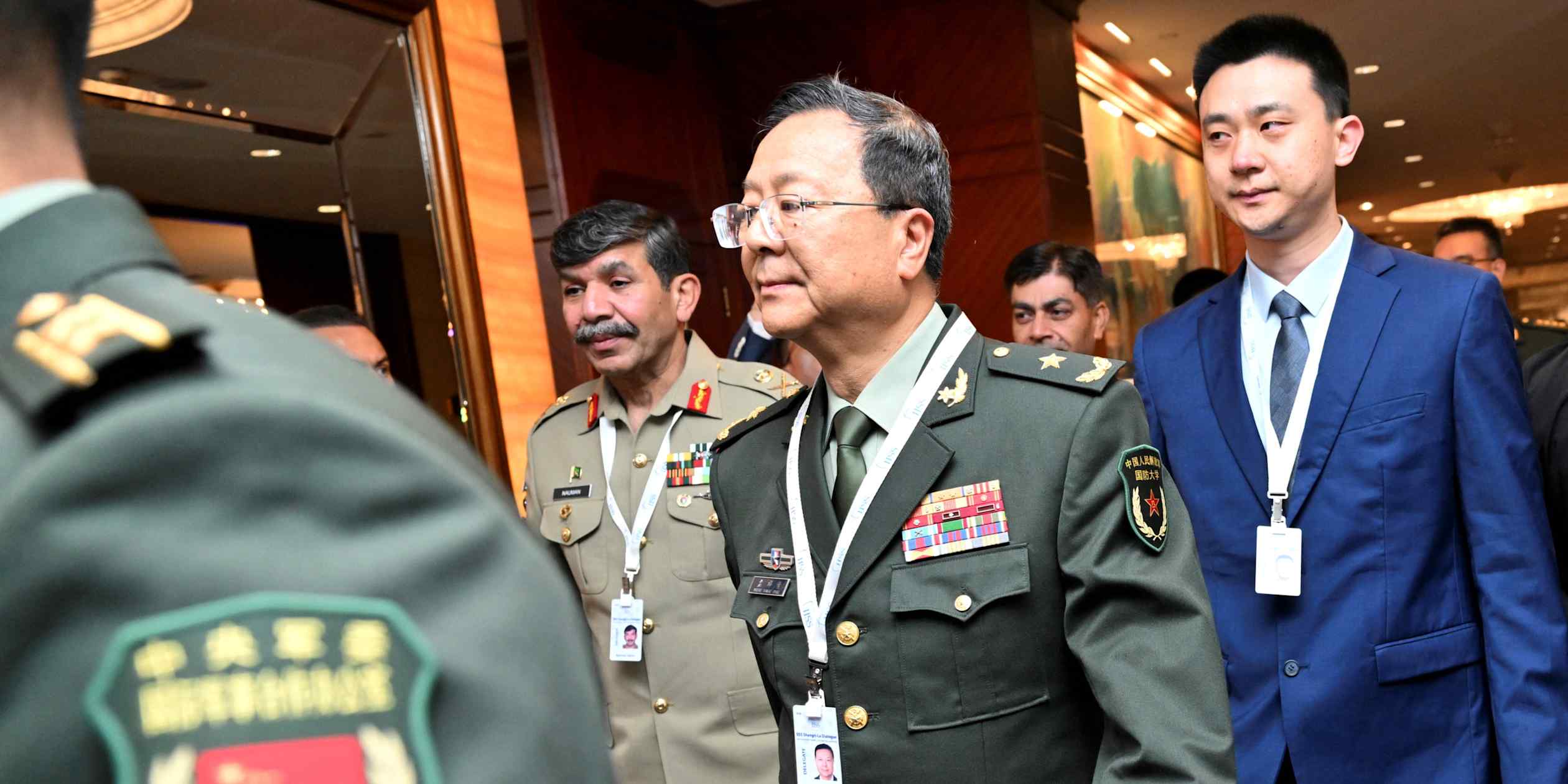
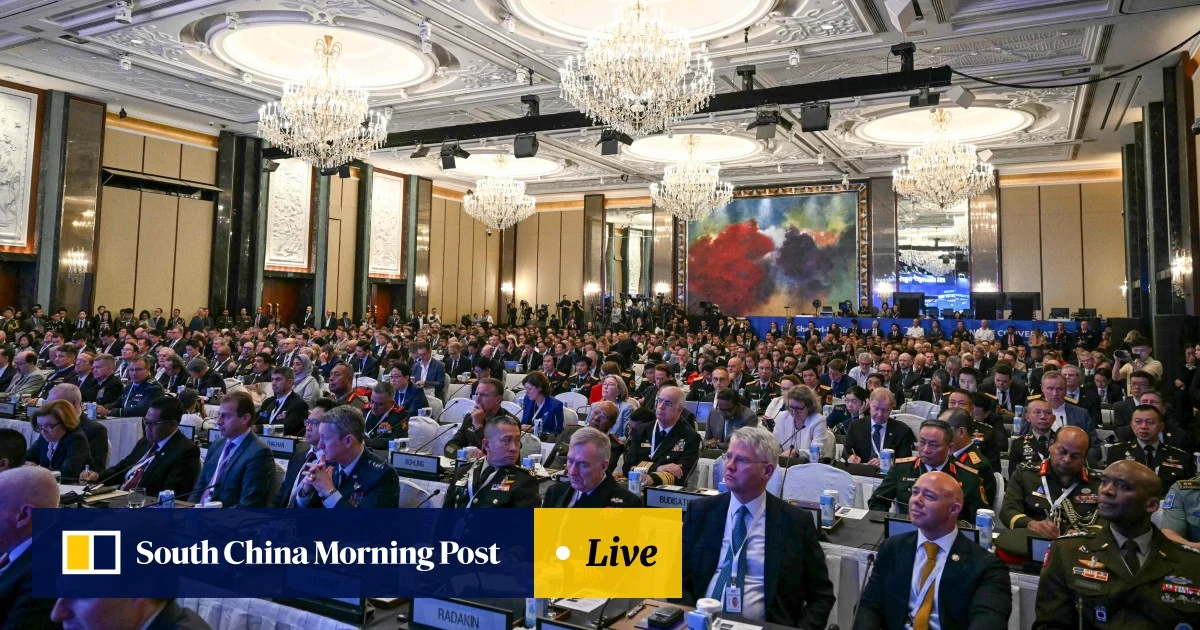
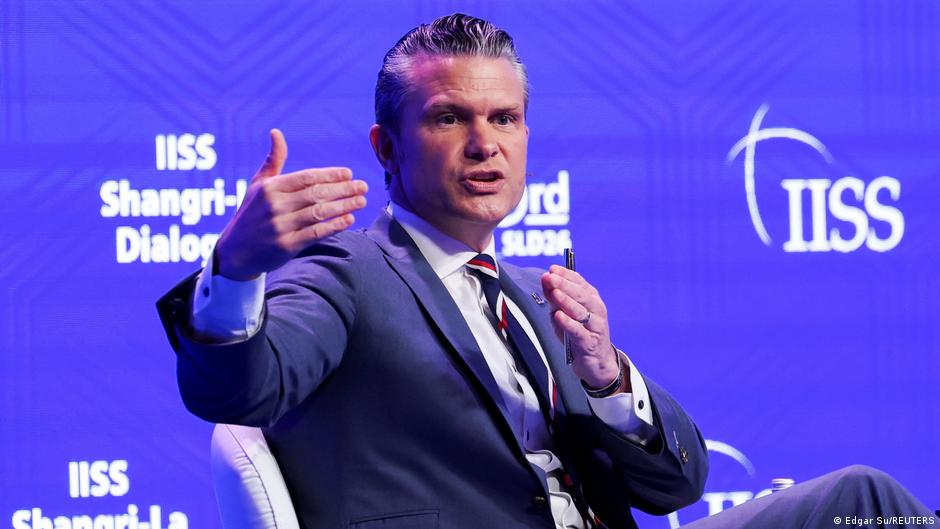
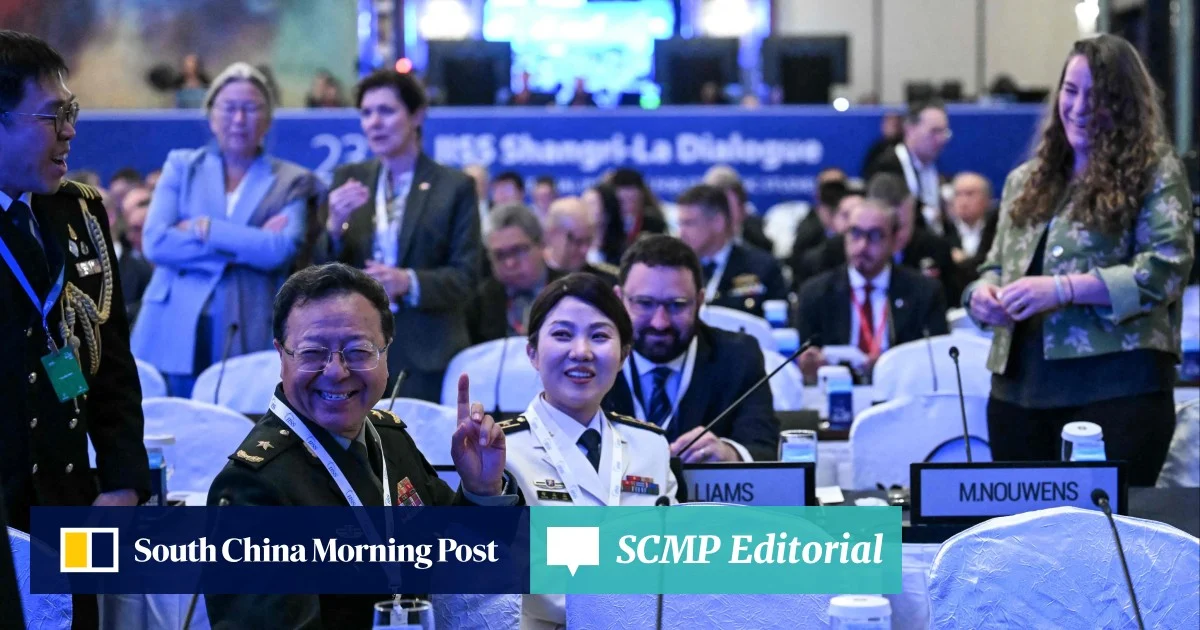
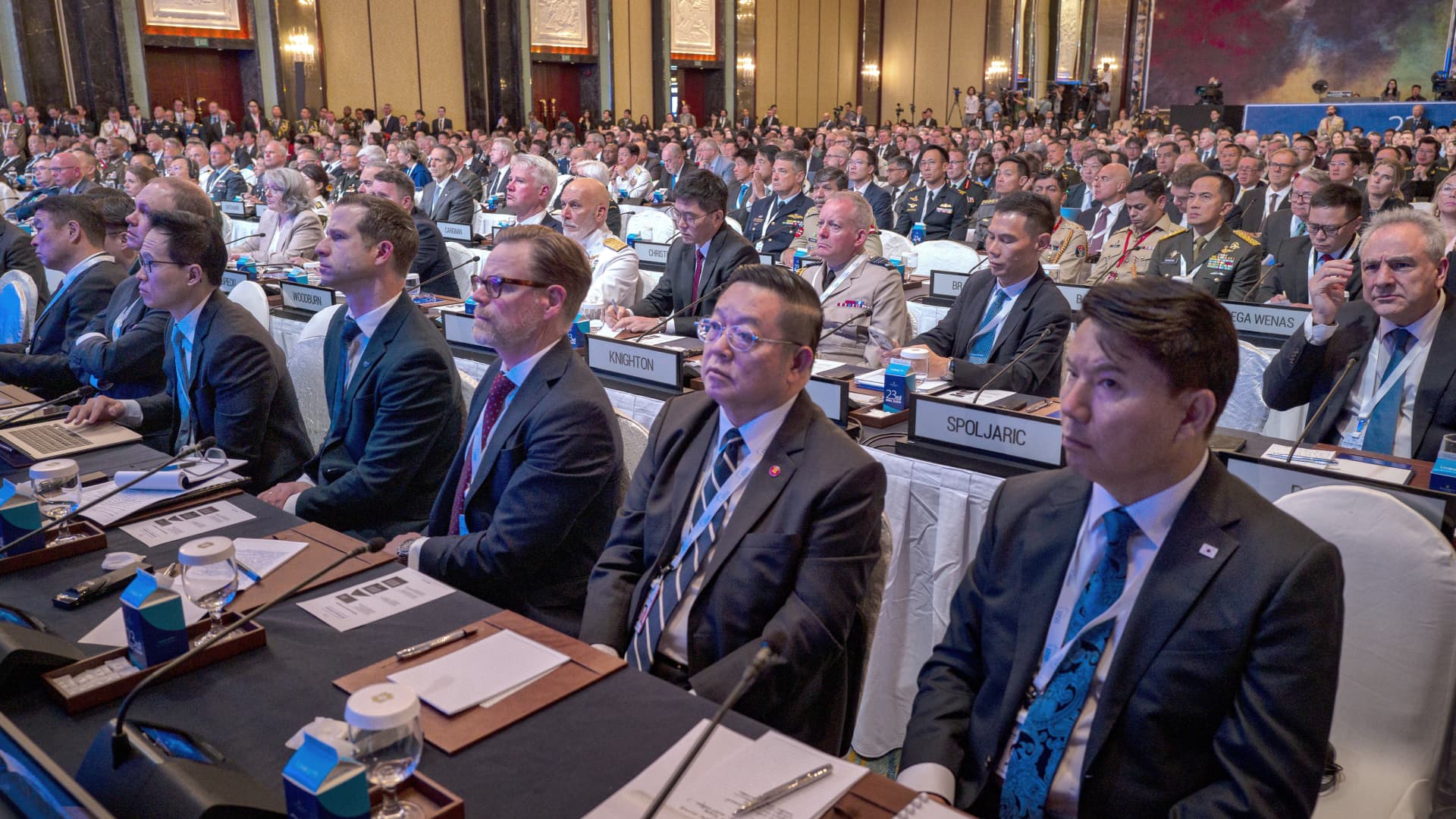
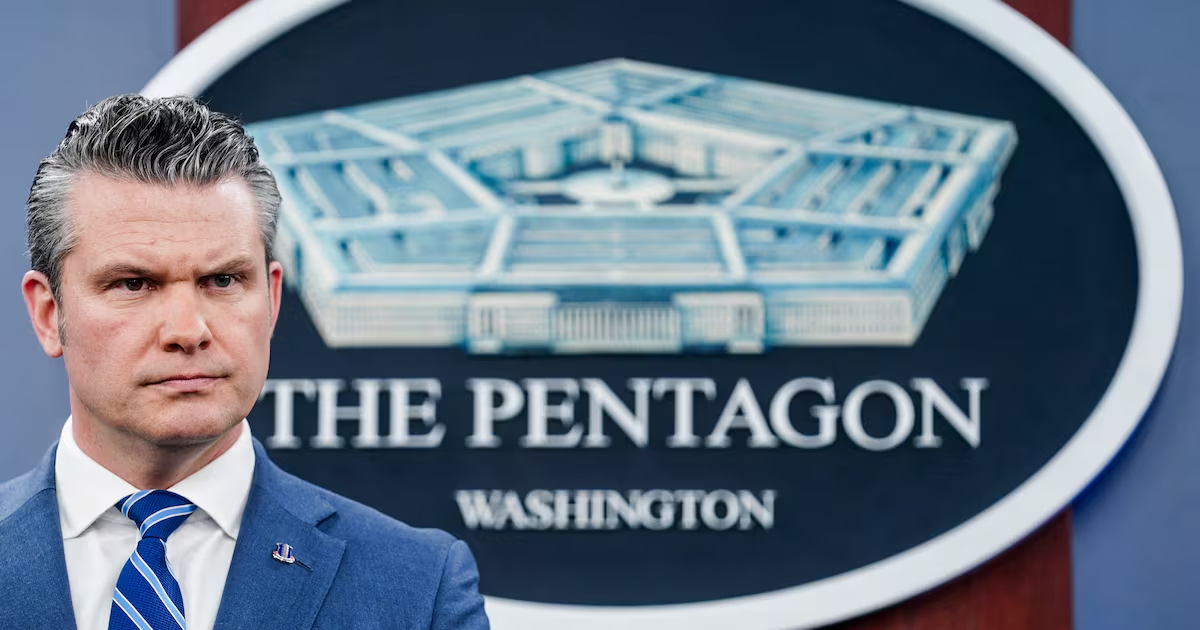
The Shangri-La Dialogue, Asia’s premier security summit, concluded its work in Singapore last Sunday. In some ways there was little surprising about the dialogues. It was appropriate that Singapore hosted what remains an extension of Europe’s pre-eminent annual Munich Security Conference. After all, the dialogues were the brainchild of an Englishman, John Chipman, who wanted the West to have an intellectual foothold in East and Southeast Asian military strategic matters at about the time when Tony Blair and George W Bush led the Europeans to war on the people of Iraq.It was therefore no surprise that Paul Wolfowitz was one of the main guests at the inaugural meeting at Shangri-La. As a leading thinker in Bush’s intellectual infrastructure (the so-called neo-conservatives), Wolfowitz’s policies were described as deeply prejudiced, rooted in cultural or racial chauvinism, and which devalues the lives of non-Western populations. Wolfowitz disagreed. Naturally. Let’s take a brief look down the road to Shangri-La. The idea of Shangri-La entered European myth-making in the 1930s with imagery of exoticism conjured by colonisers, settlers, adventurers, travel writers and missionaries, who typically stripped distant lands of their humanity and reduced them to projections of occidental fantasy. This dehumanisation has not always been unique to the Europeans, it should be said. Japan’s remilitarisation has been discussed in this column previously. The issue returned to prominence at Shangri-La when Japanese defence minister Shinjiro Koizumi deflected his country’s remilitarisation because China was building its military. Racial superiority and exceptionalism That last part is true. What deserves some kind of reflection is the way Japan and the US — surely for different reasons — have historically placed racial superiority at the centre of their worldview and the way this remains at or close to the centre of US and Japanese military strategic objectives. People who “don’t see race” may want to turn over to the TV page. Last weekend at Shangri-La, Japan continued to present itself as benevolent and its militarism as necessarily moral, notwithstanding the regional turmoil created by its forces in East and Southeast East Asia, from the Meiji era until the Tokyo Trials (1946–48), when high-ranking Japanese officials were prosecuted for war crimes. A thorough reading of Japanese conduct from the Meiji era through World War 2 (embedded, for example, in the Momotaro fairy tale) provides insights into long-standing Japanese notions of superiority and exceptionalism ― especially over other Asians.It is worth mentioning, too, that Lee Kuan Yew, the first prime minister of Singapore, also considered brown-skinned Asians as culturally backward. It’s on the record. Anyway, official documents of Japan’s imperial army divided Asians into “master races”, “friendly races” and “guest races”, with the Yamato race (Japanese) being the superior race. An official study released in about 1943 specifically placed the Yamato race as the “nucleus” of humanity. On the other side of the globe there are powerful echoes of this notion of racial superiority and exceptionalism in US foreign policy and military strategy. In Woodrow Wilson’s “papers” the 28th American president presented America as the guarantor of “white civilisation”. For Wilson there was no difference between Western liberalism and “the white race”. And so, when Trump’s “secretary of war”, Pete Hegseth, spoke at Shangri-La, everyone paid attention. He presented the US as necessarily good for the world, insisting on amorality and opposition to idealism and globalism.‘Very dangerous person’Hegseth rededicated the US to policies and military strategic forces of the 19th and early 20th century, starting with the hemispheric dominance and control of the Monroe Doctrine during the 1800s. That fitted contiguously, at least as an historic epoch, with the Japanese self-image of the same period. Most observers will recall Hegseth’s tattoos of the Christian crusades and their ties to white supremacist groups.An American war veteran may be considered more credible a source. Janessa Goldbeck, who heads a US veterans’ association, described Hegseth as “a very dangerous person” and “a white Christian nationalist” who has the ability to “deploy carnage wherever he wishes against whomever he wishes”. One is bound to fail in attempts to capture everything that happened over the weekend at Shangri-La in a few passages. The overriding theme of Shangri-La 2026 was the need to preserve international law, as long as no-one mentioned the war, as Basil Fawlty was always reminded.Realism with a capital “R” prevailed. That is not always a good thing, especially not when notions of superiority and exceptionalism shape might and when might becomes right. • Lagardien, an external examiner at the Nelson Mandela School of Public Governance, has worked in the office of the chief economist of the World Bank as well as the secretariat of the National Planning Commission.