News on AI and audiobooks is coming thick and fast. Australia-based audiobook producer Bolinda recently announced it will create a “bespoke” AI clone of romance bestseller Barbara Cartland’s voice, in partnership with her estate. (She died in 2000.)
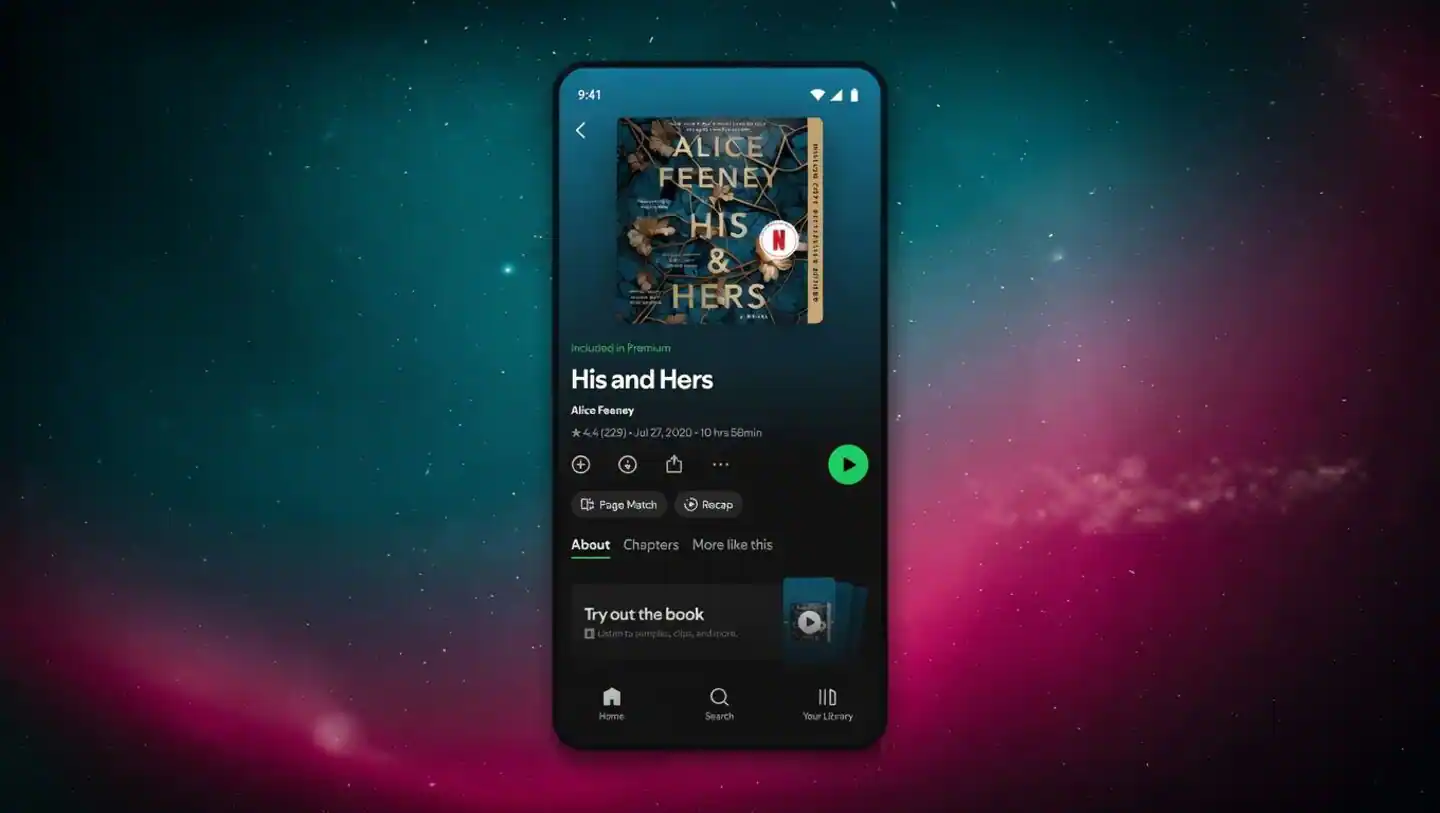
Two days later, Spotify announced a tool (created by synthetic voice company ElevenLabs) that will allow self-published authors to create audiobooks voiced by AI on its platform, and publish them anywhere.
Meanwhile, a recent New York Times exposé revealed AI-enabled audiobook piracy on a massive scale on YouTube, with versions appearing of everything from literary fiction to Harry Potter, business bestsellers to John Grisham. A pirated version of his latest legal thriller, The Widow, accompanied by an “AI slop” video, has over 80,000 views. Listeners called the voice “boring” and “awful”.
“If you look up any best seller, you find a free audiobook on YouTube,” said the chief executive of the United States Authors Guild. A 2025 survey found that 35% of audiobook consumers had listened to a YouTube audiobook – and that AI-narrated audiobooks now account for 23% of new releases.
Around 17% of Australian audiobook listeners have (knowingly) listened to an AI audiobook, according to my own recent survey of over 500 Australian audiobook listeners. This rate is higher among listeners with vision impairments and other disabilities, who have long used AI for accessibility reasons – and should be centred in these discussions.