WASHINGTON — Liz Benz still believes the distressed caller's voice was her son's — the tone, enunciation and cadence all matched her 16-year-old.
But it was an AI clone, making the mother yet another victim of a growing wave of impersonation scams in the United States.
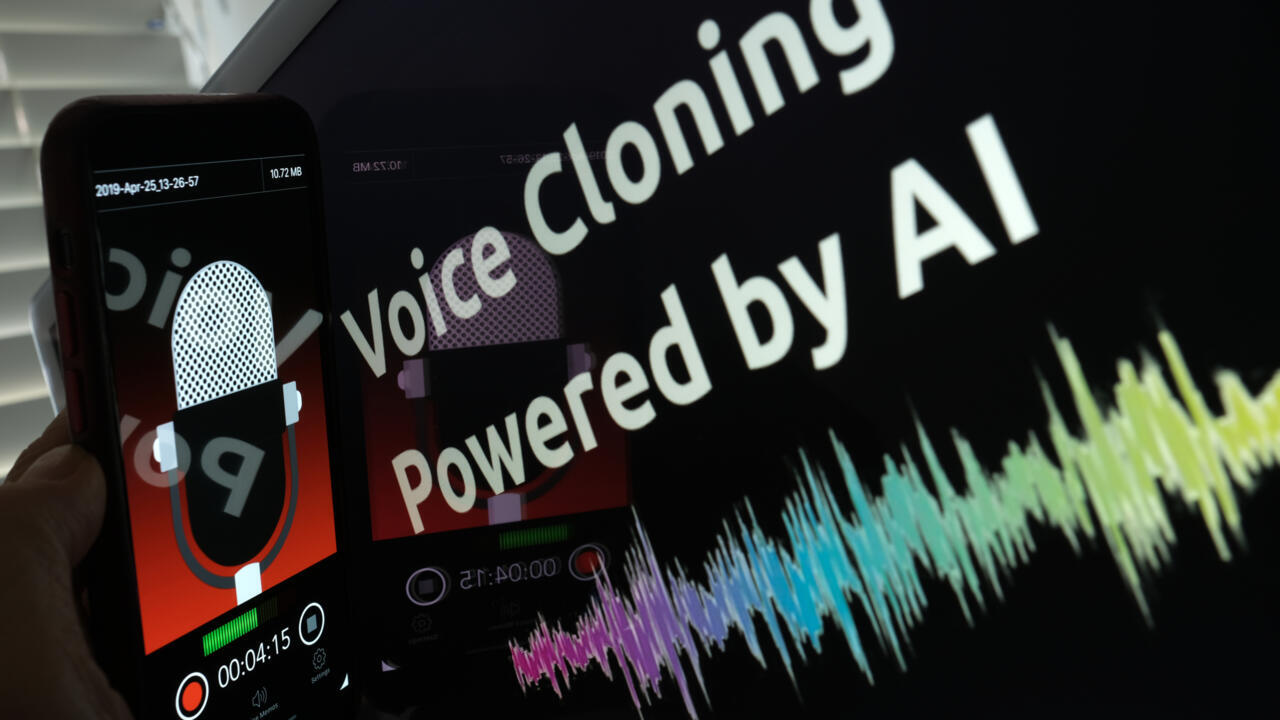
Rapidly evolving artificial intelligence technology has demolished the boundaries between reality and fiction, handing cybercriminals strikingly convincing voice cloning tools to steal from people by mimicking loved ones.
Benz, who's located in Buffalo, a city in New York, was jolted from her couch by a call from an unknown number. On the line was someone sounding like her son Fred, crying for help.
She was told Fred's friend had been shot and killed, and her son — who was out at a local football game — was being held hostage.