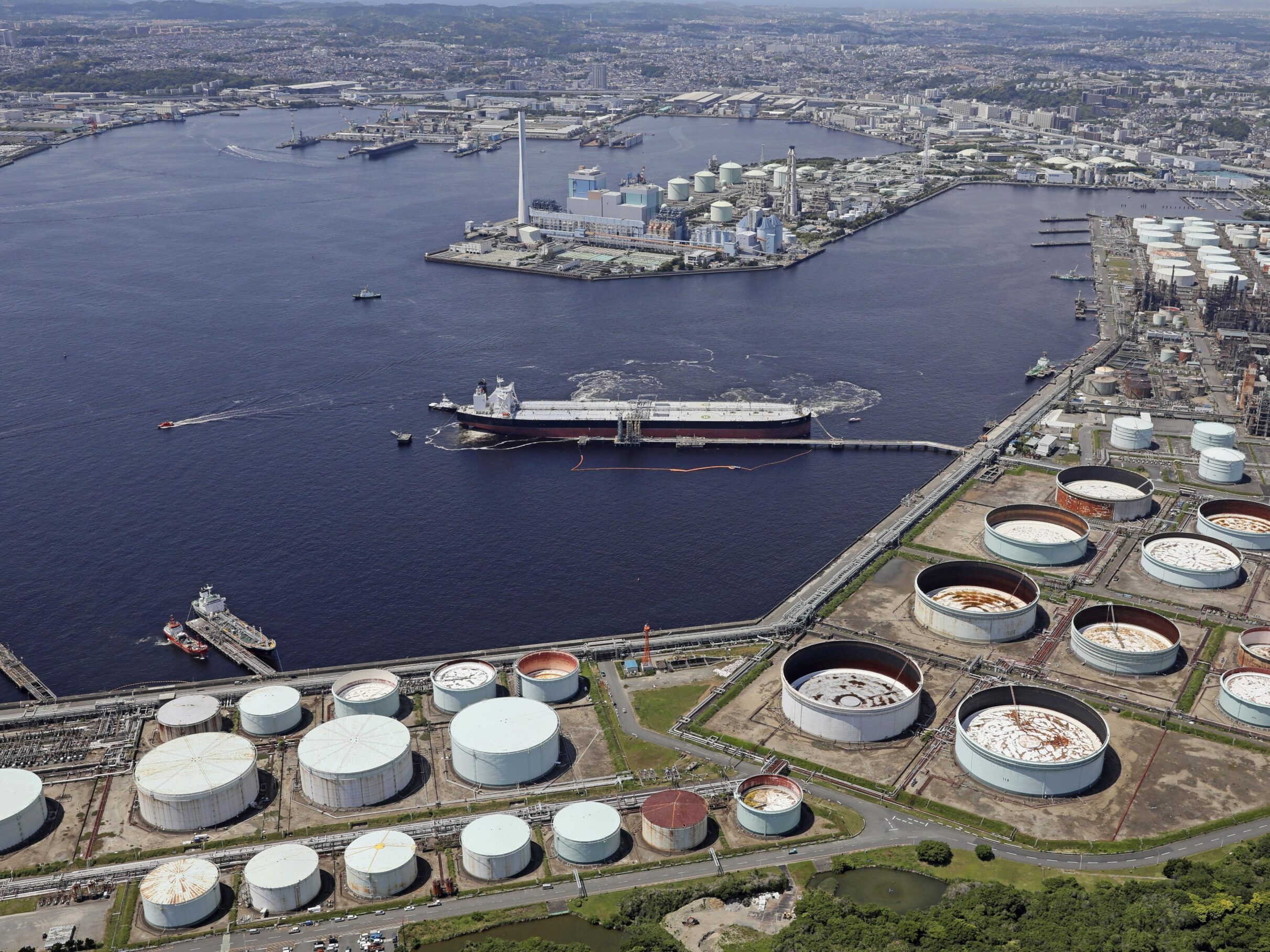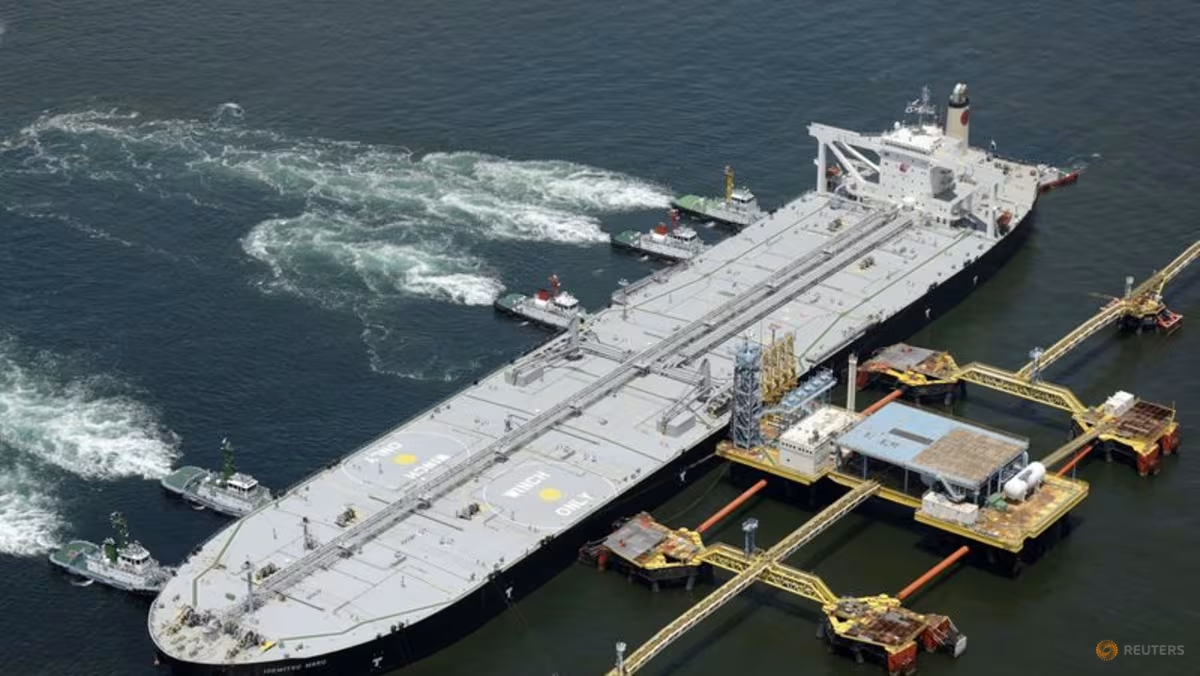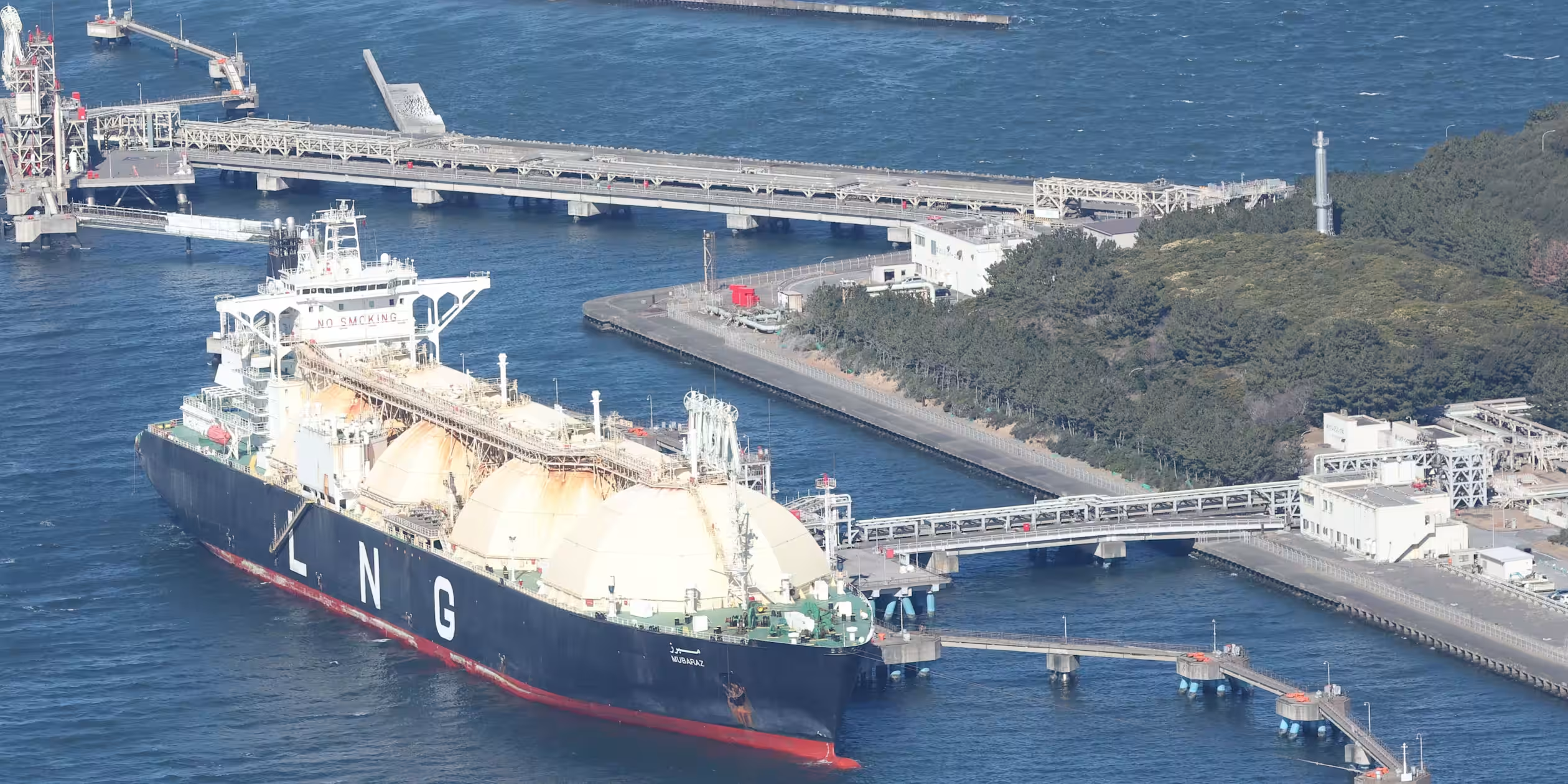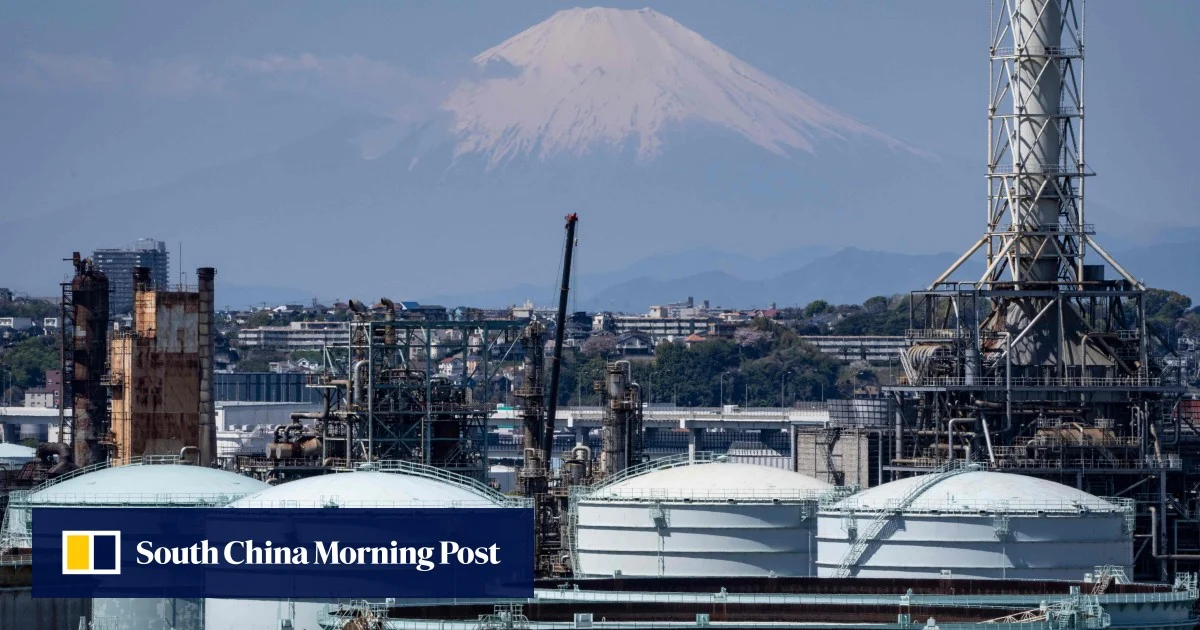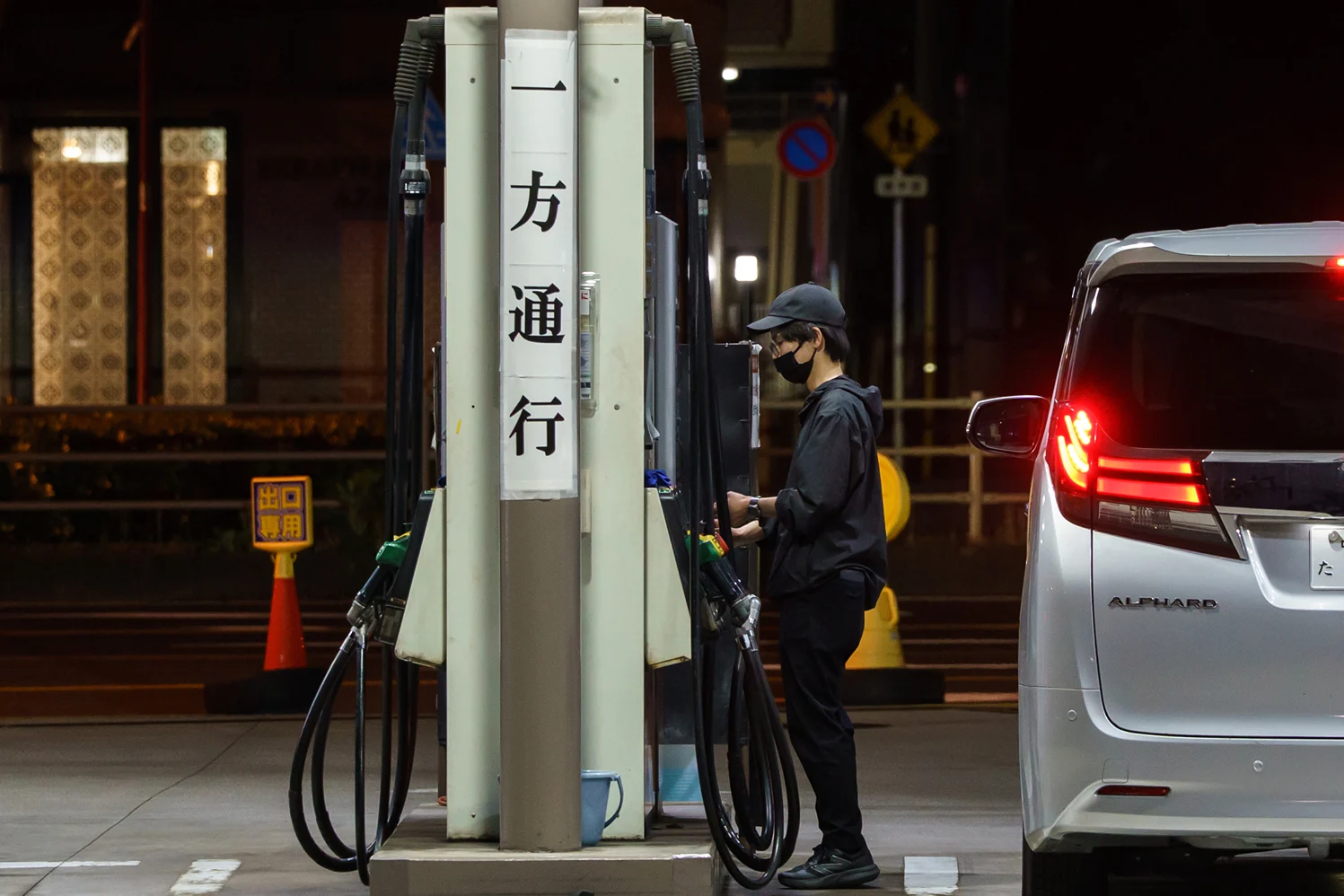
Japan’s decadelong strategy to insulate itself from Middle Eastern energy disruption has been proved right and rendered unworkable at the same time. For years, Tokyo built what was arguably the world’s most sophisticated liquefied natural gas (LNG) diversification strategy, designed specifically to reduce its exposure to Gulf volatility.
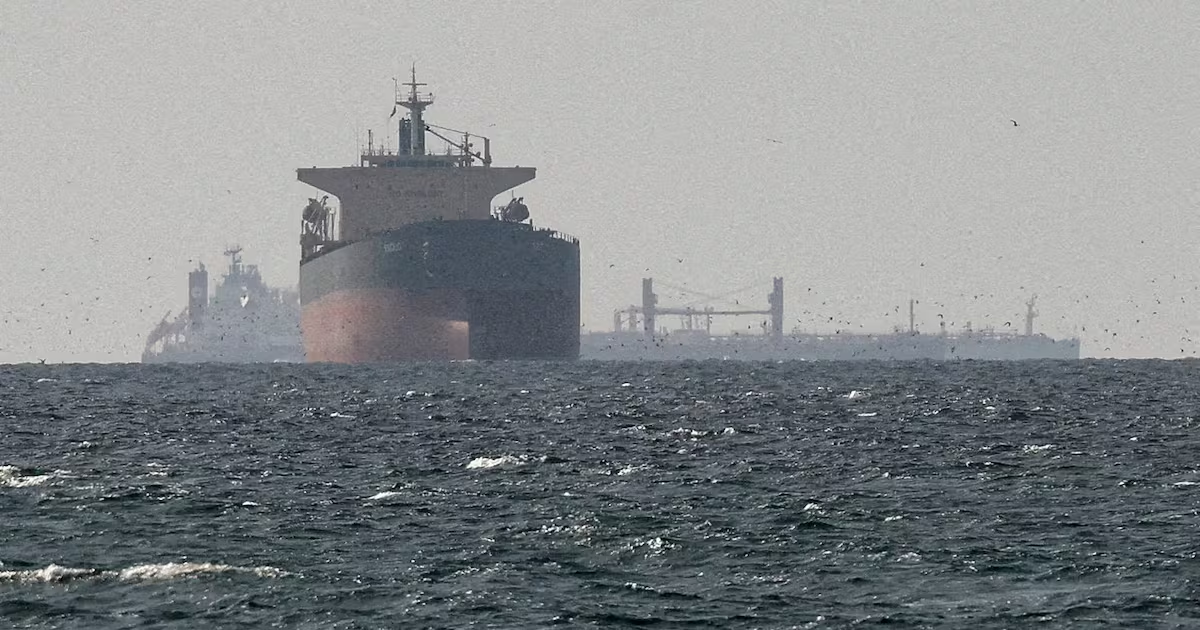
The Hormuz crisis has validated every one of those fears. It has also closed off most of the escape routes Japan spent years building. Tokyo is not facing empty pipelines today—but it is running out of strategic options, and the decisions made in the coming months will shape Japan’s energy posture for a generation.
Japan’s decadelong strategy to insulate itself from Middle Eastern energy disruption has been proved right and rendered unworkable at the same time. For years, Tokyo built what was arguably the world’s most sophisticated liquefied natural gas (LNG) diversification strategy, designed specifically to reduce its exposure to Gulf volatility.
The Hormuz crisis has validated every one of those fears. It has also closed off most of the escape routes Japan spent years building. Tokyo is not facing empty pipelines today—but it is running out of strategic options, and the decisions made in the coming months will shape Japan’s energy posture for a generation.