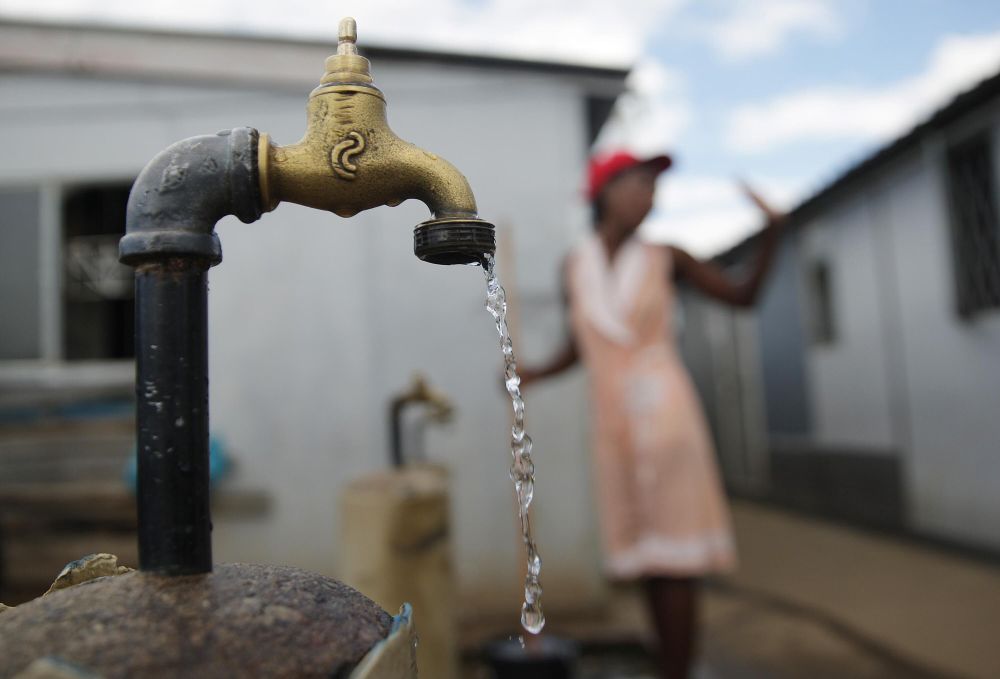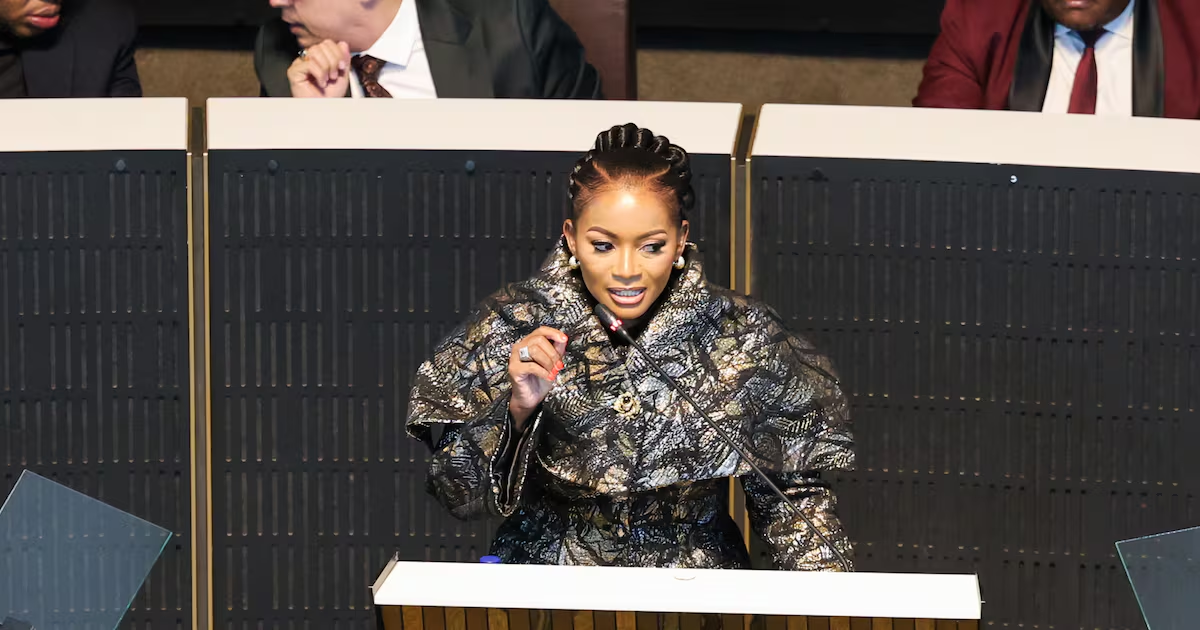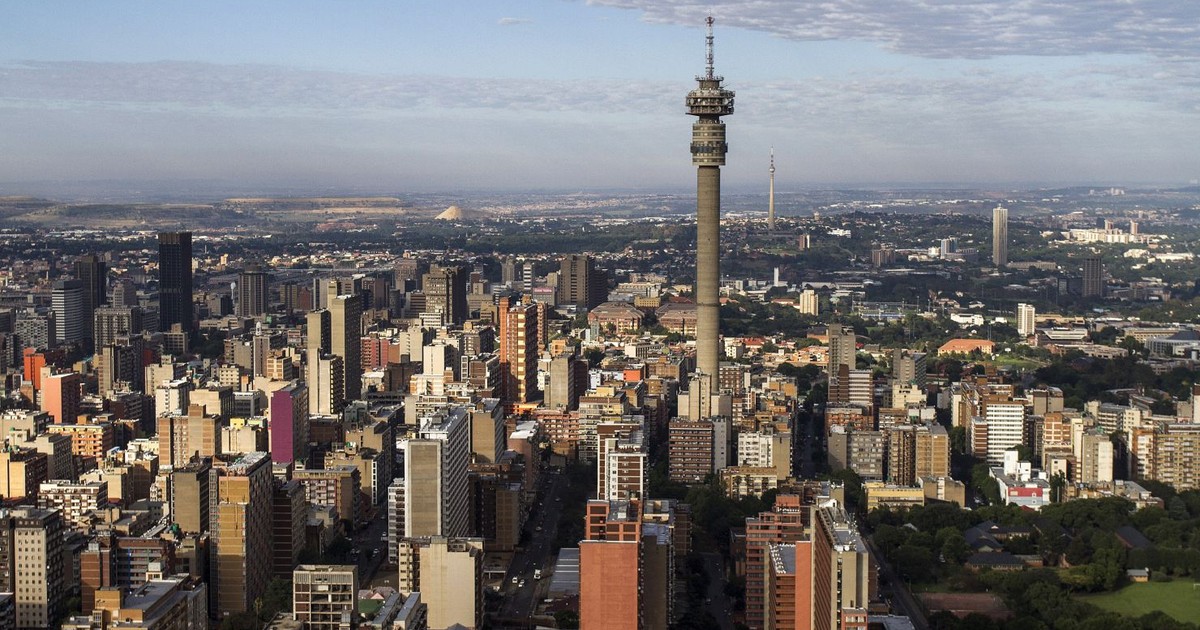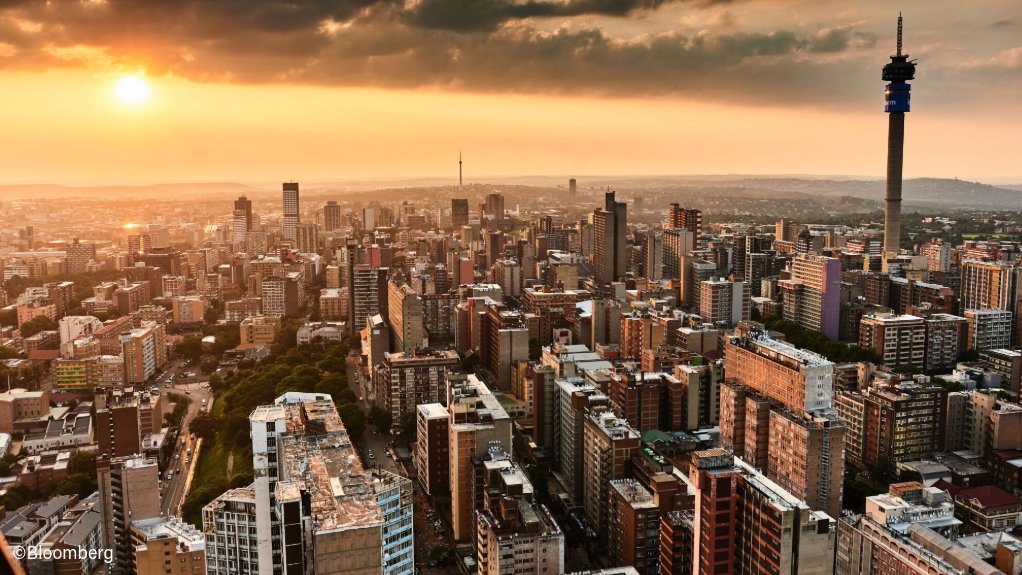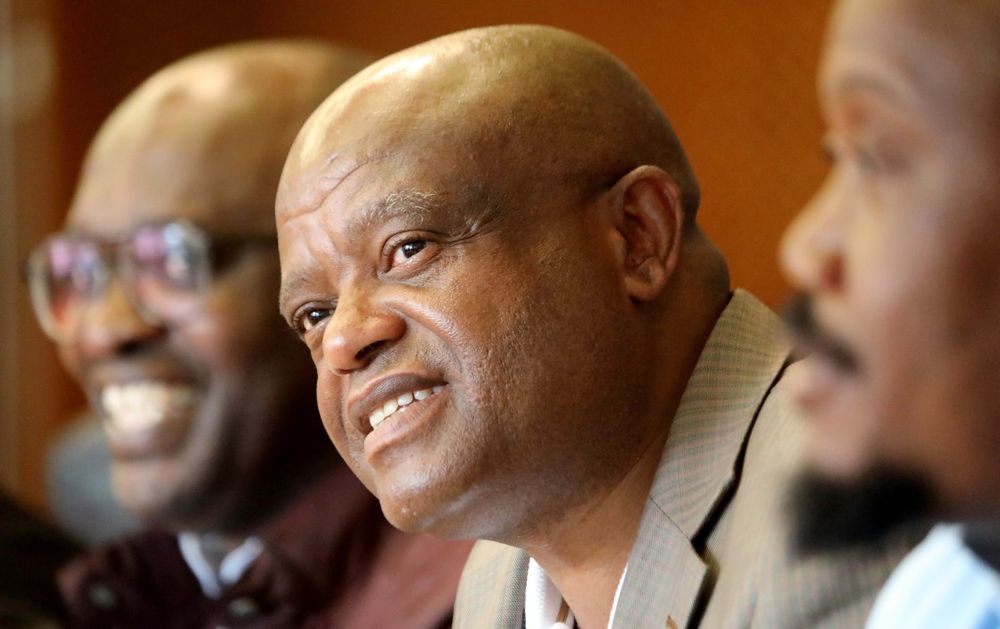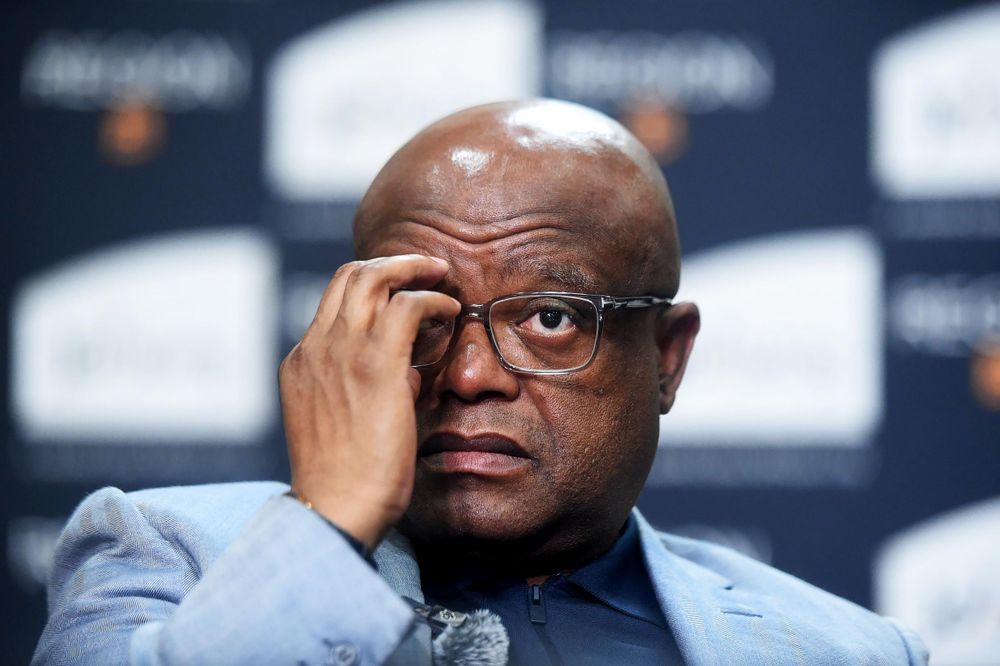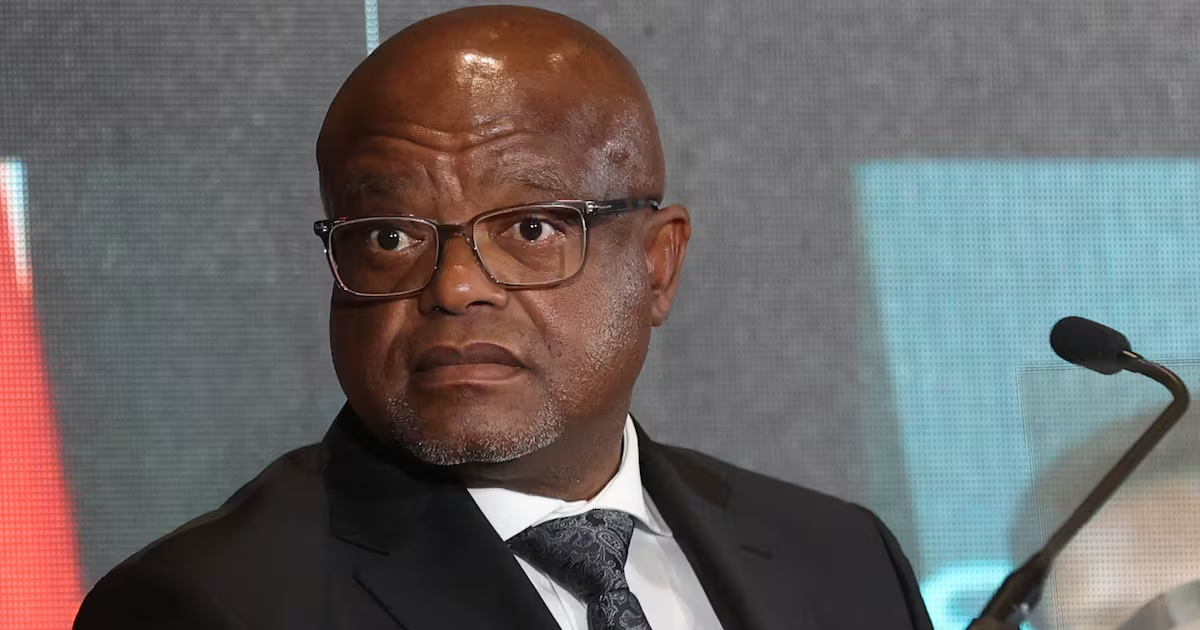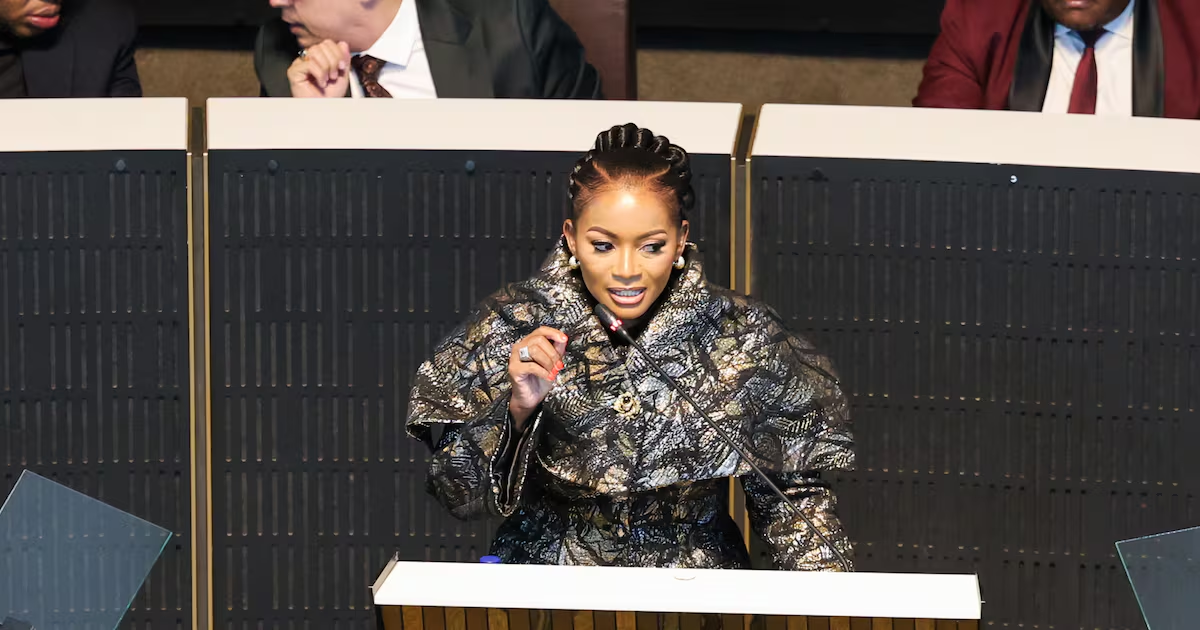
Johannesburg’s deputy mayor and finance political head, Loyiso Masuku, has welcomed the lifting of the suspension on the city’s bonds by the JSE, saying it is proof the cash-strapped metro is meeting its statutory and regulatory obligations. The metro has said the decision by the JSE to suspend its listed debt securities was a technical compliance matter related to reporting timelines and not an indication of financial distress or instability. This came after the JSE announced that it had suspended Johannesburg’s debt securities from March 27 because the metro failed to comply with its debt and specialist securities listing requirements, which require municipalities to publish audited annual financial statements within the prescribed period. Johannesburg failed to do so for the year ended June 30 2025.Masuku said in a statement that the lifting of the suspension followed the city’s tabling of its annual report for the 2024/25 financial year, “fulfilling a key regulatory requirement and restoring full compliance with JSE debt listing requirements”. “It signals to rating agencies, investors and residents that the City of Johannesburg is stabilising governance, strengthening financial reporting, accountability and sound public finance management. This is the step forward in restoring investor confidence and market credibility,” said Masuku, who delivered a budget of R97.1bn for the 2026/27 financial year last week. “The removal of the suspension confirms that the city is meeting its statutory and regulatory obligations. The work does not end here. This milestone must translate into improved service delivery on the ground. Our focus remains on financial sustainability, clean audits, and ensuring every rand delivers value for the residents of Joburg.”In an SENS announcement, the JSE said the Johannesburg metro published the 2025 annual financial statement on May 28 2026 and consequently “its financial reporting obligations are now fully up to date in accordance with the debt and specialist securities listings requirements”. “The CoJ [City of Johannesburg] is therefore pleased to advise its bondholders that the JSE has lifted the suspension with immediate effect,” it said. The city, however, is technically insolvent as revenue collection levels do not meet budgeted targets, and it has an overexpenditure of about R3.9bn on employee-related costs, bulk electricity purchases, inventory consumed and operational costs. The council’s finances are severely constricted, with poor revenue collection resulting in its failure to meet service delivery targets. In April, GCR Ratings revised the city’s ratings outlook from stable to “rating watch negative” because of the metro’s delays in finalising its annual financial statements. The city, which has been battling water challenges, has an infrastructure backlog of more than R220bn. It owes Eskom R5.3bn plus a current account of R1.6bn. The municipality has long been plagued by crumbling roads and deteriorating water and electricity networks, prompting President Cyril Ramaphosa, during an oversight visit to the city a year ago, to propose the establishment of a presidential working group. Ramaphosa noted while on the visit that the city faced “enormous challenges, ranging from financial and governance instability to rapidly deteriorating infrastructure”. In an interview with Business Day at the weekend, Gauteng’s co-operative governance & traditional affairs MEC Jacob Mamabolo ruled out putting Johannesburg under administration, saying the metro was working “hard” to address governance failures and financial challenges. He admitted, however, that the metro, which contributes about 16% to national GDP and employs 12% of the national workforce, faced “severe financial challenges”. A co-operative governance & traditional affairs MEC can intervene and place a municipality under administration if it fails to meet its financial obligations and provide basic services to residents, among other things.
Joburg metro welcomes JSE bond reinstatement as confidence boost amid financial pressures
City fulfills reporting requirements but remains technically insolvent
589 words~3 min read