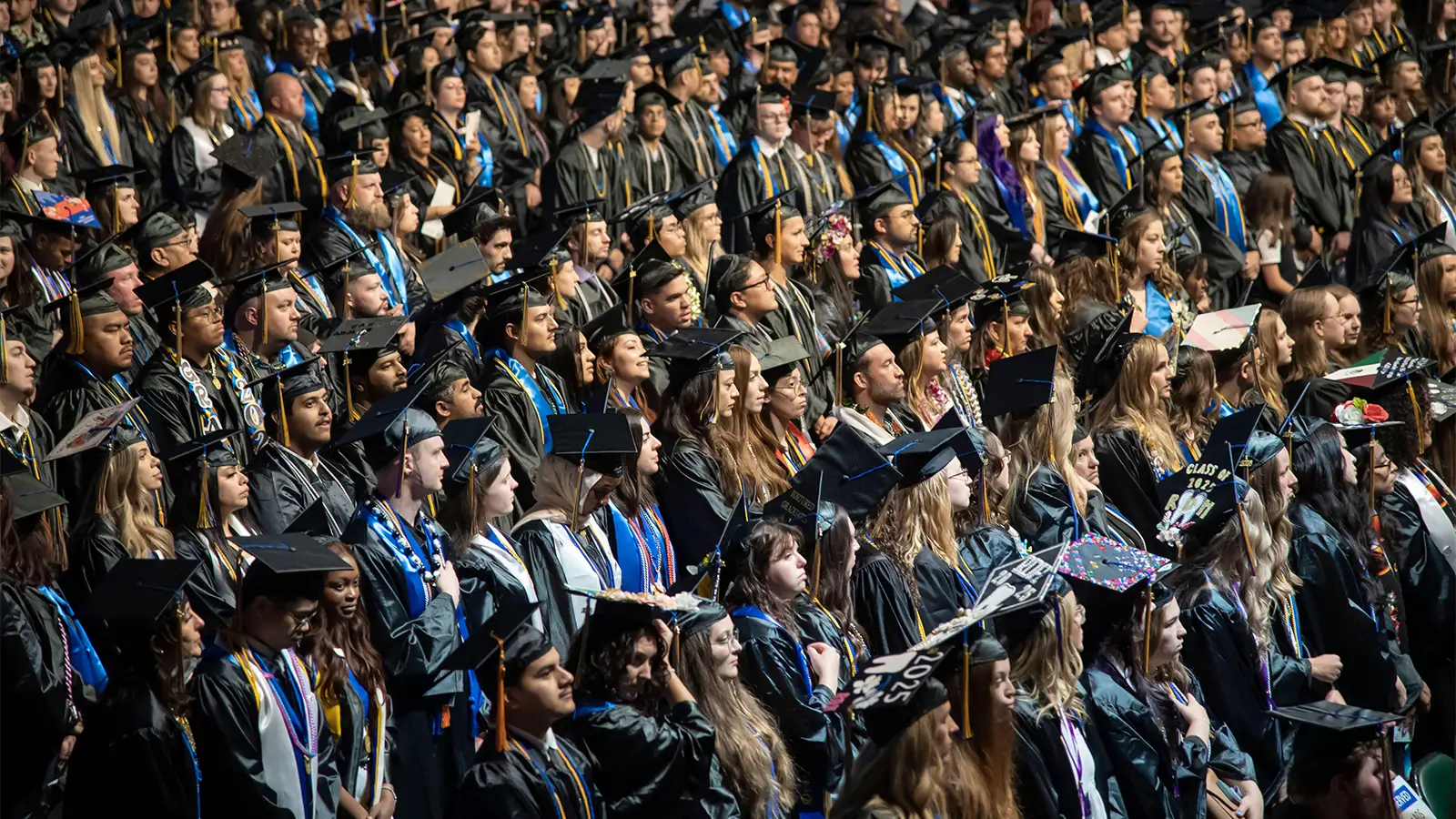
Something happened at graduation ceremonies this spring that should cause every health system CEO, hospital administrator, and digital health investor to rethink their development, implementation, and marketing strategies: college graduates booed. Not a policy. Not a controversial claim. They booed speakers who praised artificial intelligence (AI).
These young people should not be ignored. They are the country's future investors, business leaders, teachers, data scientists, analytics professionals, nurses, doctors, parents, and, most importantly for our purposes, patients.
Generation Z is anxious about AI. These young people did everything their parents, teachers, and prospective employers asked of them. They went to college (and many went into debt), building skills they thought would be marketable and lead to a meaningful career. While they were whiling away their time in the classroom, the market changed and employers embraced a technology that may limit these graduates' immediate usefulness.
Their anger could shape AI adoption. Actually, it should.
I have spent considerable time in this column examining AI from inside healthcare -- how it integrates into clinical workflows, how it alleviates documentation burden, how it might someday address the healthcare staffing crisis that will erode care. Let me be clear: I believe in AI's potential, but I also think I have been considering AI from the wrong altitude. While having micro conversations about how AI could solve specific problems, I may have overlooked a macro problem: trust.