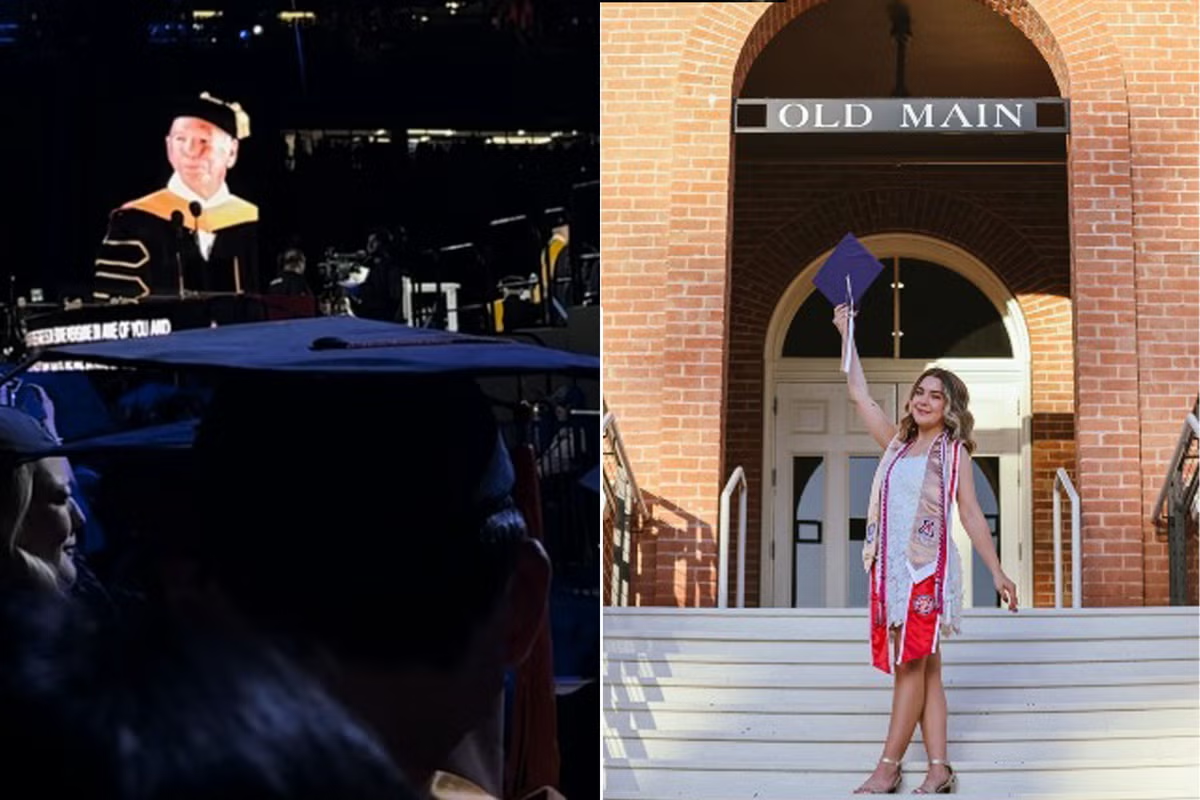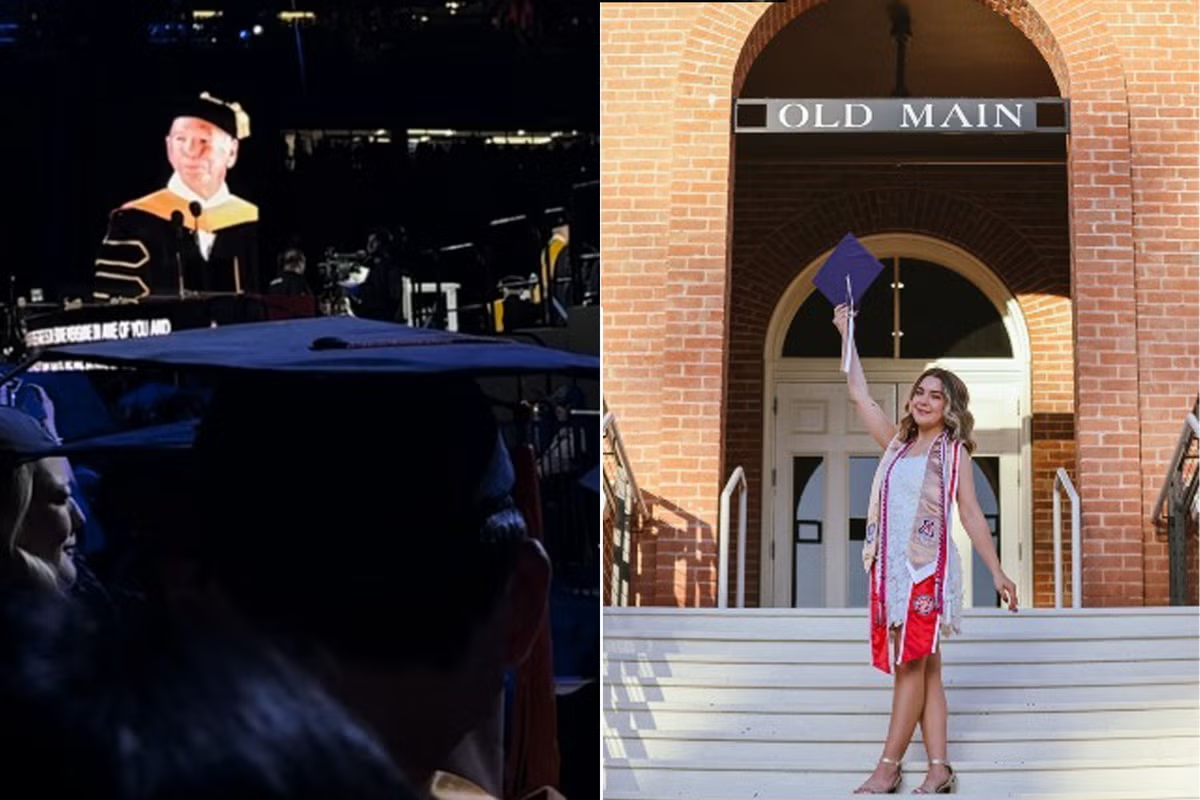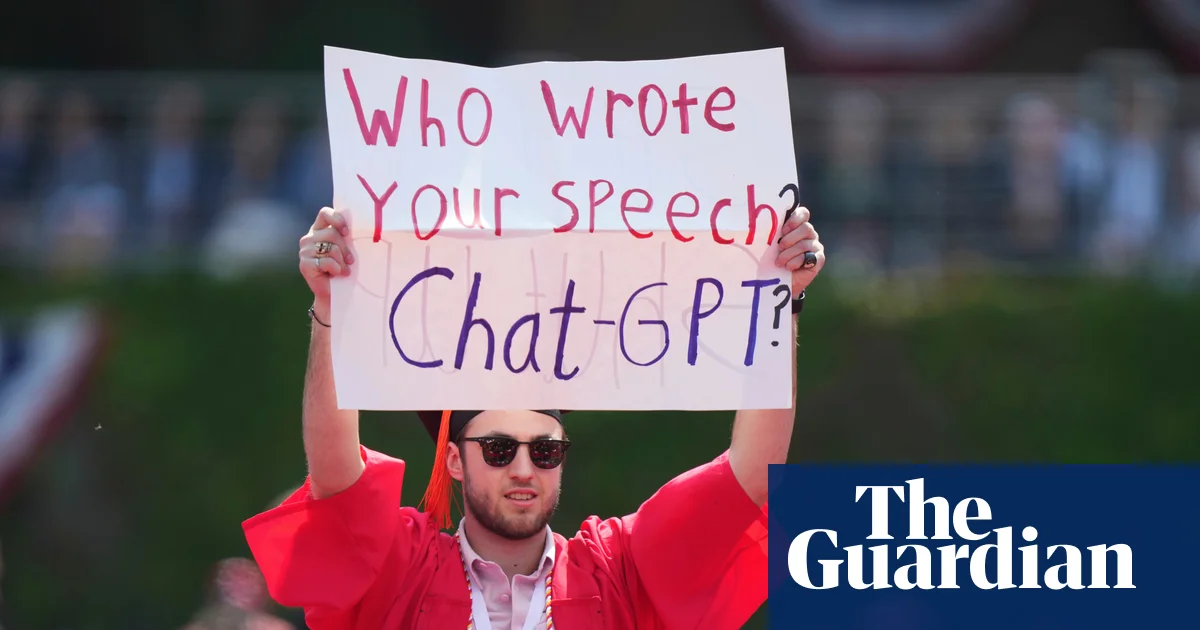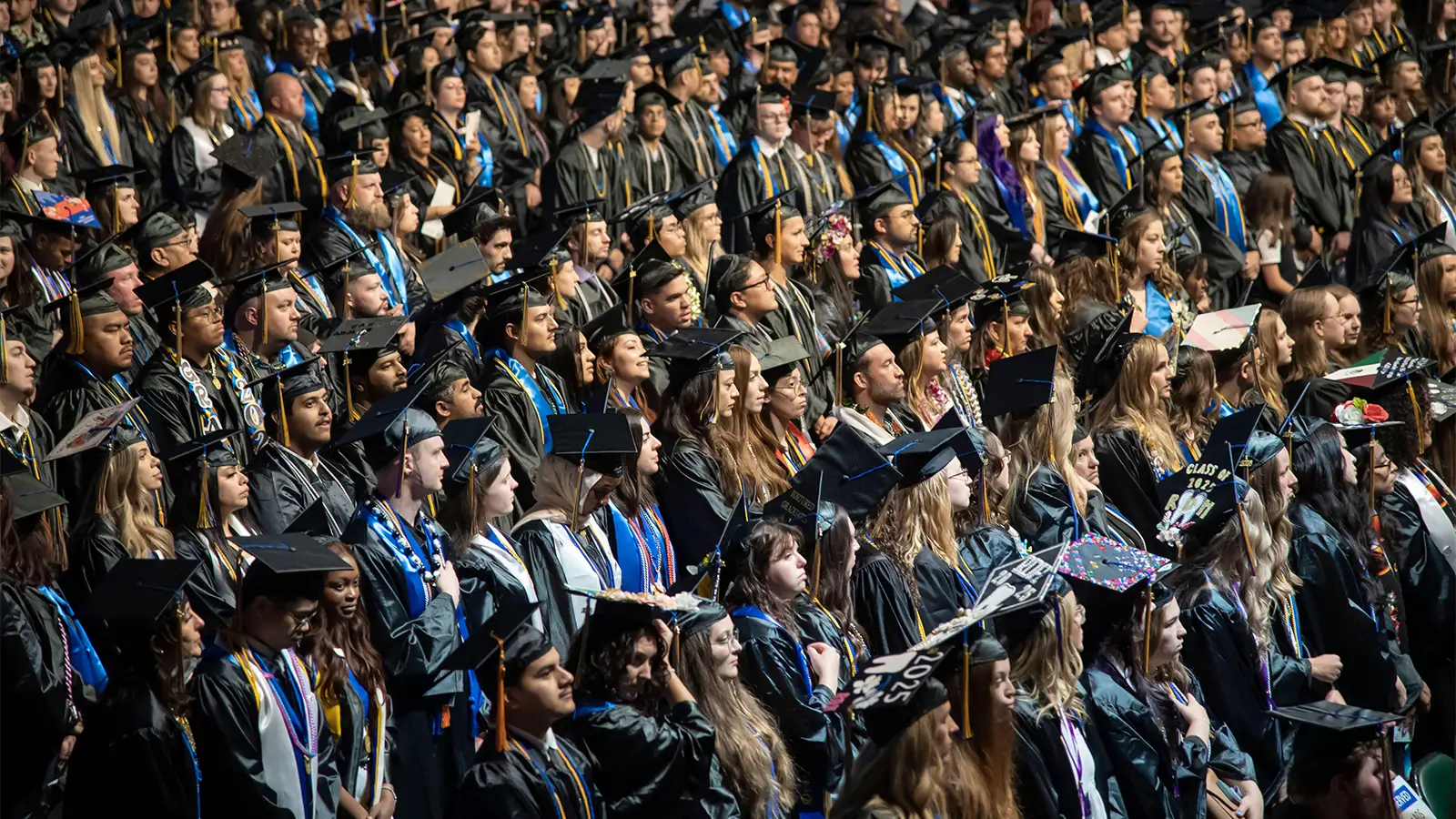
Kun Tian is a senior lecturer in marketing and analytics at Kent Business School, UK, and a fellow at the Taihe Institute.This spring, American graduates did something commencement audiences rarely do: they booed the future being sold to them. At several universities, students jeered speakers who praised artificial intelligence (AI), so often that a National Public Radio report advised this year’s orators to avoid the subject altogether.That reaction is too easily dismissed as technophobia. These are among the most digitally fluent graduates ever. What they reject is not AI; they reject a version of it in which the rewards belong to companies while the risks land on the bottom rung of their careers.A technology one can build on feels like possibility. A technology being built on one’s prospects feels like fate. That, more than any technical difference in the machines, is what now separates many young Americans from many young Chinese in their attitudes towards AI.I watch this from Europe, caught between America’s frontier labs and China’s application economy, perhaps seeing both more clearly for it. Writing in this newspaper recently, Wei Wei attributed the gap to economic outlook and differing levels of trust. That is right as far as it goes, but the deeper divide is one of agency: whether institutions invite the young to build with AI or mainly ask them to absorb its consequences.Young Americans hardly lack access. They have coding assistants, open models, campus AI labs and the world’s deepest start-up culture. The United States still leads at the “zero to one” frontier, but frontier leadership is not the same as broad agency. Much of that capability sits inside a few large firms, and to a new graduate it appears first through an anxious labour market: fewer junior openings, more automated hiring and employers reluctant to train for tasks software might soon do.The graduate labour market was weakening before every effect could be blamed on AI: interest rates, overhiring and sectoral slowdowns all matter. Still, the experience is real. Recent US college graduates have faced unemployment above the overall workforce rate, with underemployment hovering above 40 per cent in recent data. For a 22-year-old, the question is not whether AI will transform productivity but whether the first job that once taught them how an industry works still exists.
Opinion | Why Chinese youth aren’t booing AI, unlike American graduates
Giving young people a chance to help build the future with AI is more effective than a narrative in which they are its inevitable victims.
382 words~2 min read