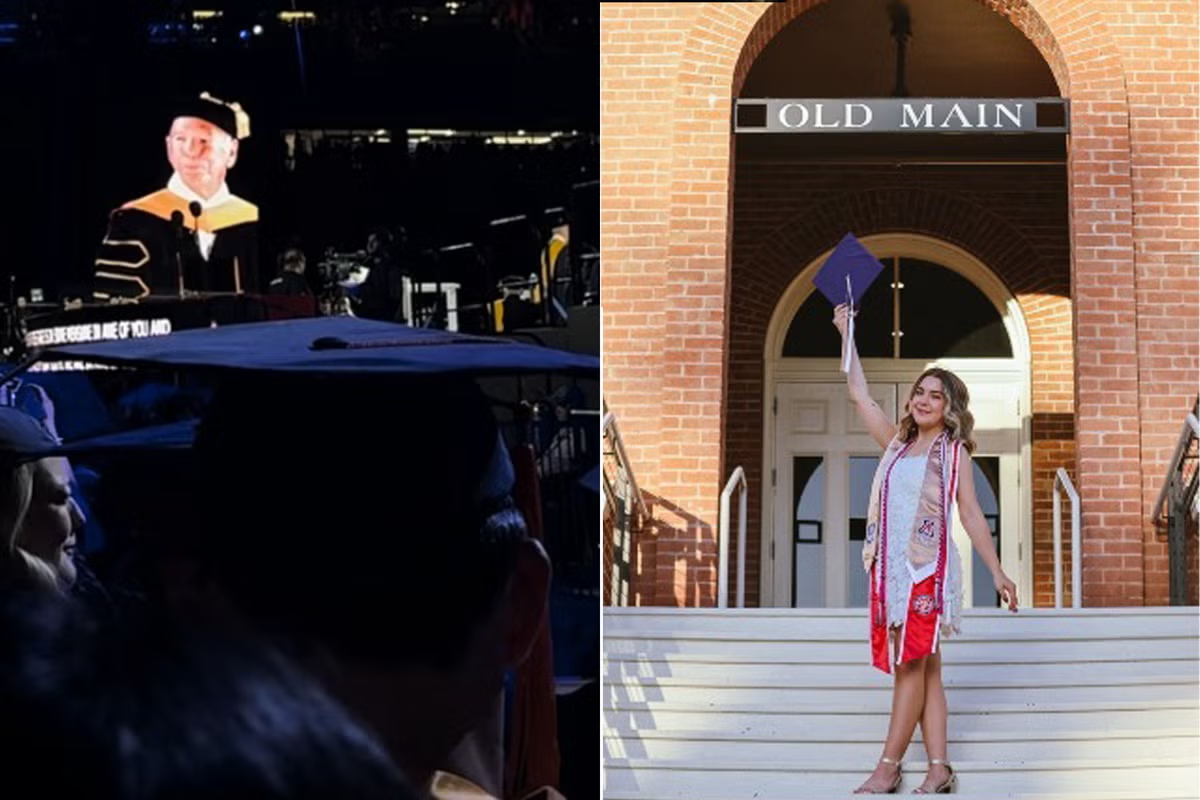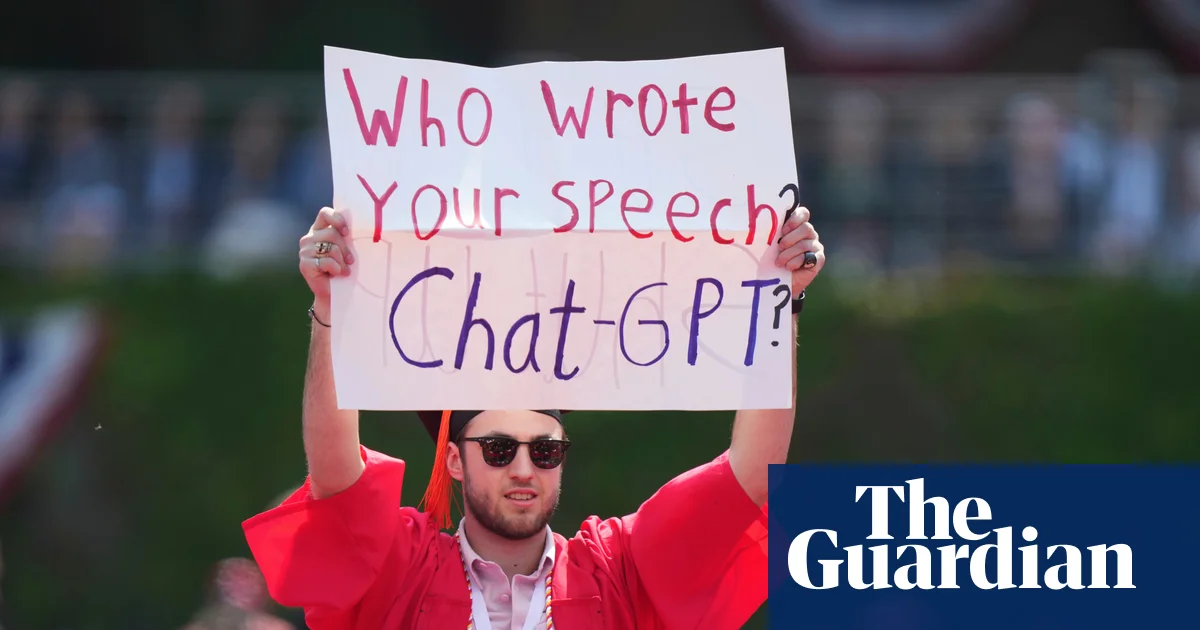
This graduation season, a ritual played out on campuses from Tucson to Orlando: a speaker mentions artificial intelligence, and the caps-and-gowns crowd erupts in boos.
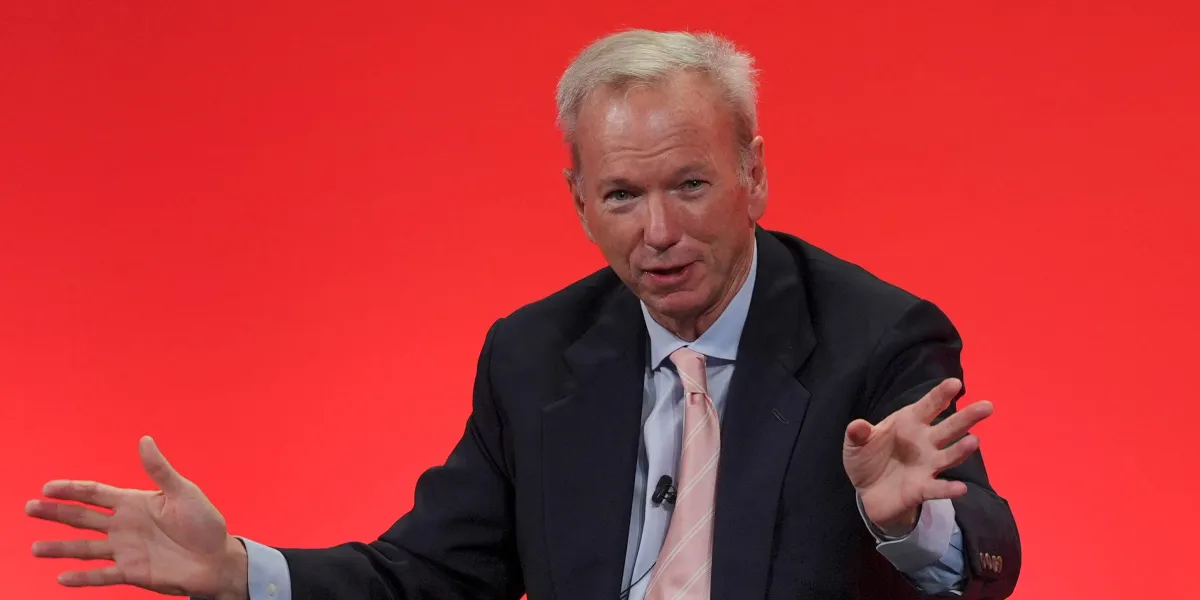
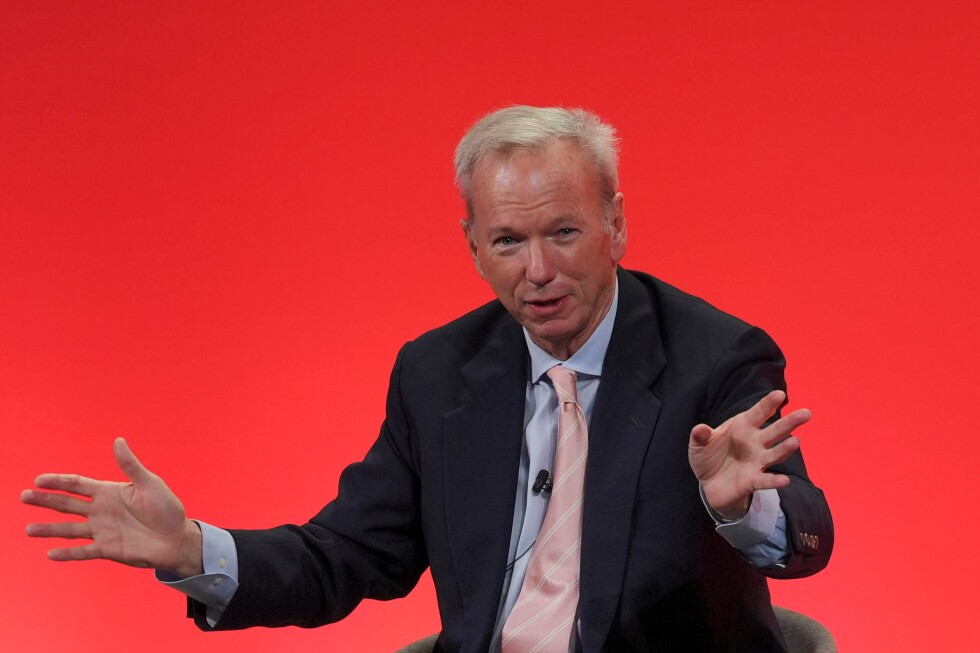
Former Google CEO Eric Schmidt got it at the University of Arizona. A real estate executive got it at the University of Central Florida, where one graduate even shouted “AI sucks!” into a microphone. A Nashville music executive at Middle Tennessee State told students to “deal with it.” The videos went viral within hours.
The anger makes intuitive sense. Eighty-one percent of Gen Z believes AI will reduce job opportunities, according to a recent Quinnipiac poll — more pessimistic than any other generation. A Gallup survey of 1,500 young Americans found enthusiasm for AI has dropped from 36% to 27% over the past year, while negative feelings have surged. These are graduates stepping into the worst entry-level job market in years, and they’ve absorbed the conventional wisdom: the robots took their jobs.
A sweeping new academic study says they’ve been pointing at the wrong culprit. The experts aren’t so sure they’ve found the right one either.
The biggest labor market study you haven’t heard of