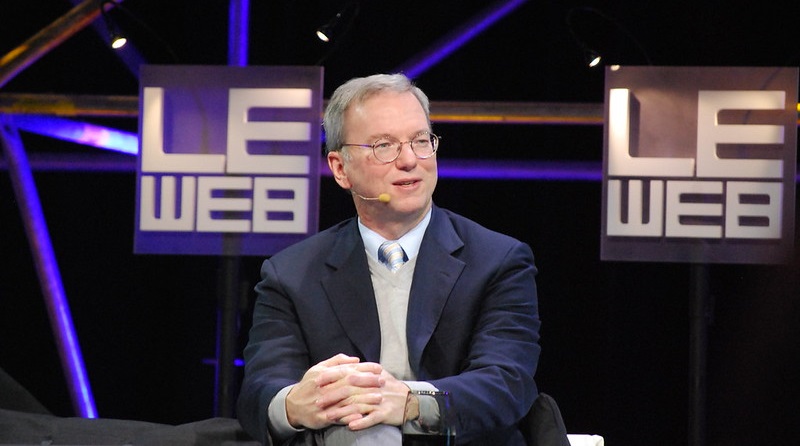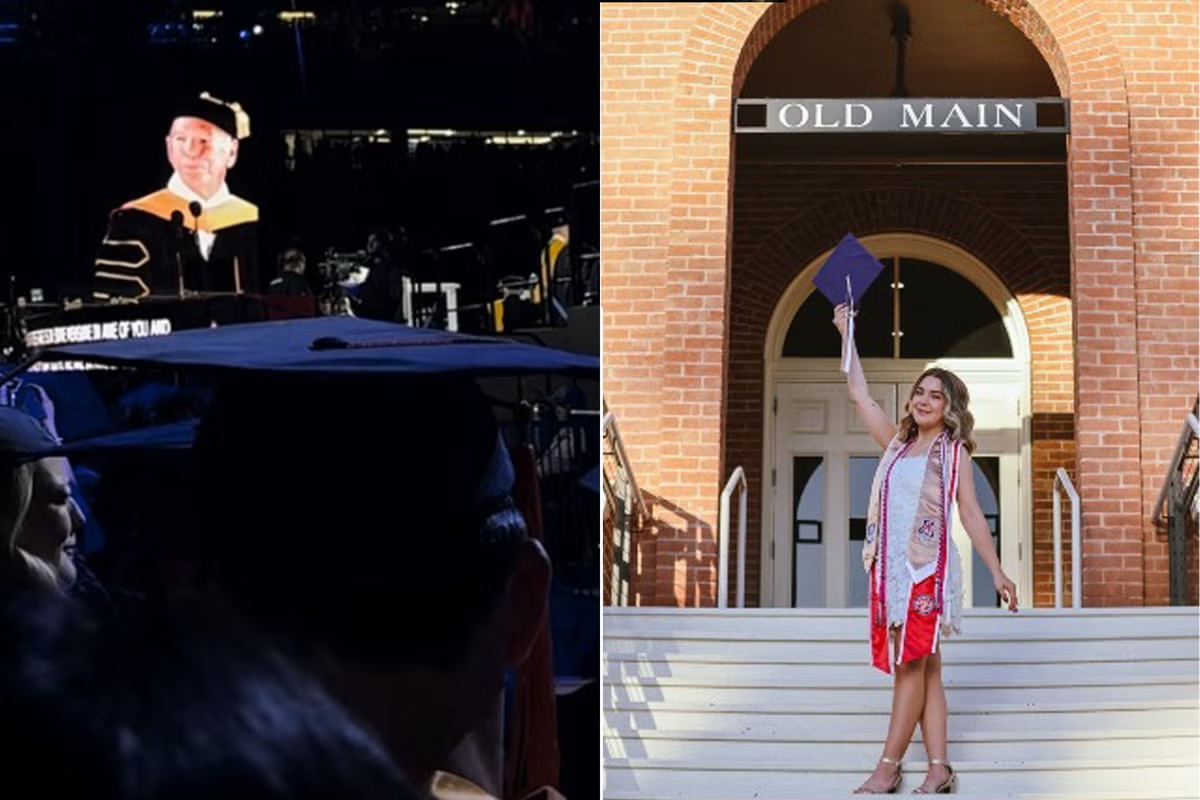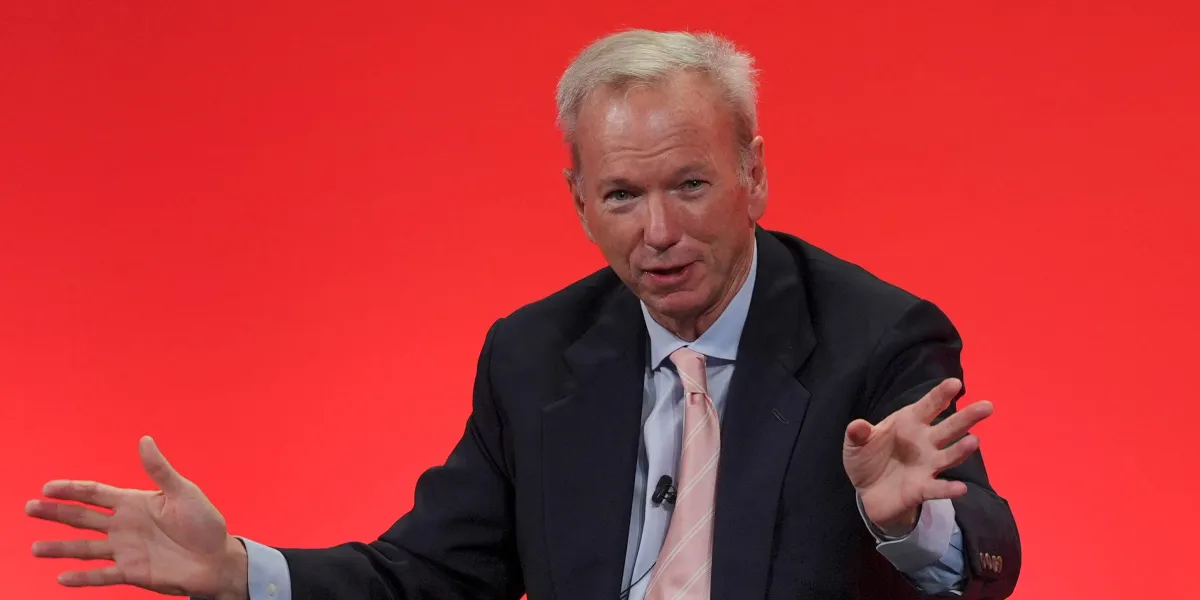
Eric Schmidt stood at a lectern at the University of Arizona’s spring commencement and told a stadium full of graduates that the impact of artificial intelligence would be ‘larger, faster, and more consequential’ than anything they had so far lived through.
The former Google chief executive was attempting, on the published account, to be reassuring. He was speaking about the great human capacity for adaptation. The boos started anyway. They were still going when Schmidt finished.
Twelve days earlier, at the University of Central Florida, the real-estate executive Gloria Caulfield had used the phrase ‘the next industrial revolution’ in her own commencement speech. The students had booed her, too.
The framing the wire reporters reached for, in both cases, was generational confusion. Young people, the framing went, were misreading a technology cycle their elders had already lived through. The framing was wrong.
What the graduating cohort of 2026 was responding to, in both Arizona and Florida, was the most accurate read available on the labour market they were graduating into. They were not booing the technology, they were booing the speech that announced their redundancy.