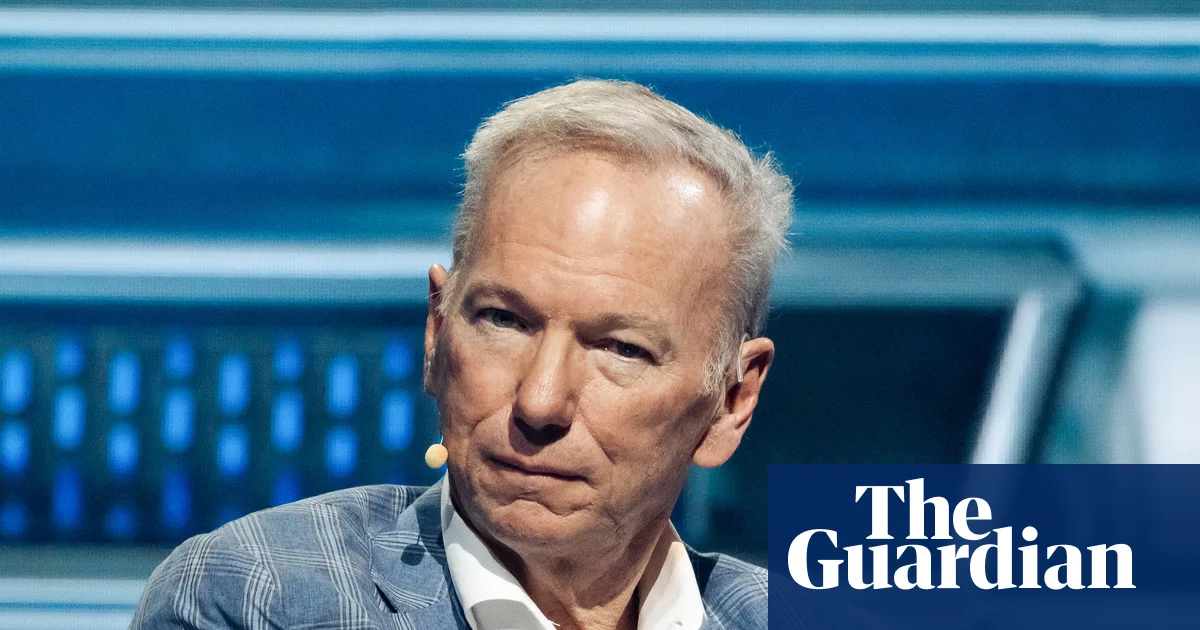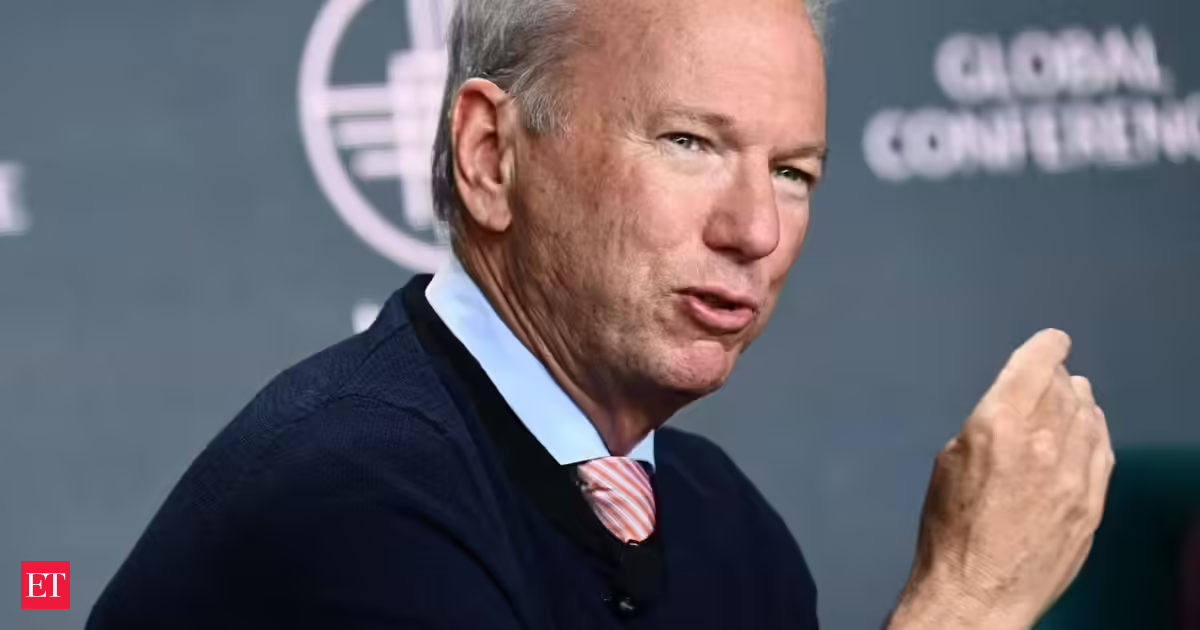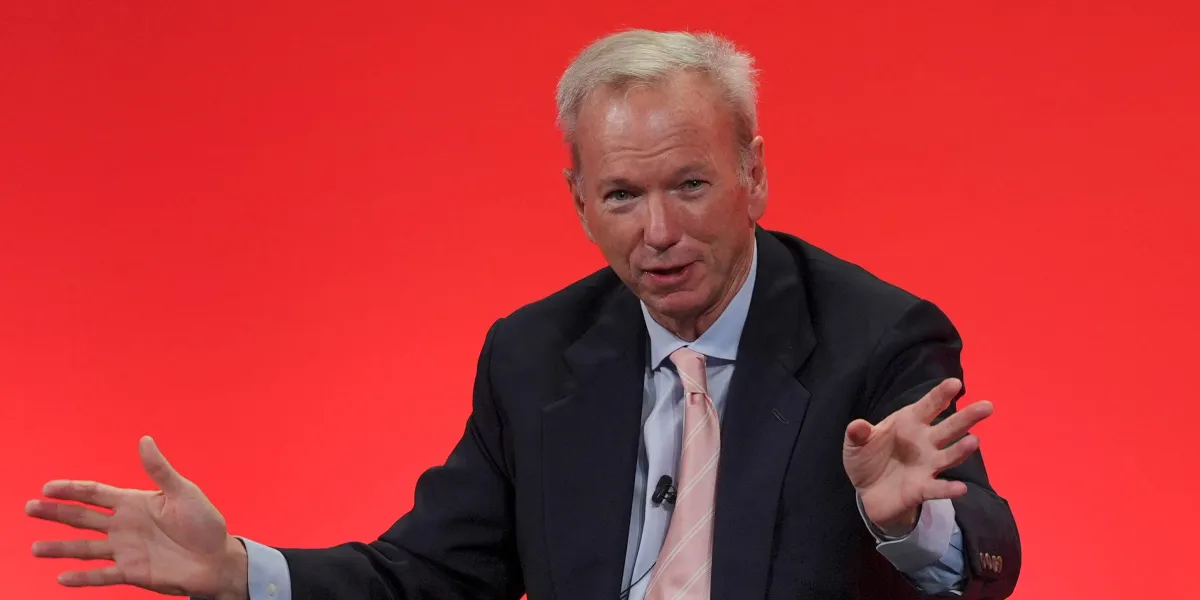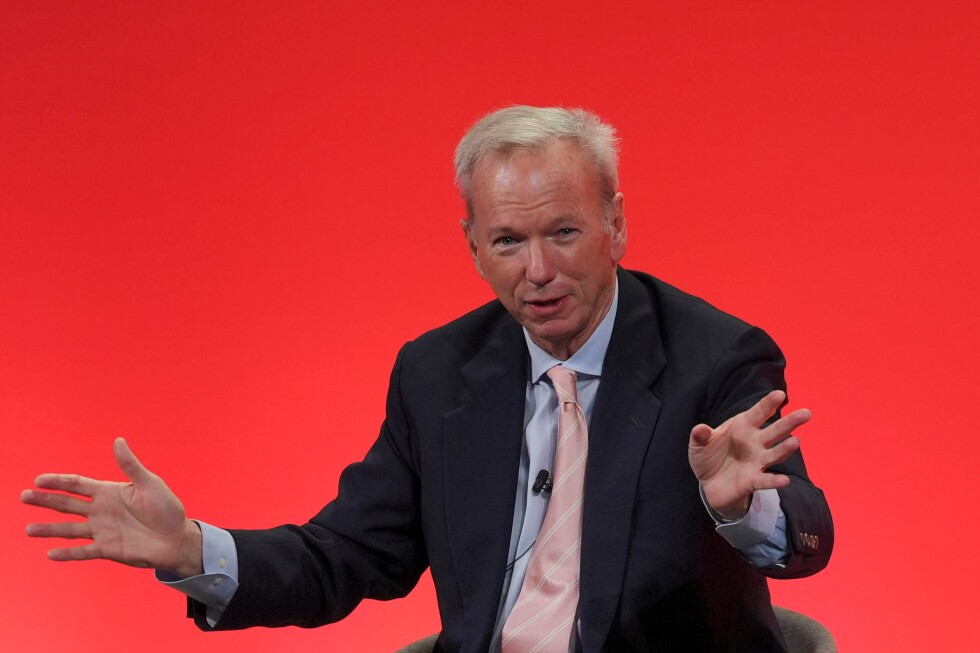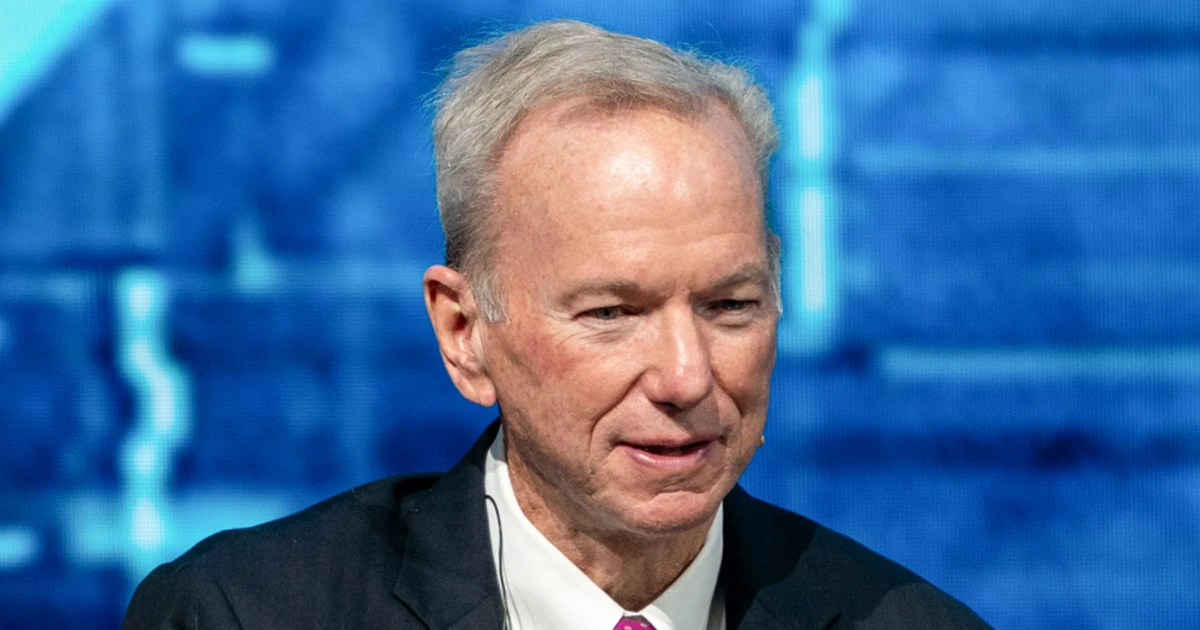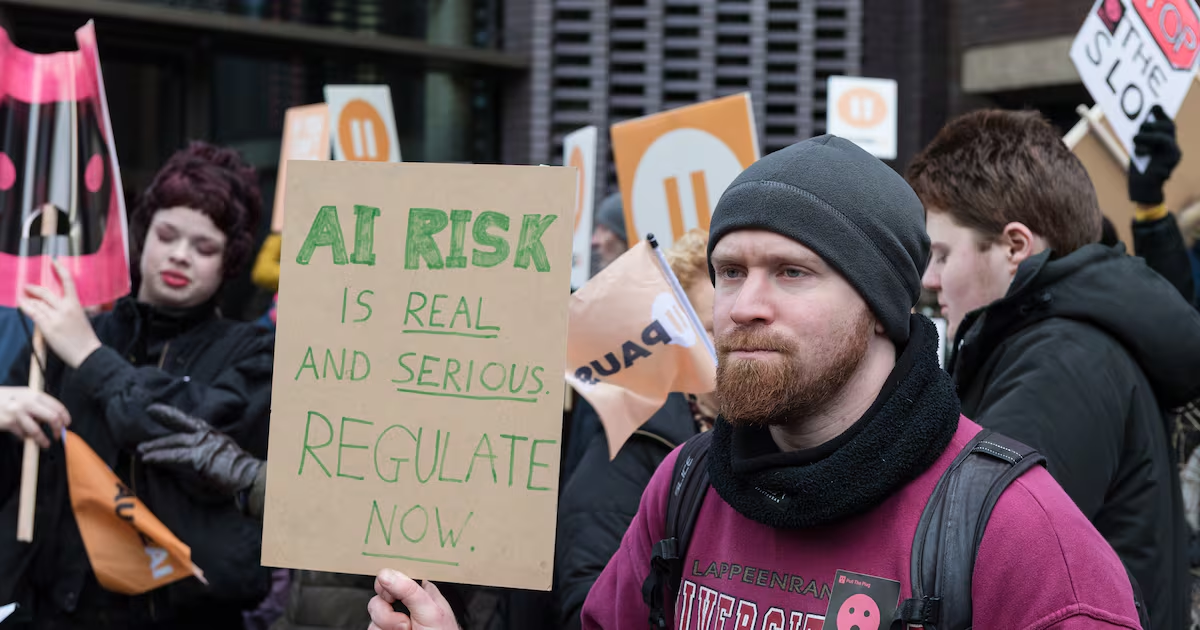
When Eric Schmidt, former chief executive of Google, started talking about artificial intelligence (AI) during a commencement speech at the University of Arizona on Friday, the graduates erupted in boos. “AI is going to touch everything,” said Schmidt, as his stadium-sized audience roared its disapproval. “Whatever path you choose, AI will become part of how work is done.” Maybe he meant this as a promise of opportunity, but the students seemed to hear it as a threat – or a curse.Something similar happened at the University of Central Florida a week earlier, when real estate executive Gloria Caulfield described AI as “the next industrial revolution”. Listeners booed, and someone shouted: “AI sucks!” Caulfield appeared to be caught off-guard, but she shouldn’t have been, because evidence of a ferocious backlash against AI, especially among young people, is everywhere.One recent report found only 18 per cent of Gen Zers feel hopeful about AI, and almost half say the risks outweigh the benefits. Politicians with followings among young people – including Bernie Sanders and Alexandria Ocasio-Cortez, on the left and Florida gubernatorial candidate James Fishback on the right – are calling for moratoriums on data centres. AI is increasingly a pop culture villain. “The people who make this stuff are losers,” said comedian Hannah Einbinder, star of HBO’s Hacks, a show that has put hatred of the technology at the centre of its current season. There have even been some high-profile acts of anti-AI violence, including a Molotov cocktail hurled at the home of OpenAI’s chief, Sam Altman.As Americans rebel against AI, the industry’s oligarchic leaders are responding by trying to buy even more political influence, pouring money into super political action committees and lobbying. Groups supporting AI and crypto, Politico reported this month, “are already becoming the most dominant players on the political battlefield, spending heavily for candidates on both sides of the aisle and in some cases rivalling the fundraising of long-established party groups.” The irony is that the industry’s attempts to game the democratic system are a big part of its deep unpopularity.One reason Americans seem to despise AI more than people in other countries is that they know their government is too sclerotic to handle it. Researchers at Stanford University found that out of people in 30 countries, Americans had the least faith in their leaders’ ability to regulate AI. Internationally, people tend to feel more positively about AI when the state tries to ensure that it benefits them.In a recent article, Bharat Ramamurti, former deputy director of then president Joe Biden’s National Economic Council, described how Japan uses public funding and regulatory policy to encourage companies to use AI to complement work by humans rather than replace it. In the Nordic countries, workers often have a formal role in deciding how AI will be deployed and can use acceptance of it as a bargaining chip. As a result, there have been “plenty of technological advancements, including on AI,” he told me. (Just last month, Norway introduced self-driving buses on public roads.)A protest on artificial intelligence outside a courthouse where Elon Musk’s lawsuit against OpenAI was heard. Photograph: Jason Henry/The New York Times
‘AI sucks!’: Campus backlash in US signals rising scepticism towards big tech
Students are voicing deep concern about the technology’s impact on jobs, inequality and democracy
1,032 words~5 min read