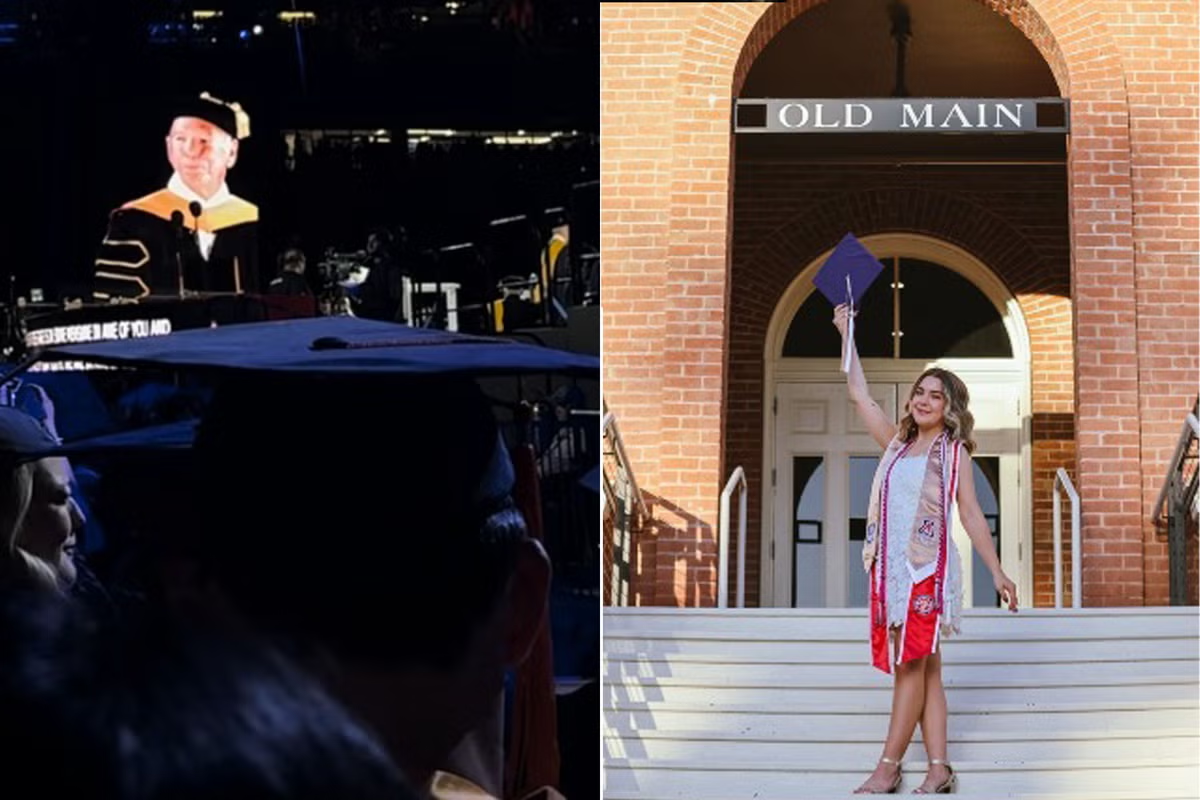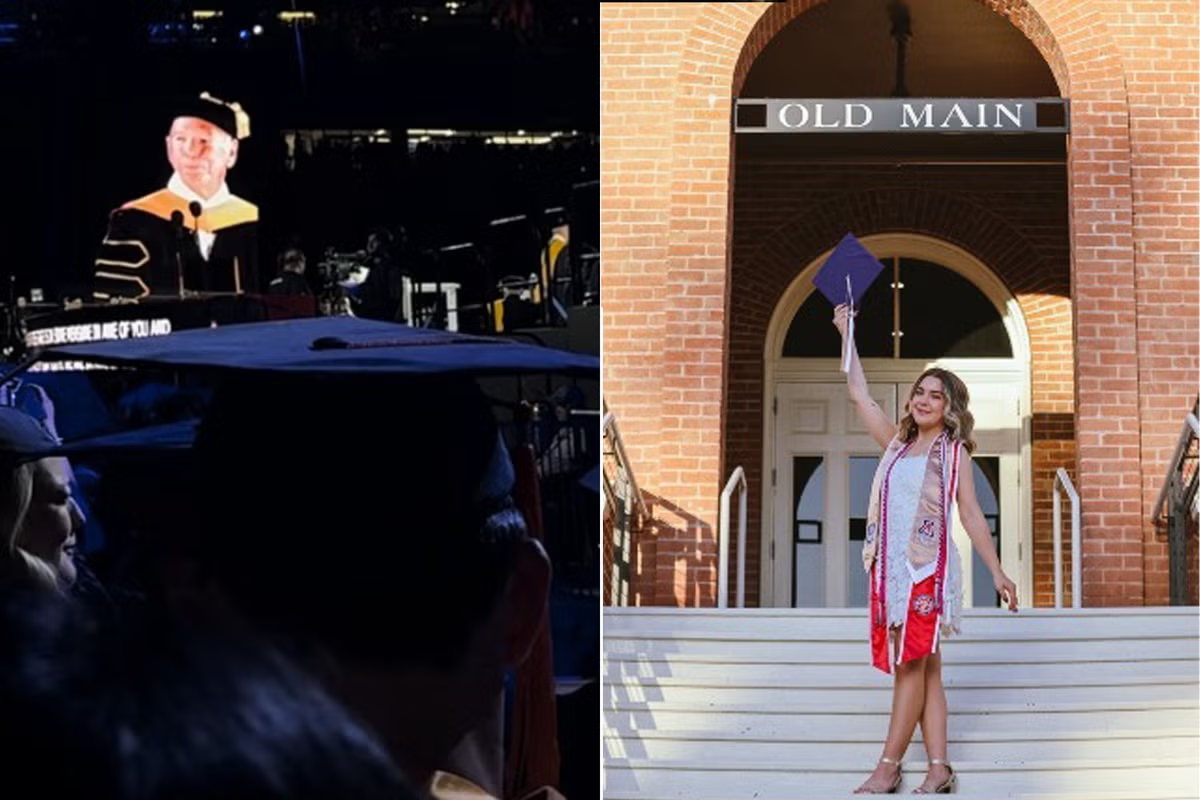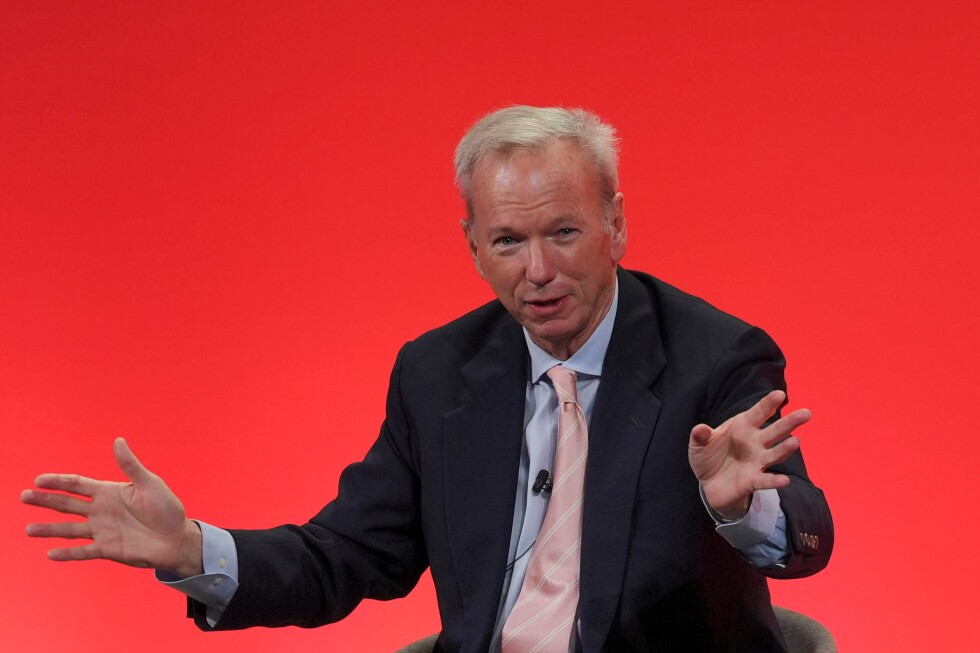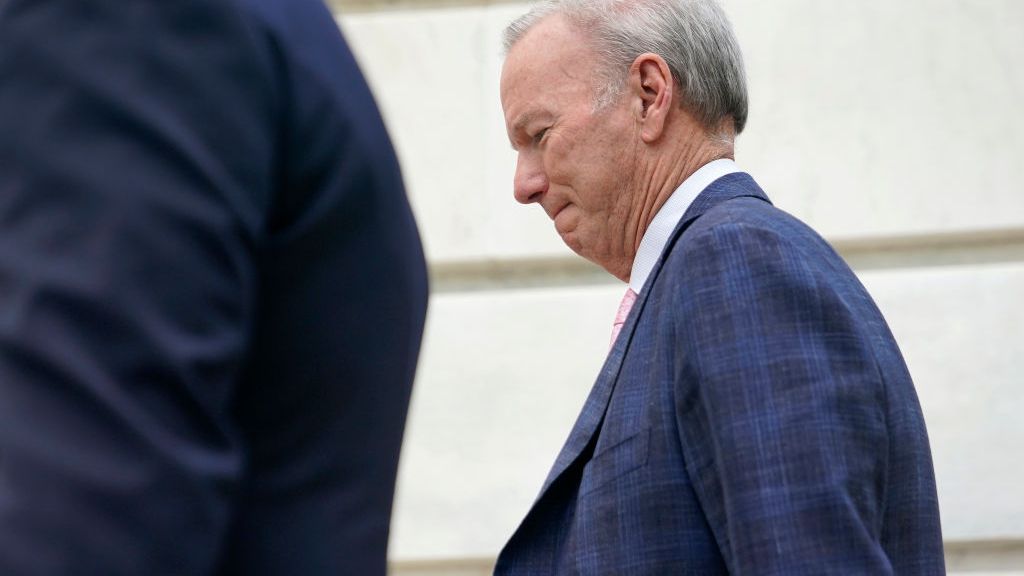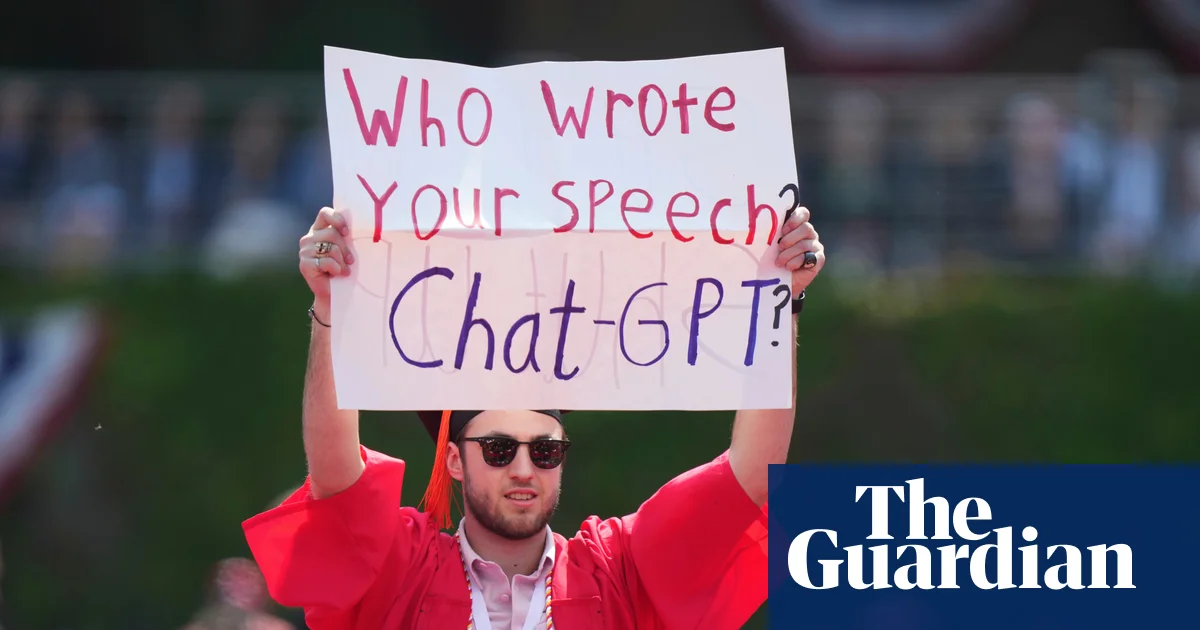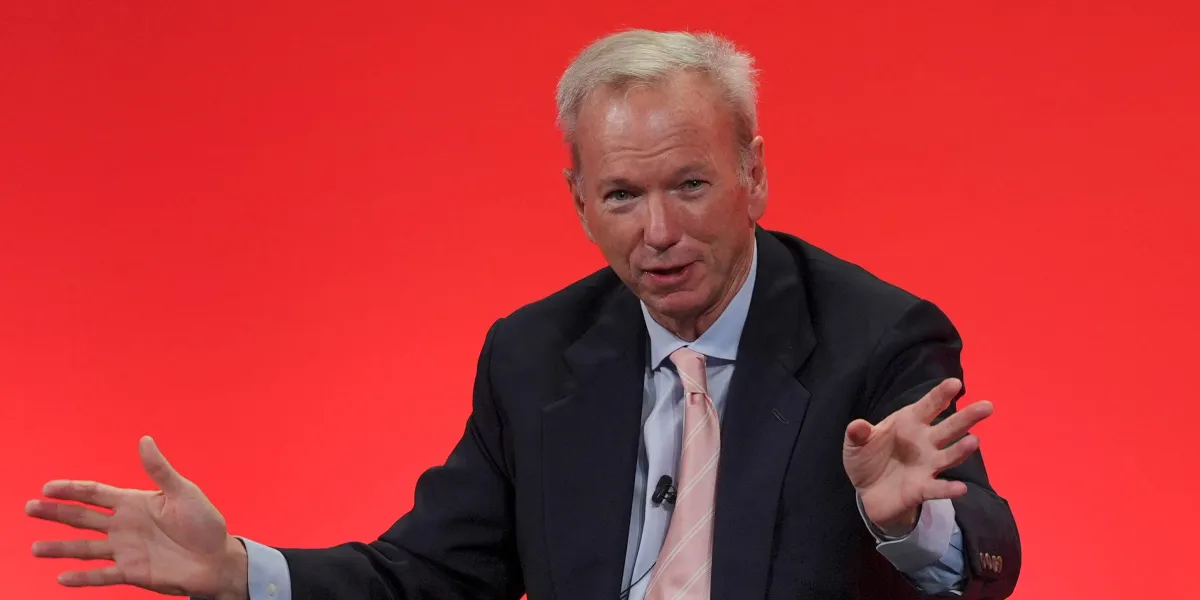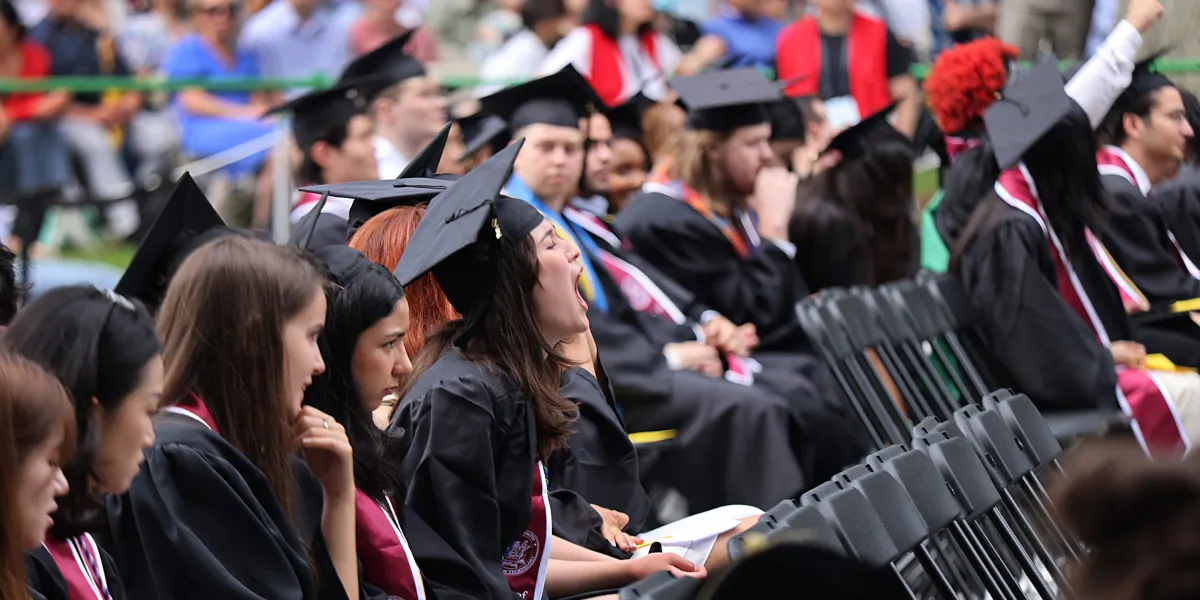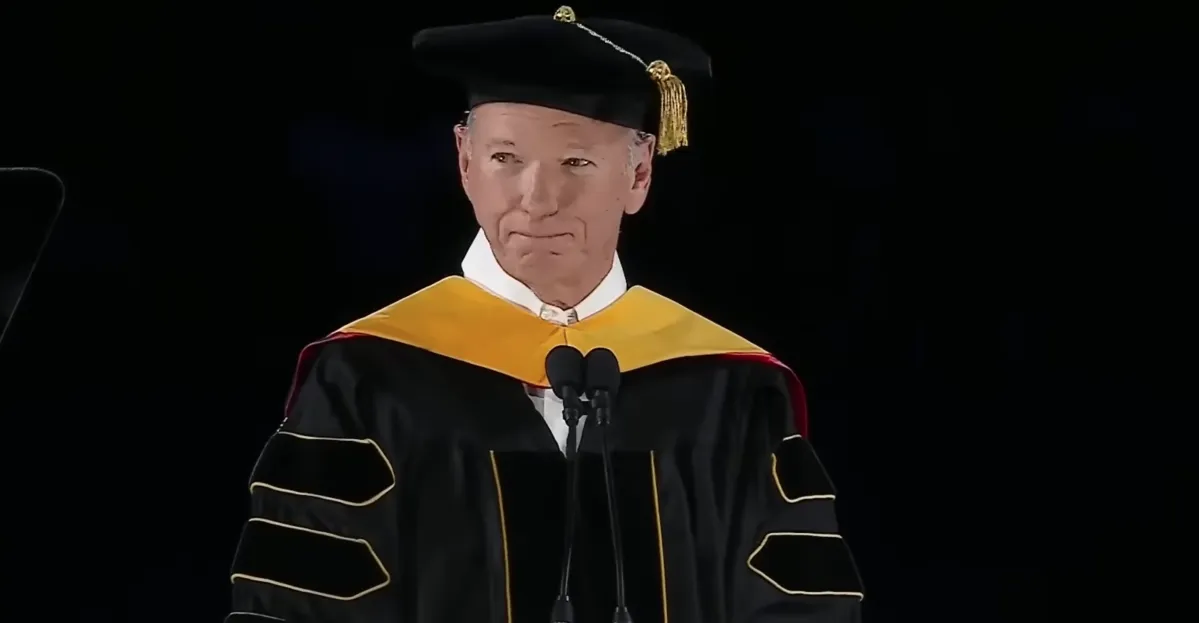
A spate of recent university commencement speakers was met with boos rather than the usual cheers when their remarks turned to the topic of AI.The students' vocal displeasure has brought into focus many Gen Zers' opposition to AI and anxiety around the challenging entry-level job market.Trying to land an entry-level job right now "is like throwing darts to begin with," Sneha Revanur, a 21-year-old senior at Stanford University and the founder and president of AI policy nonprofit Encode AI, tells CNBC Make It. The unemployment rate among recent college graduates, ages 22 to 27, was 5.6% in March, compared to 4.2% among all workers and 3.1% among all college grads, according to data from the New York Federal Reserve Bank.They're facing steeper competition: ZipRecruiter's 2026 grad report observed a 14.9% year-over-year increase in clicks per job posting across all jobs in March, and a 21.7% increase for entry-level jobs. At the same time, entry-level roles made up only 38.6% of overall job postings on ZipRecruiter, the lowest share in at least three years."I don't think that kids are having a hard time accepting [AI] because we know that AI exists," Madison Fuentes, a recent graduate of the University of Central Florida with a degree in English creative writing, told News 6 in Orlando. "I think we're just having a hard time acknowledging that it's taking away job opportunities from us."Fuentes and Revanur are part of the class of 2026, which saw the launch of ChatGPT early in their freshman year in November 2022 and were the first to have nearly their entire undergraduate education shaped by artificial intelligence during the subsequent generative AI boom. On top of the current job search challenges her class is already experiencing, Revanur says "there definitely is this ambient anxiety that AI is going to make things dramatically worse."'Deal with it'The controversial remarks drew boos at colleges across the country."The question is not whether AI will shape the world. It will," former Google CEO Eric Schmidt told graduates at the University of Arizona on May 15, to vocal uproar. "The question is whether you will have shaped artificial intelligence."Acknowledging the audience's reaction, Schmidt continued: "There is a fear in your generation that the future has already been written, that the machines are coming, that the jobs are evaporating, that the climate is breaking, that politics is fractured, and that you are inheriting a mess that you did not create." Schmidt said that fear was "rational" but that the graduates have agency to shape the future.Gloria Caulfield, an executive for Orlando-based property developer Tavistock, was met with a similar reaction at the University of Central Florida on May 8. The school's arts and humanities graduates booed when she equated the rise of AI to the "next industrial revolution." Moments later, they cheered when she said, "Only a few years ago, AI was not a factor in our lives."Music executive Scott Borchetta told graduates of Middle Tennessee State University on May 9 that "AI is rewriting production as we sit here." When the jeers ensued, he doubled down, saying, "Deal with it." "Then do something about it," he added as the boos continued, noting that AI was a "tool" and the students could "make it work for you."'A very real concern'The AI boos reflect sentiments that run deeper than a momentary reaction."There's a lot of totally reasonable resistance to using AI," Revanur says. Some people are "concerned about what it means for critical thinking and creativity," she says, or "view it as this attack on humanness."An April Gallup survey of over 1,500 people ages 14 to 29 living in the U.S. found that negative emotions about AI among Gen Z have "intensified" over the past year. Their excitement about AI fell from 36% to 22%, while anger rose from 22% to 31% and anxiety, at 42%, roughly held steady. Nearly half (48%) said the risks of AI outweigh the benefits in the workplace, even as major companies and their executives are lauding AI, pushing workers to develop AI skills or risk stalling their careers. Many have also reined in entry-level hiring, saying those roles are among the easiest to replace with AI. Even daily AI users had "become less positive over the past year," the Gallup survey found.The boos demonstrate "a very real concern that younger workers have," Glassdoor chief economist Daniel Zhao said at a press event in New York City on Tuesday."There's this undercurrent of uncertainty that workers are feeling that is partially driven by AI," Zhao said. "Younger workers are nervous about where the job market is, where the economy is right now, and if the economy was doing better, if they were getting jobs, I think they would probably be a little bit less worried about AI."Want to get ahead at work? Then you need to learn how to make effective small talk. In CNBC's new online course, How To Talk To People At Work, expert instructors share practical strategies to help you use everyday conversations to gain visibility, build meaningful relationships and accelerate your career growth. Sign up today!
Why new grads are booing commencement speakers: There's an 'ambient anxiety that AI is going to make things dramatically worse'
Recent commencement speakers including Google's Eric Schmidt have been booed for praising AI and encouraging students to use it as they embark on their careers.
847 words~4 min read