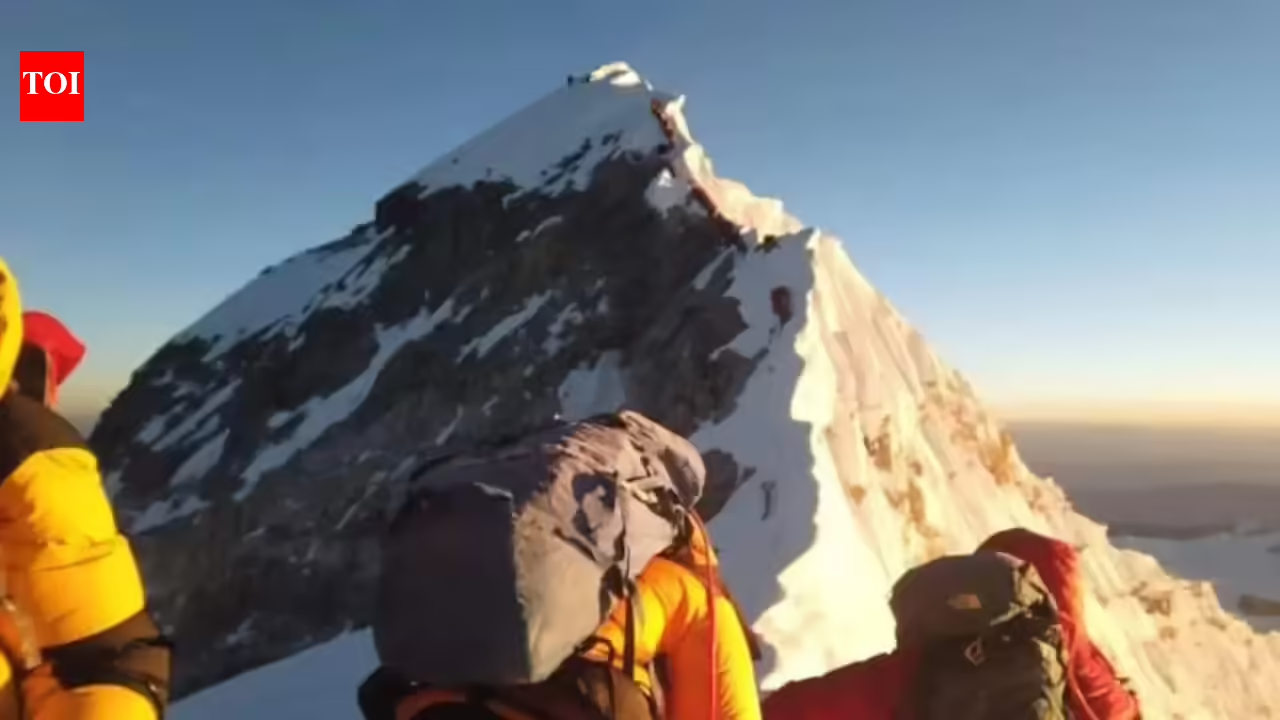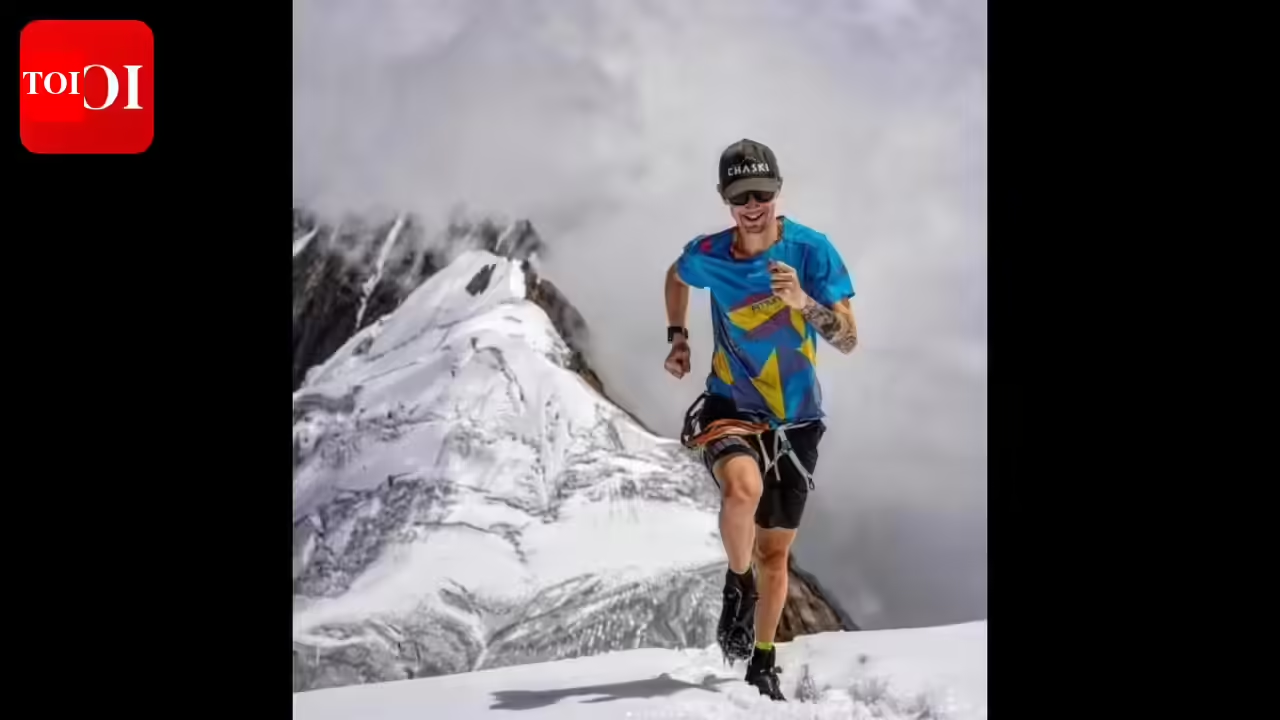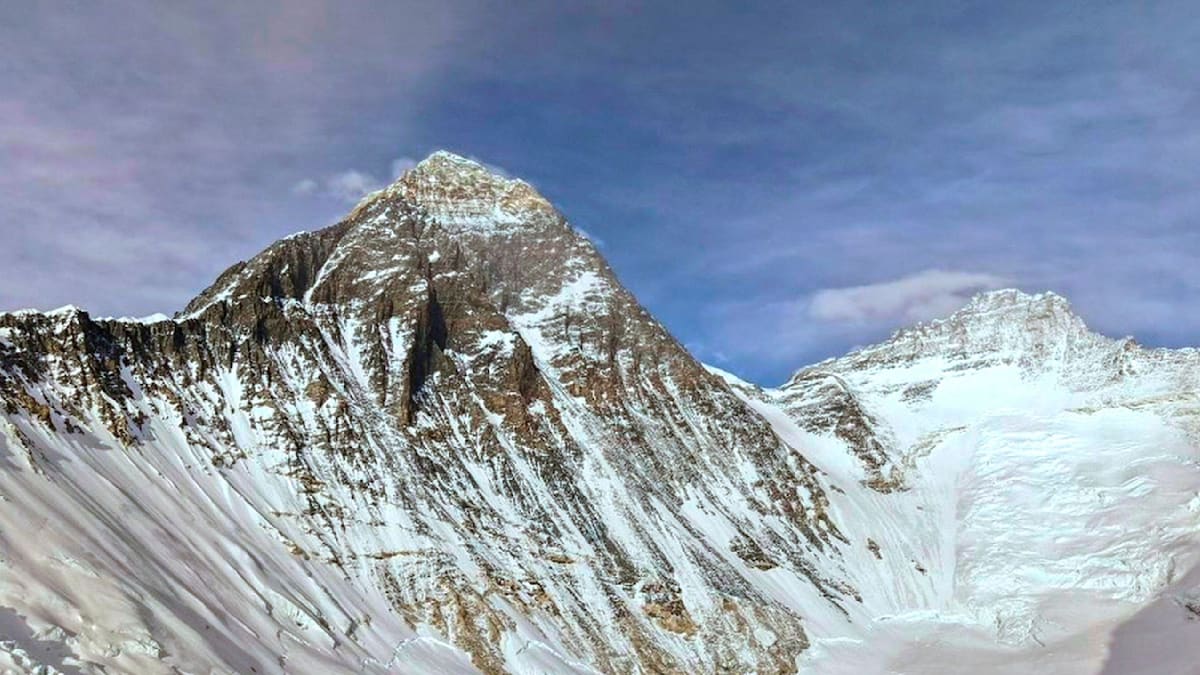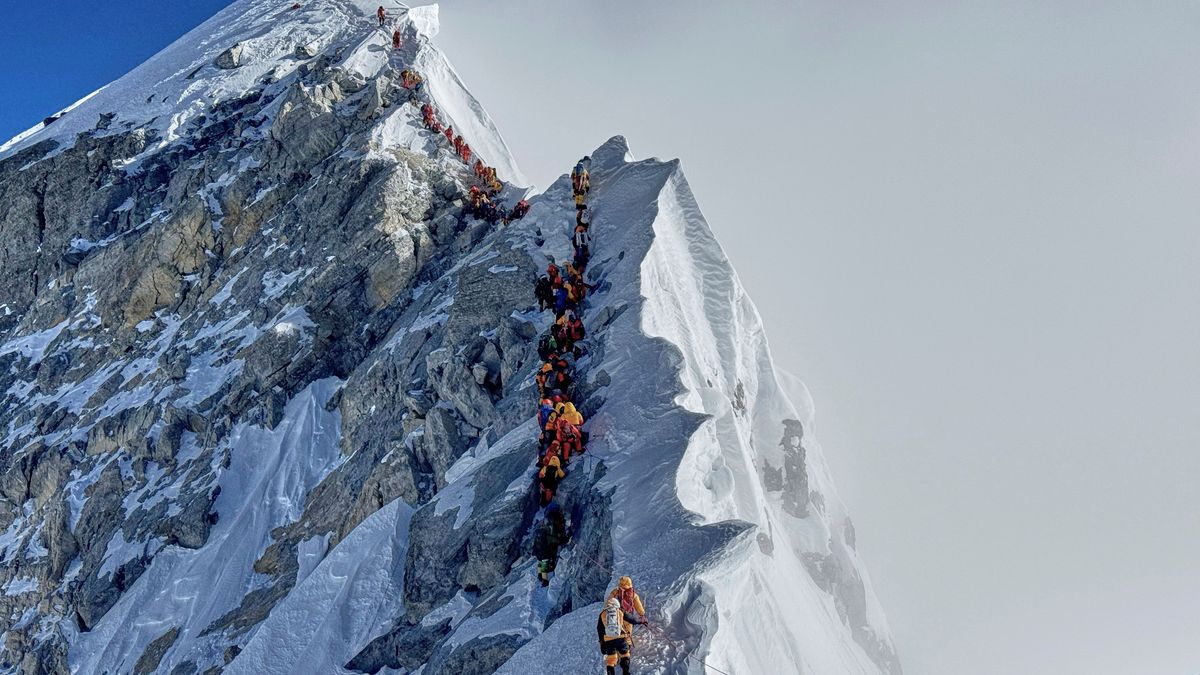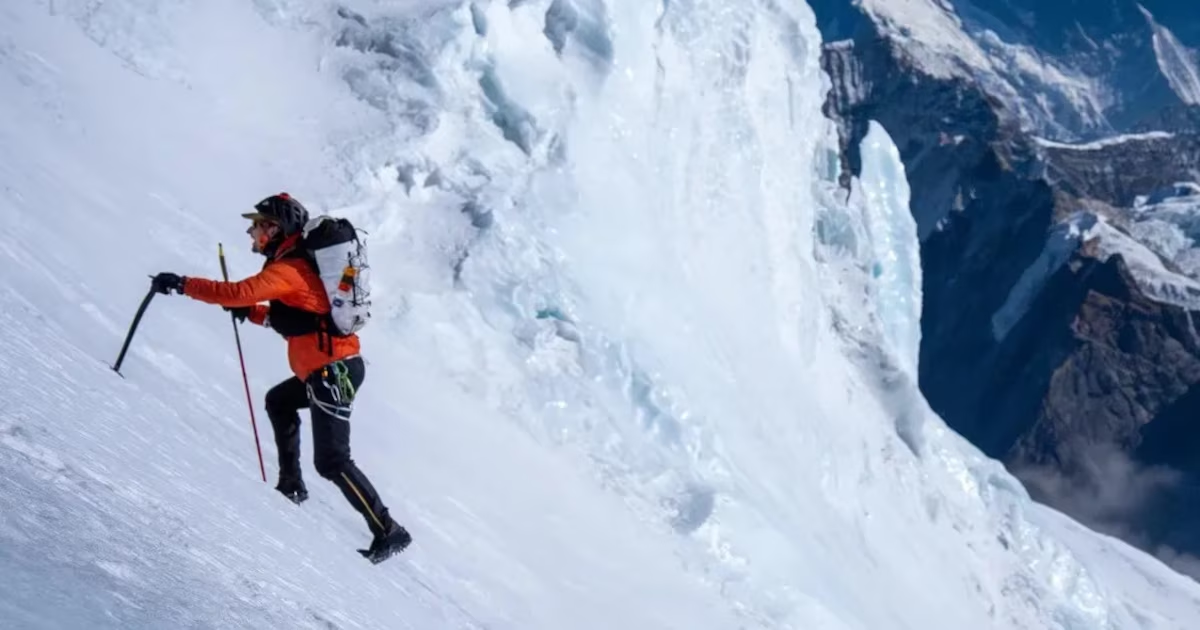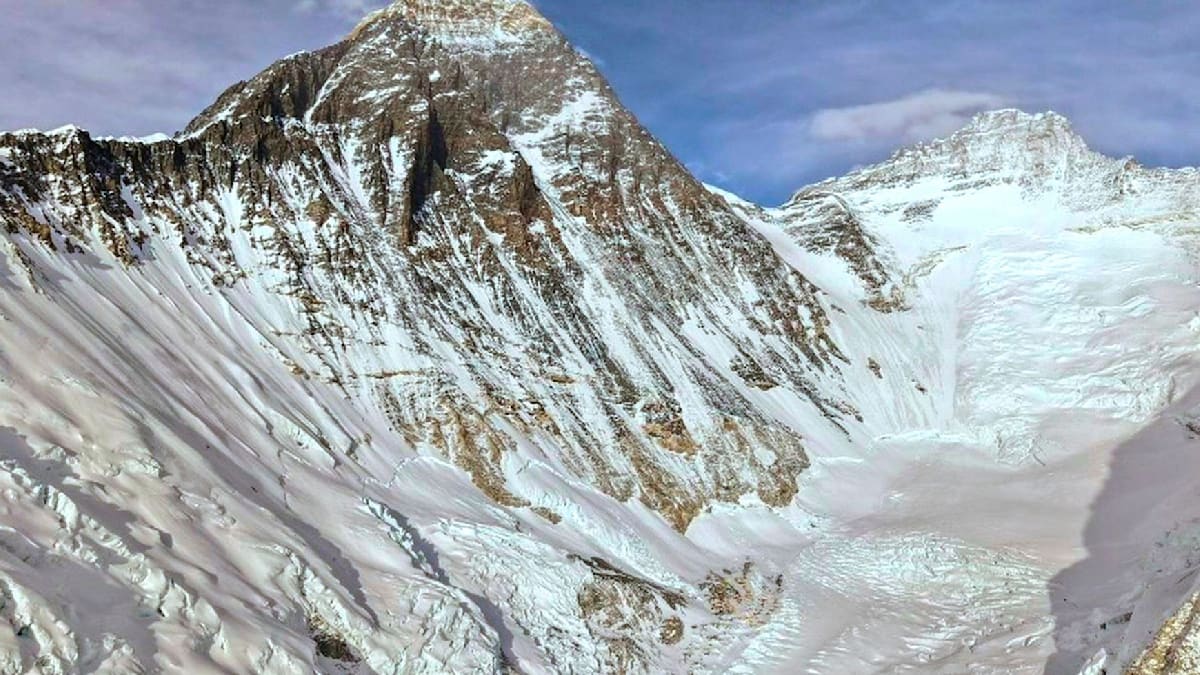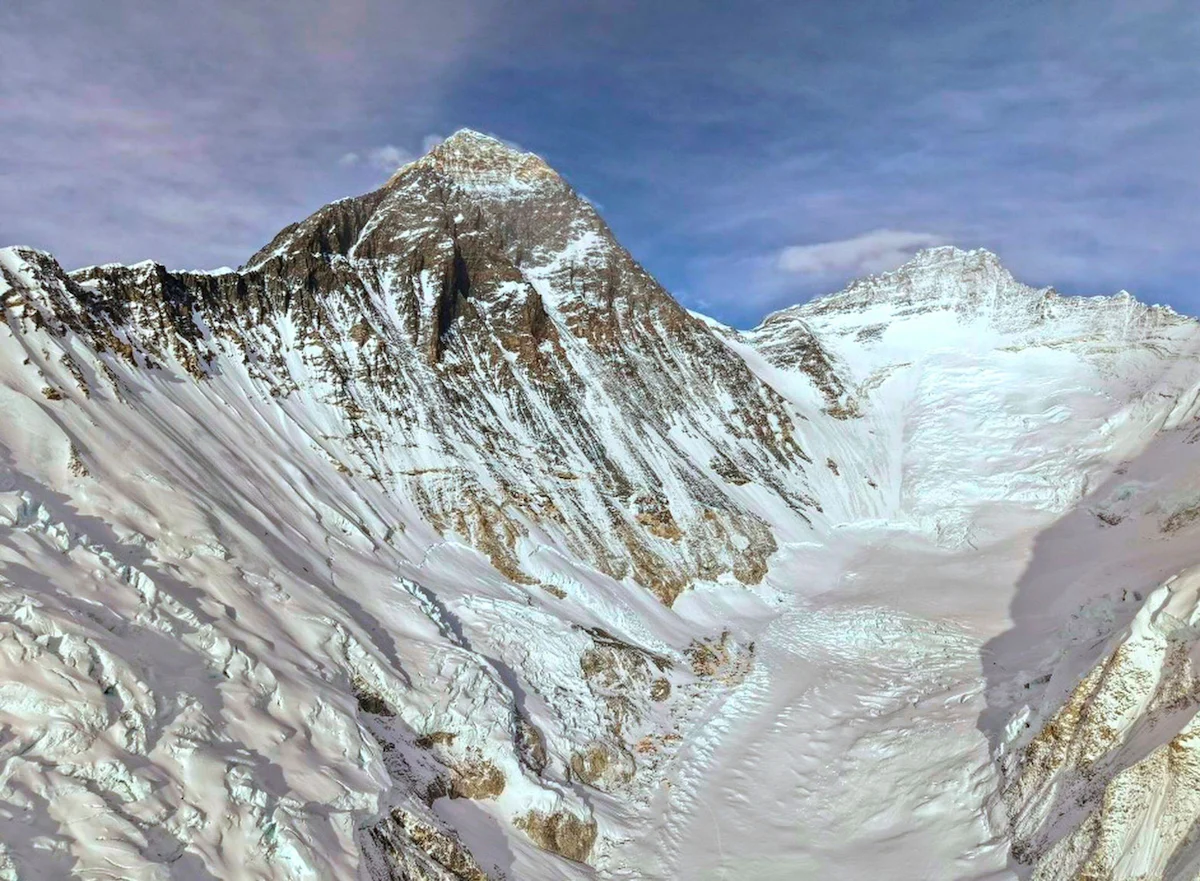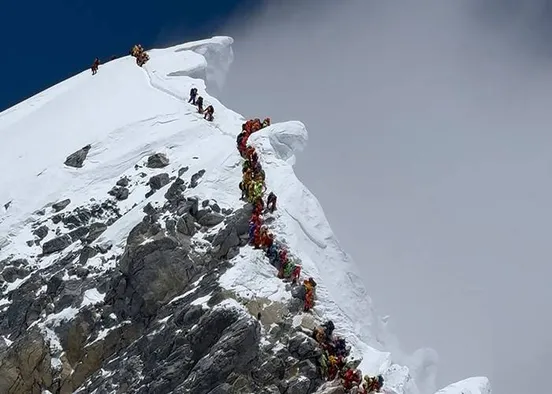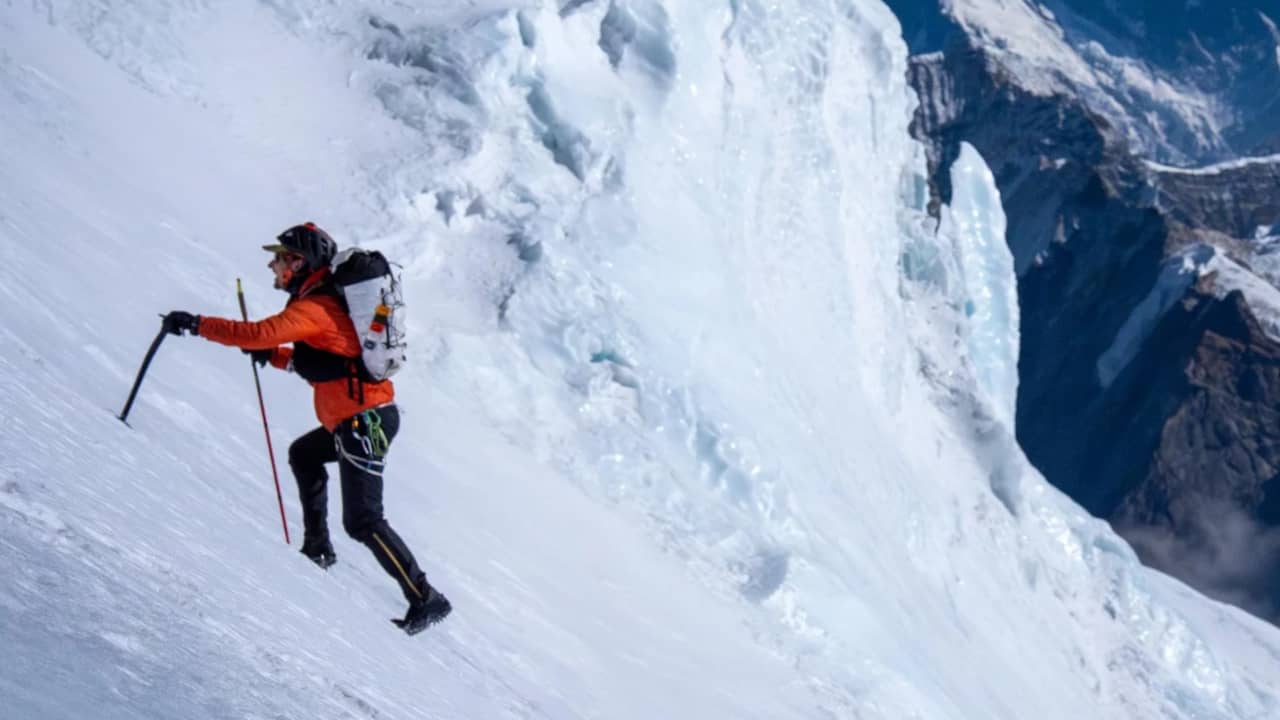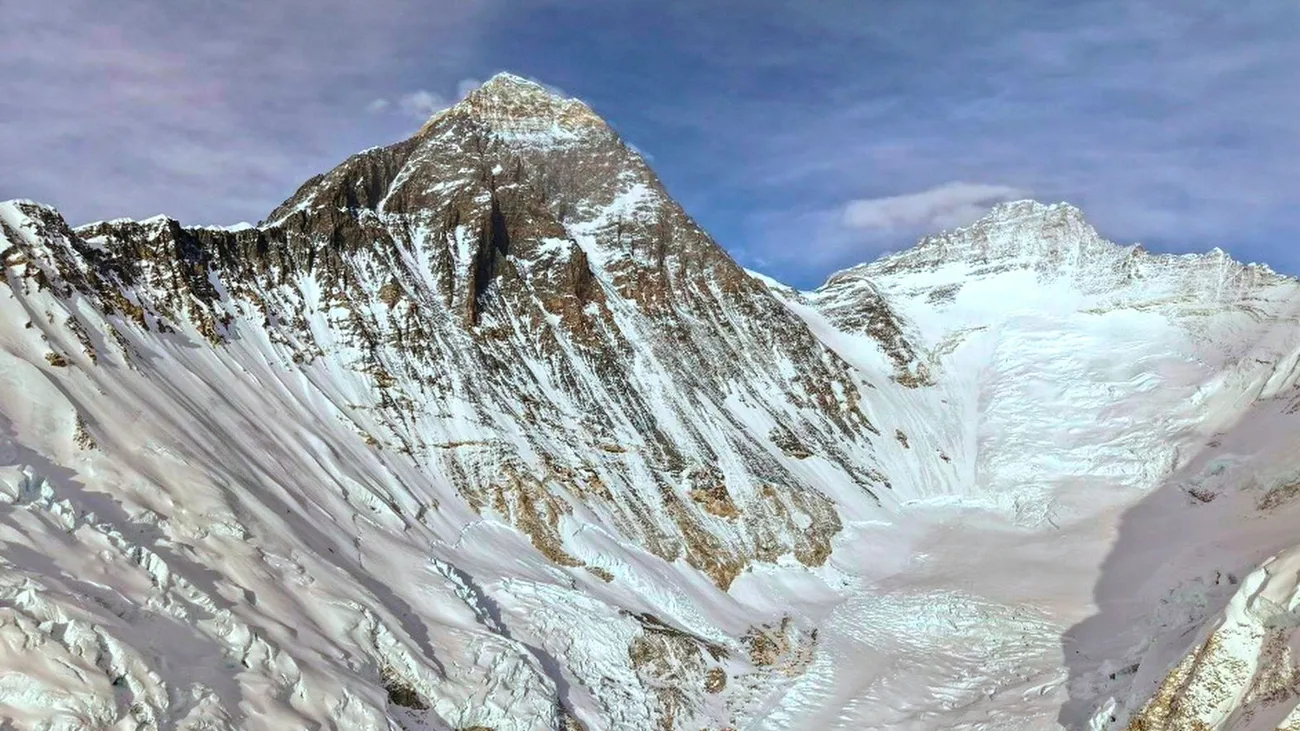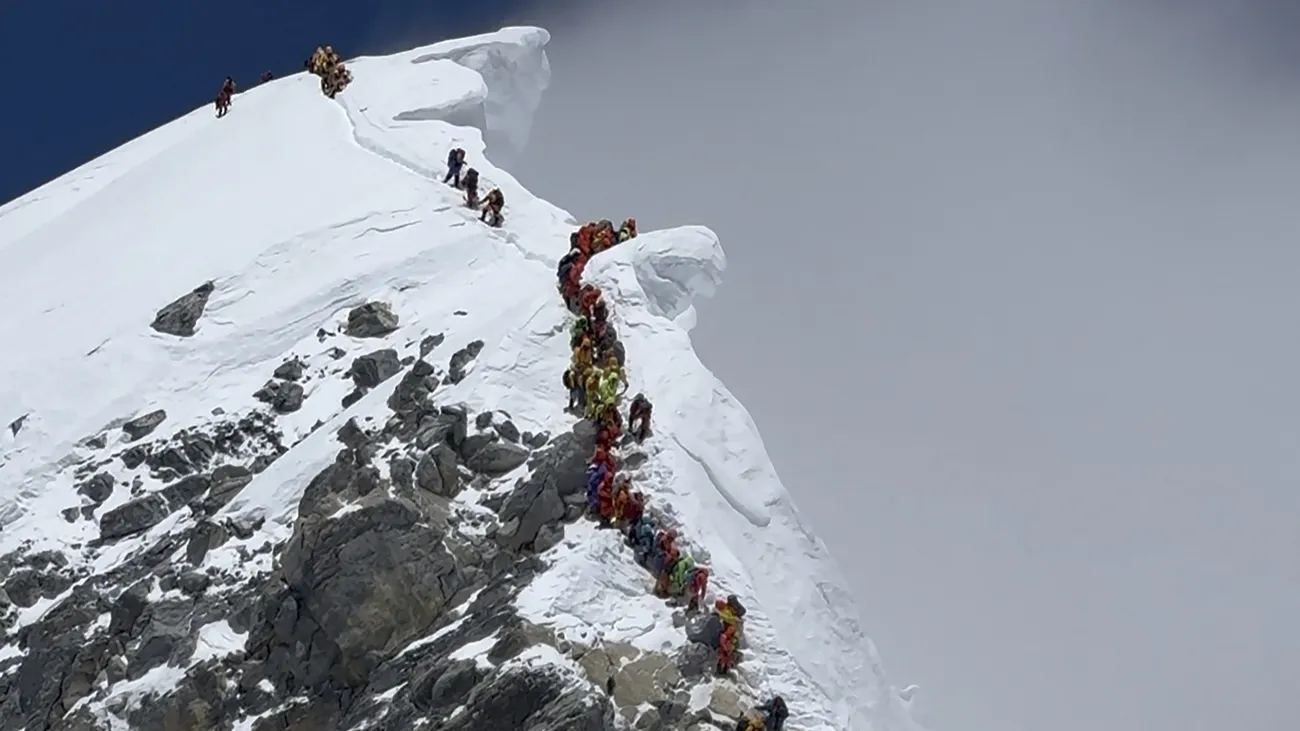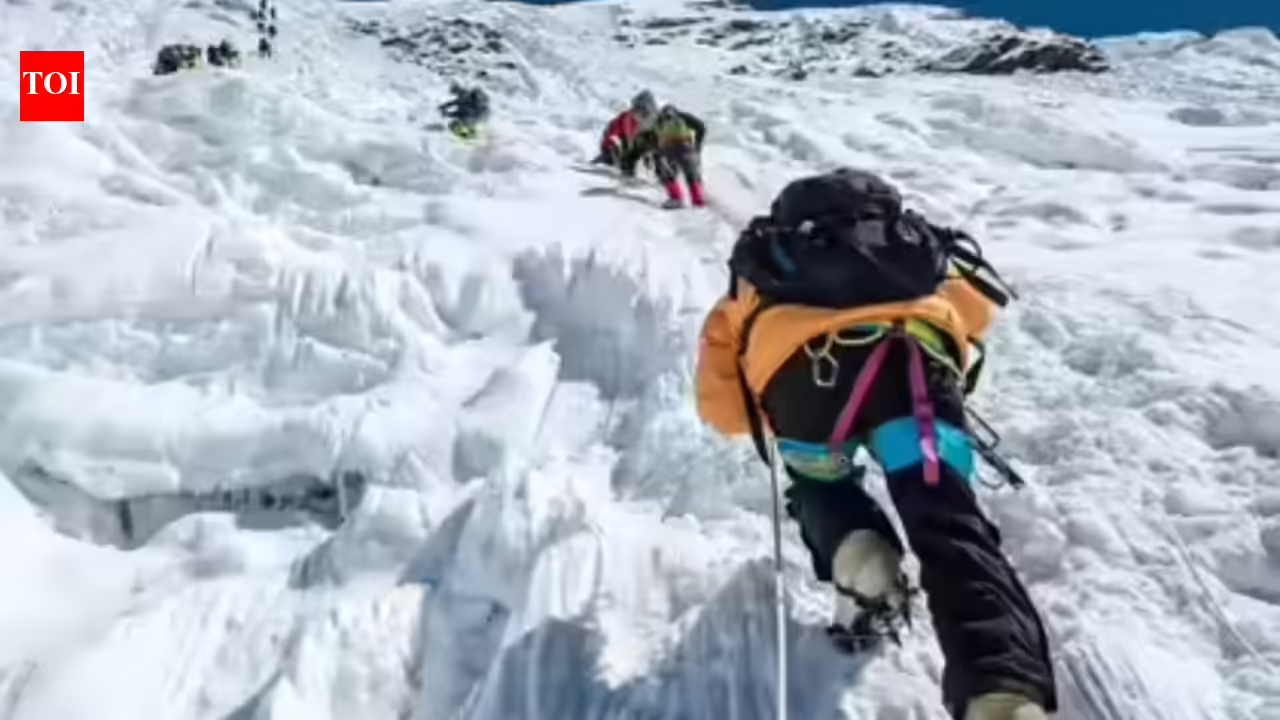
Representative imageAmerican endurance athlete Tyler Andrews’ record-breaking Everest ascent has triggered a fierce debate in the climbing world, with critics questioning whether his 9-hour, 55-minute summit push from Base Camp benefited from an earlier "route recce".Andrews, 36, a cancer survivor, reached the summit on May 28, the last day of the climbing season, and returned to Base Camp in 16 hours and 32 minutes, breaking a 23-year-old speed record on Everest’s South Side. He became the first non-Sherpa climber to hold the South Base Camp speed mark, but critics soon focused on his aborted May 24 attempt.For the past two years, Andrews’ original goal had been to break the no-O2 Everest speed record set by French climber Marc Batard, who climbed from Base Camp to the summit in 22 hours and 29 minutes in 1988. Andrews had left Base Camp on May 23 aiming for that mark, but shifting weather and serious altitude-related complications forced him to use bottled support before he turned back near the Balcony, at approximately 8,500 metres. Critics said the climb helped him study key sections, plan his speed push and acclimatise before returning for the successful attempt.Lukasz Borowski, a Polish alpinist who completed a lightweight ascent of Cho Oyu — the world’s sixth-highest mountain, on the Nepal-Tibet border — said, “People don't understand how much easier route-finding is when your brain actually has oxygen. He memorised the placement of every technical ladder and rope section while completely clear-headed on his first turn. When you go back to run it fast, that mental blueprint is a massive tactical advantage over someone navigating the icefall in a hypoxic haze.”Pemba Tenzing Sherpa, a veteran high-altitude logistics coordinator with 12 Everest summits, told TOI, “If you breathe bottled O2 at 8,000 meters during a scouting run, you are actively preserving muscle tissue and letting your nervous system recover. Coming back down to Base Camp and running back up a few days later isn't a clean slate. You are riding a wave of oxygen-assisted cellular recovery that a true no-O2 climber never gets.”Among the strongest critics was Spanish mountaineering great Kilian Jornet, who set an unprecedented record by summiting Mount Everest twice in a single week in 2017 without supplemental gas. The dispute has exposed a widening grey area in Himalayan speed climbing. Billi Bierling, managing director of the Himalayan Database — which documents ascents, fatalities and expedition details on major Nepal Himalaya peaks — told TOI, “The lines used to be very clear: you either used gas or you didn't. Now, we are seeing athletes combine multiple strategies—using oxygen on Monday for safety or routing, flying down by helicopter to heal their lungs, and then attempting an unassisted or assisted speed run on Friday."He added: "It creates a massive taxonomy problem for historical tracking. We document what happens on the mountain, but capturing the precise 'purity' of modern athletic logistics is pushing traditional database parameters to their limits.”Andrews rejected suggestions that the controversy diminished his achievement and said assisted and unsupported climbs should be treated as separate categories. “No, it doesn't take anything away from me,” Andrews said. “They are different marks, but I can't tell that one is harder than the other from an athletic perspective. I have always been motivated by pushing my own limits as an athlete, and going to the summit in 9h55 (and back in 16h32) is one of the hardest things I've ever done. Climbing without gas is maybe a different kind of hard, but I know that I left everything out there.”Supporters of Andrews said critics were moving the goalposts after a historic athletic performance. Markus Vance, an ultra-endurance coach based in Colorado, said, “The clock does not lie, and he didn't use a single drop of oxygen during the first legs of that 9-hour, 55-minute push. Unless there is a governing body that outlaws supplemental gas during a previous week's acclimatization, a record is a record.”
US climber's Everest speed record sparks 'ethics' row
American endurance athlete Tyler Andrews’ record-breaking Everest ascent has triggered a fierce debate in the climbing world, with critics questioning whether his 9-hour, 55-minute summit push from Base Camp benefited from an earlier "route recce".
TL;DRAI
Questa storia non ha implicazioni per manager tech—è alpinismo puro, fuori tema per Warptech. Comunque: Tyler Andrews breaks Everest speed record with 9-hour 55-minute summit on May 28, crushing a 23-year mark on the South Side. His May 24 oxygen-assisted climb to 8,500m ignites debate on fair-competition ethics and rule-setting standards among elite climbers.
655 words~3 min read