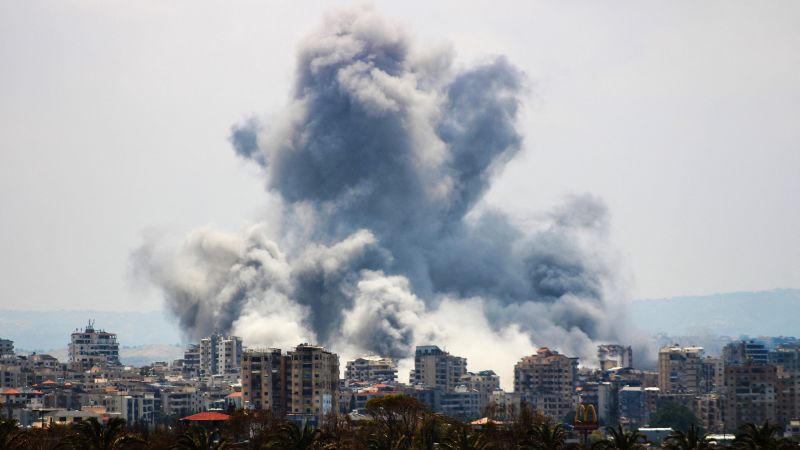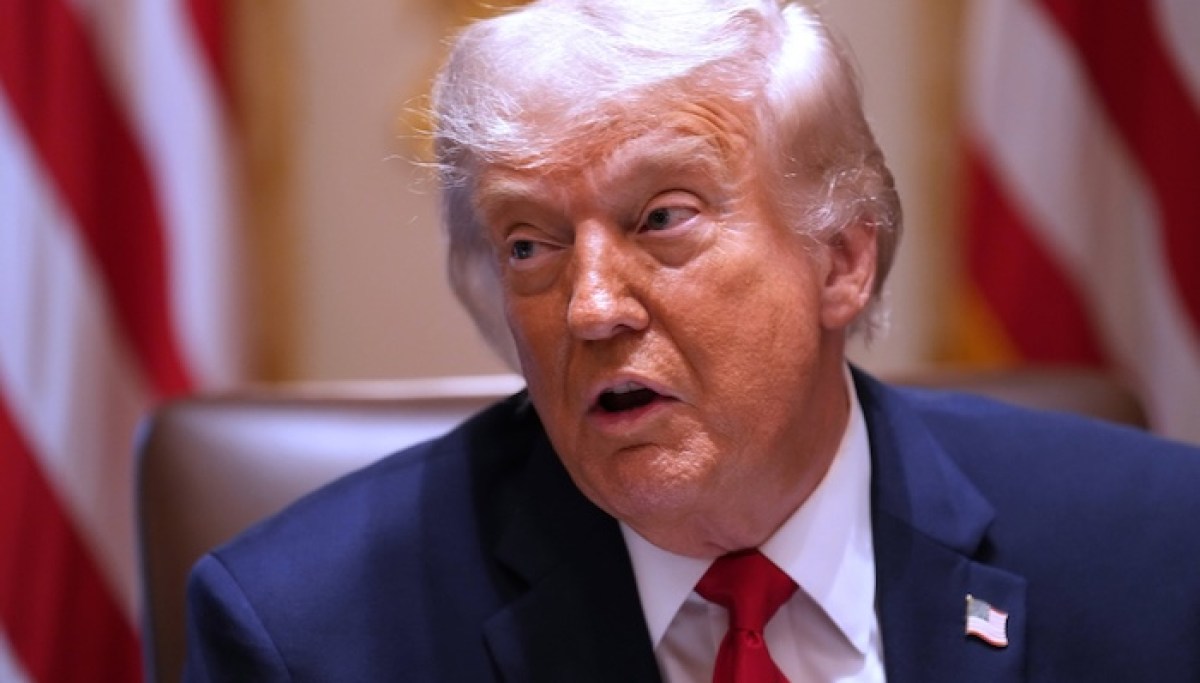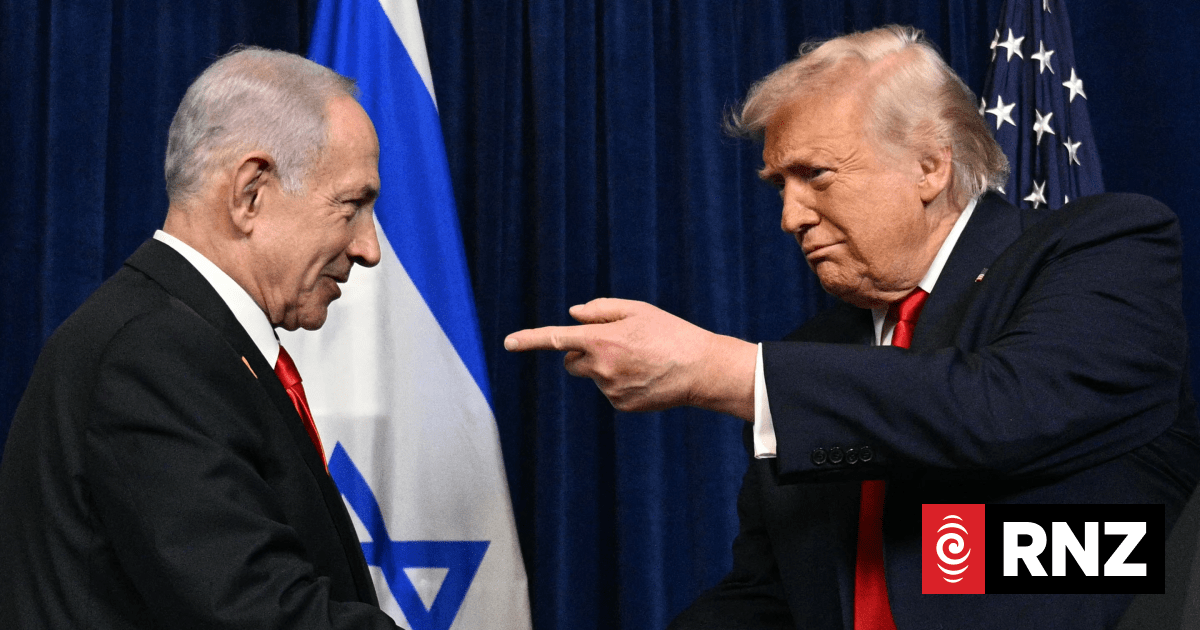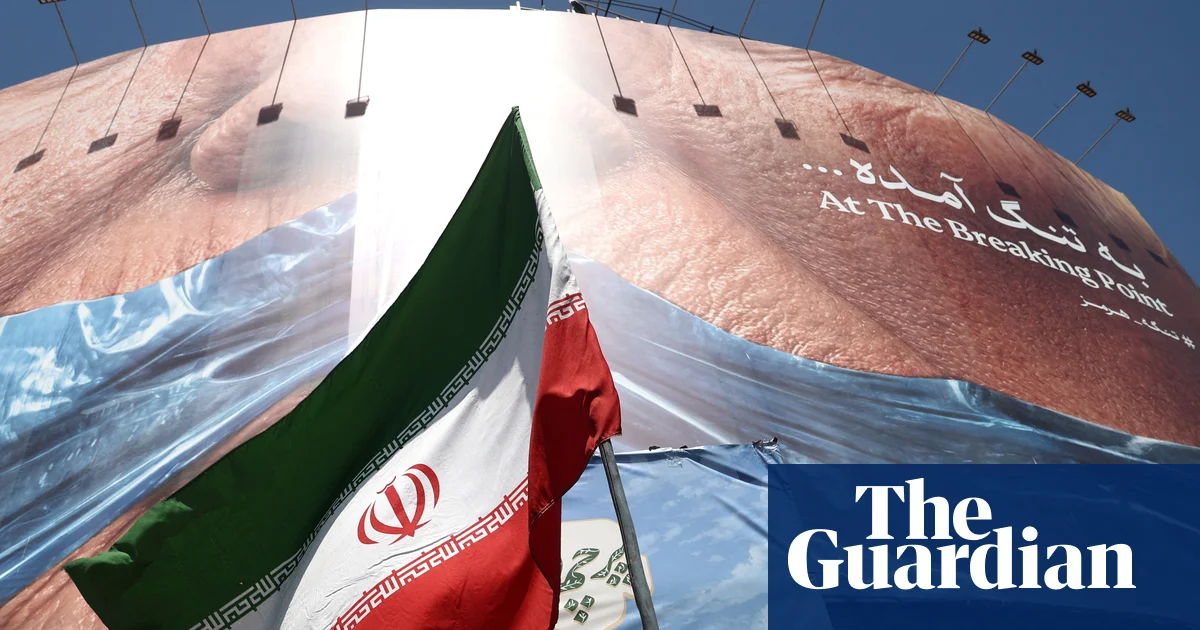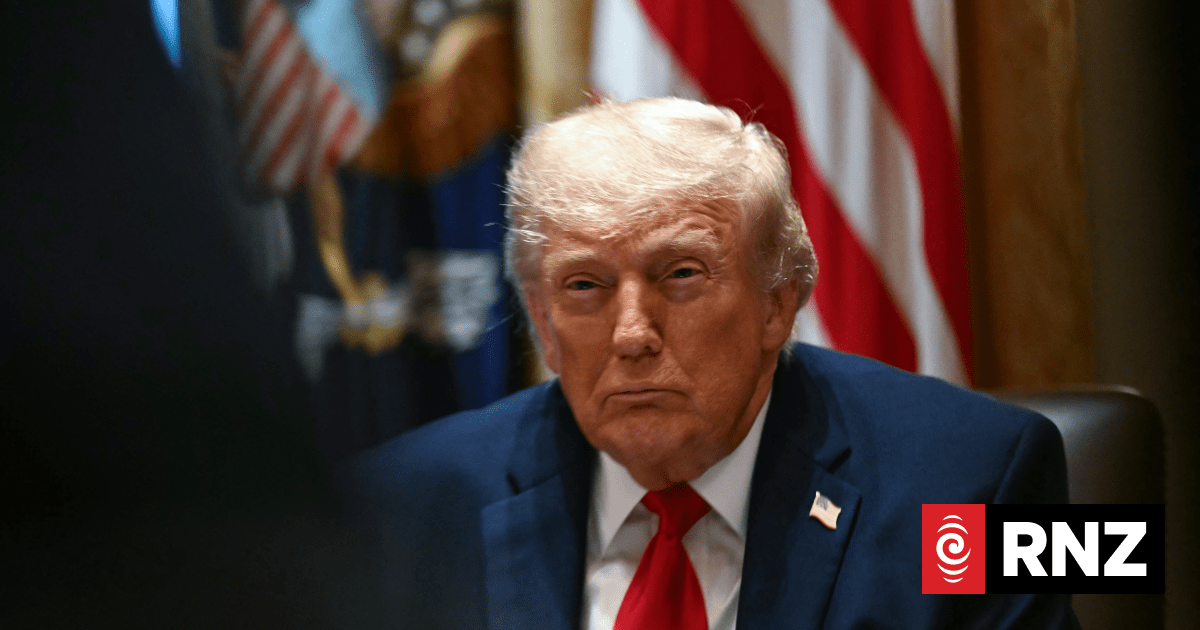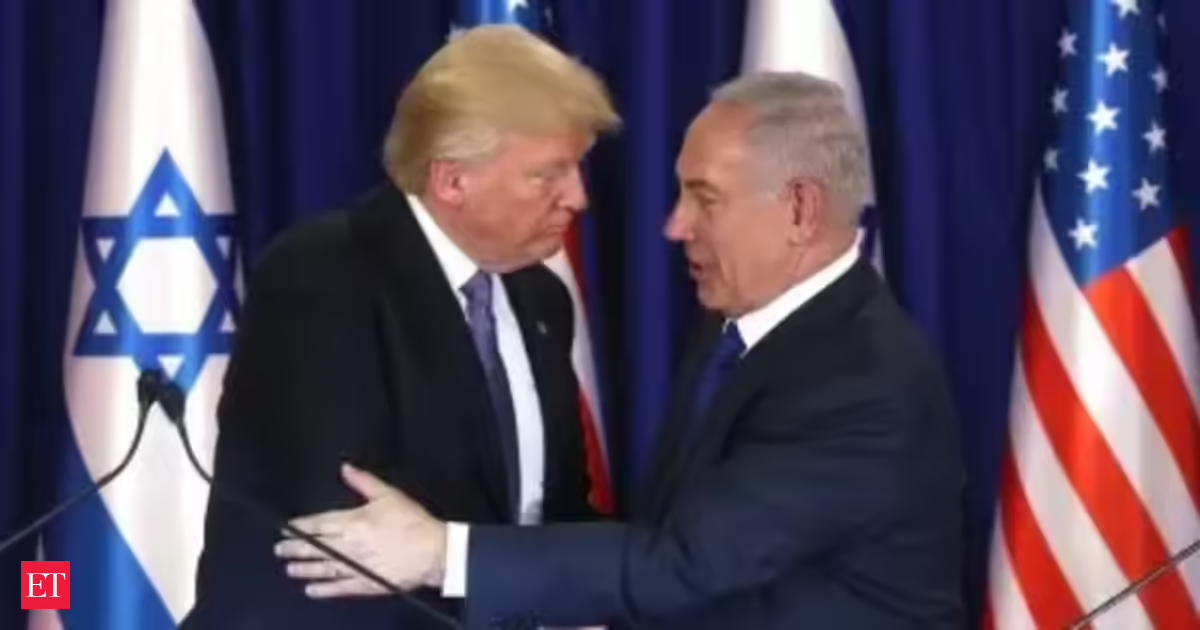
US President Donald Trump’s latest push to stabilise the Middle East around a fragile Iran nuclear negotiation has pulled an unexpected actor directly into the centre of the crisis -- Hezbollah. Trump has intervened personally in the Israel-Hezbollah escalation, spoken with Israeli Prime Minister Benjamin Netanyahu in a reportedly heated call, and moved to block Israeli strikes on Beirut at a moment when diplomacy with Iran is hanging by a thread. The result is a rapidly shifting equation where Lebanon is no longer just a secondary theatre of the Iran war but a central pressure point in Trump’s diplomatic strategy.What was meant to be a controlled effort to keep Iran talks alive is now being reshaped by battlefield dynamics in southern Lebanon and by Hezbollah’s evolving role in them. Iran seems to have managed to spread the stakes beyond the Hormuz issue to the volatile Lebanon situation. Also Read: The ceasefires in Gaza, Lebanon and Iran are stretching the term's meaningThe call that reset the Lebanon frontAfter Iran announced yesterday it was stopping deal negotiations over Israeli attacks on Hezbollah positions in Beirut in Lebanon which it called violation of ceasefire, the turning point came in Trump’s call with Netanyahu, which reports described as unusually tense. According to Axios, Trump lashed out at Netanyahu over plans to escalate strikes in Beirut, warning that further action could derail broader negotiations with Iran and isolate Israel internationally. In blunt terms, Trump told Netanyahu he was acting “crazy” and pressed him to scale back operations, arguing that the timing threatened what Washington sees as a narrow diplomatic opening with Tehran.Within hours, Trump publicly announced that Israeli forces would not move on Beirut and that any troops already heading in that direction had been turned back. Israeli officials later confirmed that planned strikes on Beirut’s suburbs were suspended following US pressure. At the same time, a Lebanese-mediated understanding began to take shape in which Hezbollah would halt attacks on northern Israel in exchange for Israel avoiding strikes on Beirut, even as fighting continued in southern Lebanon.Also Read: The Iran war is pushing the global gas trade into the shadowsMost surprising was Trump's revelation that he also spoke to Hezbollah, which is designated a terrorist organisation by the US, Trump claimed that he held a call with “representatives of the Leaders of Hezbollah, and they agreed to stop shooting at Israel.” This is something unprecedented for a US president given the group’s designation as a terrorist organisation.What makes this episode more significant than a routine ceasefire push is how directly Trump inserted himself into operational military decisions while simultaneously linking them to the Iran track. This combination of personal intervention, battlefield de-escalation and backchannel engagement has effectively connected the Iran deal negotiations with the Lebanon war where Hezbollah is a central and unpredictable player.Hezbollah moves from target to tactical actorThe deeper shift is not just that Trump intervened in Israel’s military planning. It is that Hezbollah has effectively become part of the diplomatic architecture around the Iran talks, even without sitting at any formal negotiating table.For years, US policy treated Hezbollah primarily as an Iranian proxy to be contained or weakened through pressure on Lebanon and deterrence against Iran. That framework assumed Hezbollah was an object of diplomacy, not a participant in it. The current moment is different. Hezbollah’s actions in southern Lebanon, its escalation choices and even its willingness to pause fire have now begun to directly shape the rhythm of US-Iran negotiations.A partial ceasefire proposal emerging from Washington reportedly envisions exactly this logic -- Hezbollah halting attacks on Israel while Israel refrains from striking Beirut, with further steps to expand the truce later. In practice, that makes Hezbollah’s battlefield behaviour a condition for stability of Iran deal negotiations.This is where Trump’s intervention becomes strategically risky. By engaging through intermediaries and effectively treating Hezbollah’s compliance as meaningful leverage, Washington is edging toward a de facto recognition of Hezbollah as a gatekeeper of escalation. Even if no formal legitimacy is granted, the functional outcome is similar. Hezbollah’s decisions now influence whether Iran talks advance or collapse.That is a sharp departure from past US posture. It also introduces a structural tension. If Hezbollah can shape the conditions under which the US and Iran negotiate, then the group’s military strategy in Lebanon becomes inseparable from nuclear diplomacy. Israeli politics is reacting accordingly. Netanyahu faces criticism at home for appearing constrained by US pressure, with opponents arguing that Israel’s freedom of action is being limited by Trump’s diplomatic priorities. Military officials and political challengers have framed the moment as a test of sovereignty, especially as Israeli forces continue operations in southern Lebanon despite the pause around Beirut.Iran expands the battlefield logic beyond HormuzThe broader strategic context is that Iran is no longer relying on a single pressure point such as the Strait of Hormuz to shape negotiations. Instead, it is spreading leverage across multiple theatres, with Lebanon emerging as a key secondary front with Hezbollah as a stakeholder.For months, the dominant assumption in Washington was that Iran’s most powerful tool was its ability to threaten global energy flows through Hormuz. But recent developments suggest a more distributed strategy. By allowing Hezbollah to sustain pressure on northern Israel while simultaneously signalling conditional engagement in nuclear talks, Iran has effectively widened the bargaining space.Retired U.S. General Mark Kimmitt, speaking to Al Jazeera, argued that Iran is “trying to keep the US off balance by first taking the Strait of Hormuz and now deflecting onto the situation in Israel against Hezbollah.” He added that these moves appear designed to pull attention away from nuclear negotiations by shifting crisis gravity points across the region.That assessment aligns with the current pattern of escalation and pause. When Lebanon heats up, Iran’s negotiating posture hardens. When US pressure increases, Hezbollah becomes more active on the ground. When Trump intervenes to restrain Israel, talks with Iran briefly regain momentum.In effect, Iran is no longer treating the nuclear file as an isolated negotiation. It is embedding it inside a wider regional system where Lebanon, Gaza and maritime routes all function as interconnected pressure valves. The goal is not just to extract concessions on enrichment or sanctions but to ensure that any deal is shaped under conditions where Iran retains multiple escalation options.This is what makes Trump’s current strategy particularly exposed. By tying progress on Iran to de-escalation in Lebanon, Washington is entering a negotiation environment that Tehran has already widened beyond the nuclear issue itself. The Strait of Hormuz remains one lever, but it is no longer the only one. Lebanon, through Hezbollah, has become another.A gamble with more players than expectedTrump’s approach appears to be driven by a simple logic to stabilise Lebanon enough to keep Iran engaged at the table and preserve the possibility of a broader nuclear understanding. Early reports suggest that a 60-day framework for extending ceasefire talks with Iran is still under discussion, pending final approval.But the system he is now operating inside is far more complex than a bilateral negotiation. Israel’s domestic politics are pushing toward escalation. Iran is linking regional fronts to nuclear diplomacy. Hezbollah is acting as both a military actor and an indirect political lever. And Lebanon itself is trying to stabilise a partial ceasefire that remains fragile at best.In that environment, Hezbollah is no longer just an armed group operating on the margins of state conflict. It has become an active constraint on high-level diplomacy. Whether that translates into real political influence or remains an operational side effect of war management is still unclear. But the direction is evident. Trump’s Iran gamble is now entangled in the tactical choices of a militia in Lebanon. And that is precisely the risk. The more the Iran deal depends on de-escalation in Lebanon, the more every rocket, airstrike or intercepted drone becomes part of a larger diplomatic equation that no single actor fully controls.
Trump’s Iran gamble gets riskier as a new player enters the room
President Trump intervened personally in the Israel-Hezbollah conflict, halting Israeli strikes on Beirut to preserve Iran nuclear talks. This action elevates Hezbollah from a proxy to a key player in diplomatic strategy, linking battlefield dynamics in Lebanon directly to negotiations with Iran.
1,314 words~6 min read