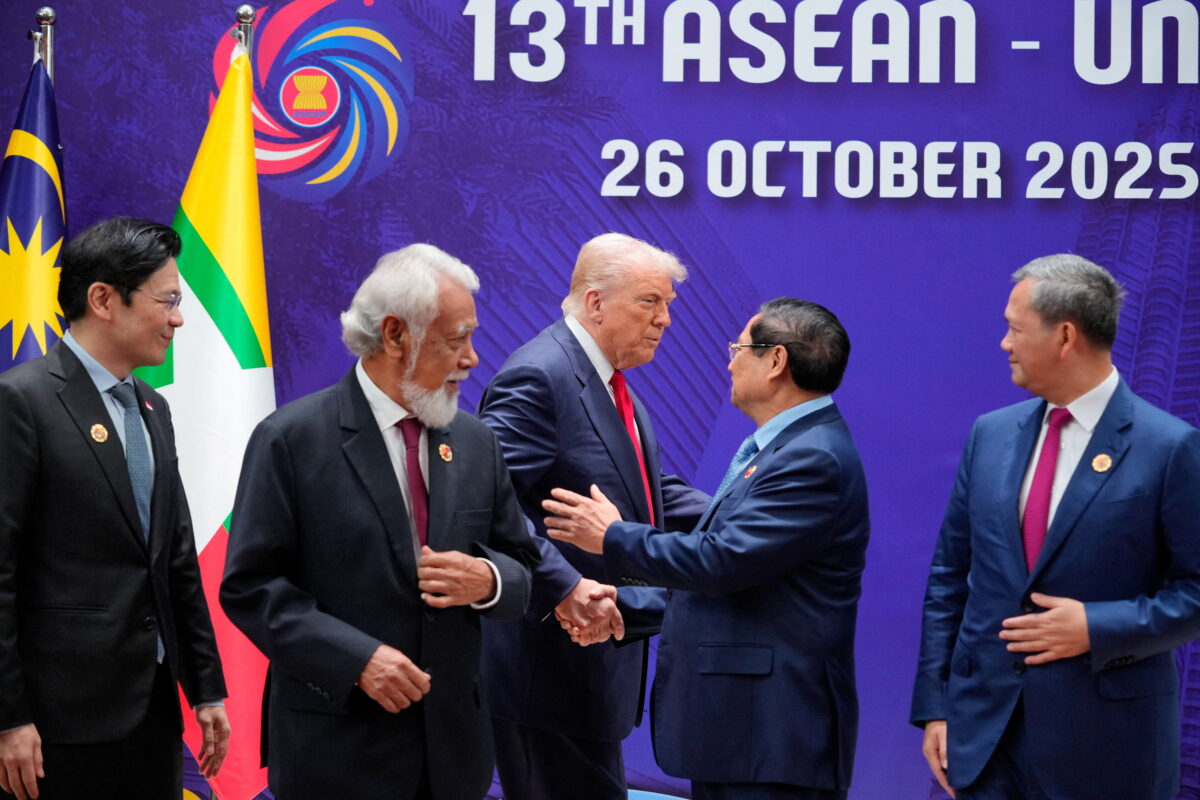
In the 2026 edition of the ISEAS–Yusof Ishak Institute’s State of Southeast Asia survey, 51.9 per cent of respondents identified US President Donald Trump’s leadership as their main geopolitical concern, ahead even of matters in the South China Sea. For the first time since the survey began in 2019, regional elites see Washington, not Beijing, as the source of the most prominent risk their countries face.
This result is not a statistical anomaly, nor is it entirely new. US allies in Asia have voiced concerns about Washington before. Strategic alignments shift as interests evolve. But the present moment is distinctive because it is weakening the trust that functions as strategic infrastructure, understood as the confidence that a partner will honour implicit commitments even when circumstances change.
Trust is built over decades of predictable behaviour but can be destroyed in a few years of transactional coercion. Even if formal institutions like treaties, joint exercises and joint statements survive, the confidence that sustains them can take a generation to restore.
This is precisely what is happening today in the Indo-Pacific. While major military exercises like Balikatan 2026 with the Philippines and Super Garuda Shield with Indonesia continue, the trust underpinning these alliances is quietly eroding.