Insider Brief
Researchers at Rice University have proposed a theory showing that coupling quantum materials to quantum light near a quantum critical point could make it easier to create and extract large-scale quantum entanglement for future technologies.
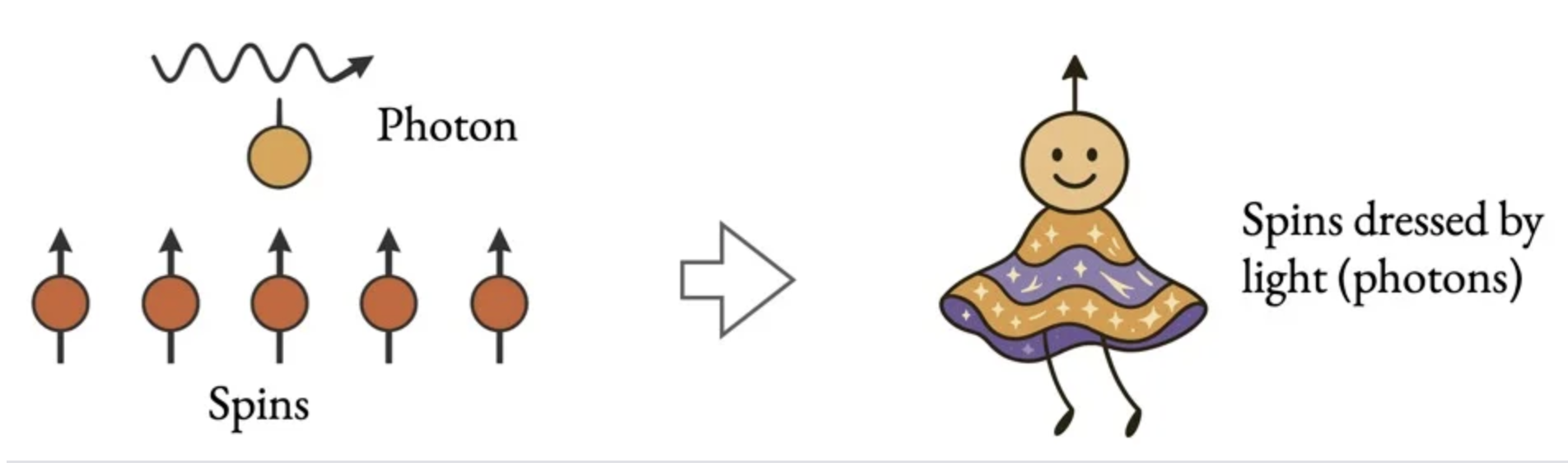
The study suggests that pushing a material close to its quantum critical point lowers the interaction strength normally required for light and matter to form an entangled photon-matter hybrid state inside a mirrored cavity.
If validated experimentally, the approach could provide a new way to study quantum entanglement in macroscopic materials and potentially enable applications such as quantum sensing by transferring and extracting entanglement through quantum light.
PRESS RELEASE — Quantum entanglement is a state in which particles are entwined with each other. In this entwined state, the properties of one particle influence the other, even when they aren’t physically close to each other. This phenomenon has often been observed in small quantum systems with only a few particles in them, where researchers can use it to store and process quantum information. Rice University professor Qimiao Si is interested in understanding and applying quantum entanglement to macroscopic systems with vast numbers of particles.