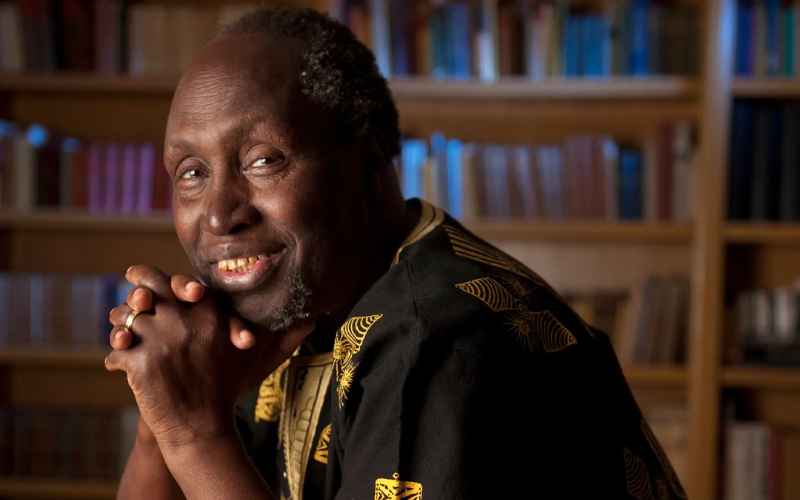
How Ngũgĩ wa Thiong’o challenged publishers to treat ideology, commerce as one field
My earliest interactions with Ngũgĩ date back to 1981, when I was in Form One. I read his Weep Not, Child, and it had such a profound impact on me that I yearned to meet its author in person. My dream was realised in 2004, 23 years later, when Ngugi returned to Kenya after 22 years in exile. I had joined East African Educational Publishers (EAEP) in 2001, a time when EAEP was deepening its commitment to publishing works that spoke directly to the African experience.
What struck me immediately was the man’s quiet yet absolute certainty. There was never any ambiguity about what he believed literature should do and why. He walked into every conversation as if the stakes were already clear, because for him, they were.
What stood out most profoundly was that Ngũgĩ did not separate the writer from the citizen. He was not simply delivering a manuscript; he was making an argument about the world. Even in early exchanges over editorial logistics, you could feel the ideological weight behind every creative decision he made. That combination of intellectual rigour and personal warmth made him unlike any author I had encountered before.