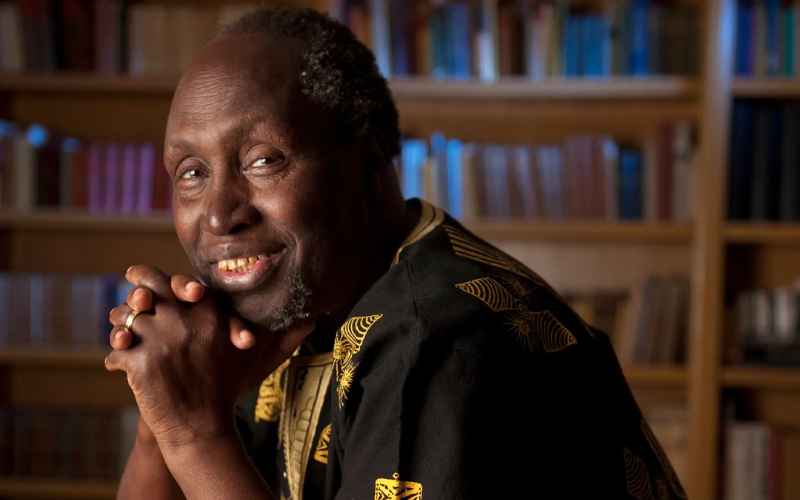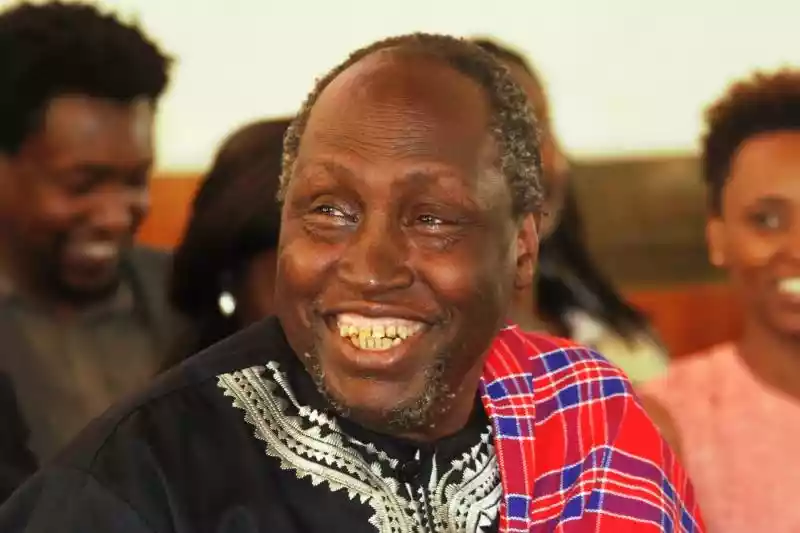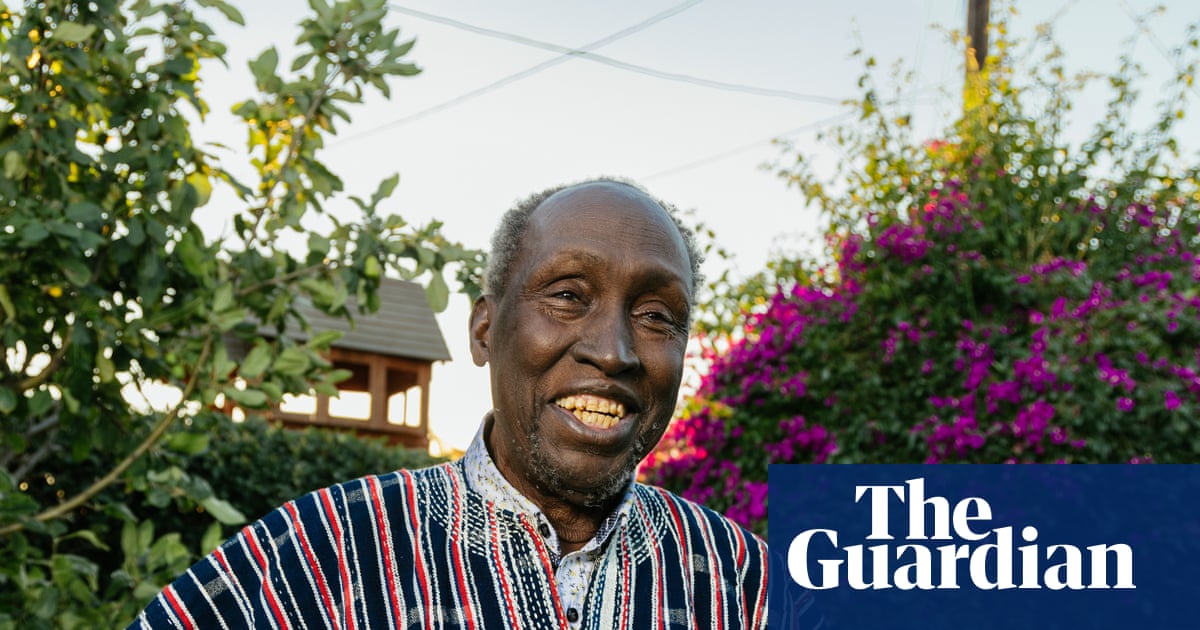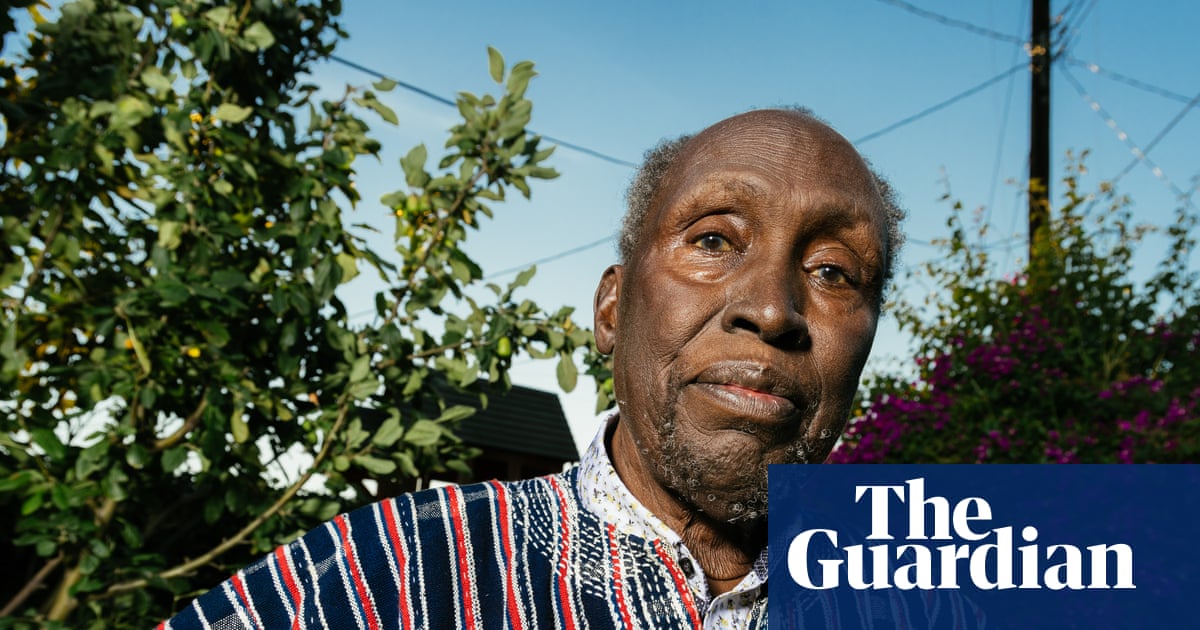
One morning, in 1979, a few months after my father, Ngũgĩ wa Thiong’o, was released from Kamiti Maximum Security Prison, where he had spent almost a year detained without trial, I found him outside with a jembe. Sweat drenched his shirt. His sleeves were rolled up to his elbows, red Limuru dust clung to his corduroys, and his shoes were caked with stubborn Limuru soil. I watched him work the soil, wondering whether to join him or wait until he took a break.
Then I heard a car drive along the road leading towards our driveway. My heart jumped. What if it was the police coming for him? I tore off along the side of the house and burst into the living room, searching for my mother, Nyambura wa Ngũgĩ. She sat gently cooing over the family’s newest arrival, my sister Njoki wa Ngũgĩ. Baba’s fellow detainees had fondly nicknamed her kaana ka bothita (post office baby) because the first time he ever saw her was in a photograph mailed to him while in detention. I told her about the car. She looked at me, listened for a moment, and turned her attention back to Njoki. But then she soon passed the baby to me and went out to see what was happening. Voices and laughter from outside confused me.