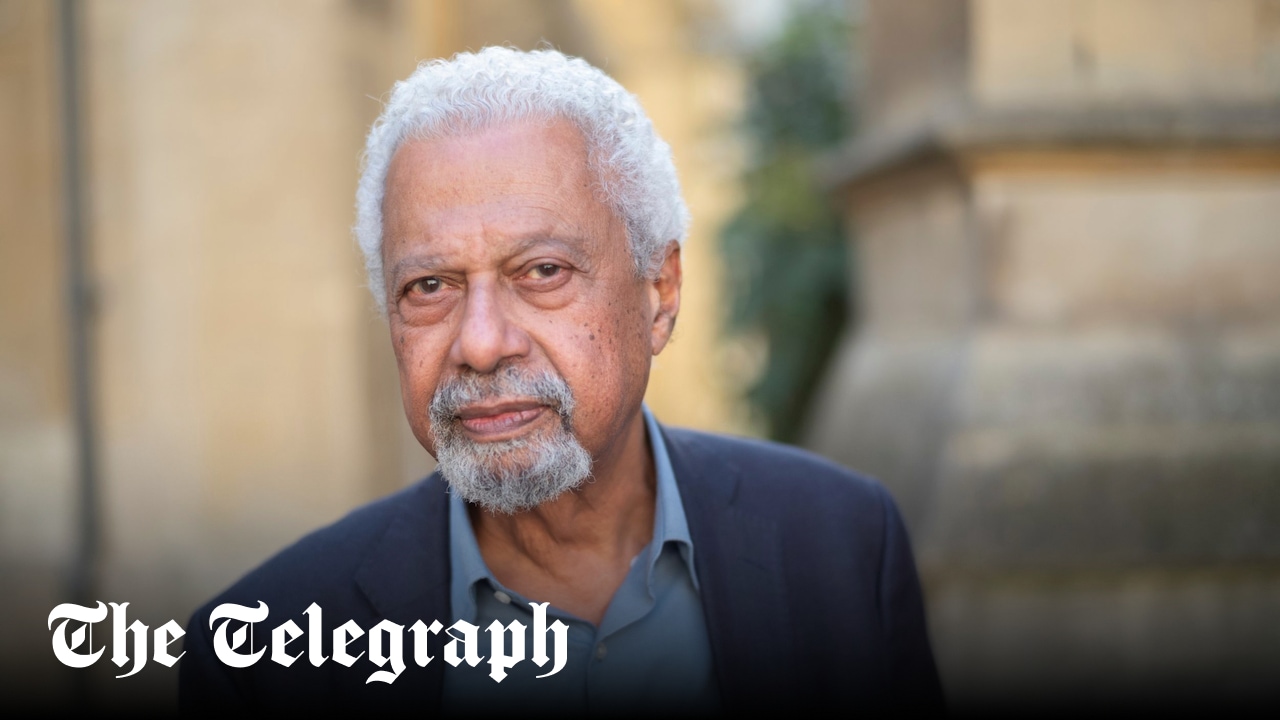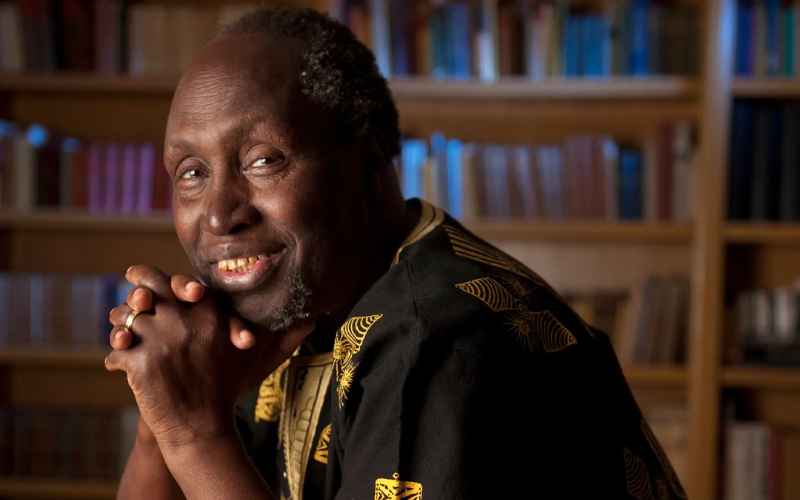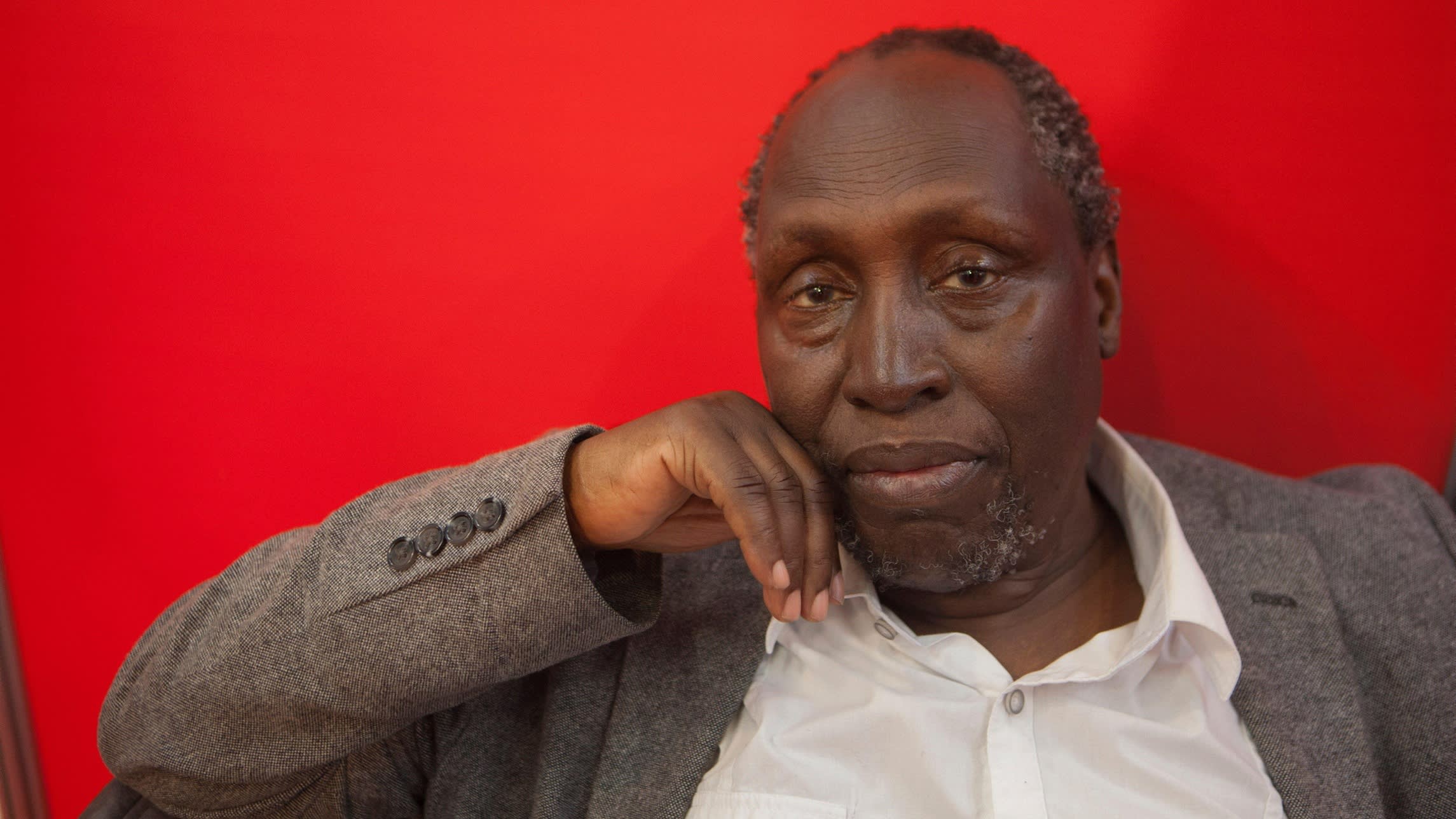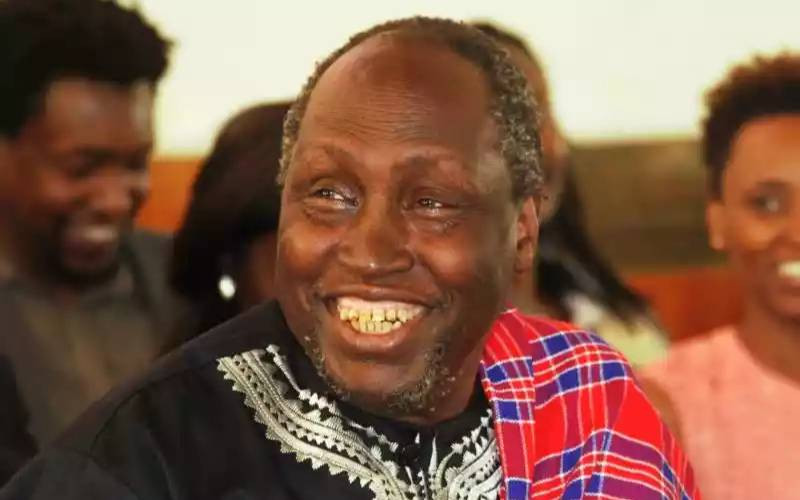
The late Kenyan novelist and activist believed erasing language was the most lasting weapon of oppression. Here, Aminatta Forna recalls the man and introduces his essay on decolonisation
In the 1930s, it was common for British missionaries to change the names of African school pupils to biblical names. The change wasn’t “just for school” – it was intended to be for ever. So Ngũgĩ became James and my father, Mohamed, became Moses. While many students retained their new names throughout their lives, Ngũgĩ and my father changed theirs back, though you can still find early editions of Ngũgĩ’s first book, Weep Not, Child, under the name of “James Ngugi”. With the novel, Ngũgĩ established himself as a writer and later, by reclaiming his Kikuyu identity as an activist, began a process of decolonisation that he would explore in one of his most famous nonfiction works, Decolonising the Mind (1986), which challenged the dominance of European languages in African education and literature. Ngũgĩ worked throughout his life to promote the decolonisation of language, writing and publishing his books in Kikuyu and only later translating them himself into English.
Ngũgĩ was a campaigner against the legacy of colonialism, but first and foremost a Marxist. Studying at the University of Leeds in the 1960s, he witnessed first-hand the brutality of the police towards striking white miners and realised that economic exploitation was a class issue and not a purely racial one. He endured exile, imprisonment, physical assault and harassment by the postcolonial Kenyan authorities and yet never stopped writing and publishing, even penning one of his works, Devil on the Cross (originally titled Caitaani mũtharaba-Inĩ), on prison toilet paper. Detained for his involvement with community theatre groups, Ngũgĩ noted that as long as he wrote in English, the authorities ignored him. Only when he began to write politically critical plays in Kikuyu, and ordinary working people could understand them, was he arrested.