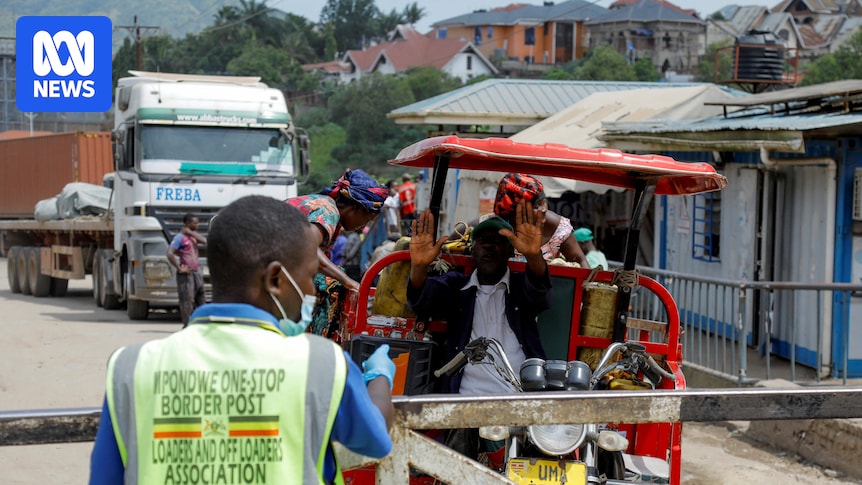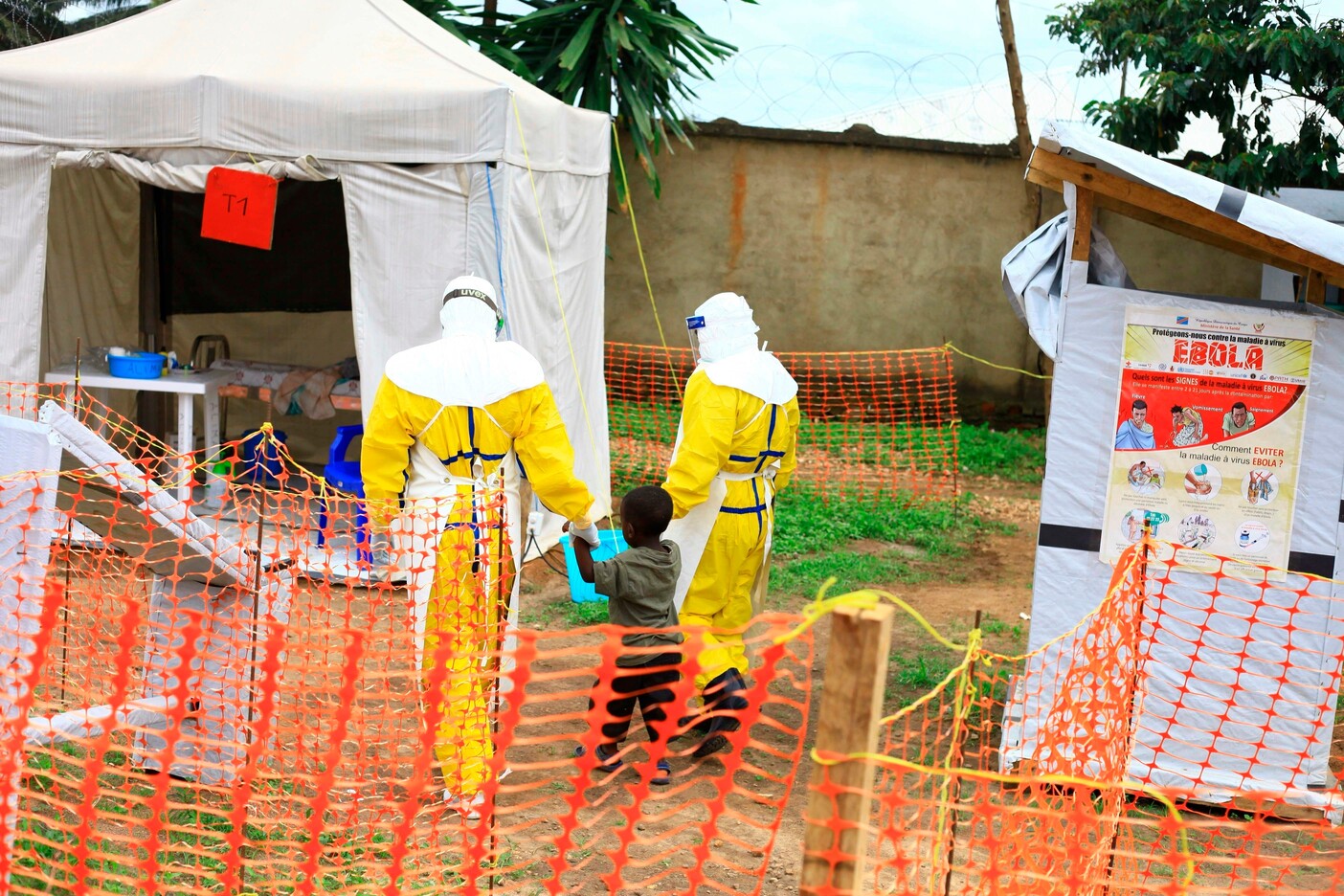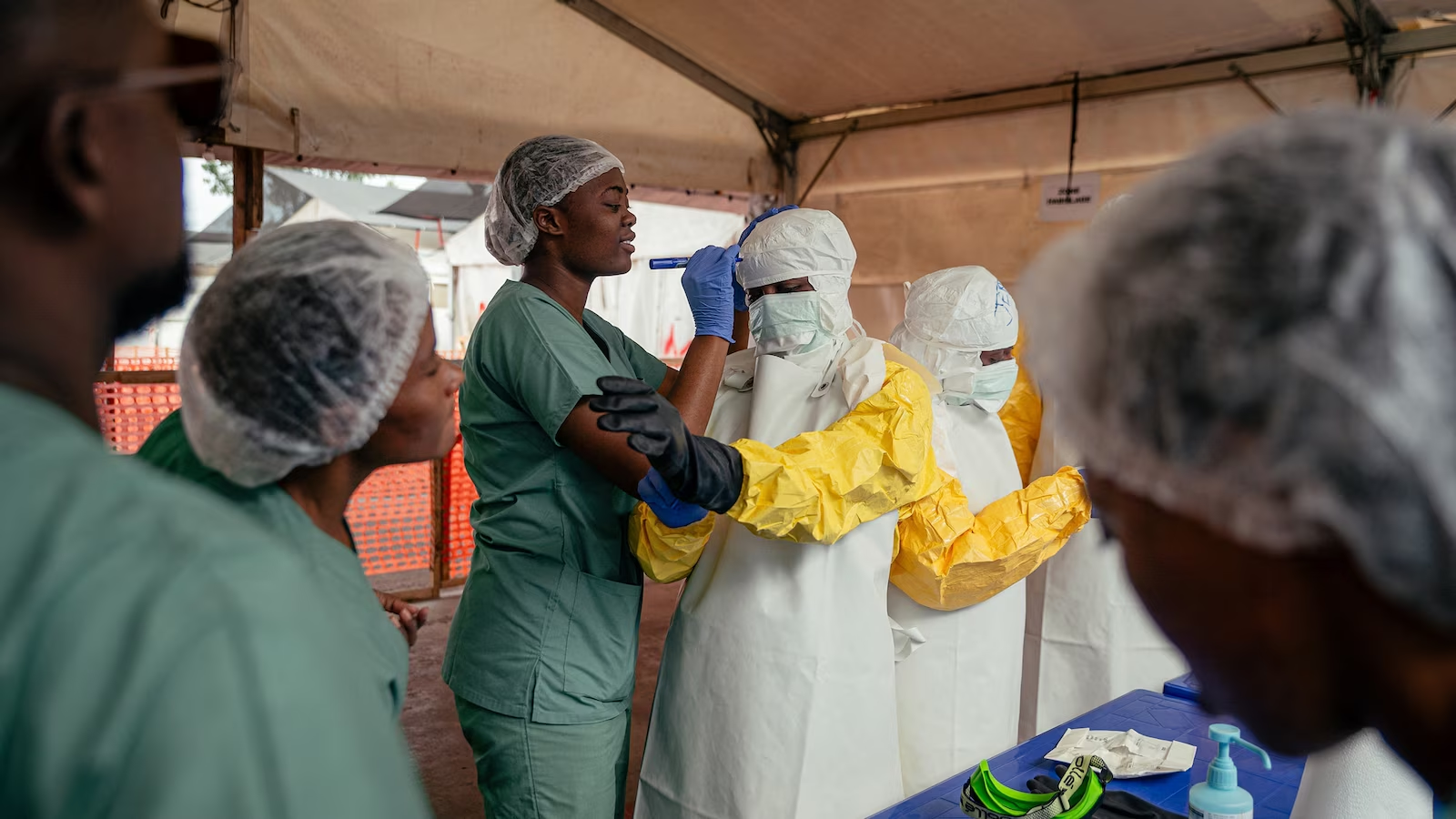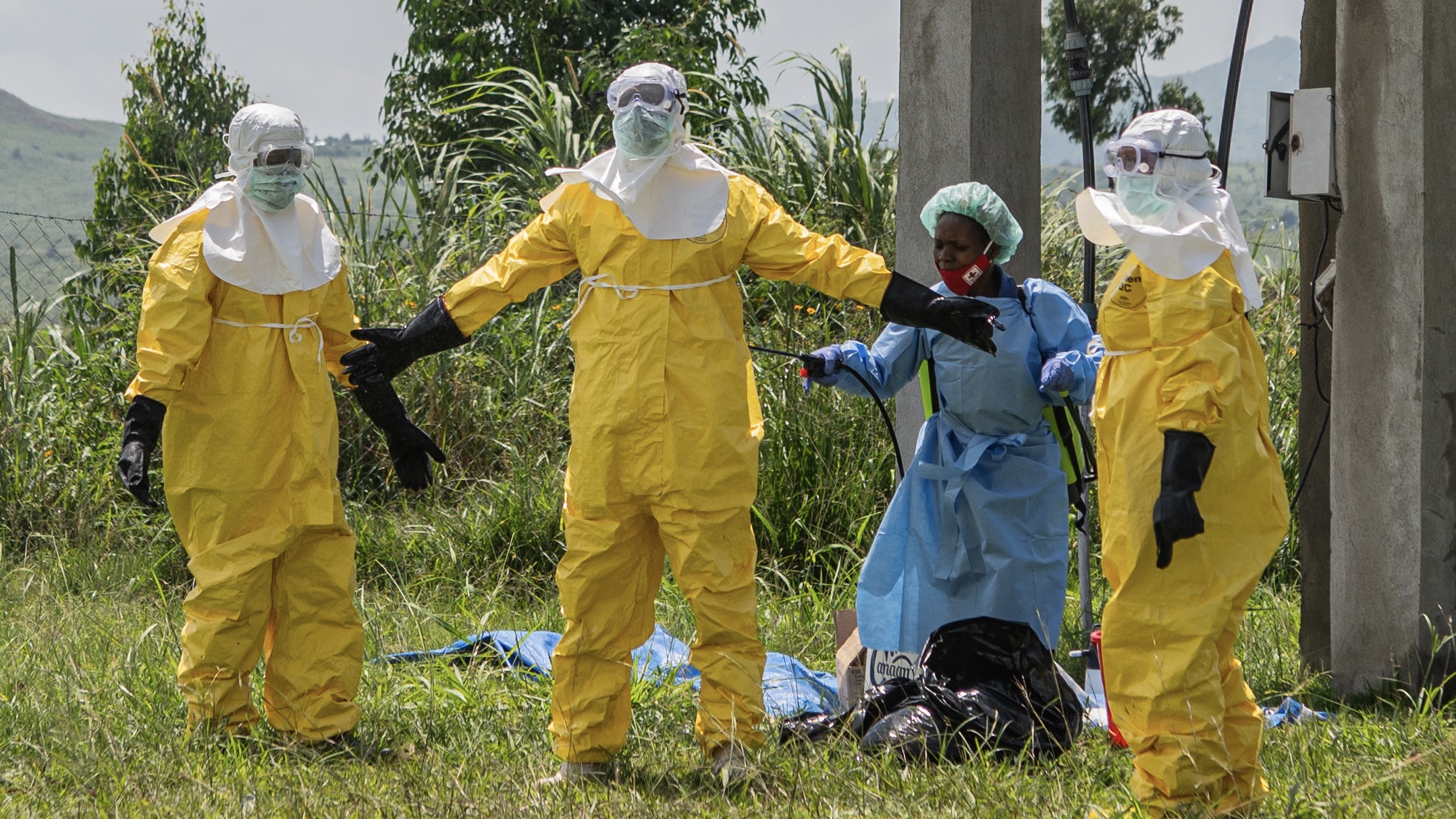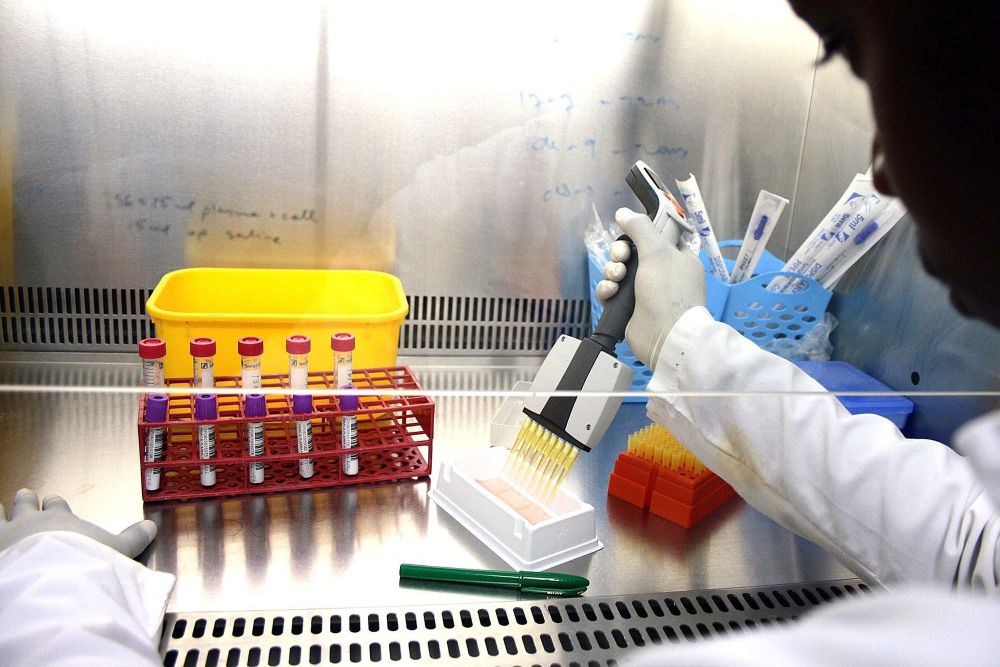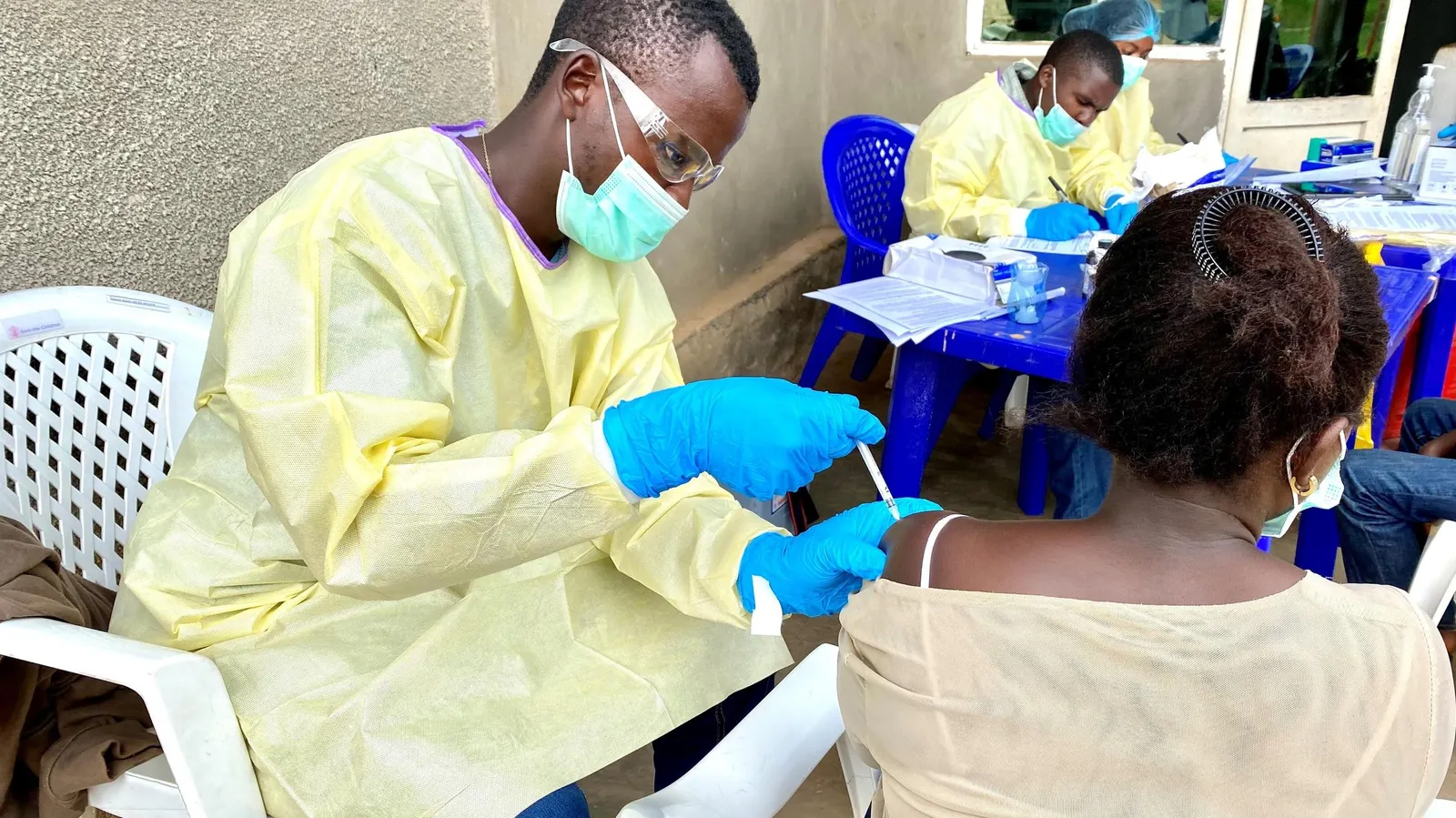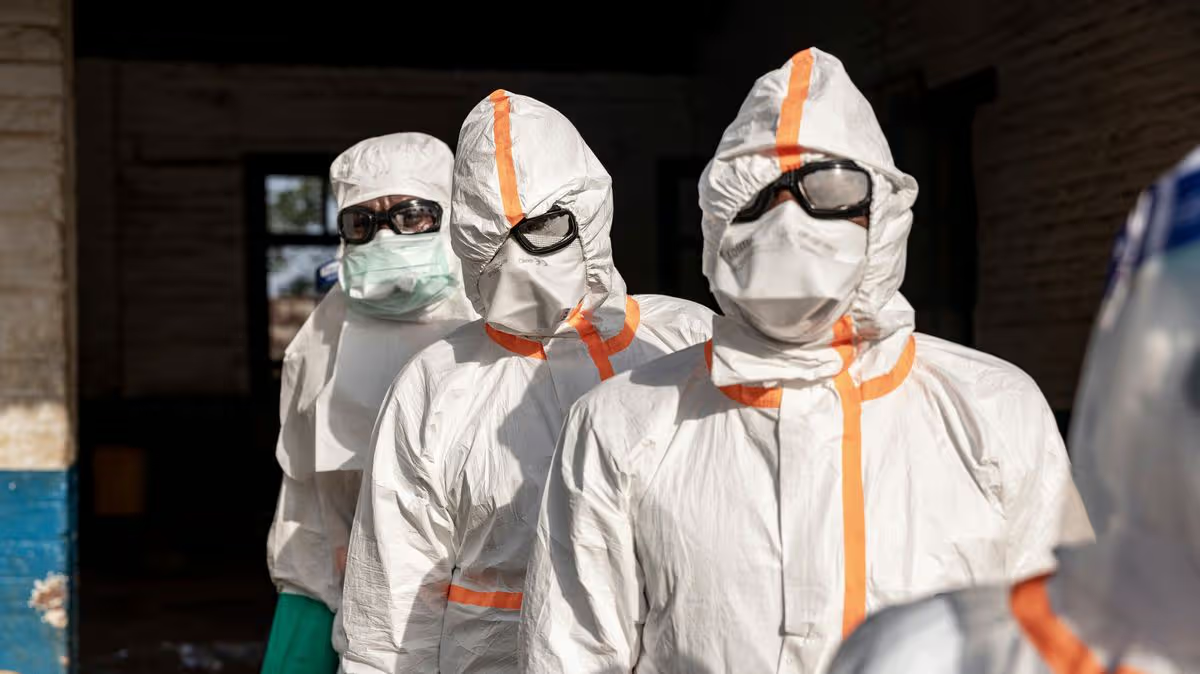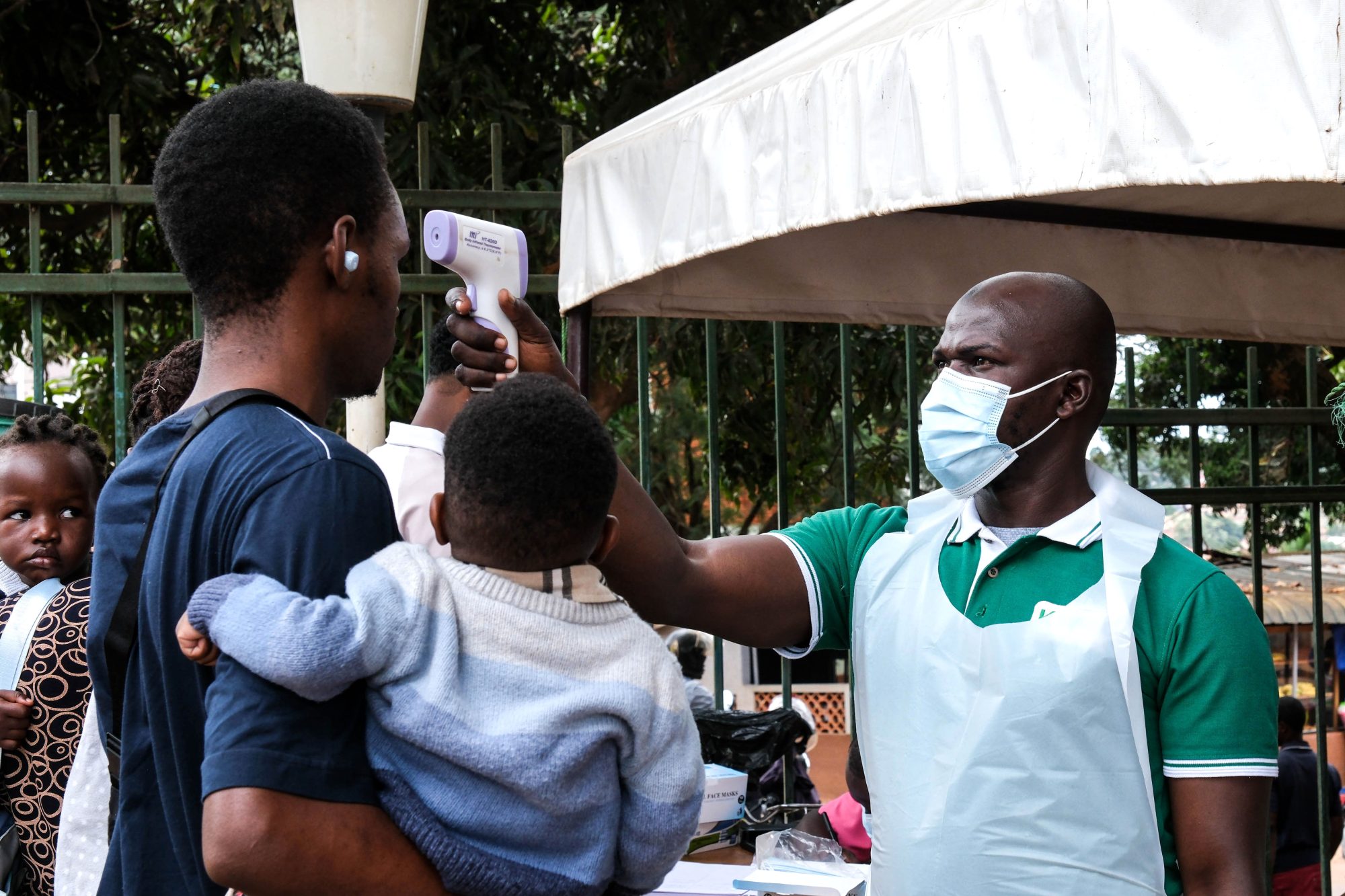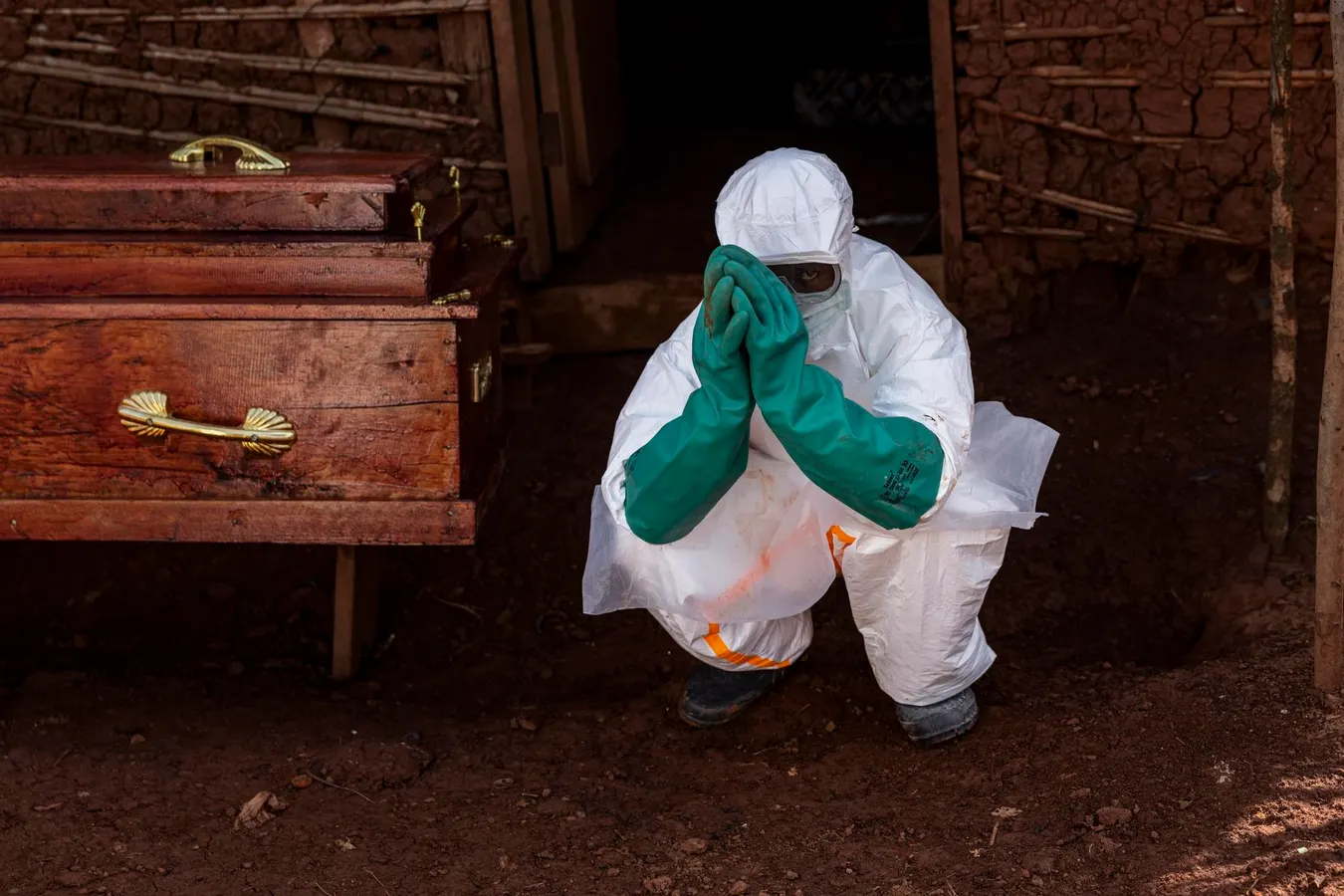
MONGBWALU, DEMOCRATIC REPUBLIC OF CONGO - MAY 24: A health worker wearing protective equipment crouches beside the coffin of a suspected Ebola victim during safe burial procedures outside a family home in the community of Mongbwaluon May 24, 2026 in Ituri Province, Democratic Republic of Congo. (Photo by Michel Lunanga/Getty Images)Getty ImagesThe current Ebola outbreak in the Democratic Republic of Congo (DRC) is “deeply alarming,” according to Médecins Sans Frontières (MSF – a.k.a. Doctors Without Borders). In a statement, MSF deputy director, Dr Alan Gonzales said, “Never before has an Ebola outbreak recorded so many cases so soon after its declaration…Like everyone in the affected areas, MSF teams are witnessing a response that has not yet caught up to the rapid spread of the epidemic." The outbreak has already reached Uganda and threatens neighboring states, including war-ravaged South Sudan. At present, there are more than 1,000 suspected cases in the DRC, and at least 246 deaths. Uganda has reported nine confirmed cases and one death. The actual totals may be higher. There are six reasons why this outbreak merits everyone’s attention.1. Ebola Is One Of The World’s Deadliest Infectious DiseasesEbola is a severe, often fatal illness. The family of viruses that cause it is transmitted to people from fruit bats, porcupines, and non-human primates. Once someone is infected, the disease spreads through direct contact with their secretions, blood, or other bodily fluids, whether the person is living or dead. It can also be transmitted through contact with contaminated surfaces, bedding, or clothing, according to the World Health Organization (WHO).The time interval from infection to symptom onset can range from two to 21 days. People are contagious once they develop symptoms. The only way to confirm the disease is with a special laboratory test.MORE FOR YOUEarly symptoms are nonspecific and include fever, muscle pain, headache, and sore throat. Full-blown disease is marked by severe vomiting and diarrhea (resulting in severe dehydration), a hemorrhagic rash, and occasionally, life-threatening bleeding. On average, Ebola kills half of its victims. In past outbreaks, fatality rates varied from 25 to 90%.2. Currently, There Is No Vaccine For This StrainThe Zaire strain, which can kill 80-90% of its victims, was responsible for the largest outbreaks in the past. After years of research, two effective vaccines were developed. Unfortunately, there’s no vaccine for the Bundibugyo strain involved in the current outbreak. Although it's less lethal than the Zaire strain, it still kills 25 to 40 percent of those it infects. The WHO is fast-tracking promising vaccine candidates, but they are months away from entering clinical trials. There is no guarantee that any will work. In the meantime, overall deaths can be reduced through strict patient isolation to prevent spread, combined with aggressive hydration, supplemental oxygen, and respiratory support. All are in short supply in the DRC.3. The Location Of This Outbreak Is Exceptionally Challenging “It is hard to think of a more difficult place to stem an epidemic,” The Economist observed on May 28. In the Ituri region of the DRC, state services are weak, armed militia groups prey on the population and nearly one million people live in crowded refugee camps. On May 24th, young men attacked a local hospital to retrieve the corpse of a preacher who had probably died of Ebola. The night before, arsonists burned an isolation tent. When soldiers arrived and fired warning shots, dozens of patients fled the hospital (and will probably infect more people).4. Traditional Funeral Practices Promote SpreadDuring the 2014 Ebola outbreak, the World Health Organization reported that African religious rites, such as washing, shrouding, and praying over the body of the deceased, accelerated the spread of Ebola. The final disposition of bodies also presents concerns. requiring burial practices or even cremation substantially reduces the risk of disease transmission, but violates longstanding religious beliefs and cultural practices. Surreptitious burials can result.5. Public Distrust Is An Enormous Challenge Disinformation, including conspiracy theories about the cause of the outbreak, is fueling public mistrust, violence, and resistance to public health measures. A needs assessment released by ActionAid last week revealed that one-third of locals do not believe that Ebola is real. Rumors abound that Ebola is fabricated for financial gain or linked to efforts to exploit regional mineral resources. In several towns at the center of the outbreak, angry crowds attacked hospitals and treatment centers after refusing to believe loved ones had died from Ebola. Some locals falsely assert that doctors are killing patients.MONGBWALU, DEMOCRATIC REPUBLIC OF CONGO - MAY 20: Bora Moise sits beside the grave during the funeral of his late nephew, Baraka Ngaju, at a cemetery in Mongbwalu, Ituri province, eastern Democratic Republic of Congo, during the Ebola outbreak on May 20, 2026. The World Health Organization (WHO) has declared the Ebola outbreak in the Democratic Republic of Congo (DRC) and Uganda a "public health emergency of international concern," as the death toll and number of confirmed cases continue to rise. (Photo by Michel Lunanga/Getty Images)Getty Images6. Recent U.S. Cutbacks Weakened Global Disease Detection And Response On the first day of President Trump’s second term, he signed an executive order freezing almost all international assistance. Two weeks later, his administration began dismantling the U.S. Agency for International Development. A year later, on January 22, 2026, the U.S. finalized its exit from the WHO, recalled personnel, halted all funding and restricted bilateral communication. The financial shortfall this caused forced the WHO to cut 3,000 positions – 22% of its workforce, according to KFF. This has hindered disease detection and response activities in the DRC and other low-income countries. The CDC also suffered severe budget cuts. The administration downsized its international footprint, dismissed its experienced leaders and drastically cut personnel. Now, the administration appears more intent on keeping Ebola from entering the U.S. than on stopping it at its source. President Trump has barred most travelers from affected countries, despite evidence that travel restrictions are ineffective. Amesh Adalja, a senior scholar at the Johns Hopkins Center for Health Security, told Politico that “Politicians don’t really care if it works or not, because it makes them look like they’re taking decisive action.”Rather than continue the longstanding practice of repatriating Americans inadvertently infected with Ebola while fighting to contain it, the administration seeks to bypass it by hastily establishing a “quarantine and treatment facility” in Kenya. A small field hospital cannot match the care available in disease containment units established for this purpose at the University of Nebraska, Emory, and other regional U.S. treatment centers. Lawrence Gostin, LLD, a Distinguished Professor at Georgetown University, asserts that “the Kenya plan will put American lives at risk, trading proven clinical and public health standards for political theater.” According to Dr. Mark Kortepeter, a retired Army biodefense expert who now serves as Vice President for Research Strategy at Integrum Scientific, “Preventing the return of infected citizens to the U.S. for care fosters irrational fear of a disease that can be safely managed in appropriate clinical environments with protective equipment and protocols. Ebola should be respected for what it can do, but not feared.”What Could Happen If The Outbreak Is Not Stopped?Last week, WHO Director-General Tedros Adhanom Ghebreyesus flew to the DRC and visited the province of Ituri. He expressed confidence that the outbreak would be stopped. Others are less sure. To date, WHO has received about a third of the funding it requires.Given the Trump Administration’s actions to date, it’s unlikely that it will change course in the near term, when this would do the most good. Consequently, if the outbreak spirals out of control, an explosive surge of cases could lead to even higher death rates due to health system collapse, severe economic disruptions, regional spread and long-term trauma to affected populations. Notwithstanding political promises, some presymptomatic individuals will enter the U.S and other high- and middle-income countries before they fall ill. Although Ebola can only be transmitted through close contact with an infected individual or items contaminated with their secretions, widespread panic could ensue. These are the stakes – not only for the DRC and Uganda, but the rest of the world as well.The views expressed are my own, and do not necessarily reflect those of any current or former employer or research funder. Dr. Mark Kortepeter is a former contributor to Forbes.com and authored “Inside the Hot Zone,” an insider's look at the containment of deadly pathogens like Ebola, anthrax, and smallpox. It was a finalist for the 2021 Colby Award.
The Current Ebola Outbreak Is A Global Threat. A Doctor Explains
The Ebola outbreak has already spread to Uganda and threatens neighboring states such as war-ravaged South Sudan. It is rapidly becoming a major global health threat.
1,407 words~6 min read