See more Daily Mail on Google - save us as a Preferred SourceBy JADA BAS, REPORTER Published: 09:51 BST, 2 June 2026 | Updated: 09:56 BST, 2 June 2026
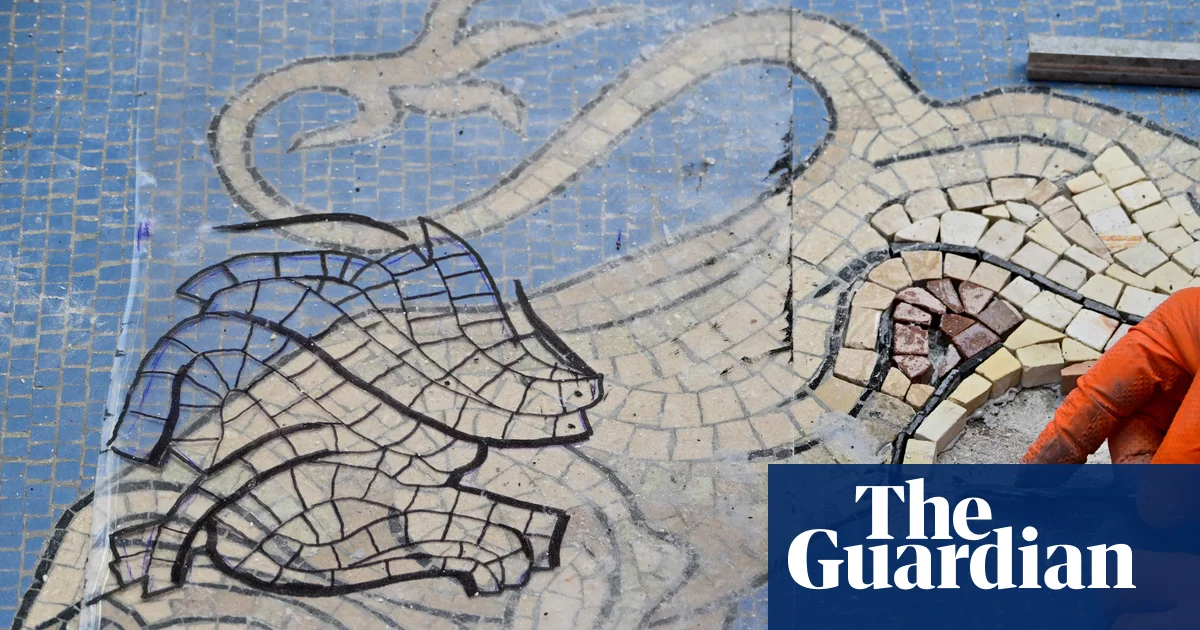
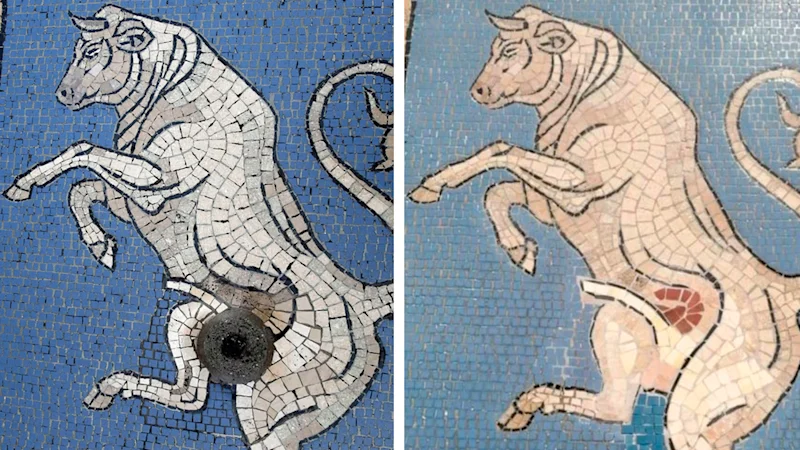
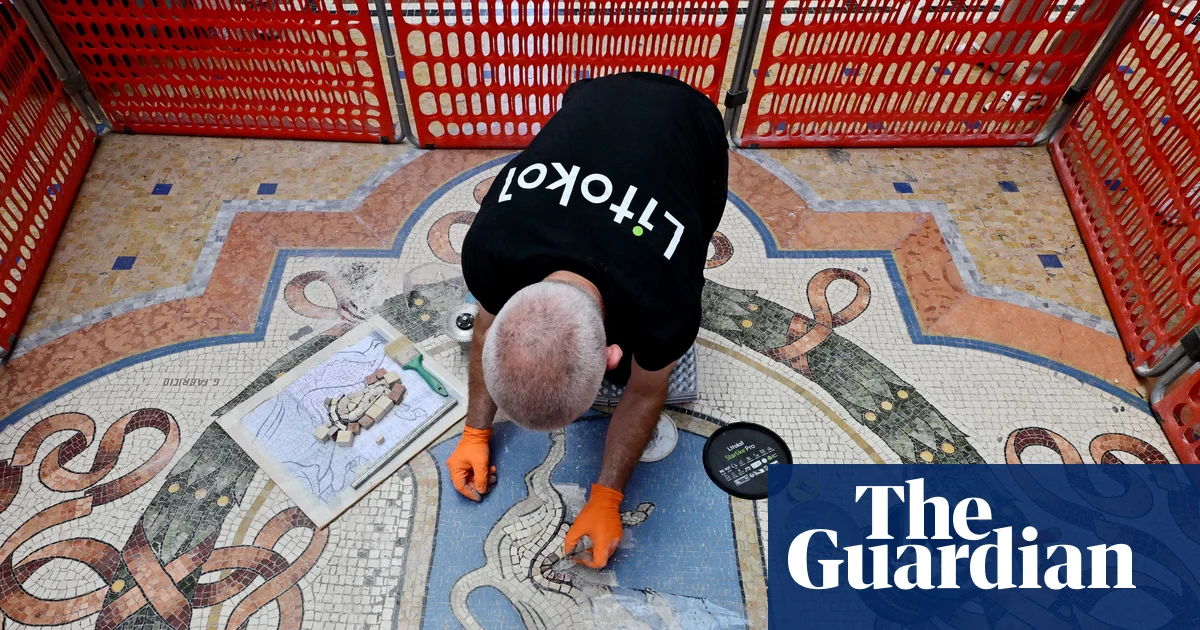
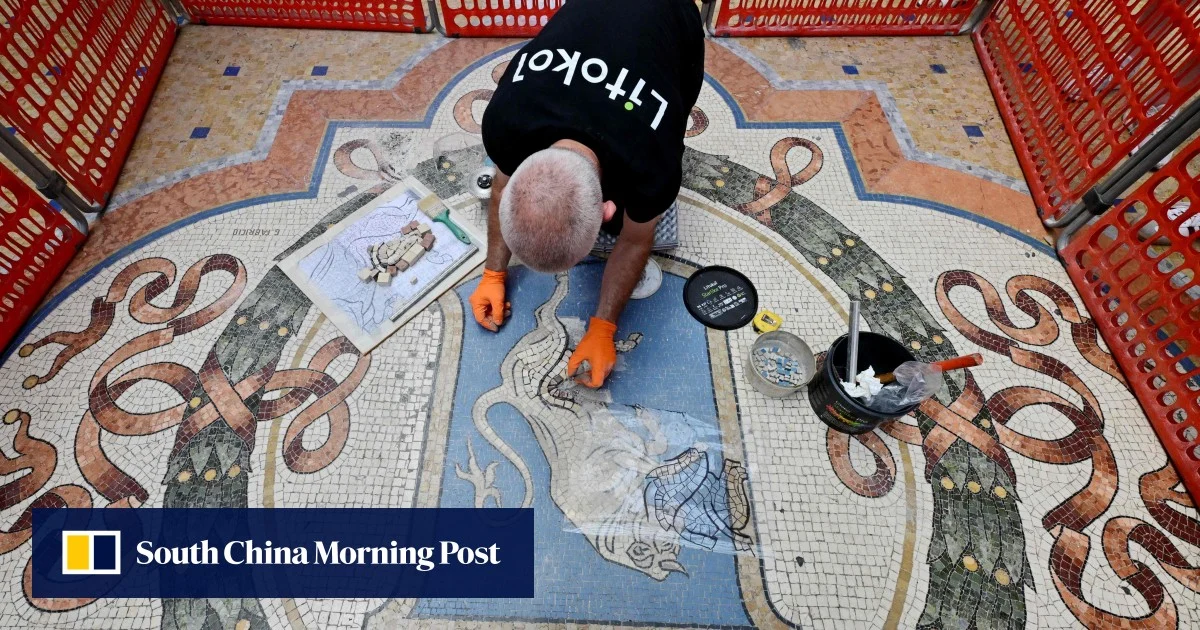
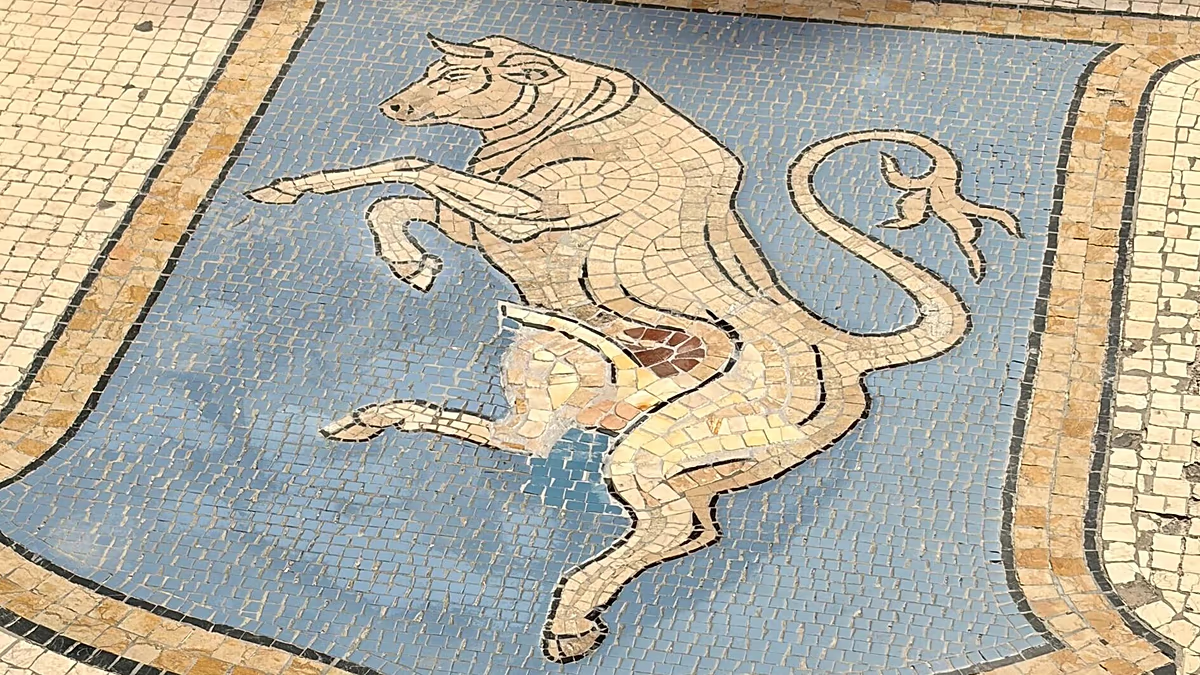
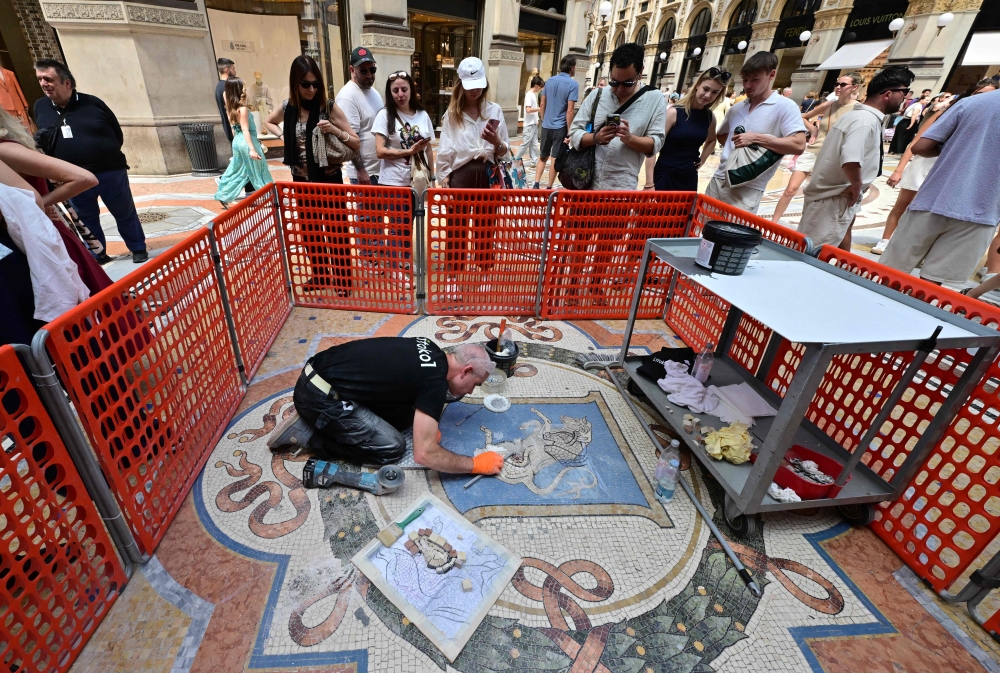
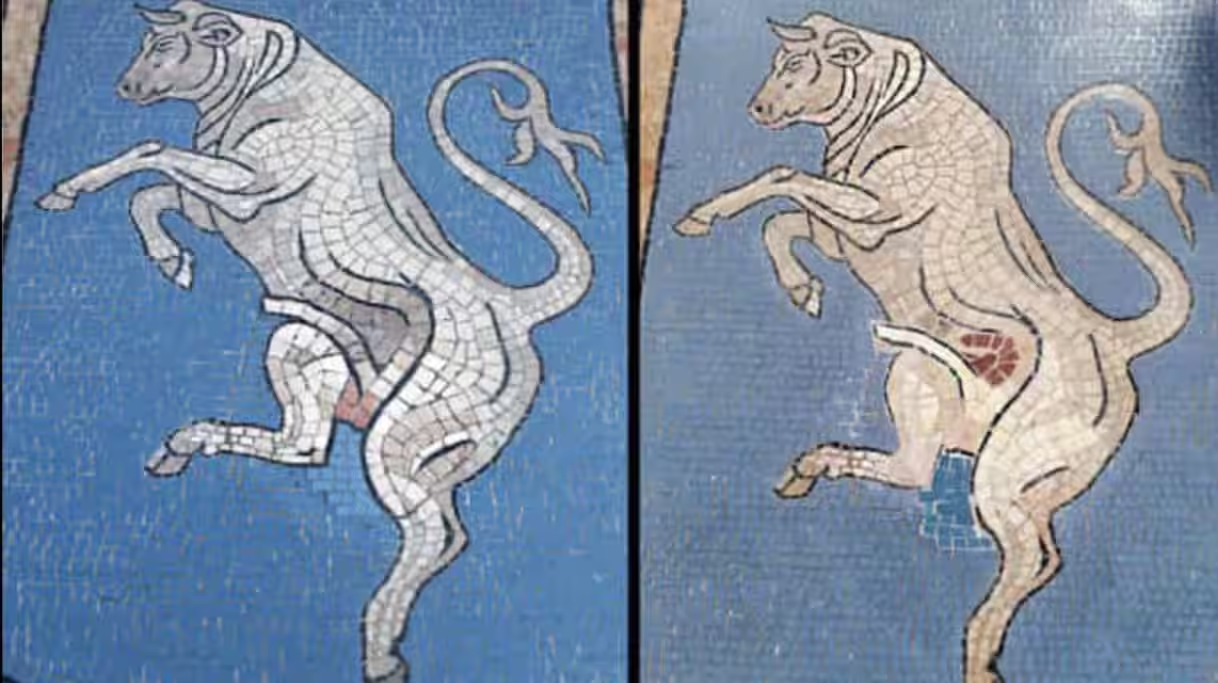
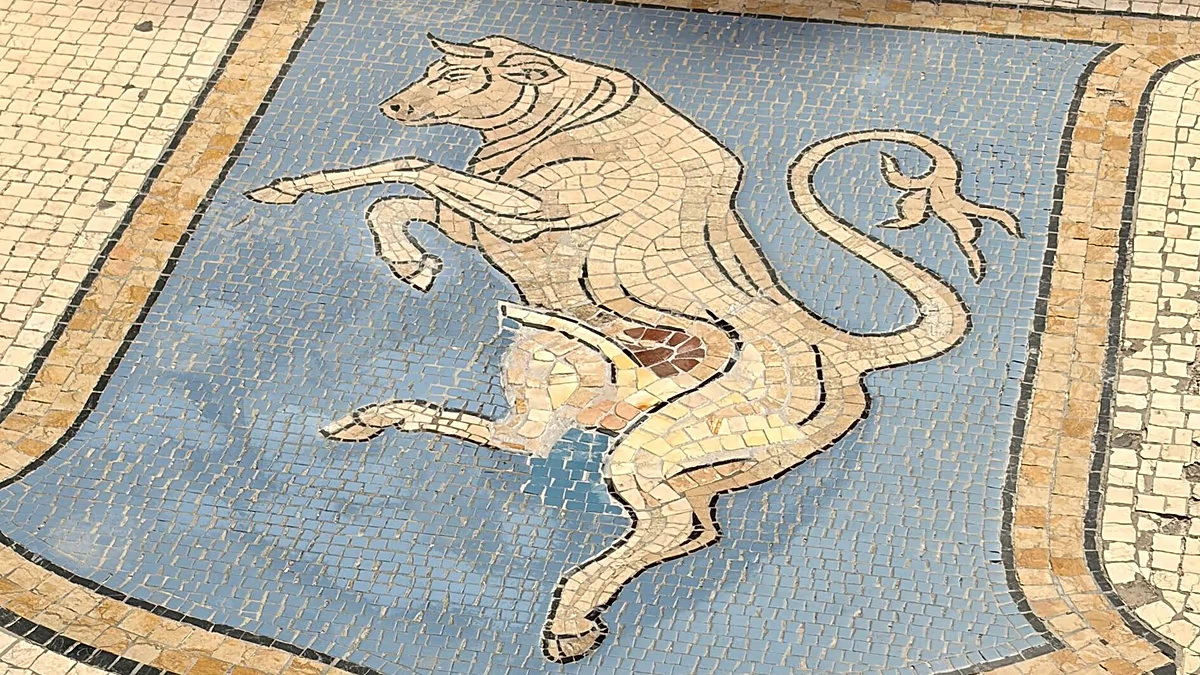
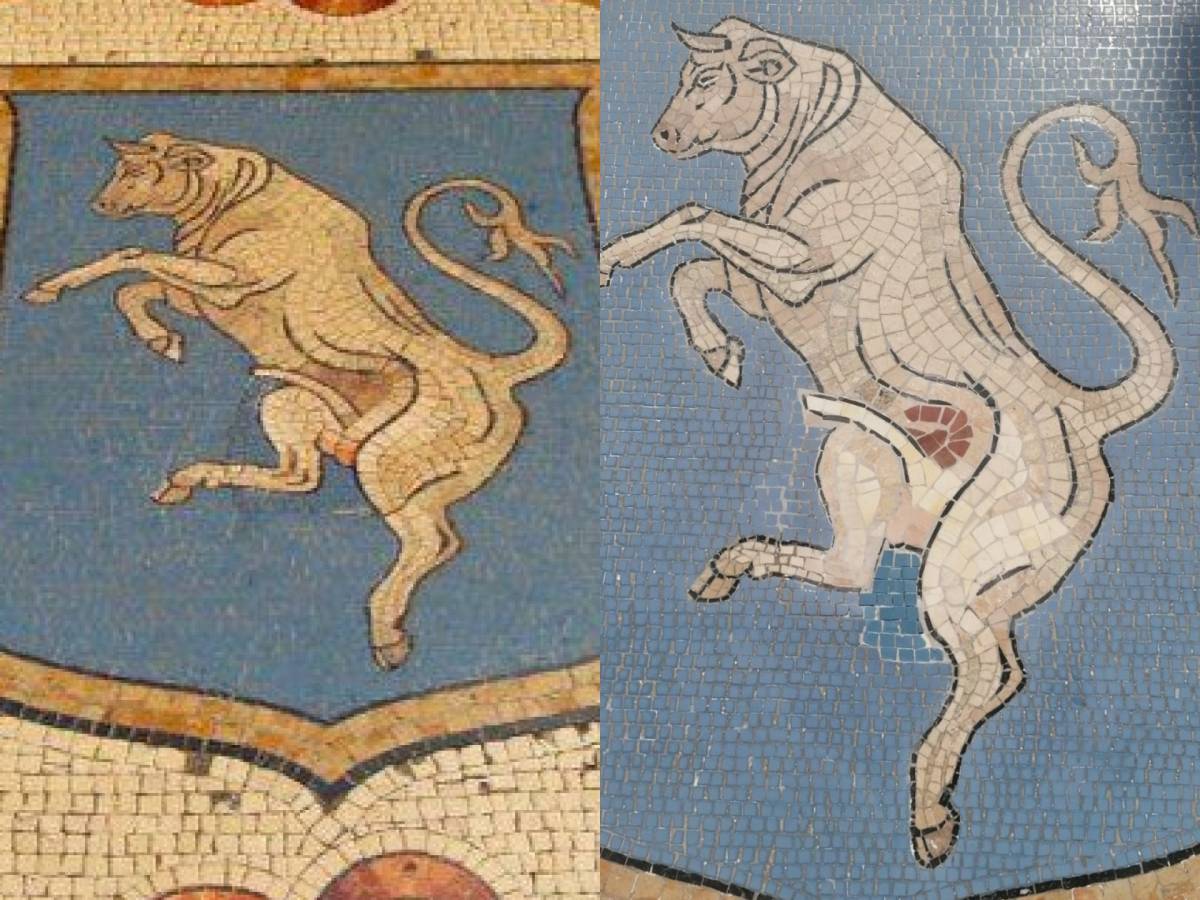
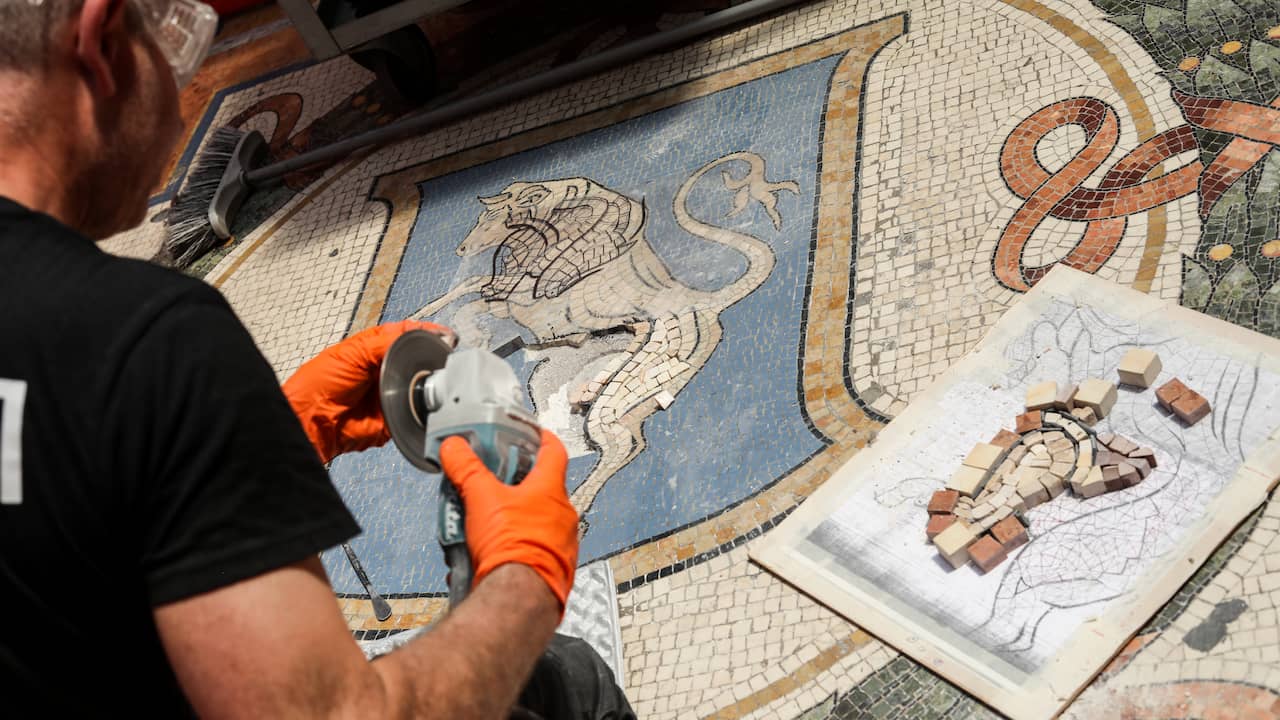
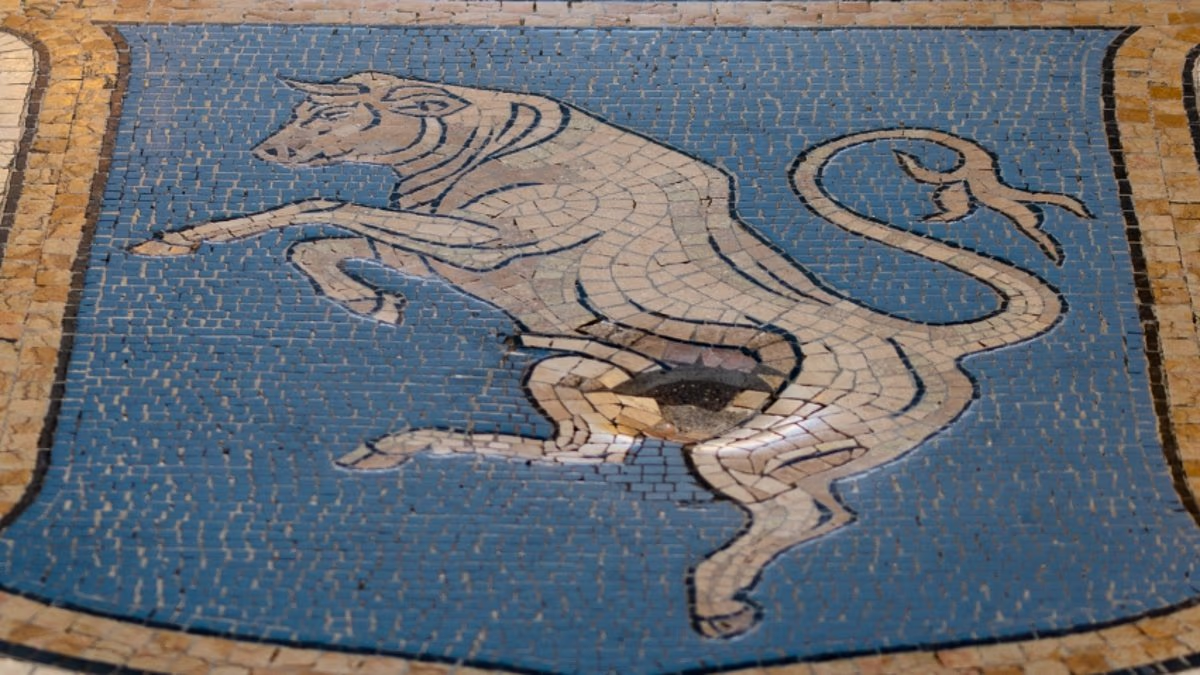
The restoration of a famous bull mosaic in Italy has been mocked with locals complaining that it has been 'castrated'.The 19th-century mosaic in the Galleria Vittorio Emanuele II shopping arcade in Milan needed work after a small crater on the bull's 'lucky spot' was left from thousands of tourists spinning on the area as part of a tradition.According to local legend, visitors who grind their heel into the bull's groin and spin three times clockwise are guaranteed good fortune - and a future return to the Italian city.City councillors said in a statement: 'The pink tiles that make up its testicles are being worn away.' Following the refurbishment, Milan councillor Marco Granelli shared a photo of the mosaic on Facebook - which was hit by a barrage of mockery from those who spotted one crucial detail missing.One wrote: 'What happened to the testicles?' While a second joked: 'Something's missing.'A temporary construction site was erected around the artwork while artist Gianluca Galli replaced the damaged pieces of stone by hand.But many were not pleased with the bull's new look, as one noted: 'Tiles of different colors and sizes, wide and messy joints, missing testicles... and this is a job well done?' The restoration of a famous bull mosaic in Italy has been mocked after critics say it was 'castrated' (left: before, right: after) A small crater on the bull's 'lucky spot' was left from thousands of tourists spinning on the area as part of a tradition (pictured) A temporary construction site was erected around the artwork while artist Gianluca Galli replaced the damaged pieces of stone by handOthers wrote how the bull now looks more like a male ox, which are commonly castrated to inhibit testosterone and make them less aggressive.While some suggested the bull was deliberately reformed without testicles to deter tourists from performing the ritual. Speaking of the tradition, Galli said: 'It's probably a charming gesture, but also quite damaging for a work of art.' The reconstruction reportedly cost £26,000 (€30,000), as locals accused Milan's city council of 'censorship' and wasting public money.The beige and blue mosaic, which represents the city of Turin, sits on the floor of the historic arcade and has become one of Milan's most popular tourist traditions. City officials Emmanuel Conte and Marco Granelli said the mosaic was last restored in 2017.They added that the Galleria remains a 'living heritage' shaped by the millions of people who visit it each year, therefore they pledge to 'take care of it so that it continues to be so'.