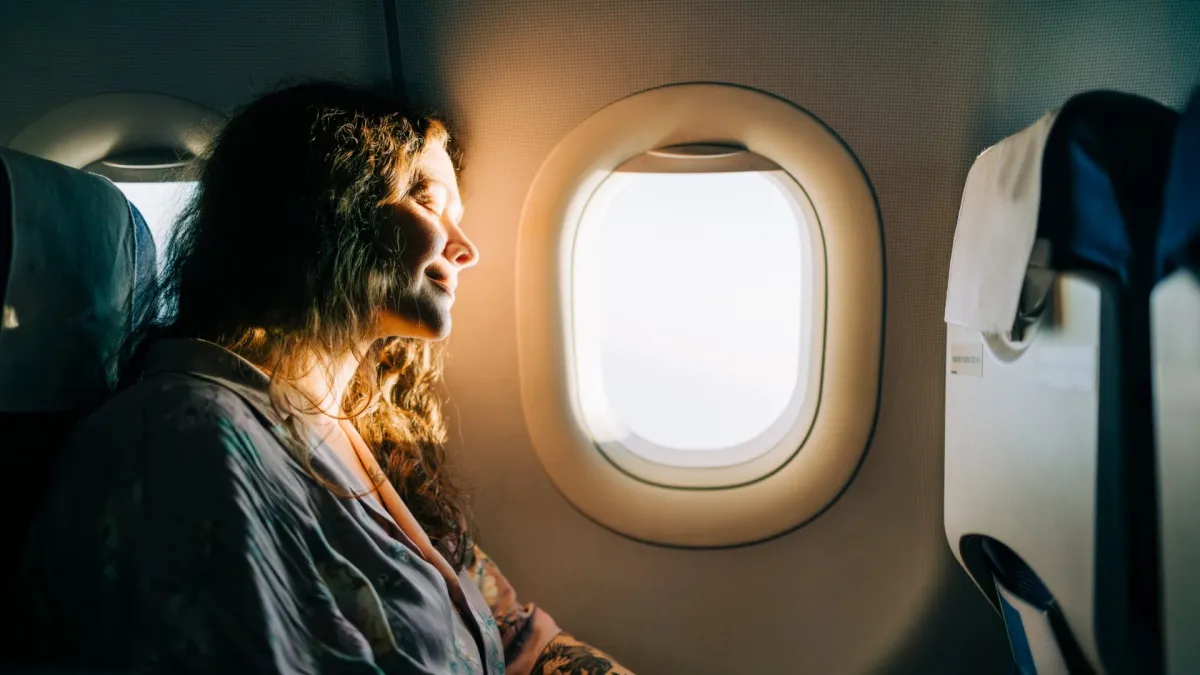
Psychology says people who can’t relax even on vacation aren’t bad at switching off; they were quietly taught as children that rest had to be earnedSynopsisThough holidays are meant for unwinding, many individuals find it hard to switch off, as stress often tags along. Psychological insights indicate that early experiences, particularly conditional affection from caregivers, can hinder one's ability to relax fully. Consequently, there are adults who struggle to savor their free time. Studies suggest that these childhood dynamics can mold how adults approach leisure.Individuals who suffered early-life adversities exhibited a less pronounced response to their relaxed state | Image Credit: PexelsIt is common for individuals to spend several months planning a holiday they cannot wait to take, but when they get there, they realize that the stress they hoped to escape has followed them anyway. Individuals find themselves getting up early even though they have nothing important to attend to, feel guilty about remaining seated, compulsively check emails they promised not to read, or become extremely restless after just a couple of minutes of idleness. It may seem as if the problem here is simply being unable to relax, but psychology reveals otherwise.When rest never feels fully safeAccording to a 2025 study published in PNAS, high allostatic load in childhood was associated with poor cardiometabolic status at age 30. It seems that frequent use of one's stress mechanisms might have left an indelible mark on how one responds, even after years have passed. The above findings do not imply that all children will become problematic adults when it comes to leisure activities; still, it is worth noting that the stress experienced earlier can determine one's physiological responses even years later.Individuals who suffered early-life adversities exhibited a less pronounced response to their relaxed state | Image Credit: PexelsSimilarly, the conclusions of another study conducted in 2024 can be regarded as relevant to explaining some of the negative reactions people experience when engaging in leisure activities. It appears that individuals who suffered early-life adversities exhibited a less pronounced response to their relaxed state, both subjectively and physiologically. What does this mean? Simply put, some people will react differently to stimuli that usually bring about relaxation and peace. Such a response explains why a beach vacation or spending a couple of days in a peaceful cabin will not lead to relaxation for some individuals.How childhood turns achievement into permissionDevelopmental studies shed light on the origin of those rules. For instance, a 2023 meta-analysis investigating parental conditional regard found connections among conditional approval, contingent self-esteem, depression, and introjected regulation, a form of motivation driven by inner compulsion rather than voluntary choice. Not only do children learn how to act, but they learn what behaviors are approved and earn recognition and affection. When affection is offered in response to achievements, productivity might become a moral imperative, while rest might become hard to justify.In their paper in the Journal of Personality, scholars argued that parents who use affection as a means of rewarding behaviors generate resentment, ill-being, and introjected internalization in children. Moreover, researchers in the Developmental Psychology journal found that conditional positive regard was correlated with internal compulsion, whereas autonomy support was correlated with choice. These papers provide insight into why some adults find it challenging to spend time engaging in leisure without being judged by others. The reason is obvious; now the pressure comes from the inside rather than the outside.Some people cannot escape the physiological aftermath of their work-related activities, as it follows them into their vacation time rather than allowing them to relax after their efforts | Image Credit: PexelsWhy vacations sometimes feel like workThe issue here does not lie in the ineffectiveness of vacations. In a 2025 meta-analysis investigating the impact of vacations on employee well-being, it was concluded that vacations are typically linked to positive well-being outcomes. The majority of people reap benefits from their vacation time. This is also why adults who do not find their vacations relaxing are so exceptional. Their case goes against scientific conclusions in this regard. As described in a 2025 paper featured in the Journal of Applied Psychology, chronic exposure to stress can make recovery from past stressors more difficult and put one at risk of additional stresses. It would seem that some people cannot escape the physiological aftermath of their work-related activities, as it follows them into their vacation time rather than allowing them to relax after their efforts. A 2023 article published in The Career Development Quarterly reached the same conclusion when discussing workaholism and the connection between leisure participation and recovery.In instances where adult siblings become estranged from each other, there is usually an easy answer as to why. An argument about money, disagreements over elderly parents, or even politics could be a reason why, or perhaps just a single statement that went too far. However, according to family psychology, sometimes what seems like the cause is simply just the tip of the iceberg. More often than not, the silence between adult siblings begins much earlier, when they were children and trying to figure out where they fit into the family structure.Read More News on(Catch all the US News, UK News, Canada News, International Breaking News Events, and Latest News Updates on The Economic Times.) Download The Economic Times News App to get Daily International News Updates....moreless
Psychology says people who can’t relax even on vacation aren’t bad at switching off; they were quietly taught as children that rest had to be earned
Though holidays are meant for unwinding, many individuals find it hard to switch off, as stress often tags along. Psychological insights indicate that early experiences, particularly conditional affection from caregivers, can hinder one's ability to relax fully. Consequently, there are adults who struggle to savor their free time. Studies suggest that these childhood dynamics can mold how adults approach leisure.
887 words~4 min read