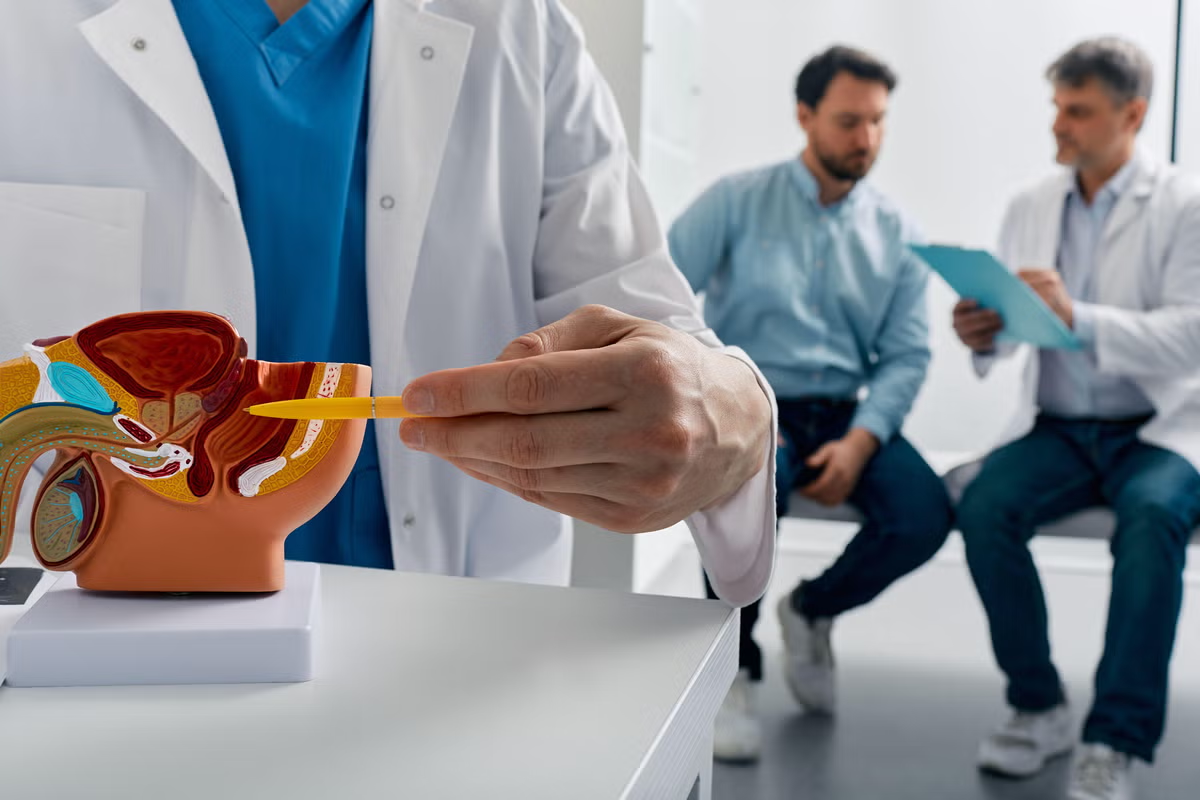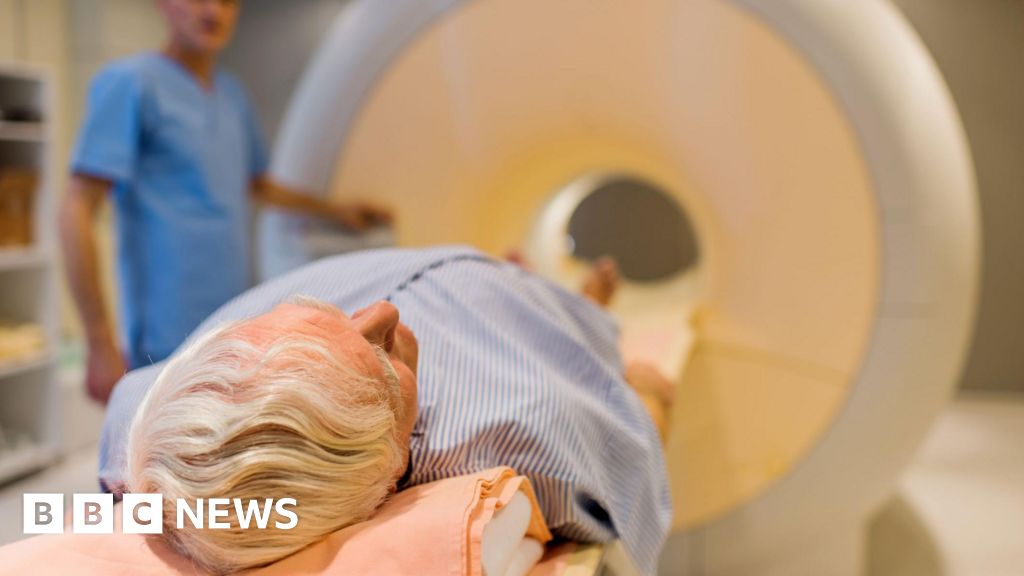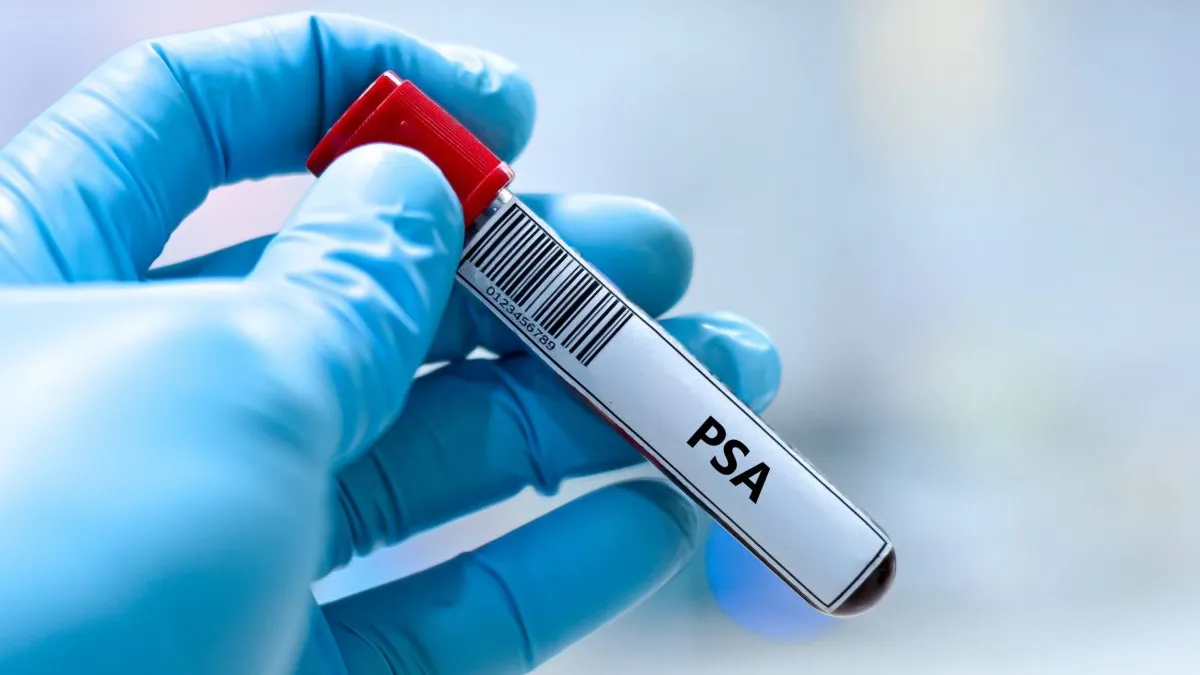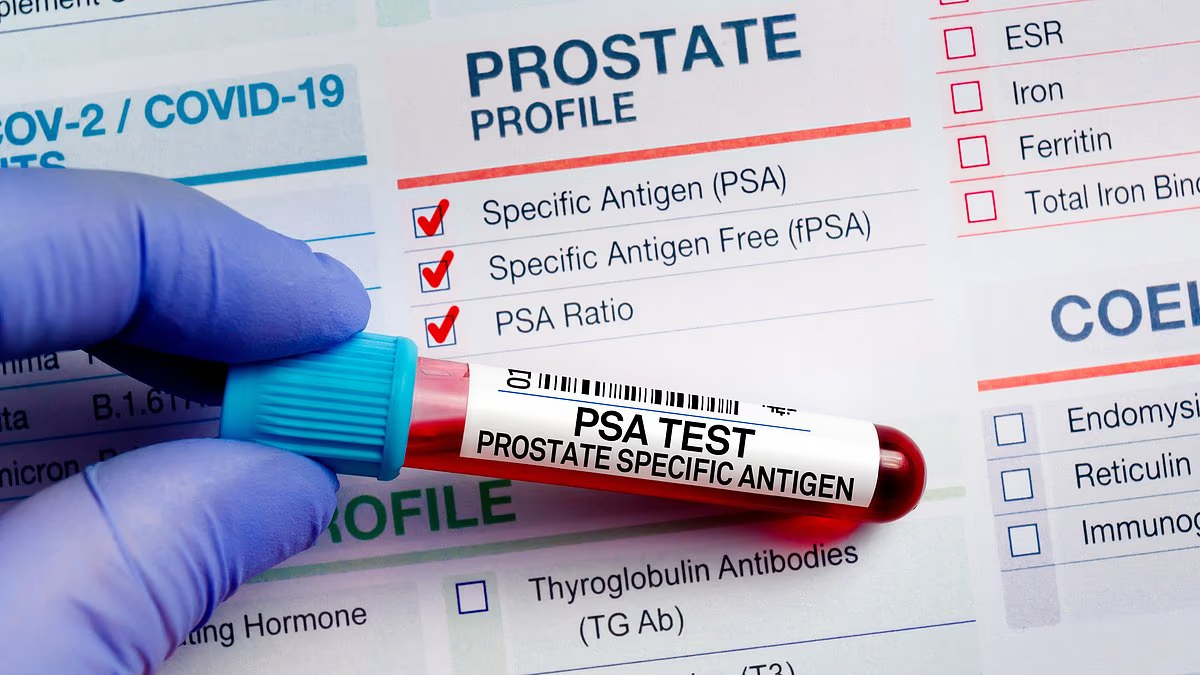
More black men in the UK will be invited to join a prostate cancer screening trial in a major step towards the wider rollout of lifesaving checks.James Murray today accepted a recommendation from his advisors to restrict access to a national screening programme to just a few thousand people.But the health secretary committed to expanding a landmark trial so all black men aged 45 to 74 who have not had a PSA test or MRI prostate scan in the past five years can take part.The Transform trial is investigating different ways to detect prostate cancer earlier, with researchers already aiming to ensure one in ten recruits are black.If the results find a more reliable way of detecting tumours that require treatment then advisors could recommend expanding eligibility for screening to a wider group of men.Prostate cancer is the most common cancer in the UK, with 63,000 cases and 12,000 deaths each year - but unlike breast, bowel and lung cancer, there is currently no national screening programme.The Daily Mail is among those campaigning to end needless prostate cancer deaths and for a national screening programme, initially targeted at high-risk men, such as those who are black, have a family history of the disease or specific genetic mutations.The UK National Screening Committee sparked outrage last week when it told ministers only men with a rare genetic mutation and a family history of some cancers should be included. Health secretary James Murray has sparked fury after failing to overrule advisors on who should be eligible for prostate cancer screening.Campaigners said their decision risked thousands of men being ‘condemned to an avoidable death’ and described it as a ‘profound disappointment’ as they called on Mr Murray to overrule his advisors.The screening committee issued draft guidance in November, which said testing should only be offered to around 30,000 men aged 45 to 61 with BRCA1 or BRCA2 gene mutations, which increase the risk of an aggressive form of the disease.This meant that black men - who run twice the risk of developing prostate cancer and of dying from it - and those with a family history would have been excluded.Now the committee's final recommendation, published last week and accepted by Mr Murray today, says only men aged 45 to 61 who have particular BRCA2 variants combined with a family history of breast, ovarian, pancreatic, or prostate cancer should qualify for screening outside of the trial.It means as few as 3,000 will be invited for screening, which will involve having a blood test every two years to check for a marker of potential prostate cancer known as PSA.The committee said widening screening at this stage could lead to over-diagnosis and over-treatment.Ministers have told the committee to keep their recommendation under review as new evidence emerges.The Department of Health and Social Care said an extra £20million will be invested in the Transform trial and it will broaden access to focal therapies.These are less invasive treatments that target prostate cancer, giving men greater choice about their options when they receive a new diagnosis. David James, director of patient projects and influencing at the charity Prostate Cancer Research, said: 'This is a deeply disappointing moment.'Meanwhile, GPs and the public will be given updated guidance on PSA blood tests and these can still be requested by patients outside of a screening programme.David James, director of patient projects and influencing at the charity Prostate Cancer Research, said: 'This is a deeply disappointing moment for men and families across the country who know first-hand the devastating impact of prostate cancer.‘For those at highest risk, this decision to accept the UK National Screening Committee’s recommendation will feel like yet another setback.‘This government has missed an historic opportunity.‘While there are elements of today’s broader package of announcements that we welcome – including improving guidance to GPs, expanding access to focal therapies, and a commitment to keep the screening model under review – the central issue remains unresolved: too many men at highest risk are still being left without access to screening.‘We welcome the additional funding for the Transform trial and the commitment to increase participation among Black men, who face double the risk of being diagnosed with prostate cancer and are more likely to die from the disease.‘However, this investment must now deliver real results.‘Recruitment must move quickly, findings must be reported at the earliest opportunity, and the UK National Screening Committee must be prepared to act on emerging evidence rather than wait years for the perfect dataset.‘Men at highest risk have already waited too long.‘If this is truly a live and evolving process, then new and emerging evidence must be incorporated into the model transparently and without delay, with clear accountability for how decisions are made and updated.‘Prostate Cancer Research will continue to work with partners across the sector to ensure that future decisions are driven by the best available evidence and deliver a screening approach that is both equitable and fit for modern clinical practice.’Mr Murray said: ‘This is a major step forward in how we tackle prostate cancer - focusing on those most at risk, improving the treatments available, and backing the research we need to close the evidence gaps and save lives.‘We’re following the science to make sure men get earlier answers and better care, and to avoid doing unnecessary harm.‘By investing in research through trials such as Transform, we're building a fairer, more effective prostate cancer screening system for the future.’
Major new step on path to wider UK prostate cancer screening programme
If the results find a more reliable way of detecting tumours that require treatment then advisors could recommend expanding eligibility for screening to a wider group of men.
903 words~4 min read