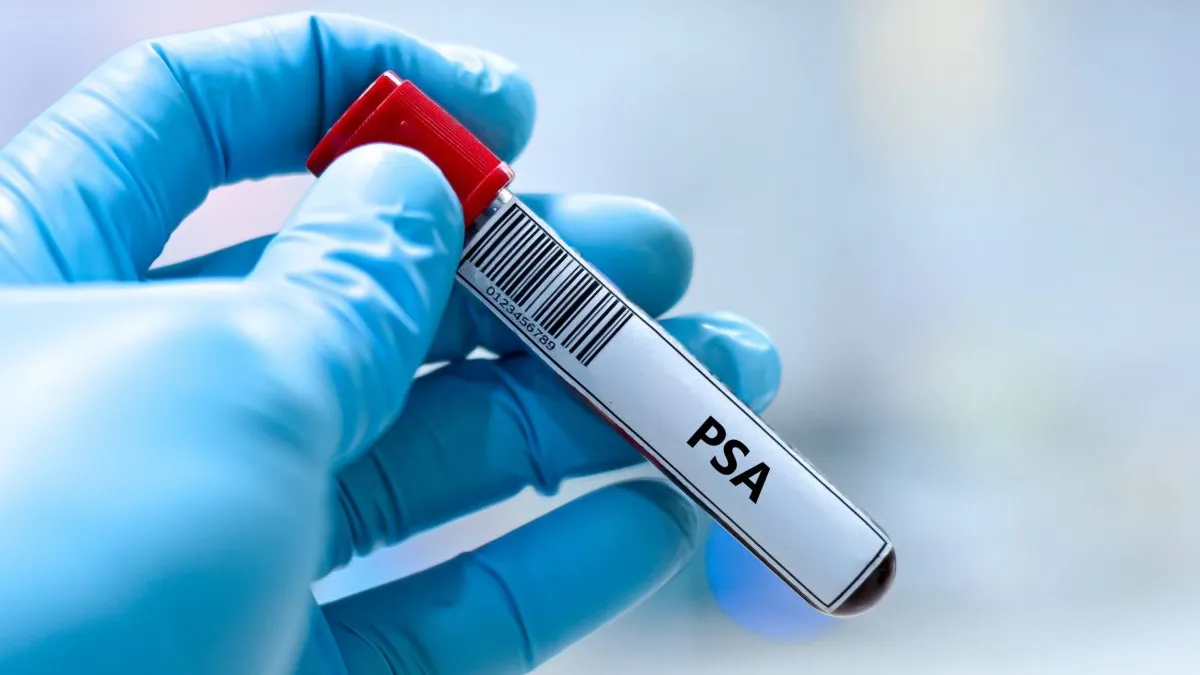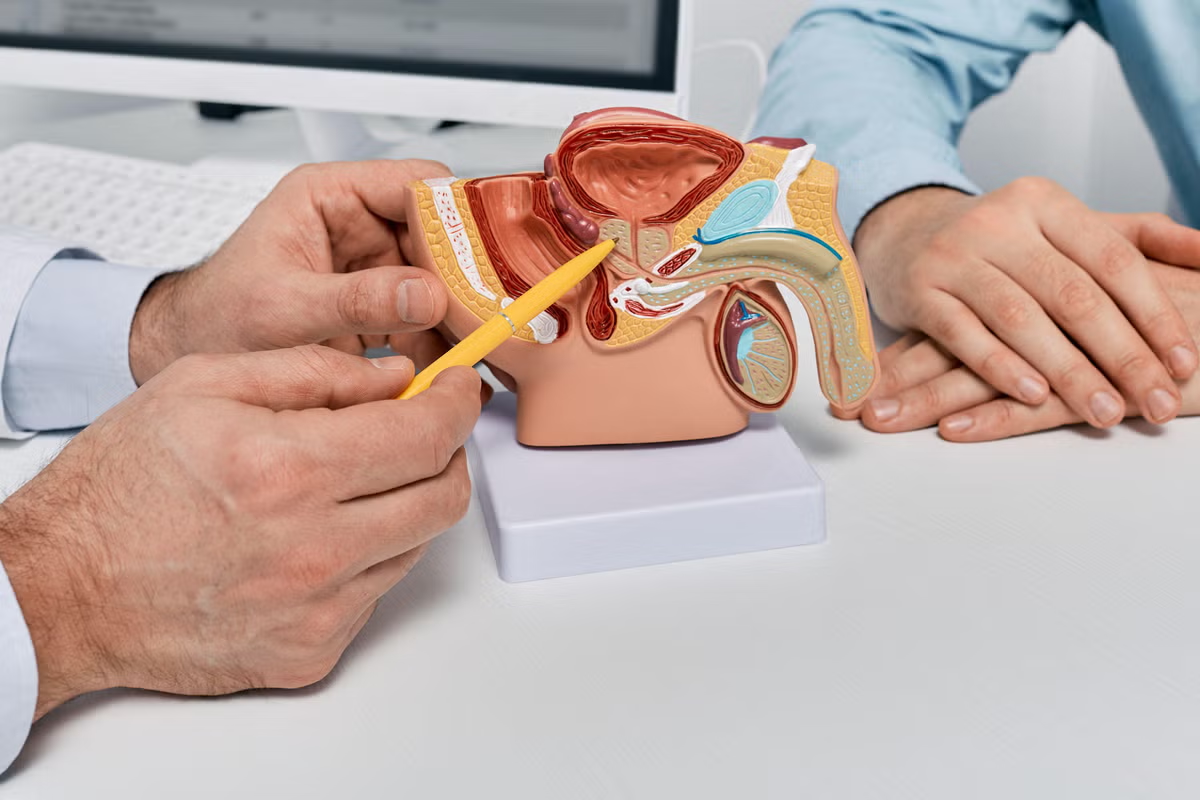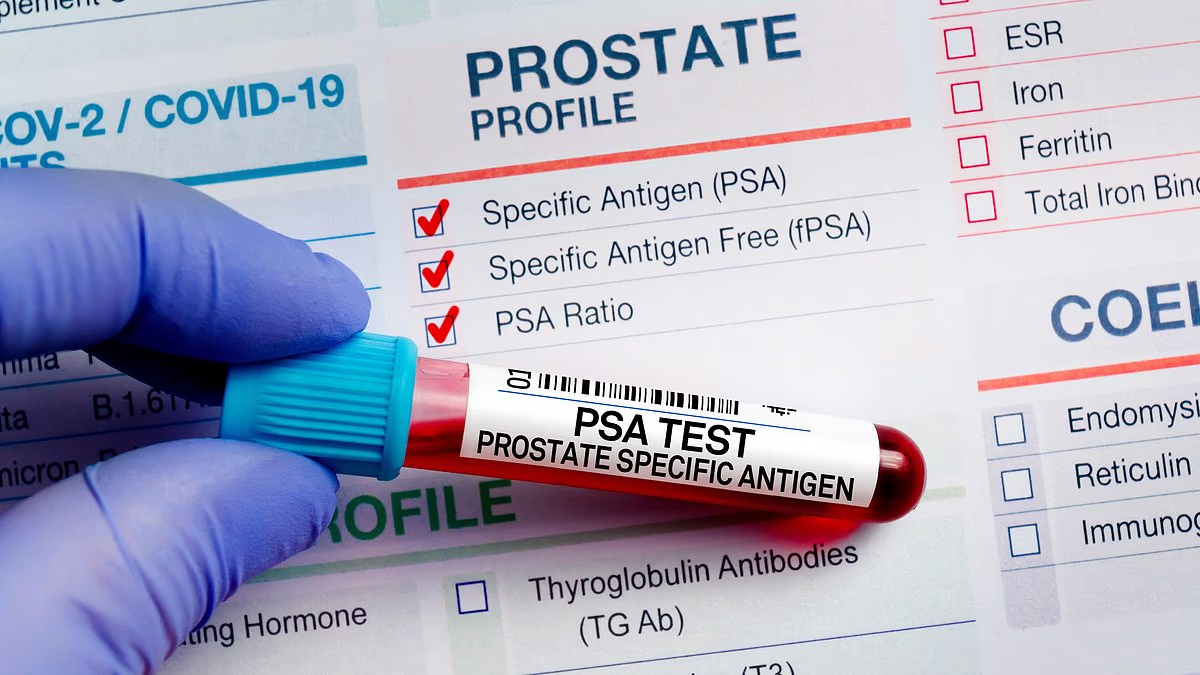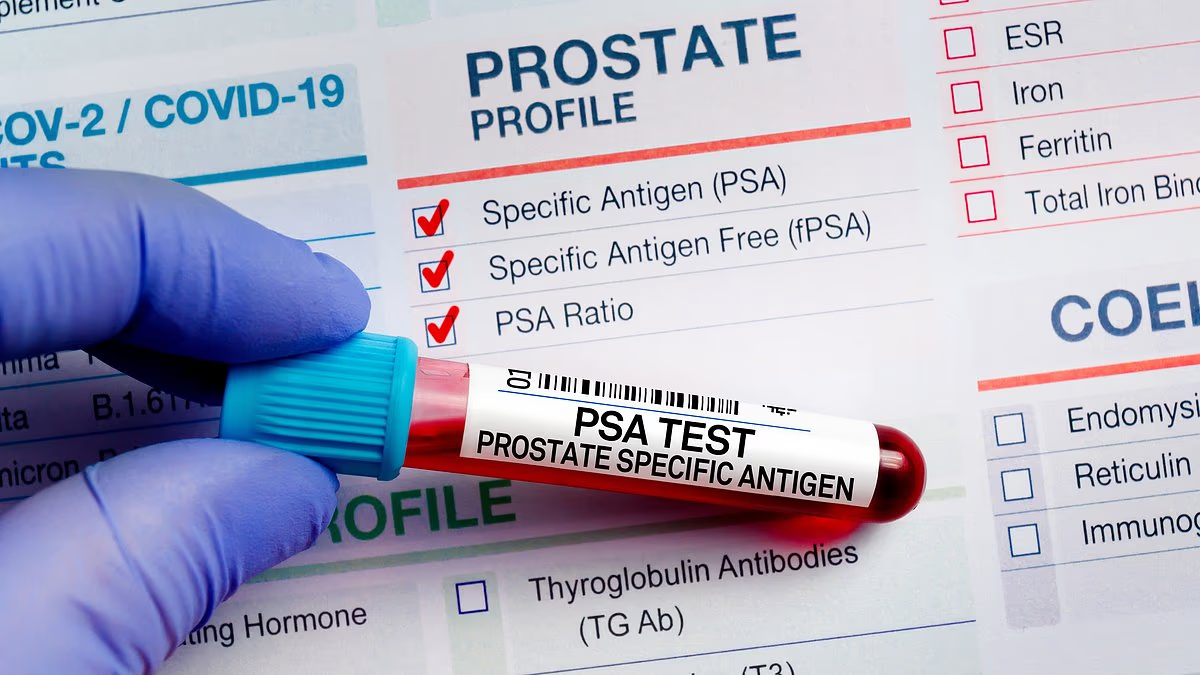
Under the recommendations most men will be excluded from the cancer screening programme but two high risk groups will be offered checks11:59, 29 May 2026Four warning signs of Prostate CancerSome men will be targeted for screening for a cancer which affects around one in eight men. The move comes after experts said to roll it out further would "do more harm than good".Prostate cancer is one of the most common cancers in the UK, claiming over 12,000 lives each year. However, unlike other common cancers there is no prostate cancer screening programme on the NHS.A new report from the UK’s National Screening Committee has said screening for this cancer would "cause more harm than good" if most people are included. Instead it recommended a very targeted programme that would instead only test men with the highest risk of prostate cancer.Under the committee’s recommendations, only a few thousand men will be eligible for the screening as they need to meet two very specific criteria. They will need to be between the ages of 45 and 61 and have a pathogenic variant of the BRCA2 gene with a family history of breast, ovarian, pancreatic, or prostate cancer.It didn’t recommend screening for any other risk groups, but noted that better understanding and technology in the future could support much wider screening in the years to come. Health ministers in England, Wales, Scotland and Northern Ireland will have to decide whether to put these recommendations into action.Screening for prostate cancer starts with a PSA blood test, also known as a prostate-specific antigen test. Depending on the results of this test, the patient may be referred for an MRI or further tests.While prostate cancer can be deadly, some grow so slowly that patients would need to reach 120 to 150 years old before it becomes a threat. The UKNSC noted that with a national screening programme, men could face this diagnosis that won’t need treatment but could still take a mental toll according to the BBC.Additionally, doctors aren’t always able to tell which prostate cancers need treatment and which aren’t a threat. This means some men with these slow-growing cancers may end up having unnecessary treatment and facing lifelong consequences as a result.Prostate cancer treatment can cause some chronic health issues including leaking urine, erectile problems and bowel problems. Mental health issues have also been reported such as anxiety.If 1,000 men aged 50 to 60 were to have a PSA test, around 100 would have a positive result and after further testing around 28 would be diagnosed with prostate cancer, according to modelling figures calculated by the committee.Article continues belowOf these 28 diagnosed with cancer, around 20 would likely be overdiagnosed and 12 would likely be overtreated. However, five would likely genuinely need a form of treatment and the screening could save up to two lives.In the NSC’s last review in 2020, it did not recommend any screening programme for prostate cancer in the UK as it was ‘unclear’ how screening would impact prostate cancer outcomes, specifically deaths due to prostate cancer.Anyone with a prostate in the UK can make an appointment with their GP to discuss the advantages and disadvantages of getting a PSA blood test according to Prostate Cancer UK. The test can be done at your GP surgery and some men are offered the test as part of a general check-up.
Two 'high risk' groups to be targeted for key male cancer test
Under the recommendations most men will be excluded from the cancer screening programme but two high risk groups will be offered checks
559 words~3 min read