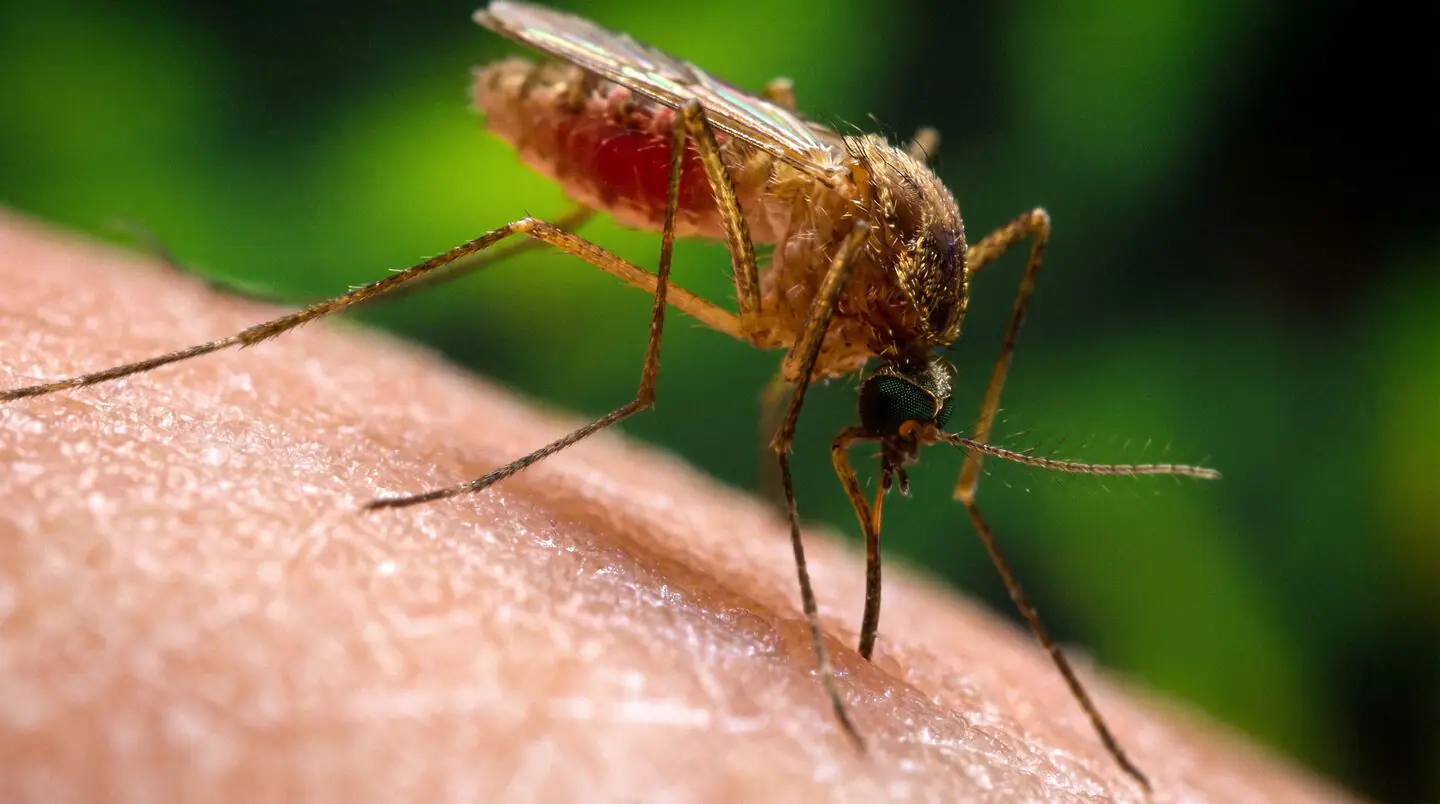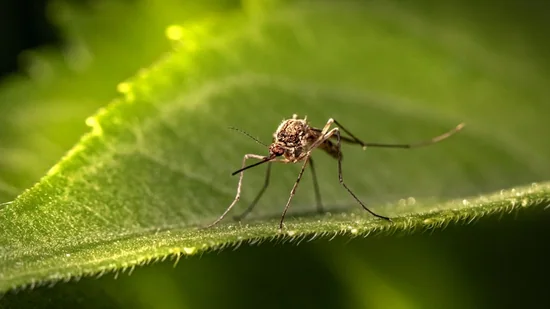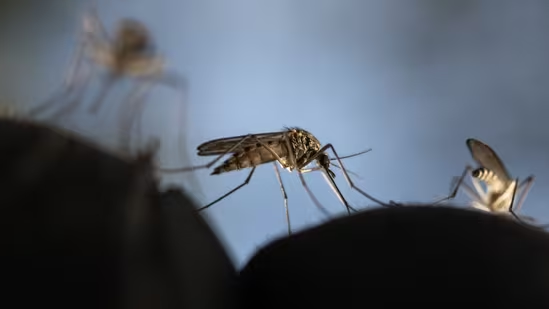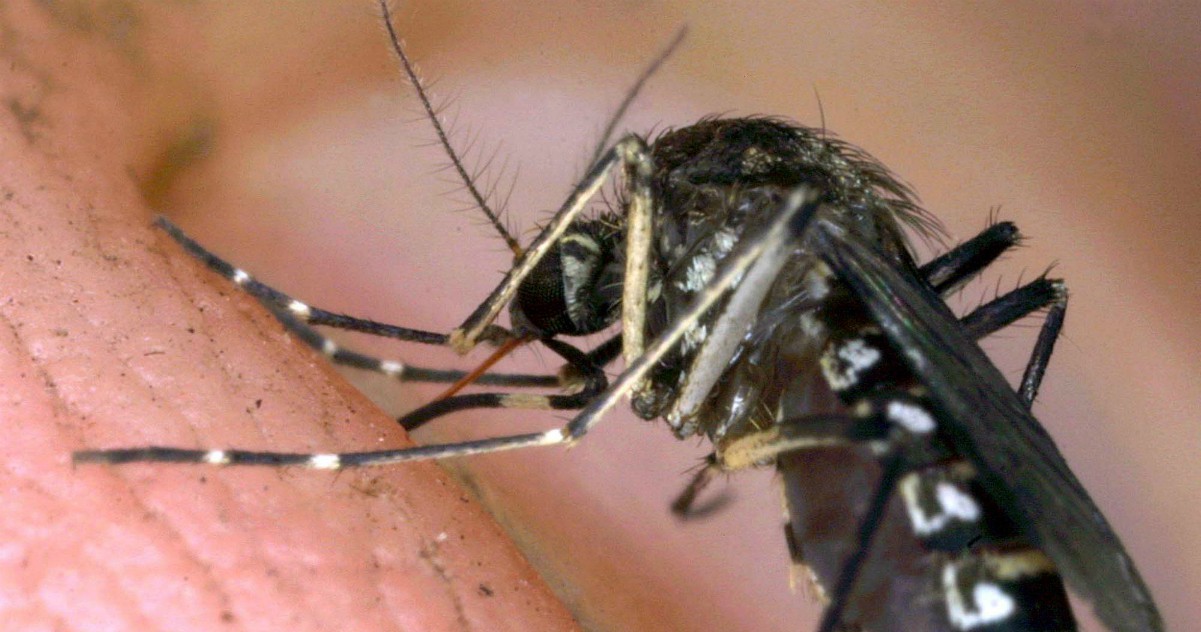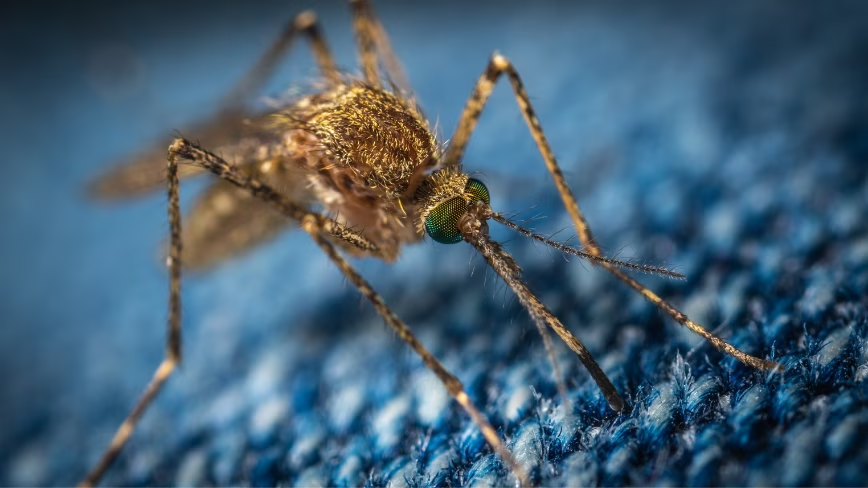
TL;DRAlphabet’s Verily is seeking EPA approval to release 64 million Wolbachia-carrying male mosquitoes in Florida and California to suppress Aedes aegypti populations. Earlier Debug trials achieved up to 95% reductions in biting mosquitoes in Fresno and 70%+ dengue reduction in Singapore.
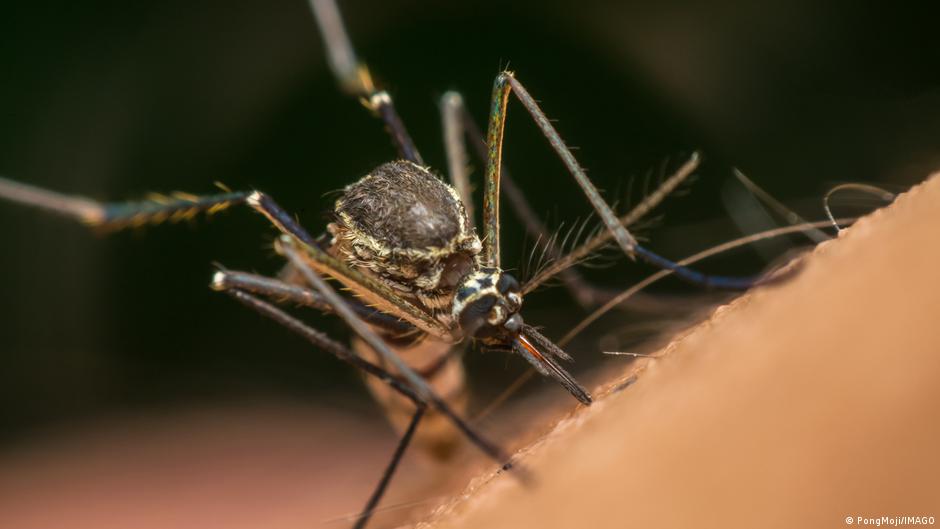
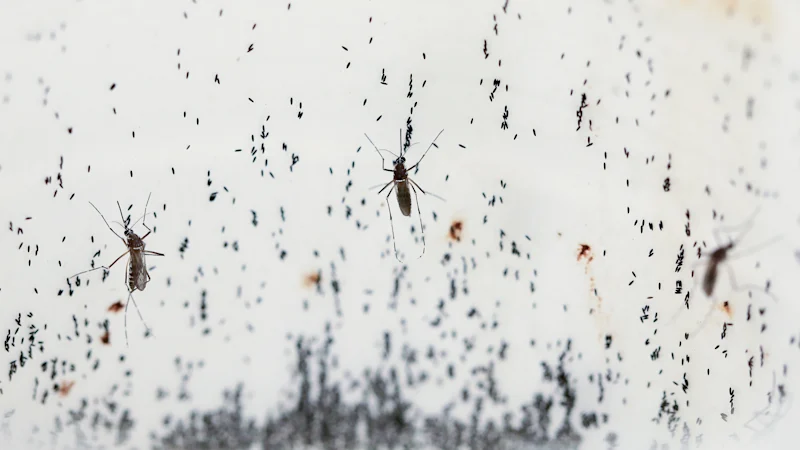
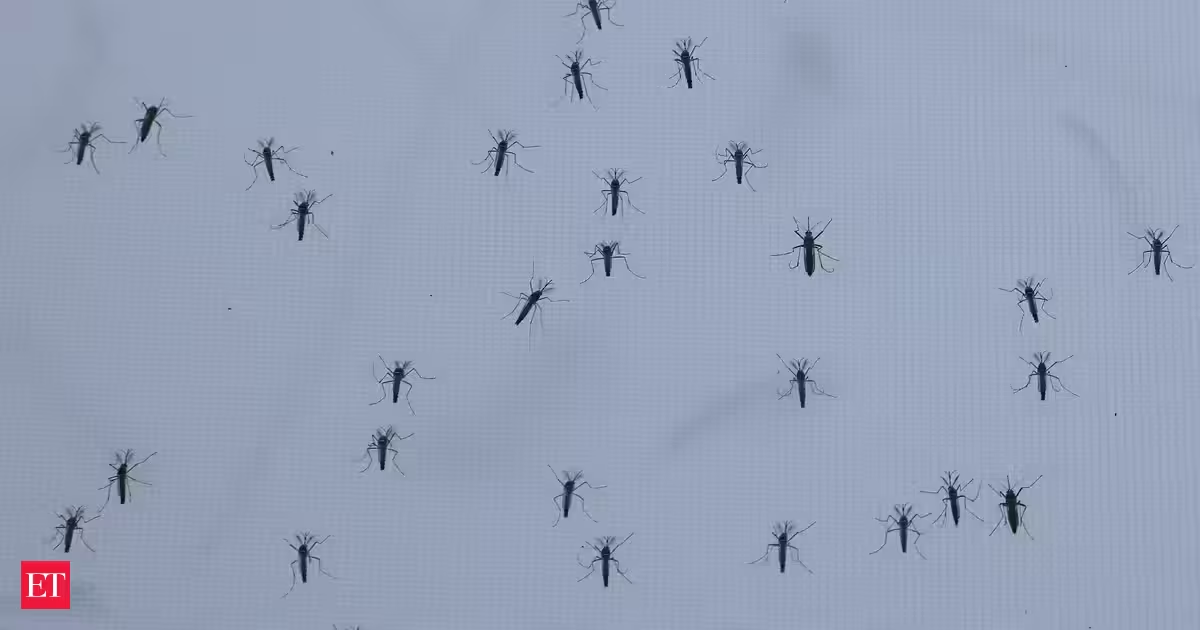
Verily, the health and life sciences subsidiary of Google parent Alphabet, has asked the US Environmental Protection Agency for permission to release up to 64 million lab-bred mosquitoes across Florida and California over two years. The proposal, submitted under the company’s Debug initiative, would deploy male Aedes aegypti mosquitoes carrying Wolbachia bacteria into areas where the species transmits dengue fever, Zika virus, yellow fever, and chikungunya. The EPA is reviewing the application under an experimental use permit, with a public comment period running through early June.
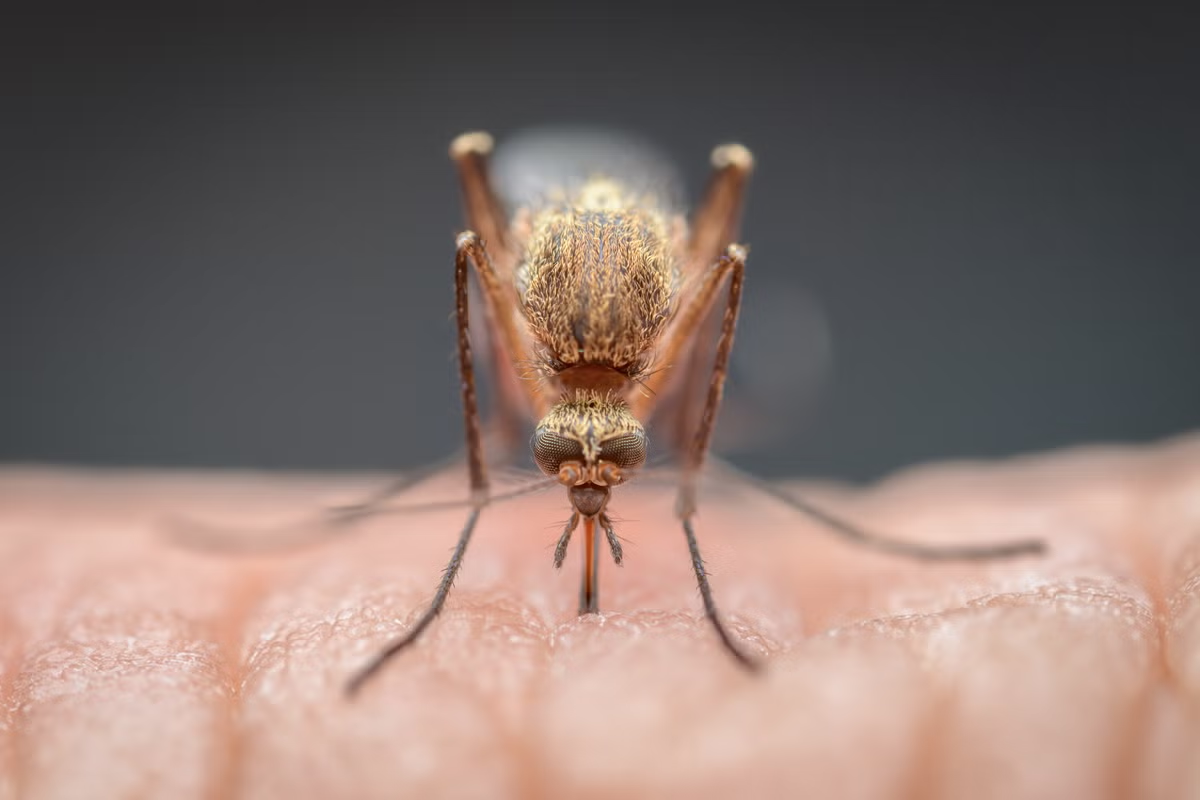
The approach is elegant in its biology. Wolbachia is a naturally occurring bacterium found in roughly 60% of insect species, but not in Aedes aegypti. When lab-reared males carrying Wolbachia mate with wild females that lack it, the resulting eggs do not develop. The males do not bite, do not transmit disease, and cannot reproduce with each other, making the release self-limiting. Each generation of released males reduces the wild population without introducing permanent genetic changes or synthetic chemicals into the environment.