(Image credit: Future)
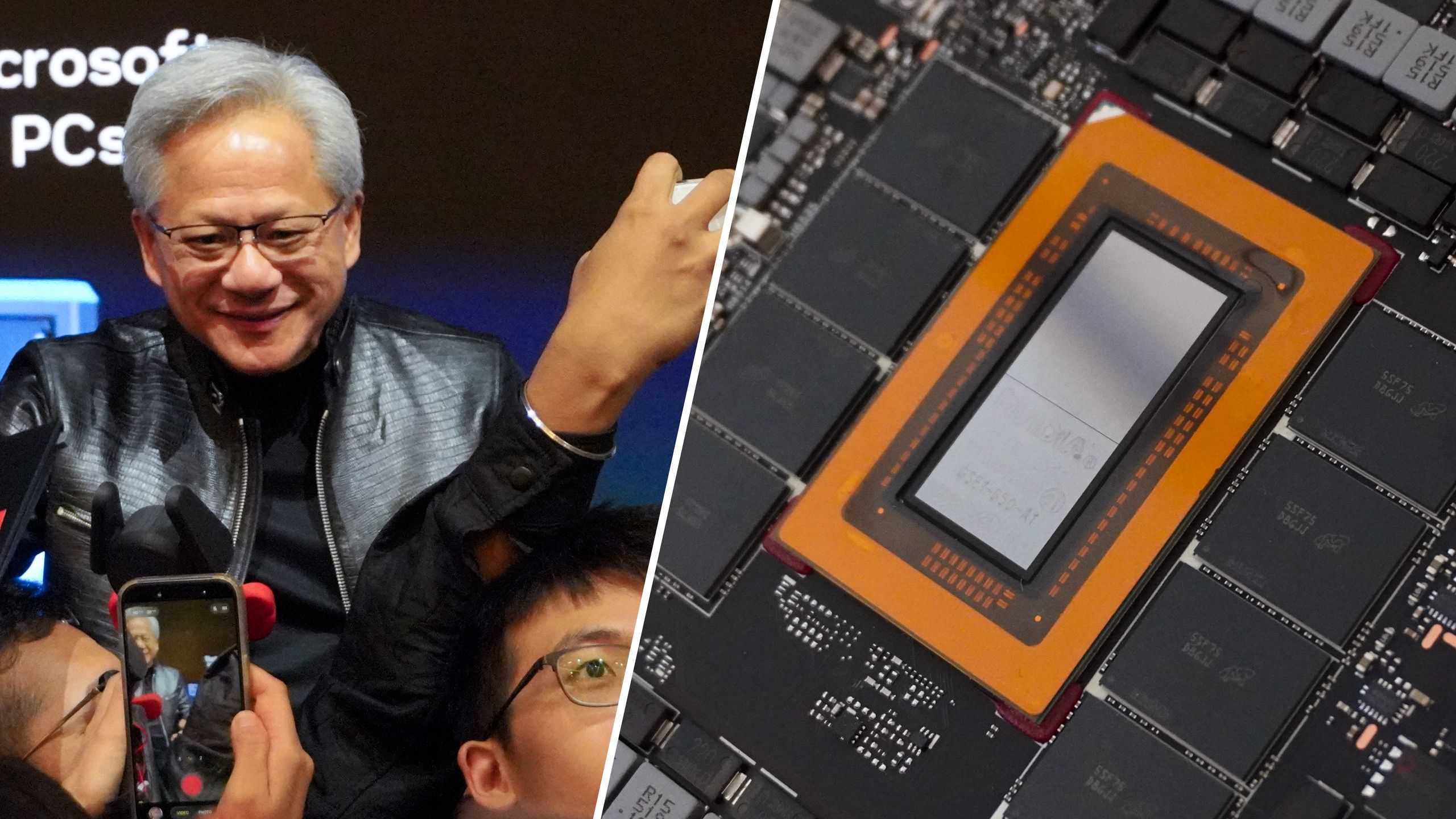
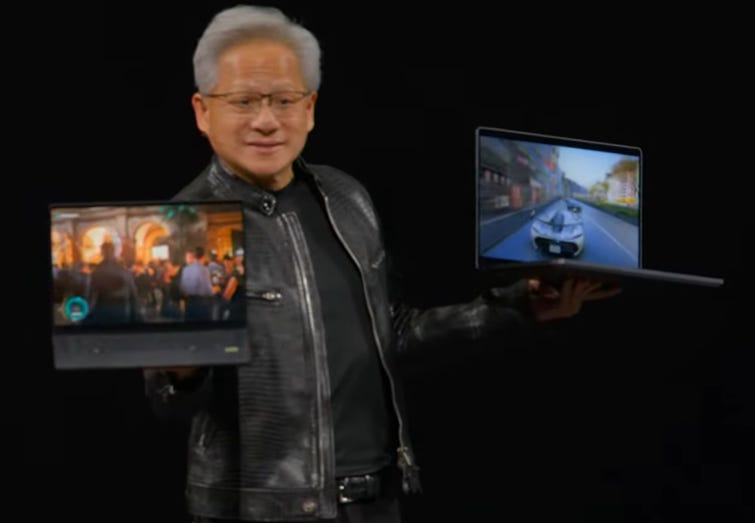
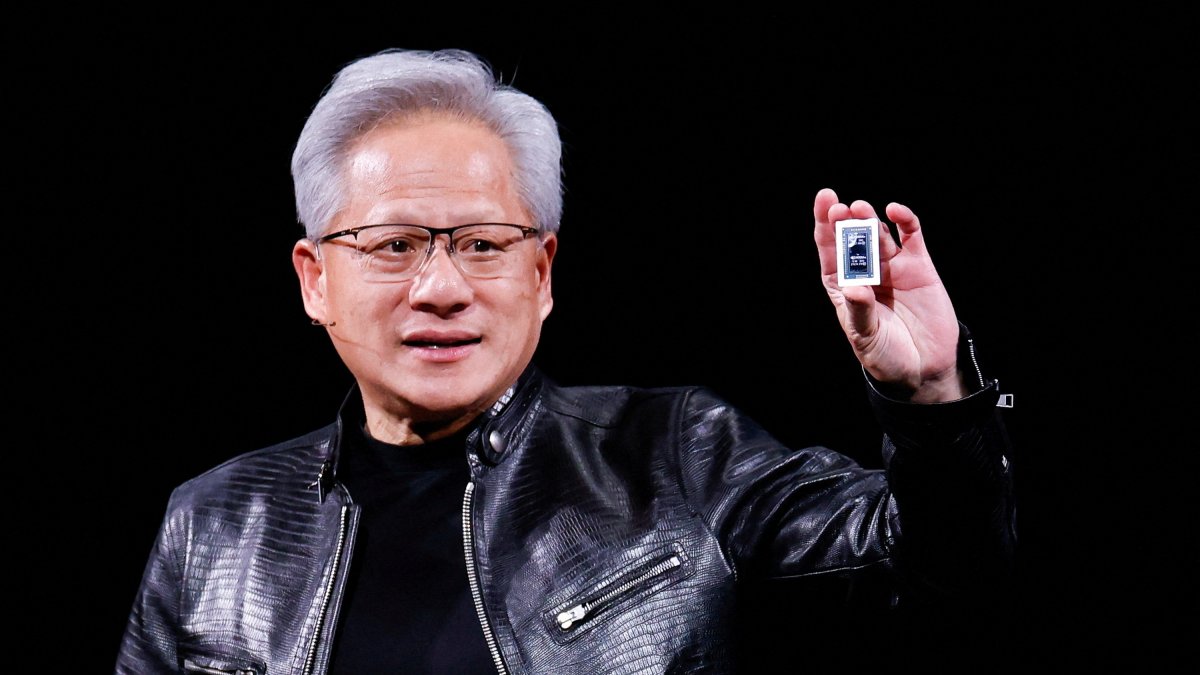
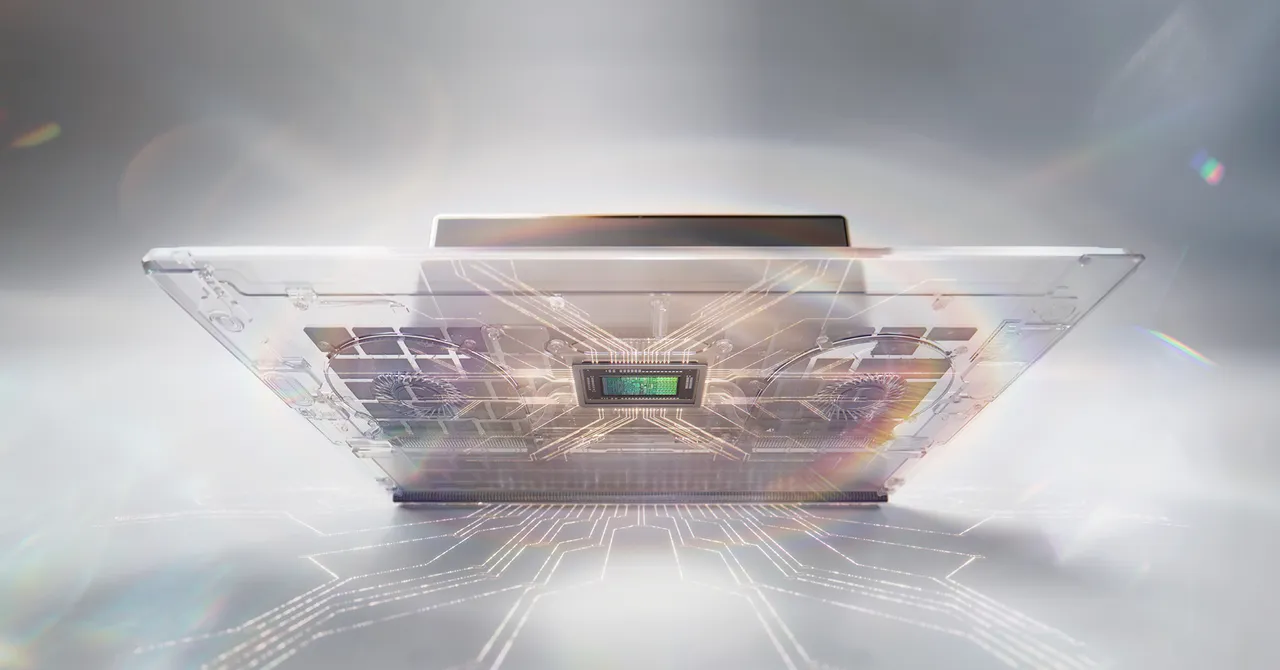
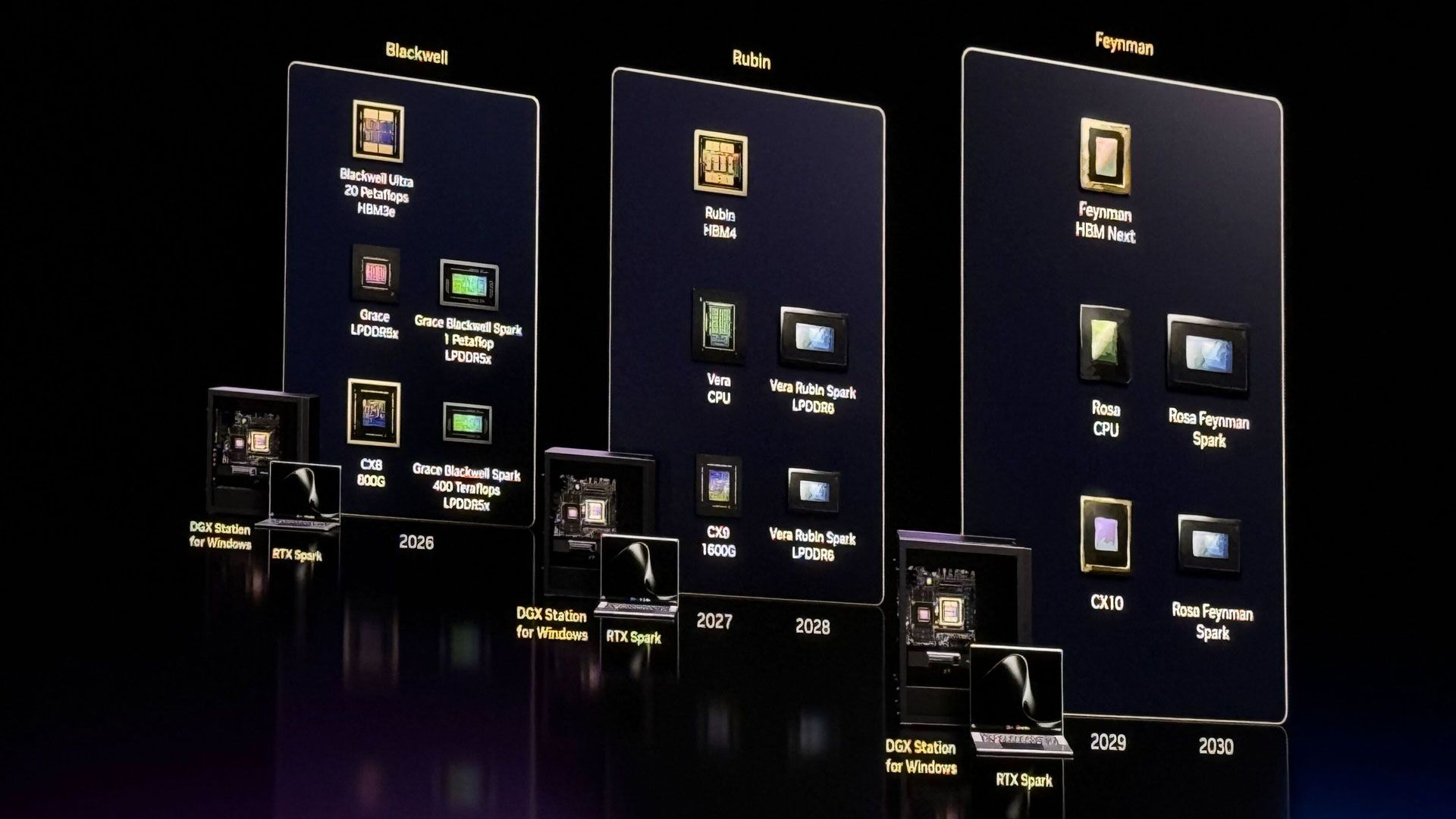
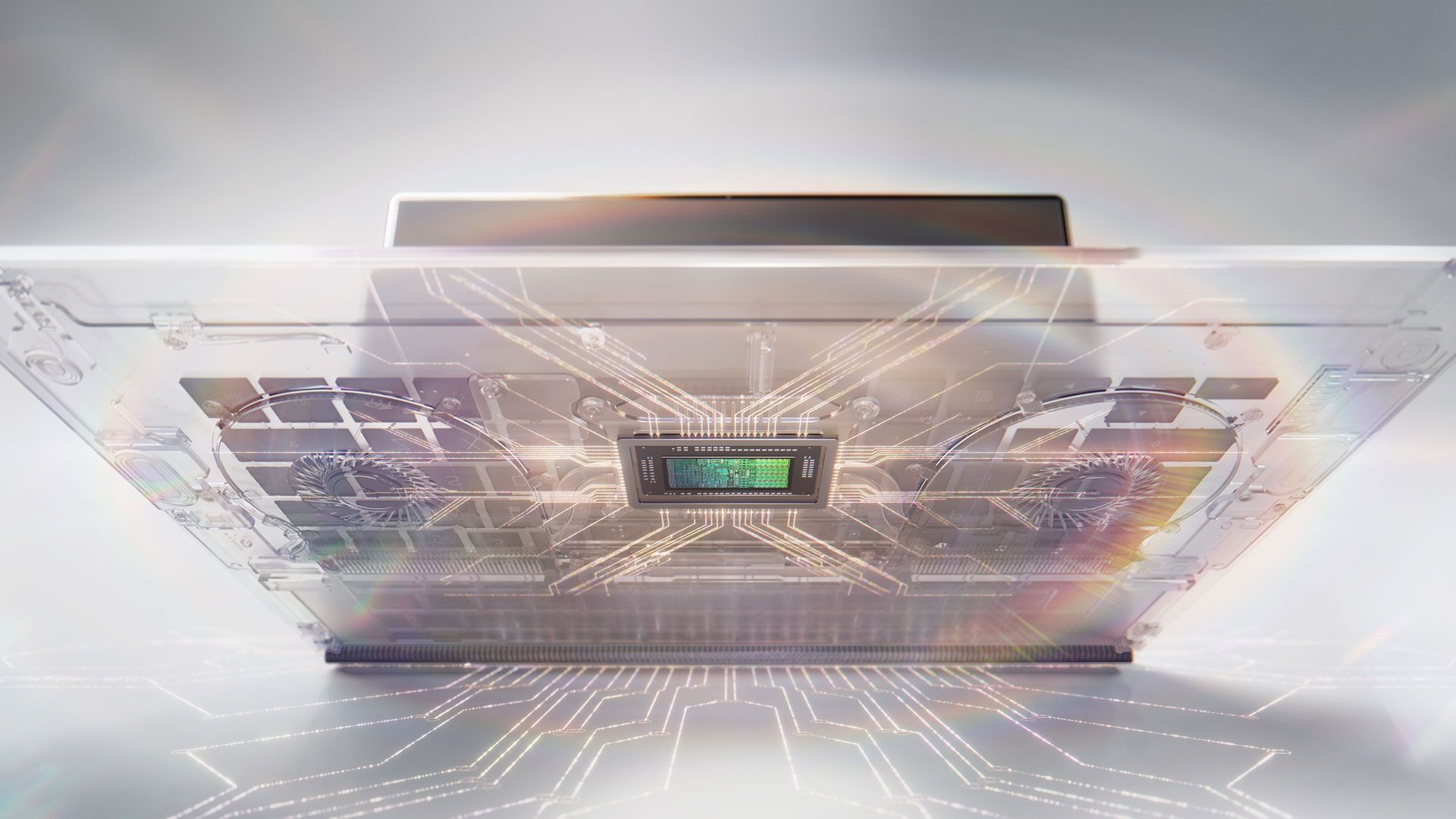
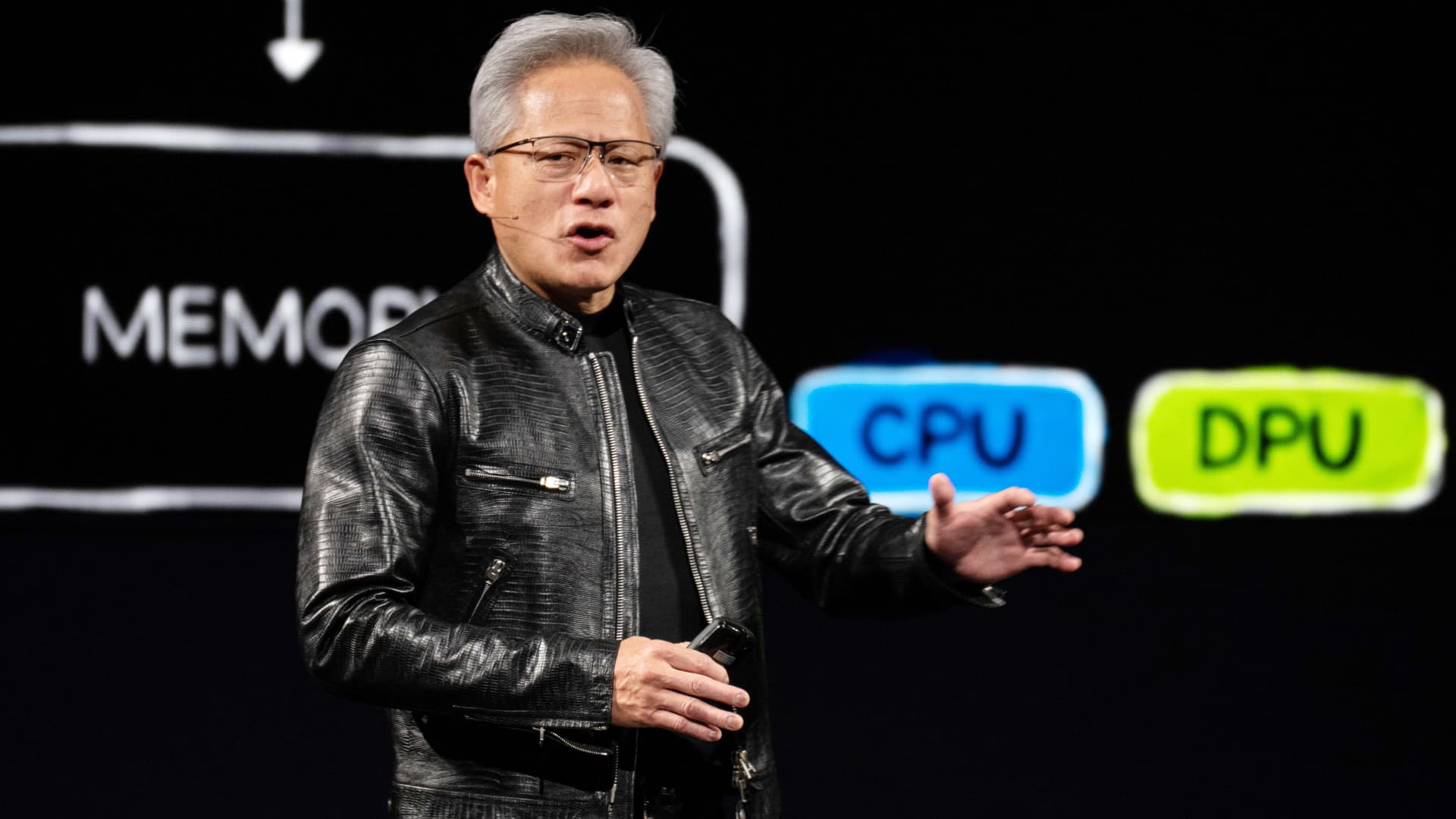
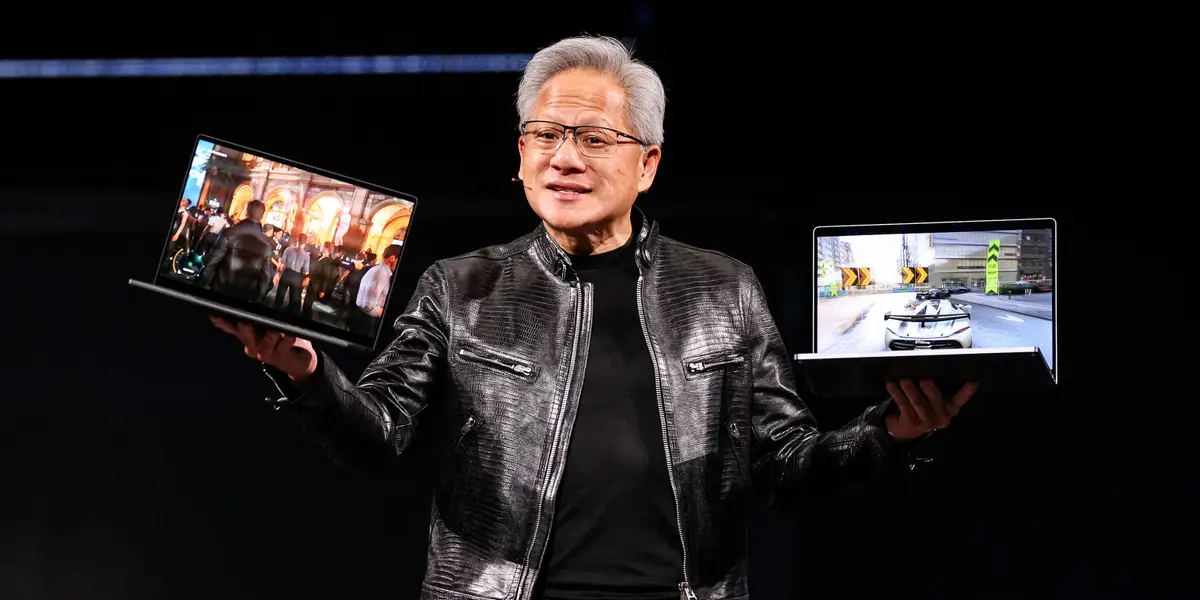
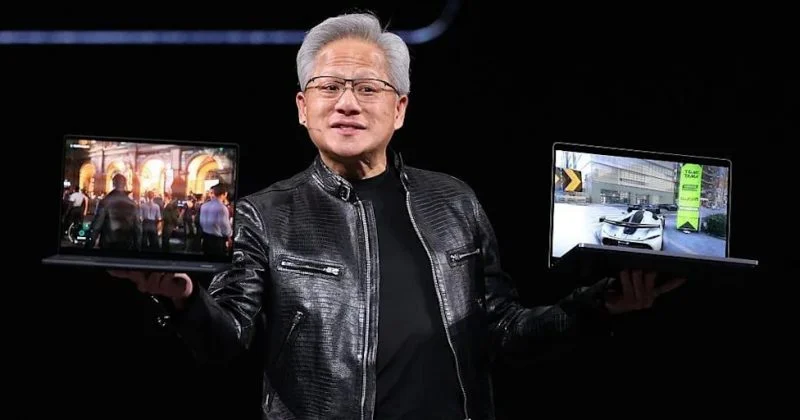
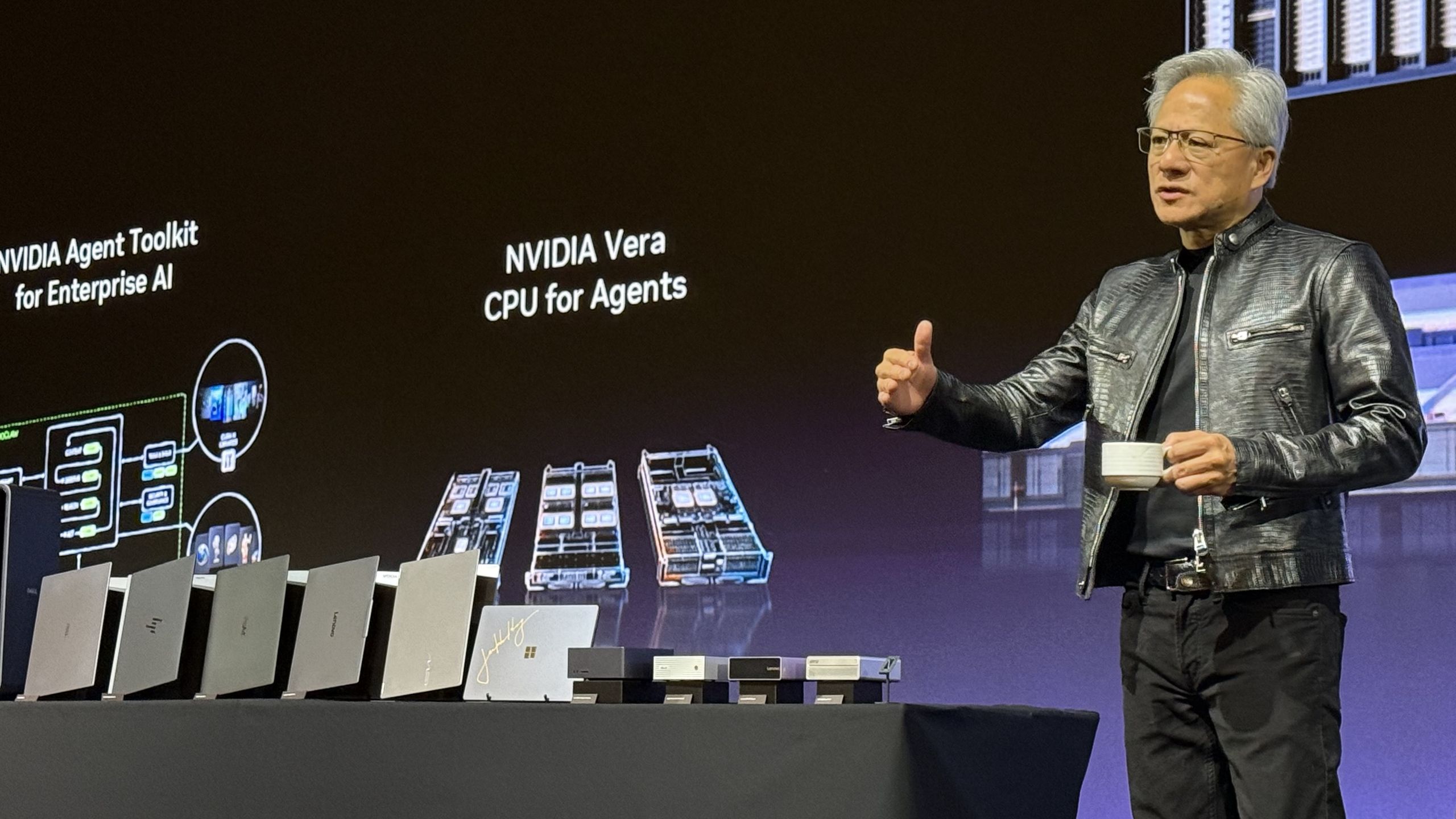
During a press Q&A held at Computex 2026 this morning, Nvidia CEO Jensen Huang hosted a wide-ranging discussion of why the company is entering the PC market with its just-announced RTX Spark platform, and what it stands to gain by introducing an all-new chip into the already crowded personal computing space.In a response to a question posed by analyst Ryan Shrout, Huang said that the decision to develop and introduce a new PC platform with RTX Spark isn't fundamentally about business concerns like the potential margins involved, and that "we don't really have to choose between solving one problem or another."Huang repeatedly emphasized that computing at every scale, from the PC to the data center, is undergoing a fundamental shift from a world where systems sit and wait for us to use them to an agentic loop where they'll autonomously work to complete tasks for us by running AI agents and models that can call tools and use Windows and applications themselves. Vera Rubin is the architecture for that shift at data center scale, and RTX Spark is the engine for powering that loop for the PC.Huang envisions an RTX Spark-powered future where he'll just talk to agents running on his PC via WhatsApp, and they'll get things done for him and communicate the results of that work back to him. "Tell me that's not R2-D2. Tell me that's not robotics. Tell me that's not cool."He says the company is driving this shift because it has "a chance to reinvent the single most important instrument, the single most important tool of humanity" with RTX Spark PCs, and "we're not going to sit around and not let it get done." He further elaborated that Nvidia sees the opportunity to make a significant contribution to personal computing's future with RTX Spark, to solve a hard problem, and to do it "insanely well." The ultimate question, as Huang sees it, is "Can we create something the world would love?"Although the highly integrated CPU and GPU and unified memory architecture of RTX Spark might look broadly similar to Apple Silicon, Huang dismissed the idea that the company is trying to compete with Apple and products powered by its M-series chips. He says that Apple has a "world-class silicon roadmap," and that it's building those chips in service of the needs of its own unique device, hardware, OS, and application ecosystem. He says that Nvidia's goal is to "reinvent the PC," and that its focus is "100% on Windows."Huang also tried to assuage concerns about Nvidia's long-term commitment to the RTX Spark platform, given the relative lack of purchase that other Windows on Arm devices have achieved in the market thus far.Get Tom's Hardware's best news and in-depth reviews, straight to your inbox.Huang said that "once we start a new product line, once we start a new software image, we support it for as long as we shall live." He cited the long-lived Nvidia Shield TV platform as an example of how the company "takes great care" of the software of its devices, and he says that will be true for RTX Spark devices, as well.He asserts that the software stack for RTX Spark "is likely the best software stack provided ever, and the software stack defines the experience of the user these days." He says those stacks are the reason why GeForce, Quadro, and RTX Pro products are already "deeply loved," because "we take care of the software."Huang also touted the breadth of hardware companies that have signed up to make Spark systems as a vote of confidence in the future of the platform. Referring to the laptops on stage with him from Asus, Lenovo, Dell, MSI, Microsoft, and HP, he boasted that "this is literally every computer maker in the world," and "we have never seen anything like it. No new product, no new chip has ever been launched where this much of the world's computer ecosystem signed up."Beyond the laptops and desktops Nvidia and its partners have already announced, Huang also notes that the RTX Superchip is the SoC formerly known as N1X, and that it has a second, smaller chip called N1 yet to be detailed. He also described N2 and N3 Spark chips for future systems that will power future AI PCs, a commitment he first revealed during his Monday Computex keynote.Huang said, "We're going to expand our family... We're going to expand the footprint of this architecture, and we're going to extend this architecture for a very long time."