(Image credit: Future)
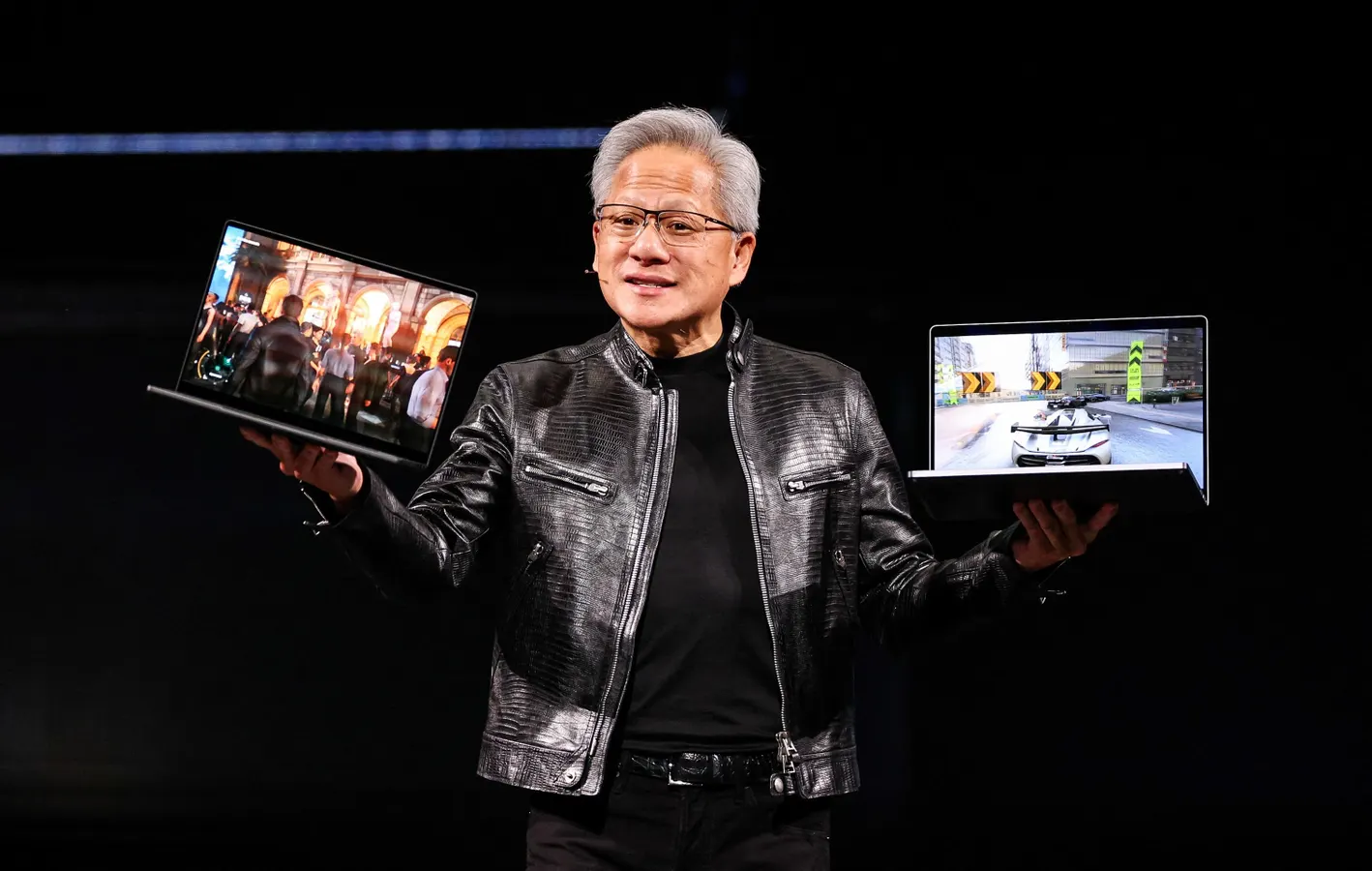
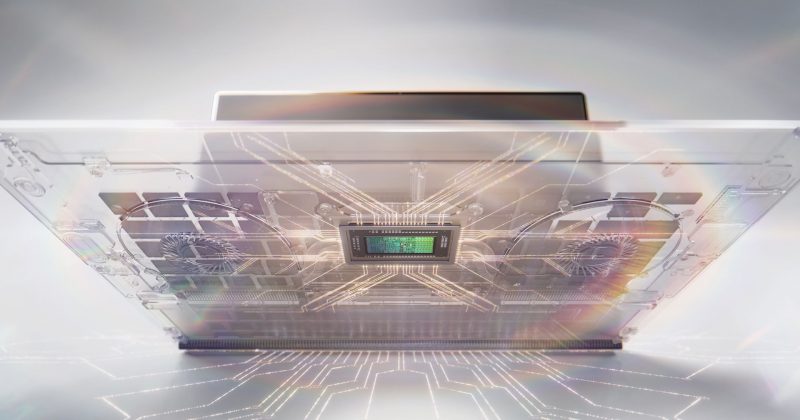
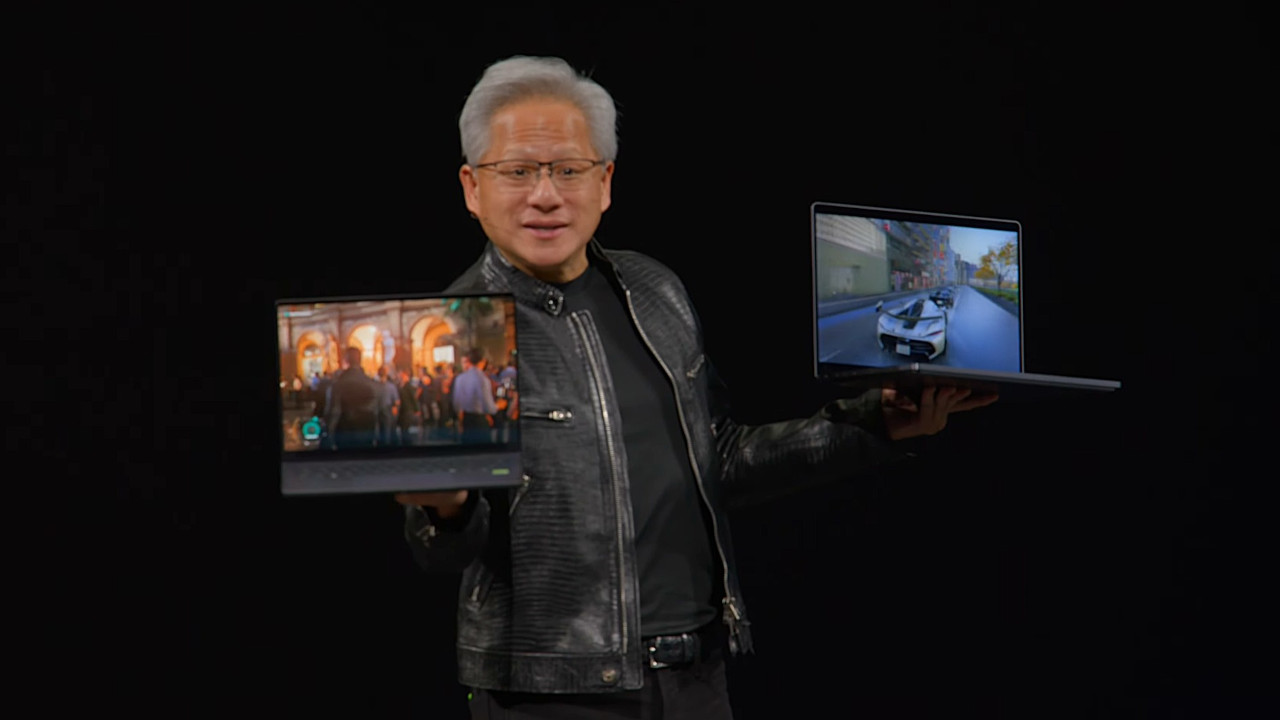
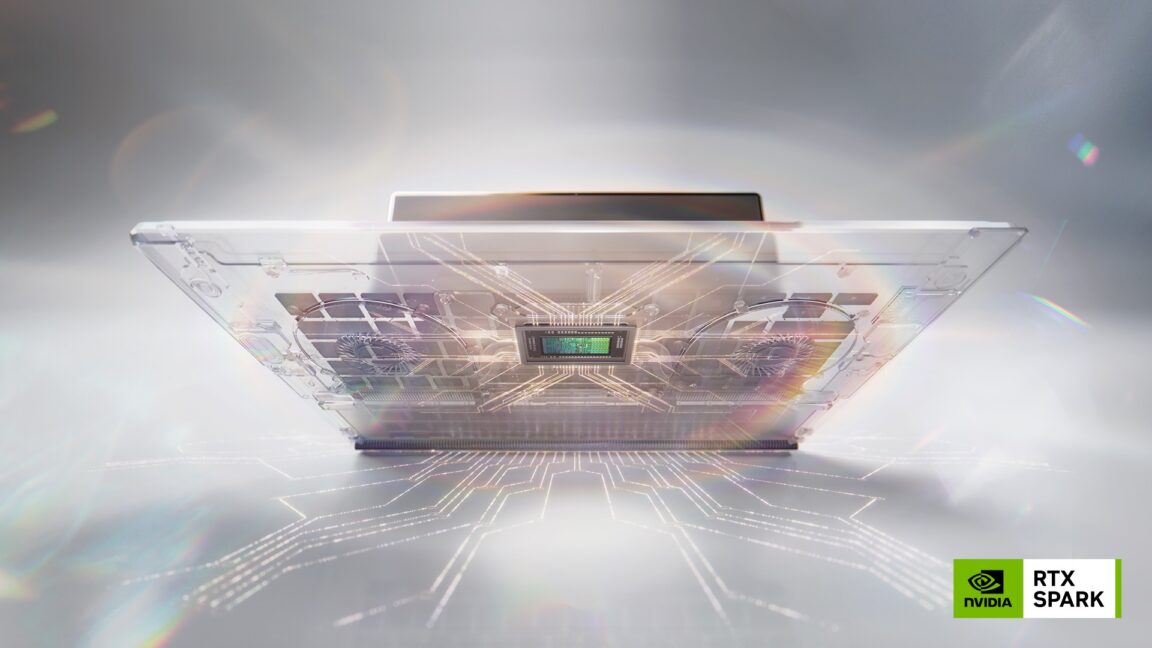
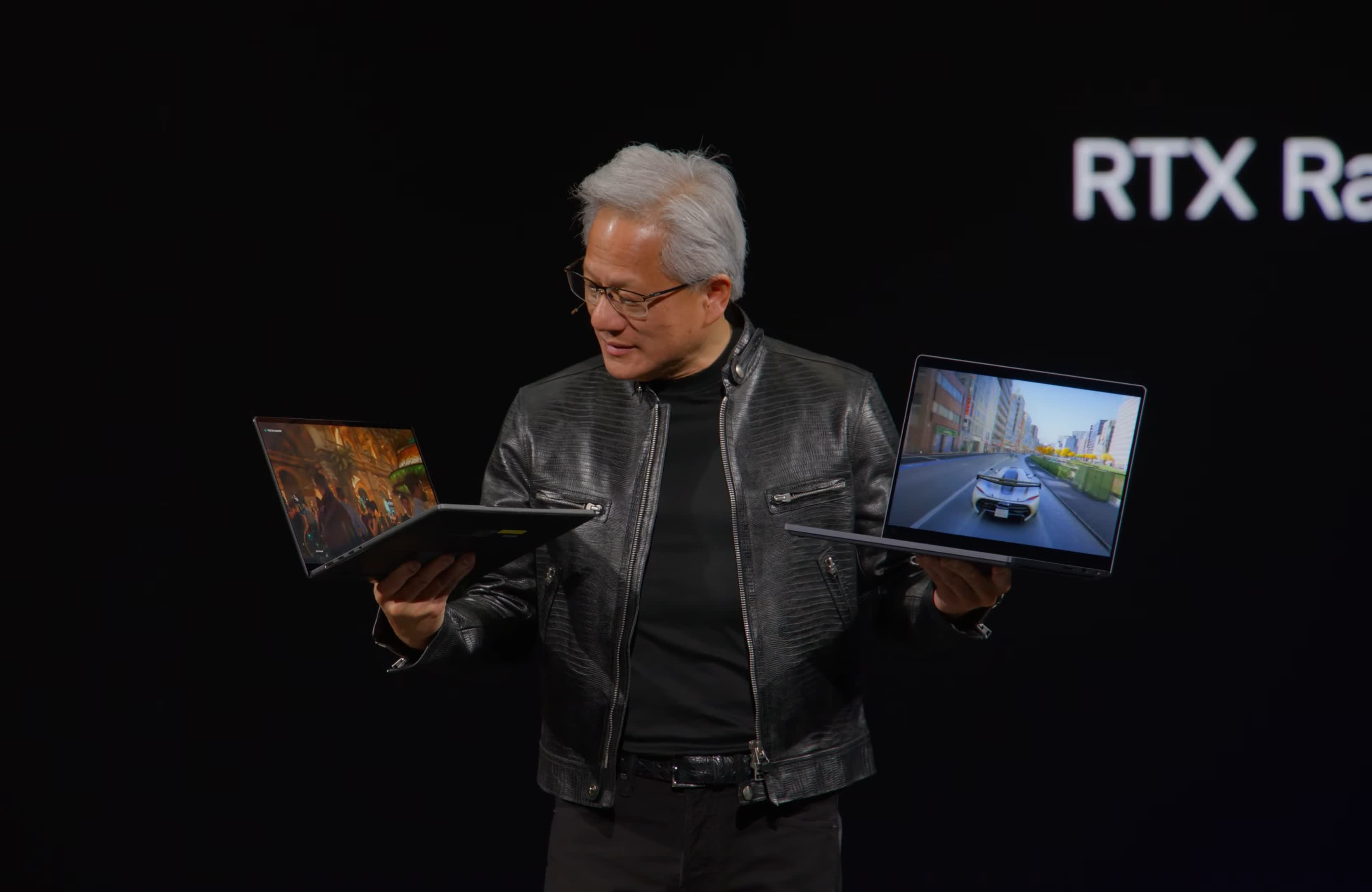
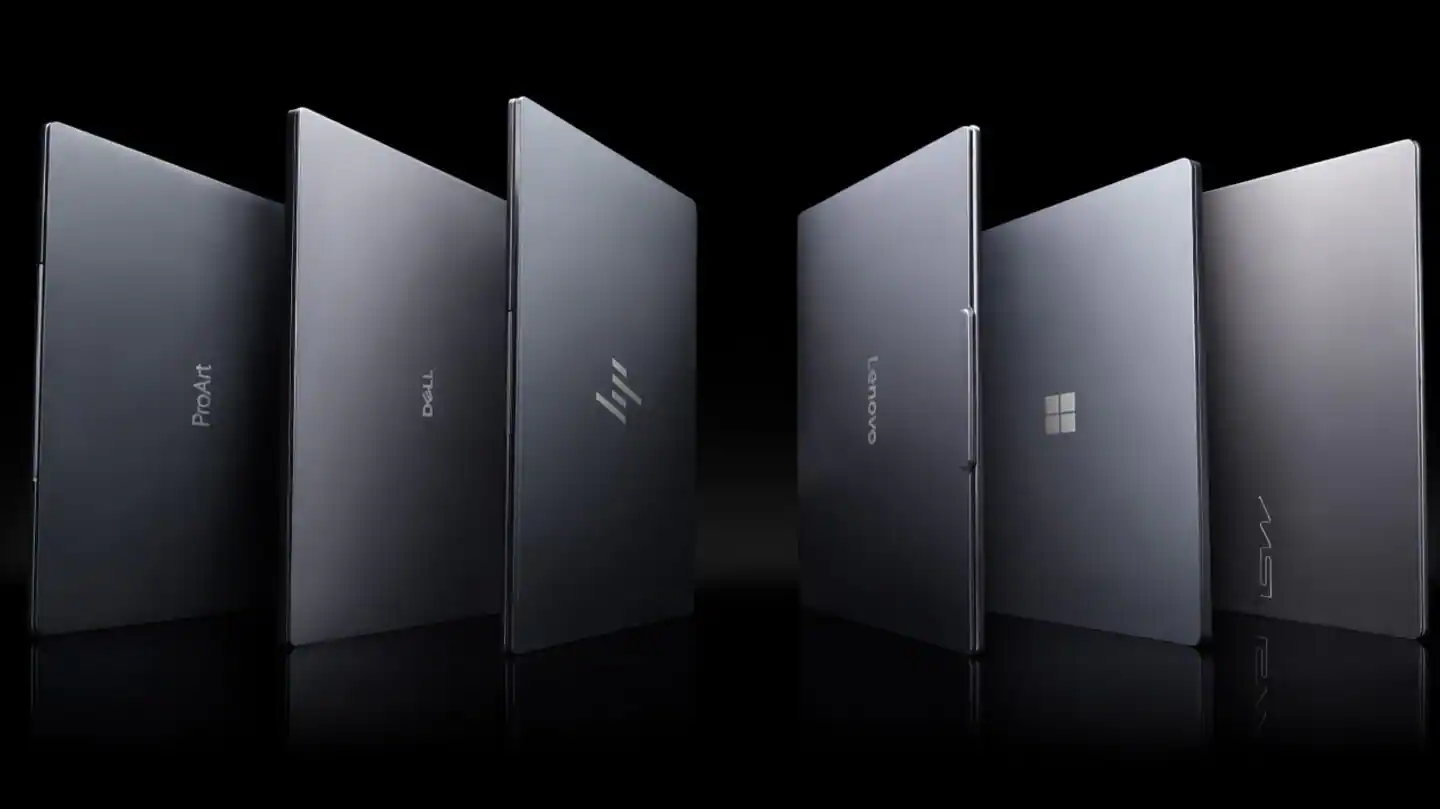
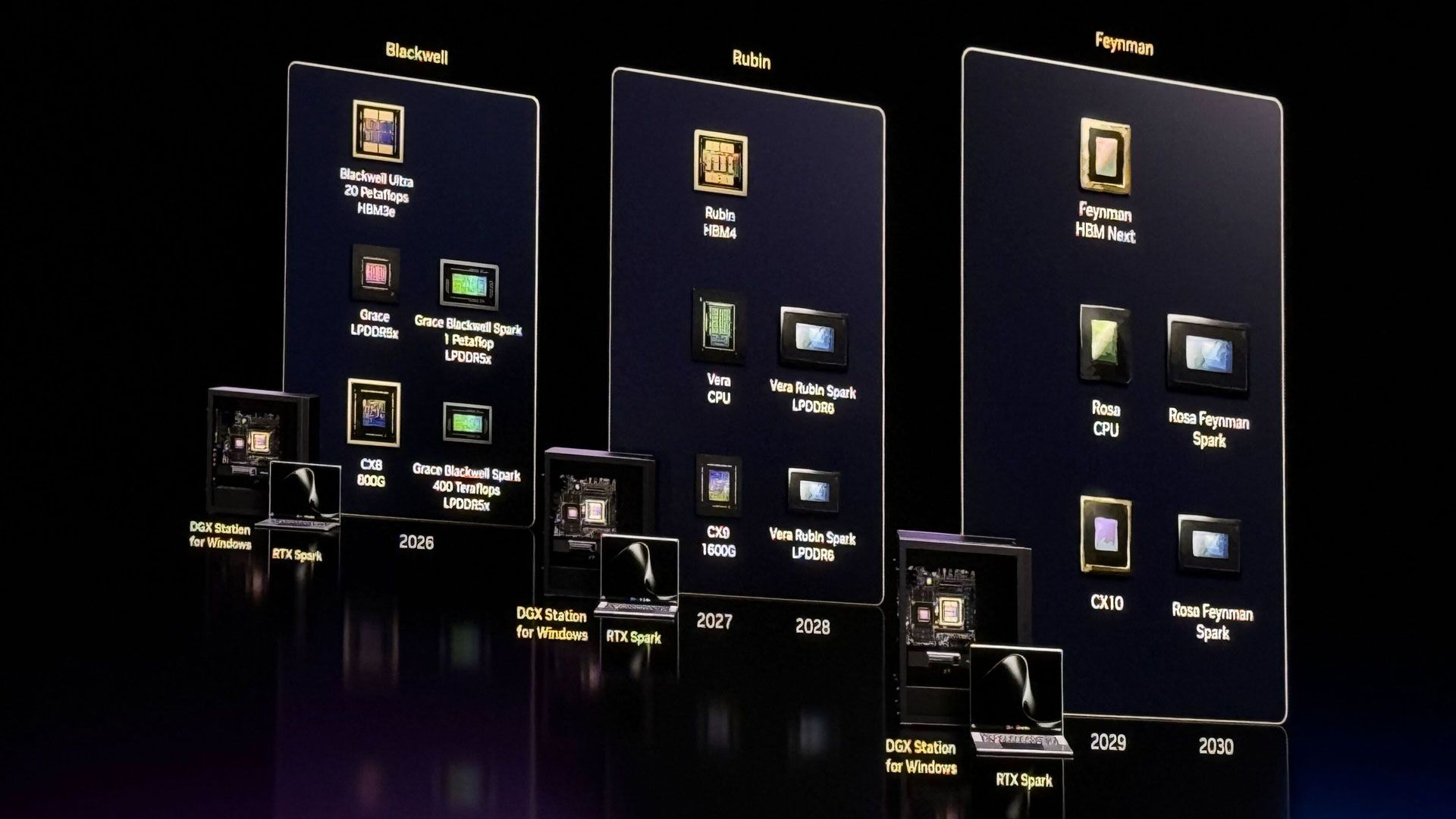
Along with its first-generation RTX Spark platform for desktop and laptop PCs, Nvidia CEO Jensen Huang revealed the company's commitment to future generations of those platforms on its future roadmaps. The company is committed to producing at least two additional generations of Spark platforms for its partners.Beyond the Grace Blackwell RTX Spark chips (the top-end RTX Spark Superchip and an as-yet-undetailed smaller chip), Huang promised that every future generation of the company's platforms will include a Spark chip.That means there will be a Vera Rubin pair of Sparks powered by LPDDR6 memory, and a future Rosa Feynman Spark with a presumably even faster (but as-yet unannounced) memory generation. That multi-generational promise is an important point of trust in Nvidia's commitment to transforming Windows PCs for the agentic AI era.Building a full product and partner ecosystem is a much larger challenge than simply building and shipping a chip. It's clear that Nvidia has a small army of OEM partners ready to take those chips to market and a deep partnership with Microsoft and ISVs to unlock the capabilities of its platforms for Windows and the applications that run on it.In order for those OEMs and software partners to trust that it's worth committing precious time and treasure to Nvidia's platform, Nvidia needs to demonstrate in turn that it's invested in shipping future generations of Sparks, as well. Publicly committing to this roadmap at Computex 2026 is an important demonstration that the Grace Blackwell RTX Spark is just the first step on a longer road rather than a momentary curiosity.Indeed, during our pre-brief call last night, Nvidia was asked why its take on Windows on Arm is different compared to other companies' efforts to create alternative ecosystems to x86 mobile processors from AMD and Intel. Nvidia said that "[it's] investing a lot to make sure the Windows on Arm experience is great," and "the reason RTX Spark can succeed is because our full effort is behind this platform and bringing it to market."Given Nvidia's position as the most valuable company in the world and its leading position not only as an AI hardware provider but a leading developer of high-quality open models and the entire underlying stack to run them, those are fighting words, to put it mildly. And while companies like Apple and AMD are building similar SoCs with powerful GPUs and large memory pools, they lack the broad software foundation that Nvidia has built on top of its products for partners to build with in turn.Get Tom's Hardware's best news and in-depth reviews, straight to your inbox.In addition to these relatively low-power platforms, Nvidia will also be producing Windows on Arm-compatible versions of its DGX Station high-end desktop PC. The DGX Station is built around the GB300 Superchip, which encompasses a 72-core Grace CPU with 496 GB of LPDDR5X memory paired with a Blackwell Ultra GPU offering 252GB of HBM3e and up to 15 PFLOPS of FP4 performance without sparsity. Developers can further expand this system with another RTX Pro GPU over PCI Express.Nvidia also committed to future DGX Stations for high-end Windows AI workstation performance. Although those systems will doubtless be far lower volume products than RTX Spark laptops and desktop mini-PCs, it further cements the company's full commitment to creating a reliable and durable ecosystem for partners to build around and consumers to buy into.We're expecting to learn more about Nvidia's RTX Spark systems and ecosystem this week at Computex 2026. Stay tuned for more details.