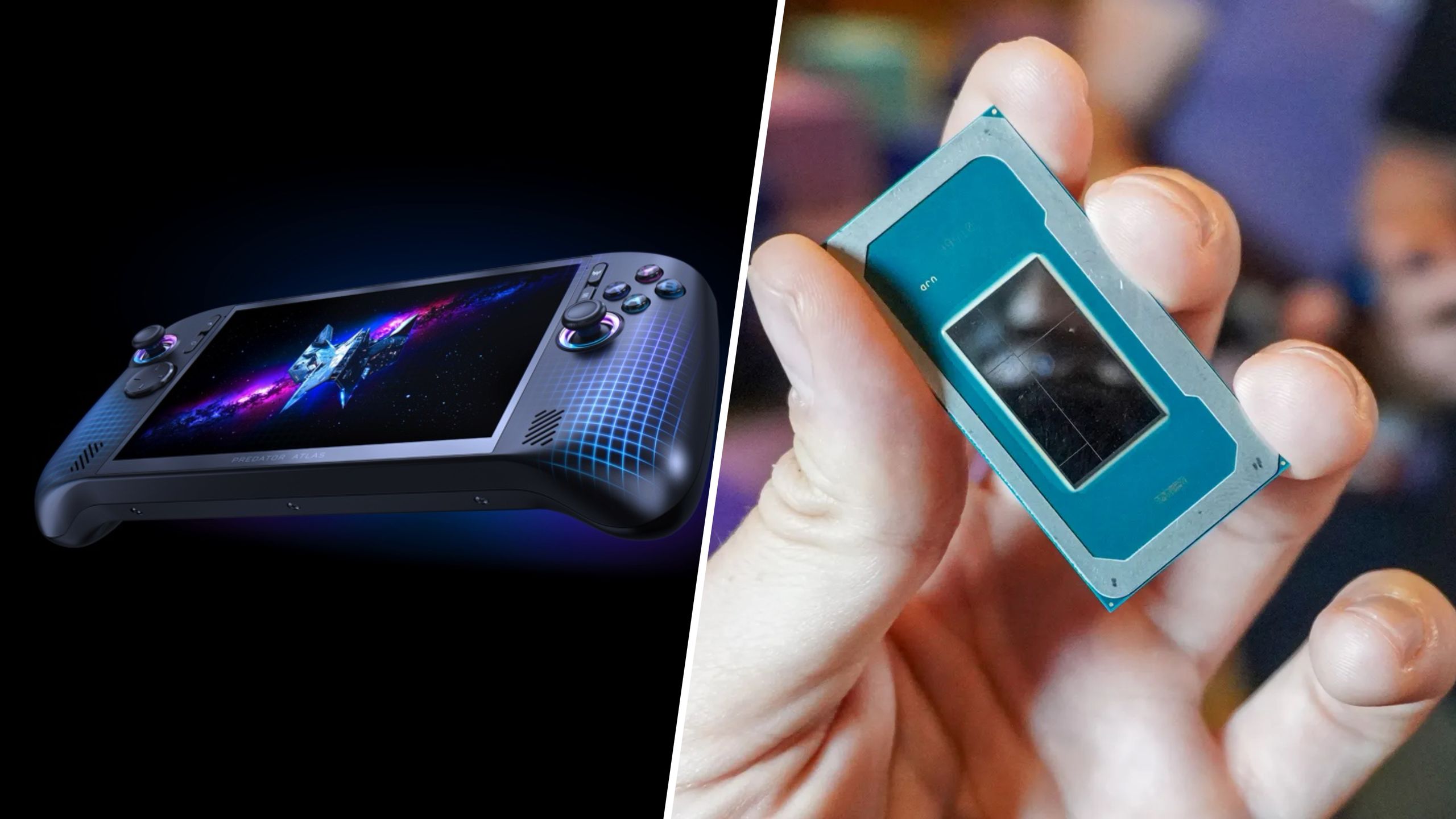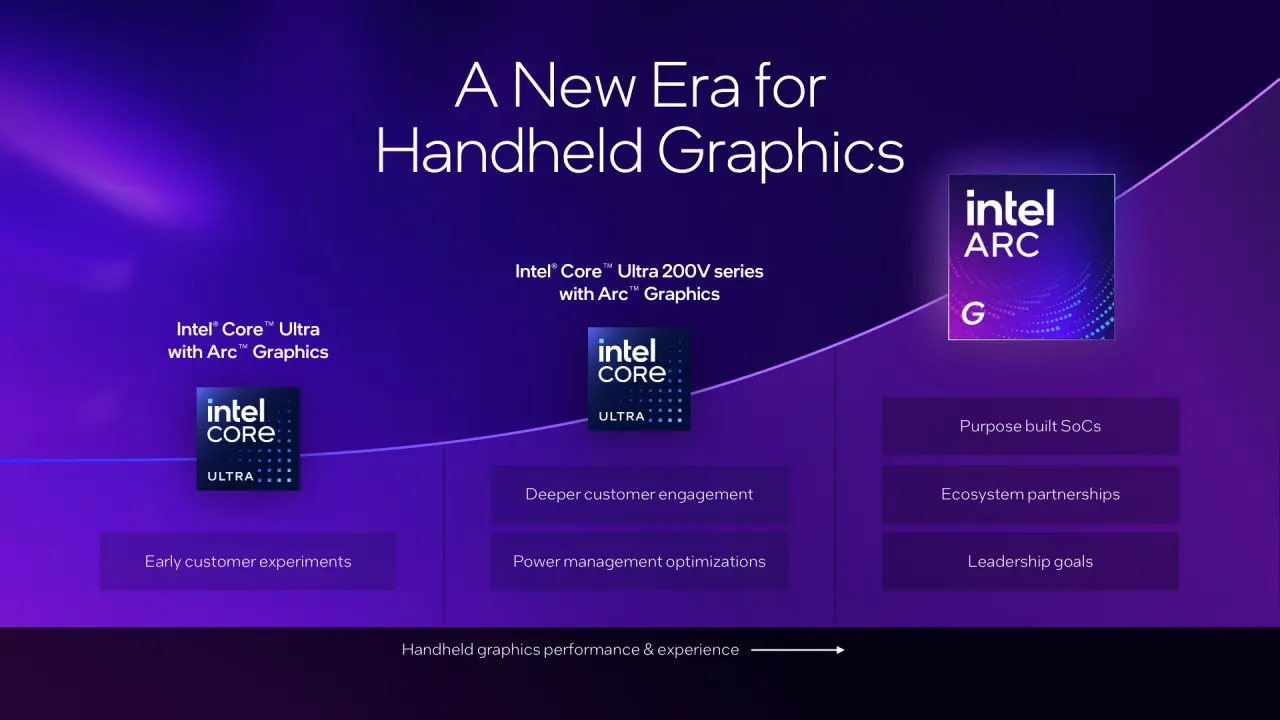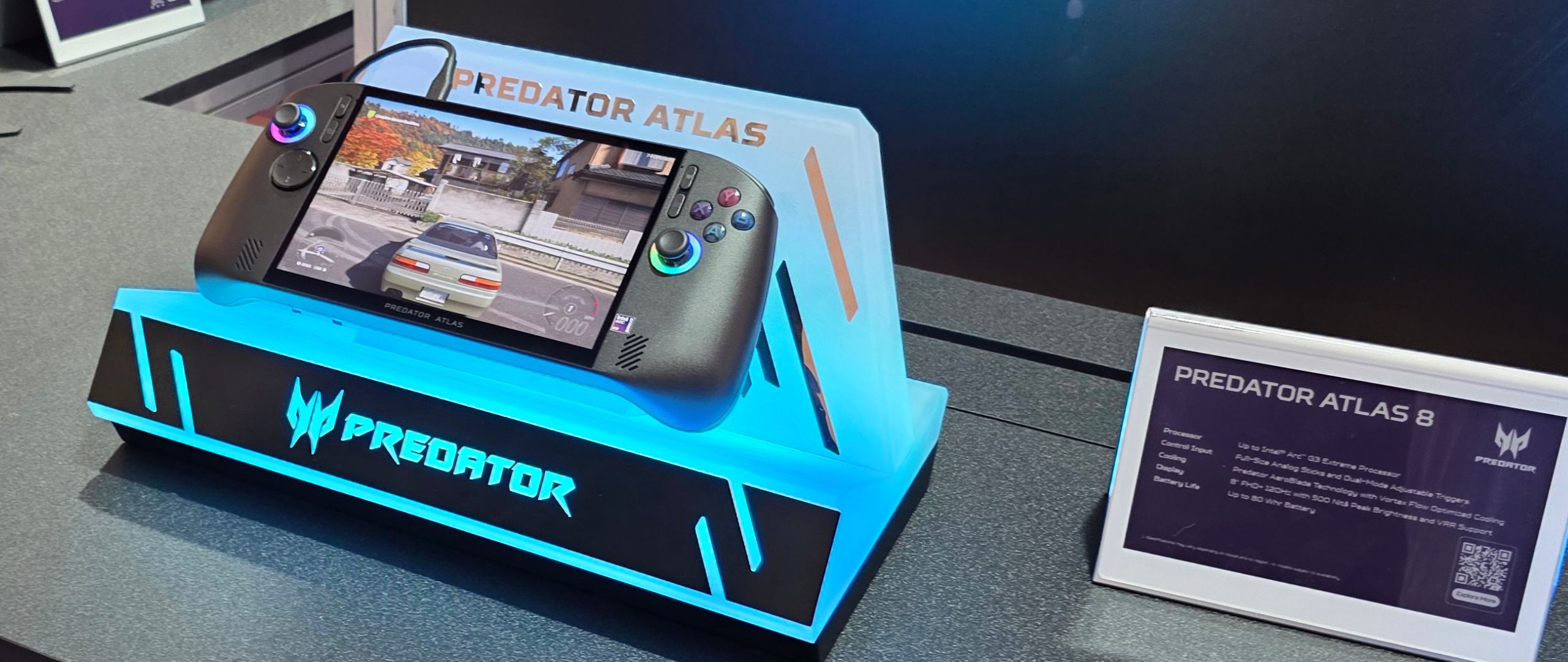
(Image credit: Tom's Hardware)
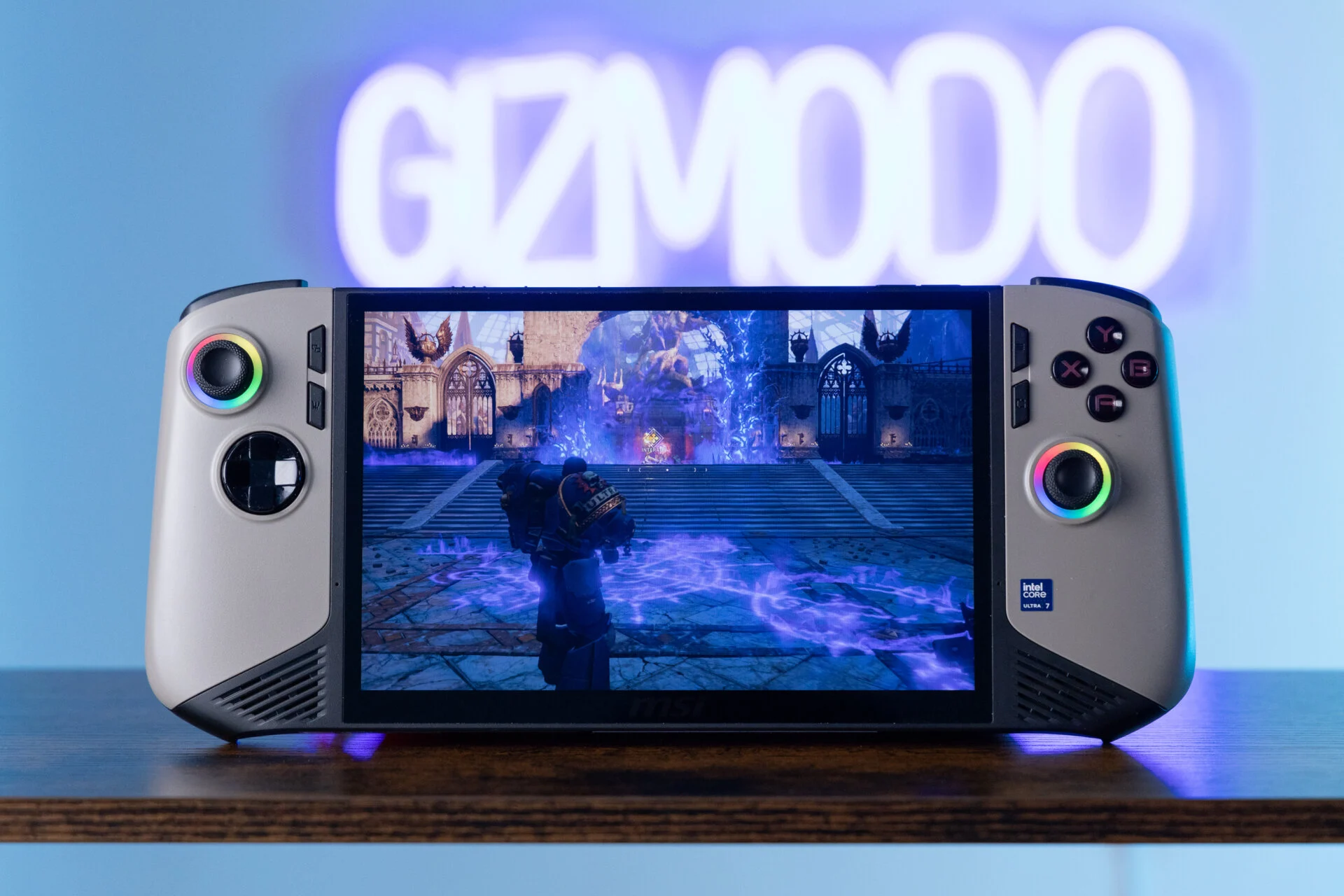
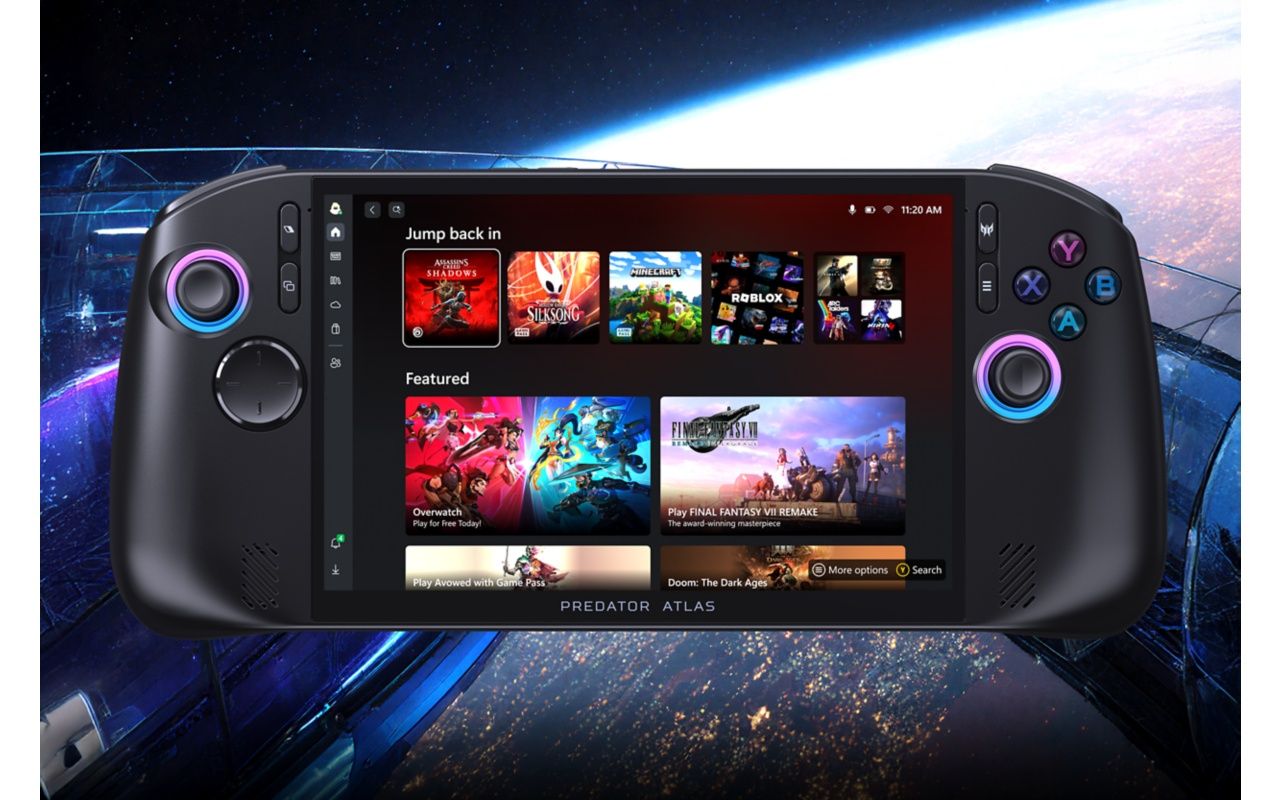
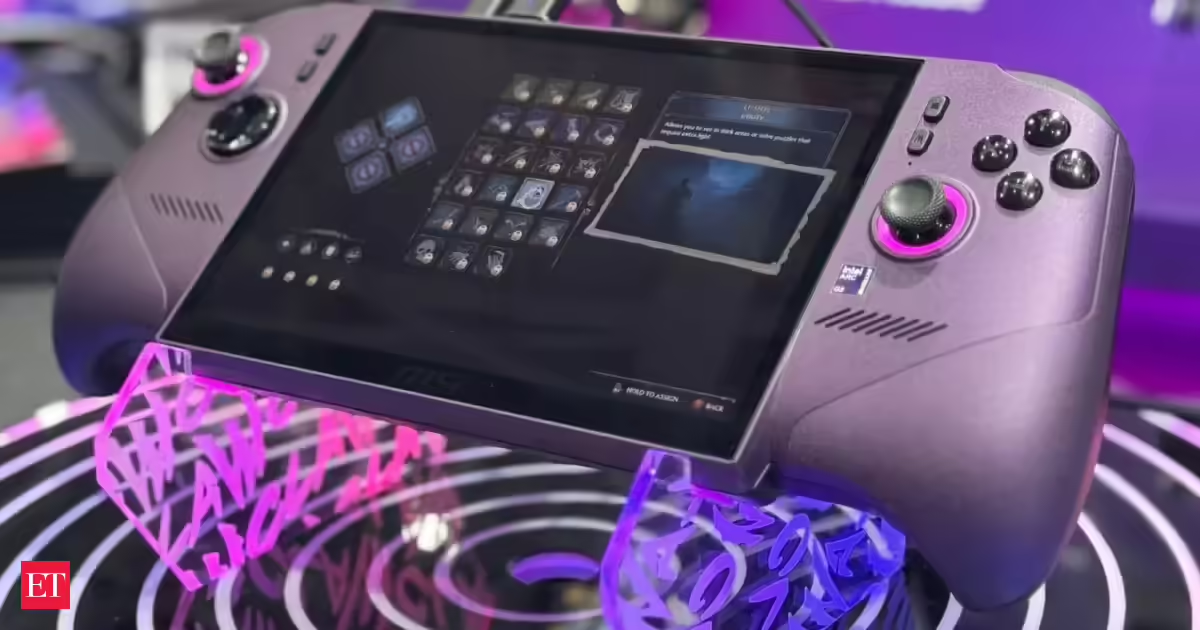
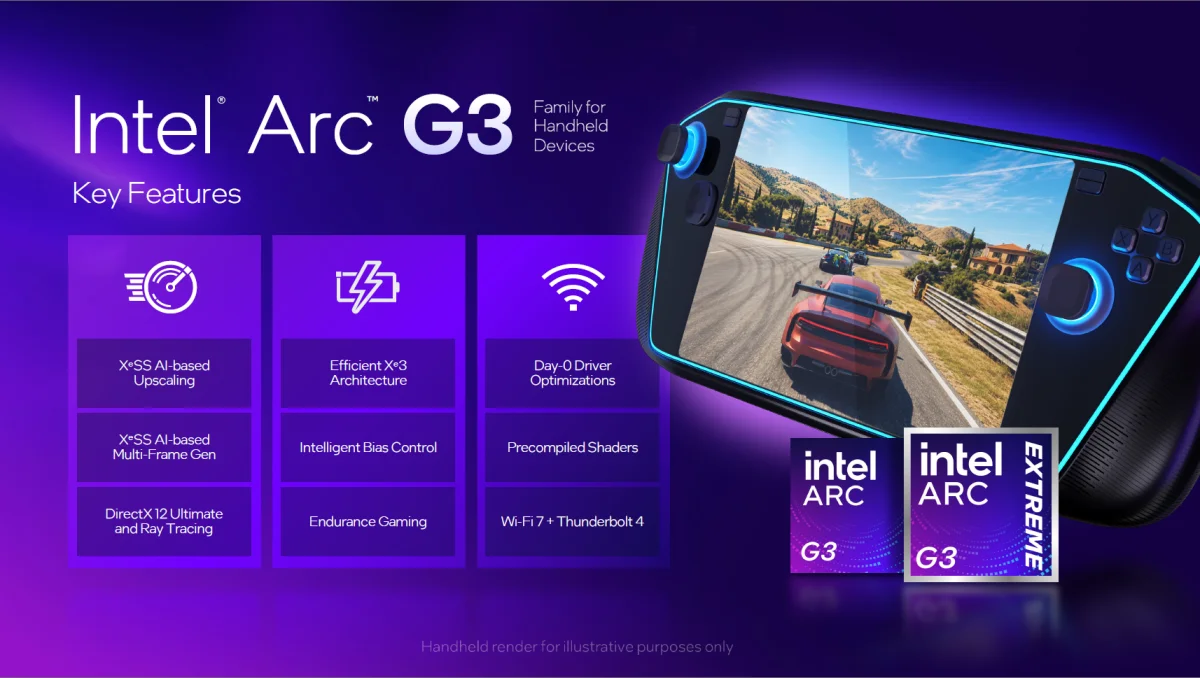
Intel’s Arc G3 chips are gunning for the AMD-dominated, high-tier integrated graphics market that has become such an important enabler of the modern handheld PC gaming experience. But as high-memory prices push up the costs of even entry-level discrete GPUs, there could be much more of a place for powerful onboard graphics in the PC gaming landscape in the years to come.We sat down with Intel’s Senior Director of Product Management, Nish Neelalojanan, in Taipei, Taiwan, at Computex 2026 to talk more about the G3’s development and how it fits into Intel’s lineup. Here, we're presenting the full transcript of our conversation.This transcript has been lightly edited for clarity.Jake Roach, Tom's Hardware: So what was the idea behind the G3, because you guys have tried before, right? I believe it was with MSI? And now you’re putting a bigger emphasis behind it with a whole new branding.Nish Neelalojanan, Director of Product Management, Intel: It was a combination of two things. So first of all, we started trying already with Meteor Lake, and yes, we were experimenting. This was all standard off-the-shelf parts, and we learned a lot as we came into Lunar Lake. The power management for handheld needed to be more customized, so we started tweaking further, and as we got into Panther Lake, the architecture lent itself to lower power gaming. We moved the E-Cores onto the performance cluster, so you have E-Cores both on your efficiency island and your performance cluster, that means your E-Cores have access to L3 cache, so E-Cores are now performant enough to run games.A lot of the time, in a low-power scenario, you are more GPU-bound than CPU-bound because the GPU is power starved, so if you can reduce the power on CPU and dump it on the GPU, you'll get much better performance. So, with that architecture change with Panther Lake, now is the perfect time. All the goodness we've learned, we can capitalize on it. We have a silicon architecture, we can lend itself to low power, and we have big enough graphics now…Jake Roach: A really impressive iGPU.Nish Neelalojanan: So, that is what had the impetus on, hey, what if we did a CPU line, which is graphics first, or leading with a very big graphics, but small enough CPU that doesn't grab enough power, but good enough to run all your handheld games. It's great for handheld gaming or non-PC form factor, running low-power gaming. So we wanted to start a line of products, which would be integrated graphics forward, with the right CPU.Jake Roach: And these are wholly unique entries, right? If I remember correctly, there's no 14-core Panther Lake.Nish Neelalojanan: These are completely unique chips. So they are based off the same die, but we've optimized it with, like I said, core count, so that taking two P-Cores off, because most of the games are going to run on the E-Cores on the performance cluster, you also cut down on different I/Os, so you don't need as many ports on a handheld as you would need on a laptop, right, so you cut down, so it's cutting down all the things you don't need.Jake Roach: Really focusing it on that form factor.Nish Neelalojanan: Yeah, that will be on the hardware, and then software-wise, we have a lot of other software optimization. So, now in order to have them pinned onto the E-Core, we have a BIOS control optimizer, so extra ways to have your thread director direct your game threads onto your E-Cores.It's basically making sure we are directing the game threads onto the E-Core. [We also have the] ability to do power gating, so that we have features like endurance gaming, which we had on the laptops. Now, for handheld, we've added some features, so you can go with different presets. You can say, I want 60 frames per second, and then it will optimize your profile accordingly, or I want 30 frames per second. So you have a frame cap, and then your SOC resourcing is optimized, so that you will increase your battery life 2, 3, 4, hours.Jake Roach: Battery life is so important for a handheld, right? I was playing a little Forza Horizon 6 on the plane coming over, and one way that I'm doing that right now on Linux is with Lossless Scaling, with frame generation in any game. As you're saying, apply that 30 fps cap frame generation to the mix, and you can get really good perceived performance.Right now, you guys have multi-frame generation through XeSS 3 through specific games, but there's no driver. Is that something you're looking into, given how important that can be for the local gaming experience?Nish Neelalojanan: So, 100 plus games have already enabled MFG, but you could imagine, as you said, it's important. So we're exploring, but as we get closer, we'll talk more about when and where it intercepts.