ℹ️ What You Will Learn in This Post
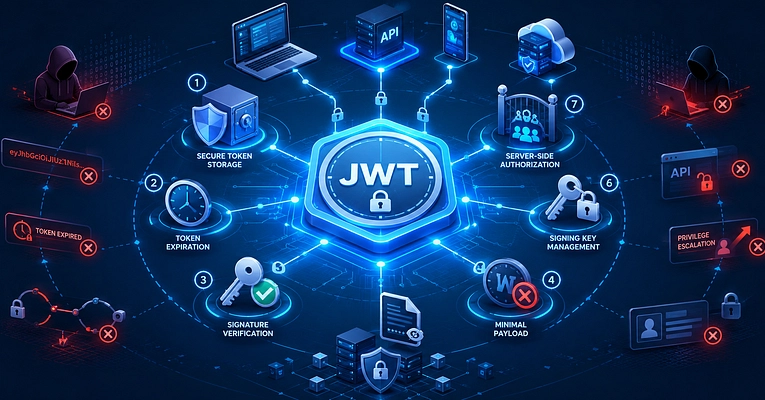
I will delve into the two main pillars of the JWT security model: token lifecycle management and secret key rotation strategies. I'll explain, based on my own experiences and concrete examples, how these two approaches should be used together in real-world scenarios.
Introduction: Fundamentals of JWT Security
When API security is discussed, JWT (JSON Web Token) is almost always one of the first solutions on the table. I, too, have relied on JWTs in many projects, especially when building microservice architectures or a stateless authentication structure. However, simply using JWTs isn't enough; ensuring their security is only possible with proper lifecycle management and secret key rotation.
Just taking and using a token means missing the bigger picture. The truth is, how a JWT is created, how long it's valid, and how the secret key that signs it is managed are vital for your overall system security. In this post, I will explain, based on my own experiences, what these two critical components – the JWT's lifecycle and the rotation of its signing secret key – mean and how they should be implemented.