The Operational Burden of JWT Lifecycle Management
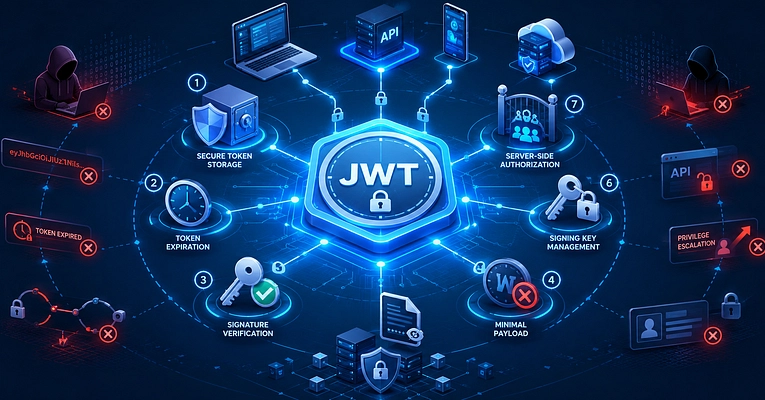
Every new technology that enters our lives initially excites us with its simplicity and promises. JSON Web Token (JWT) emerged as a great solution, especially for stateless authentication needs. However, over the years, I've begun to see more clearly the operational burden and costs associated with managing this technology. JWT itself, the structure of the token and its signing, is relatively straightforward. The real complexity arises throughout its lifecycle: its creation, distribution, verification, management of expiration times, and invalidation when necessary. If not managed correctly, these processes can lead to significant operational costs and security vulnerabilities.
In the real world, when we consider the journey of a JWT from its creation to its disposal, we see that it involves much more than just generating and sending a token. This journey, which begins when a user logs in, includes steps like sending the token to the server with every request, verifying its signature, checking its validity period, and even invalidating the token in certain situations (e.g., password change or suspicion of a security breach). Each of these steps creates a load on the infrastructure, and managing this load effectively is critical, especially in large-scale systems.